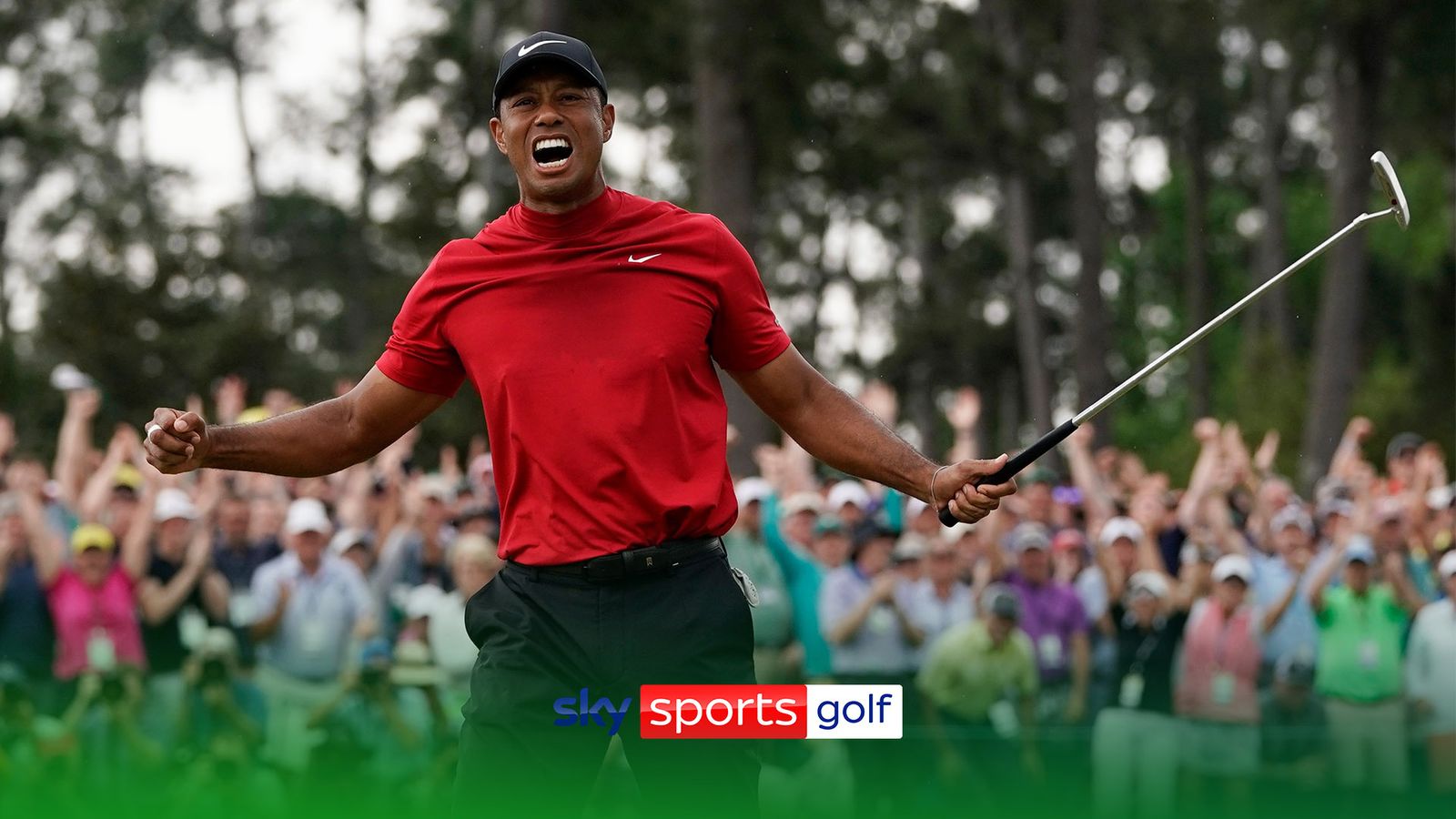
The 2019 Masters Tournament, held at Augusta National Golf Club, concluded with Tiger Woods securing his fifth Green Jacket. After an 11-year drought in major championships, Woods surged to victory with a final-round 70, finishing at 13-under-par, one stroke ahead of Dustin Johnson, Xander Schauffele, and Brooks Koepka. This win marked one of the most significant comebacks in professional sports history.
The Significance of the 2019 Masters Victory
The 2019 Masters Tournament remains a landmark event in the history of professional golf. When Tiger Woods arrived at Augusta National in April 2019, he was 43 years old and had undergone multiple spinal fusion surgeries. The narrative surrounding his career at the time was defined by uncertainty regarding his physical longevity.
Winning the 2019 Masters was not merely about capturing another title; it was about the restoration of a career that many pundits and fans believed had effectively ended. By winning his fifth Masters title, Woods moved to within one victory of Jack Nicklaus’s record of six wins at the tournament. This victory served as the 15th major championship of his career, further solidifying his position as one of the most influential figures in the history of the sport.
Tournament Structure and Course Conditions
Augusta National Golf Club, a par-72 course measuring approximately 7,475 yards for the 2019 tournament, presented specific challenges that year. The layout, known for its intricate green complexes and strategic bunkering, saw shifting weather conditions throughout the week.
The Weather Factor
On the final day, the tournament committee made the unprecedented decision to move up tee times and utilize two-tee starts—sending players off both the first and 10th holes—in anticipation of severe thunderstorms expected in the Augusta area on Sunday afternoon. This decision fundamentally changed the rhythm of the final round. Instead of the traditional "leaders go last" afternoon climax, the final group of Francesco Molinari, Tiger Woods, and Tony Finau played in the morning, finishing in the early afternoon before the storms arrived.
Hole 12: The Turning Point
The 12th hole, a 155-yard par-3 known as "Golden Bell," acted as the decisive turning point for the field. Francesco Molinari, who entered the final round with a two-shot lead, hit his ball into the creek fronting the green, resulting in a double bogey. Simultaneously, several other contenders, including Brooks Koepka, Ian Poulter, and Tony Finau, saw their balls find the water as well. Woods, opting for a conservative approach to the middle of the green, secured a par, effectively erasing his deficit and moving into a tie for the lead.
Statistical Breakdown of the Champion's Performance
Tiger Woods’ victory in 2019 was characterized by disciplined course management rather than sheer power. While Woods had evolved his game to prioritize consistency over the explosive distance that defined his earlier career, his performance at Augusta in 2019 demonstrated that his tactical understanding of the course remained superior to the rest of the field.
| Category | Tiger Woods Performance Data |
|---|---|
| First Round | 70 (-2) |
| Second Round | 68 (-4) |
| Third Round | 67 (-5) |
| Final Round | 70 (-2) |
| Total Score | 275 (-13) |
| Fairways Hit | 44/56 |
| Greens in Regulation | 52/72 |
The statistics reveal a high level of efficiency. By hitting 52 out of 72 greens in regulation, Woods minimized the need for challenging scrambling, even though he was frequently capable of saving par when he did miss the green. His putting performance, particularly during the middle rounds, provided the necessary cushion to maintain pressure on the leaders.
Key Contenders and Their Efforts
The leaderboard for the 2019 Masters was densely packed, featuring some of the world’s highest-ranked players. The competitive landscape reflected the parity in professional golf during that era.
Dustin Johnson
Dustin Johnson entered the tournament with immense pressure as one of the pre-tournament favorites. Throughout the final round, he displayed the power-hitting capability for which he is known, posting a 68 on Sunday. Despite his best efforts, he could not force a playoff, finishing tied for second at 12-under-par.
Xander Schauffele
In his second Masters appearance, Xander Schauffele demonstrated remarkable poise. He surged late in the round, carding a 68 on Sunday to finish at 12-under-par. His ability to perform under the immense pressure of a major championship final round solidified his reputation as one of the premier young talents in the game at the time.
Brooks Koepka
Brooks Koepka, who was aiming for his fourth major victory in two years, remained in contention until the final holes. His ball-striking remained high-caliber throughout the tournament. His runner-up finish was a testament to his ability to peak during major championships, even when he did not have his absolute best "stuff" on the greens.
Strategic Lessons from the 2019 Masters
For golf enthusiasts and amateur players, the 2019 tournament serves as a masterclass in risk management. Woods’ strategy on the back nine was notably conservative. At the par-5 15th, rather than attempting to reach the green in two—a move that would have been higher risk—he played to his preferred yardage, setting up a wedge shot and a two-putt birdie.
The Value of Experience
Experience at Augusta National is often cited as a prerequisite for success. The course requires players to understand how the ball reacts on the slopes of the greens, which can vary significantly depending on the humidity and wind direction. The 2019 tournament reinforced the notion that a player who respects the contours of the land often beats a player who relies purely on physical output.
Mental Fortitude under Pressure
The compression of the final round due to the weather forecast removed the luxury of time for the players. Many in the field were accustomed to the long, lingering afternoon television broadcasts. The morning finish required a different mental approach, forcing players to adjust their pre-round routines and psychological preparation. Woods' ability to adapt quickly to these unusual circumstances was a critical component of his success.
Frequently Asked Questions regarding the 2019 Masters
Who won the 2019 Masters Tournament? Tiger Woods won the 2019 Masters. This victory marked his fifth Green Jacket and his 15th major championship, ending an 11-year wait for a major win.
What was the winning score in 2019? The winning score was 13-under-par (275). Woods finished one stroke ahead of runners-up Dustin Johnson, Xander Schauffele, and Brooks Koepka.
Why was the final round of the 2019 Masters played in the morning? The tournament committee changed the final round format to two-tee starts and moved up the tee times to avoid severe weather forecasted for the afternoon. By starting earlier, the final group finished just after 2:00 PM local time.
How many total Masters titles has Tiger Woods won? As of the 2026 season, Tiger Woods has won five Masters titles. His victories occurred in 1997, 2001, 2002, 2005, and 2019.
What happened at the 12th hole during the final round of the 2019 Masters? The 12th hole became a pivotal point when several leaders, including Francesco Molinari, Brooks Koepka, and Ian Poulter, hit their tee shots into the water. Woods played a safe, conservative shot to the center of the green, which allowed him to take the lead as others suffered penalty strokes.
Conclusion and Legacy
The 2019 Masters Tournament stands as a singular moment in sports history, representing a bridge between the legends of the past and the competitive realities of the modern era. For fans of the game, it is a reminder that professional golf is as much a mental and tactical challenge as it is a physical one.
The result of the 2019 Masters demonstrated that even in a sport driven by technological advancement and data analytics, the human element—the ability to remain calm under extreme pressure and make calculated decisions—remains the deciding factor. While many changes have occurred in professional golf in the years since 2019, the legacy of that Sunday at Augusta National continues to be a standard by which late-career resurgences and major championship performances are measured.
To fully appreciate the scope of this achievement, one should study the broadcast footage of the final six holes. Observe not just the shots themselves, but the body language of the players, the reaction of the crowd as it realized history was unfolding, and the distinct lack of unforced errors from the champion. This was a victory of patience, intelligence, and the execution of a refined game plan on the grandest stage of the sport.