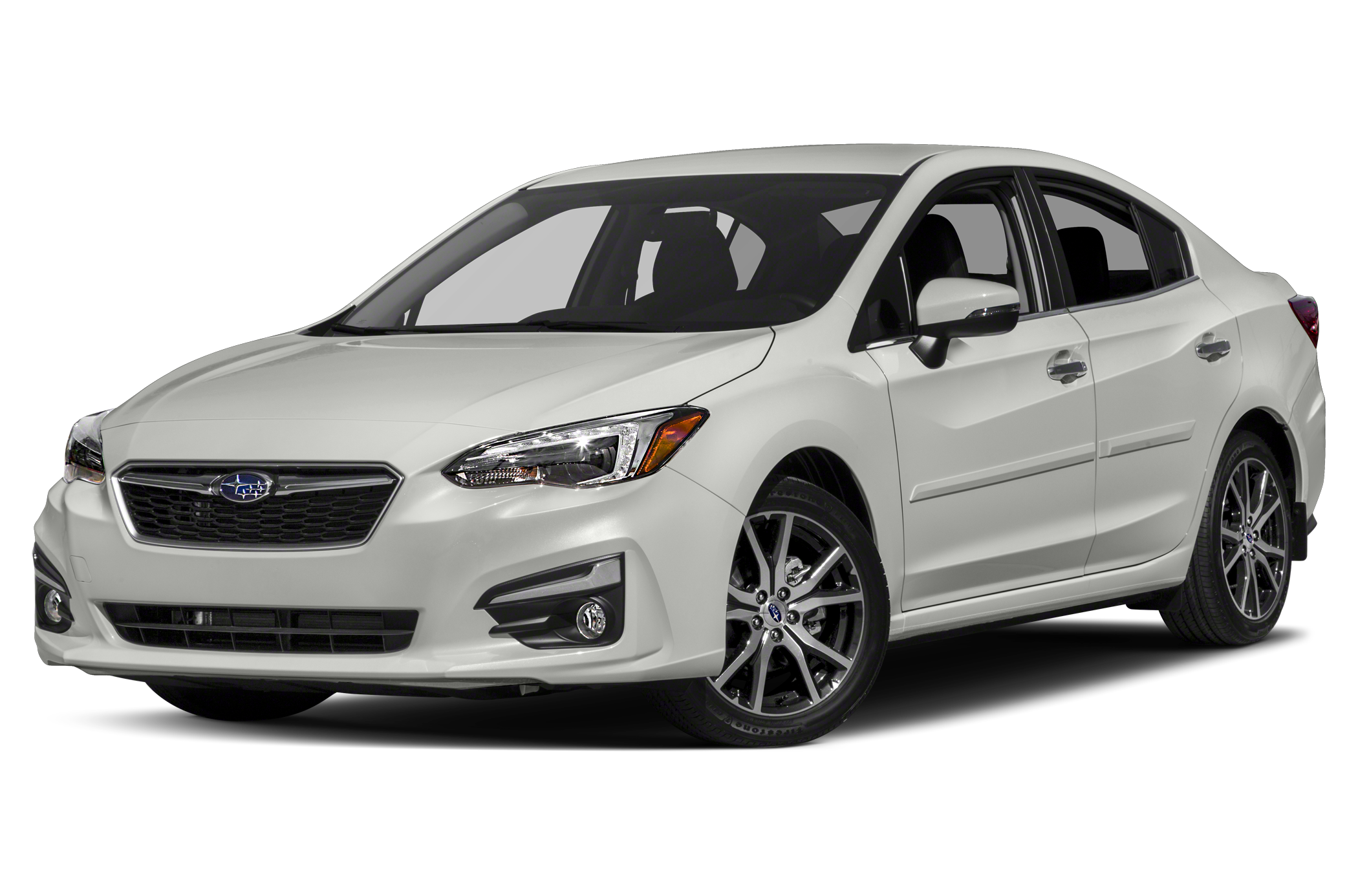
The 2017 Subaru lineup offers varying horsepower outputs depending on the model and engine configuration, ranging from 152 horsepower in base compacts like the Impreza to 305 horsepower in high-performance variants like the WRX STI. Engine options include 2.0-liter, 2.5-liter, and 3.6-liter boxer configurations, paired with either manual transmissions or Lineartronic continuously variable transmissions.
Introduction to the 2017 Subaru Powertrain Lineup
Evaluating the horsepower of a 2017 Subaru vehicle requires looking across a diverse portfolio of sedans, hatchbacks, and crossovers. Subaru’s signature engineering identity relies heavily on the horizontally opposed "boxer" engine layout, which keeps the center of gravity low to enhance handling and symmetrical all-wheel-drive performance.
For the 2017 model year, power outputs spanned a wide spectrum. Economy-focused commuters like the Impreza and Crosstrek offered modest, efficient output, while dedicated performance platforms like the WRX and WRX STI delivered turbocharged thrills. Mid-size entries like the Outback and Legacy offered a balance of everyday drivability with larger four-cylinder and six-cylinder options. Understanding these differences helps buyers, enthusiasts, and mechanics accurately identify specific performance specifications.
Compact and Entry-Level Models: Impreza and Crosstrek
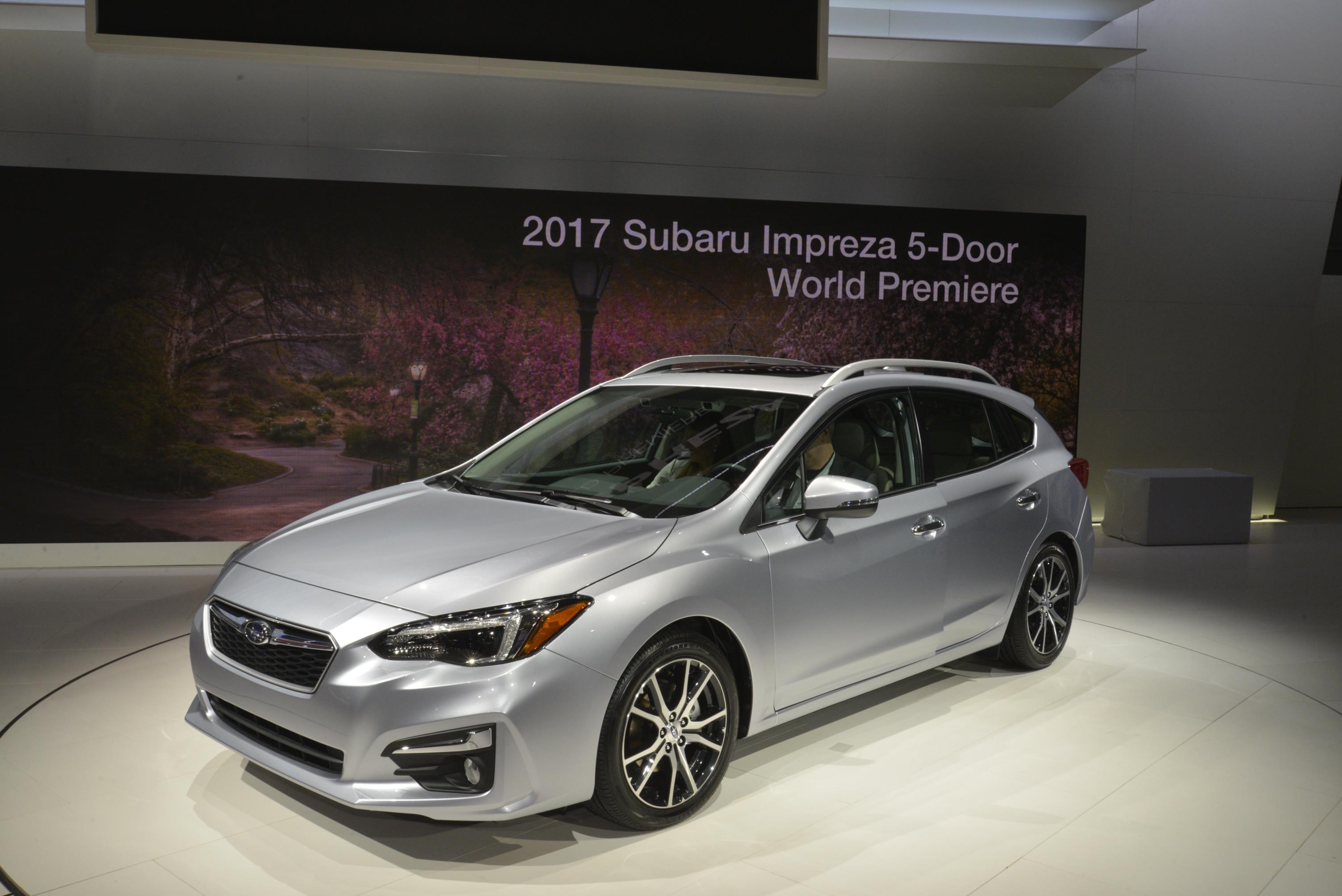
The 2017 Subaru Impreza
The 2017 model year marked the introduction of the fifth-generation Subaru Impreza, built on the new Subaru Global Platform. This redesign brought an updated engine to the compact class.
- Engine: 2.0-liter naturally aspirated DOHC 4-cylinder boxer engine.
- Horsepower: 152 hp at 6,000 RPM.
- Torque: 145 lb-ft at 4,000 RPM.
- Transmissions: 5-speed manual (base/premium trims) or Lineartronic CVT (Continuously Variable Transmission) with manual mode paddle shifters.
While 152 horsepower does not make the Impreza a straight-line performer, the updated direct-injection fuel system improved responsiveness over previous generations while maintaining strong fuel economy ratings.
The 2017 Subaru Crosstrek
Carrying over the platform of the previous generation for its final year before a redesign, the 2017 Crosstrek served as a rugged, raised hatchback alternative to the standard Impreza wagon.
- Engine: 2.0-liter naturally aspirated DOHC 4-cylinder boxer engine.
- Horsepower: 148 hp at 6,200 RPM.
- Torque: 145 lb-ft at 4,200 RPM.
- Transmissions: 5-speed manual or Lineartronic CVT.
Despite sharing a similar displacement with the Impreza, the 2017 Crosstrek engine was tuned slightly differently, producing its peak horsepower at a marginally higher RPM. A hybrid variant was also available in limited markets, pairing the 2.0-liter engine with an electric motor for a net output of 160 horsepower.
Mid-Size and Family Vehicles: Legacy and Outback
The 2017 Subaru Legacy
The mid-size Legacy sedan offered buyers a choice between an efficient four-cylinder engine and a smooth, powerful six-cylinder engine.
- 2.5i Models: Equipped with a 2.5-liter naturally aspirated 4-cylinder engine producing 175 horsepower at 5,800 RPM and 174 lb-ft of torque at 4,000 RPM.
- 3.6R Models: Equipped with a 3.6-liter naturally aspirated 6-cylinder engine producing 256 horsepower at 6,000 RPM and 247 lb-ft of torque at 4,400 RPM.
- Transmission: Lineartronic CVT standard across all Legacy trims.
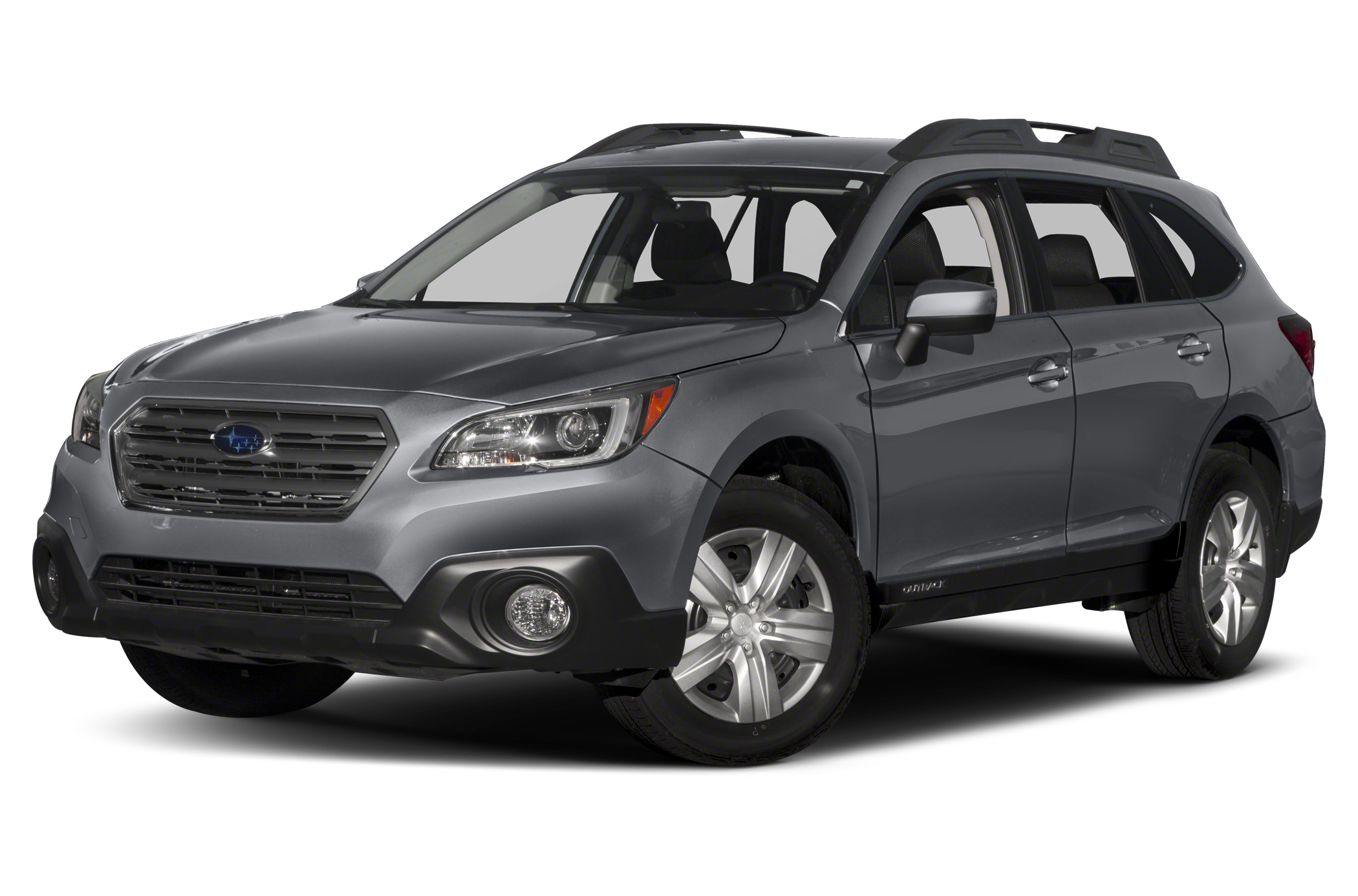
The 2017 Subaru Outback
As a crossover utility vehicle sharing a platform and powertrain options with the Legacy, the Outback catered to drivers needing towing capacity and cargo capability.
- 2.5i Models: Powered by the 2.5-liter 4-cylinder engine generating 175 horsepower and 174 lb-ft of torque.
- 3.6R Models: Powered by the 3.6-liter 6-cylinder engine generating 256 horsepower and 247 lb-ft of torque.
- Transmission: Lineartronic CVT with manual mode.
The flat-6 3.6-liter engine in both the Legacy and Outback provides smooth linear acceleration, making it the preferred choice for owners regularly towing light trailers or driving through mountainous terrain.
SUV and Crossover Lineup: Forester
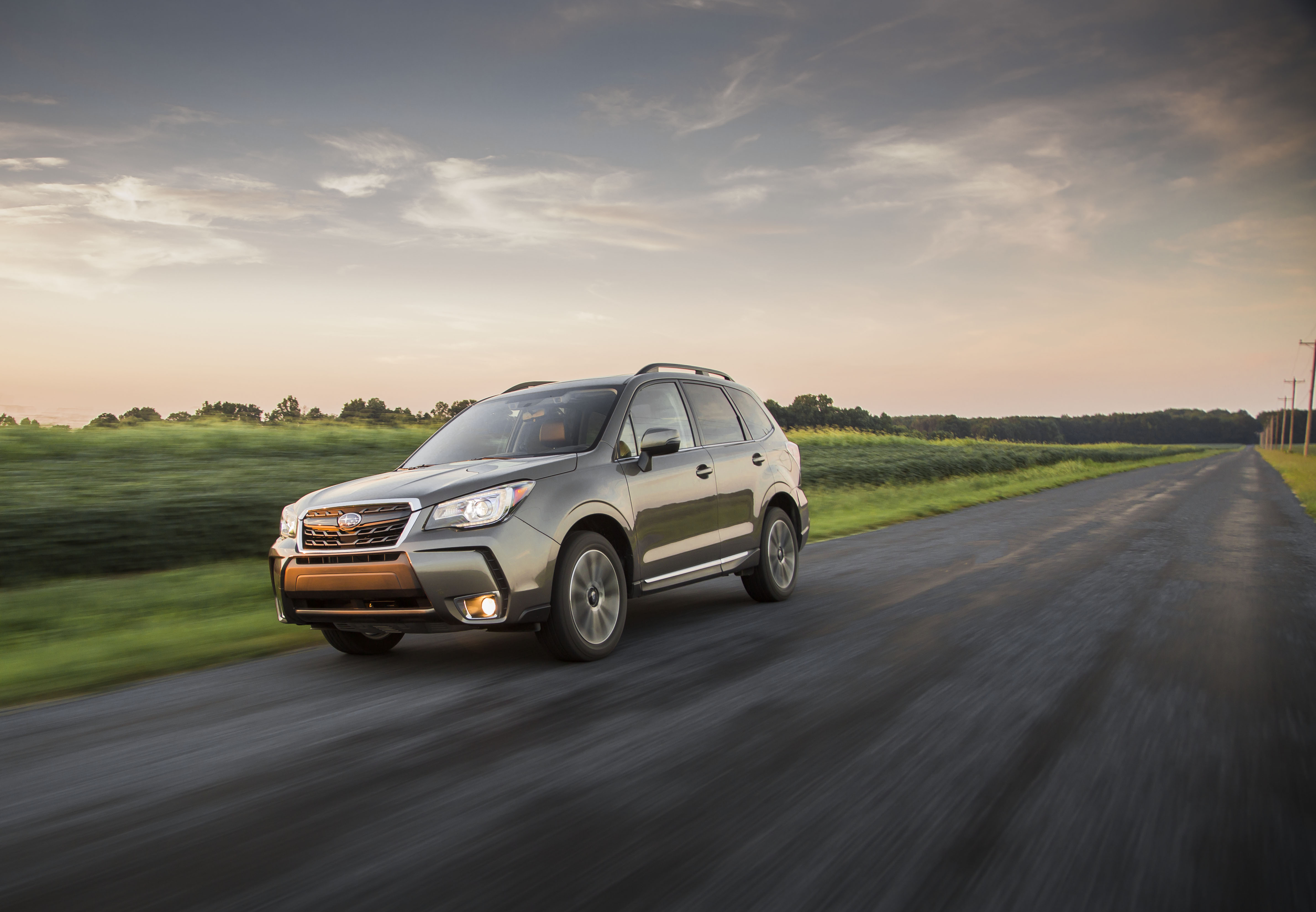
The Subaru Forester remained one of the brand's top-selling compact SUVs in 2017, offering two distinct engine options depending on the trim level.
- 2.5i Trims (Base, Premium, Limited, Touring): Powered by a 2.5-liter naturally aspirated 4-cylinder engine rated at 170 horsepower at 5,800 RPM and 174 lb-ft of torque at 4,100 RPM.
- 2.0XT Trims (Touring): Powered by a 2.0-liter turbocharged direct-injection 4-cylinder engine rated at 250 horsepower at 5,600 RPM and 258 lb-ft of torque spanning 2,000 to 4,800 RPM.
- Transmissions: 6-speed manual (available only on 2.5i base and premium) or Lineartronic CVT (standard on 2.0XT and optional/standard on other trims).
The 2.0XT turbocharged engine transformed the family-oriented Forester into a quick performer, cutting the 0-60 mph time significantly compared to the standard naturally aspirated 2.5i variant.
High-Performance Models: WRX and WRX STI
For driving enthusiasts, the 2017 Subaru performance division offered two dedicated sports sedans built for speed, handling, and rally-inspired driving dynamics.
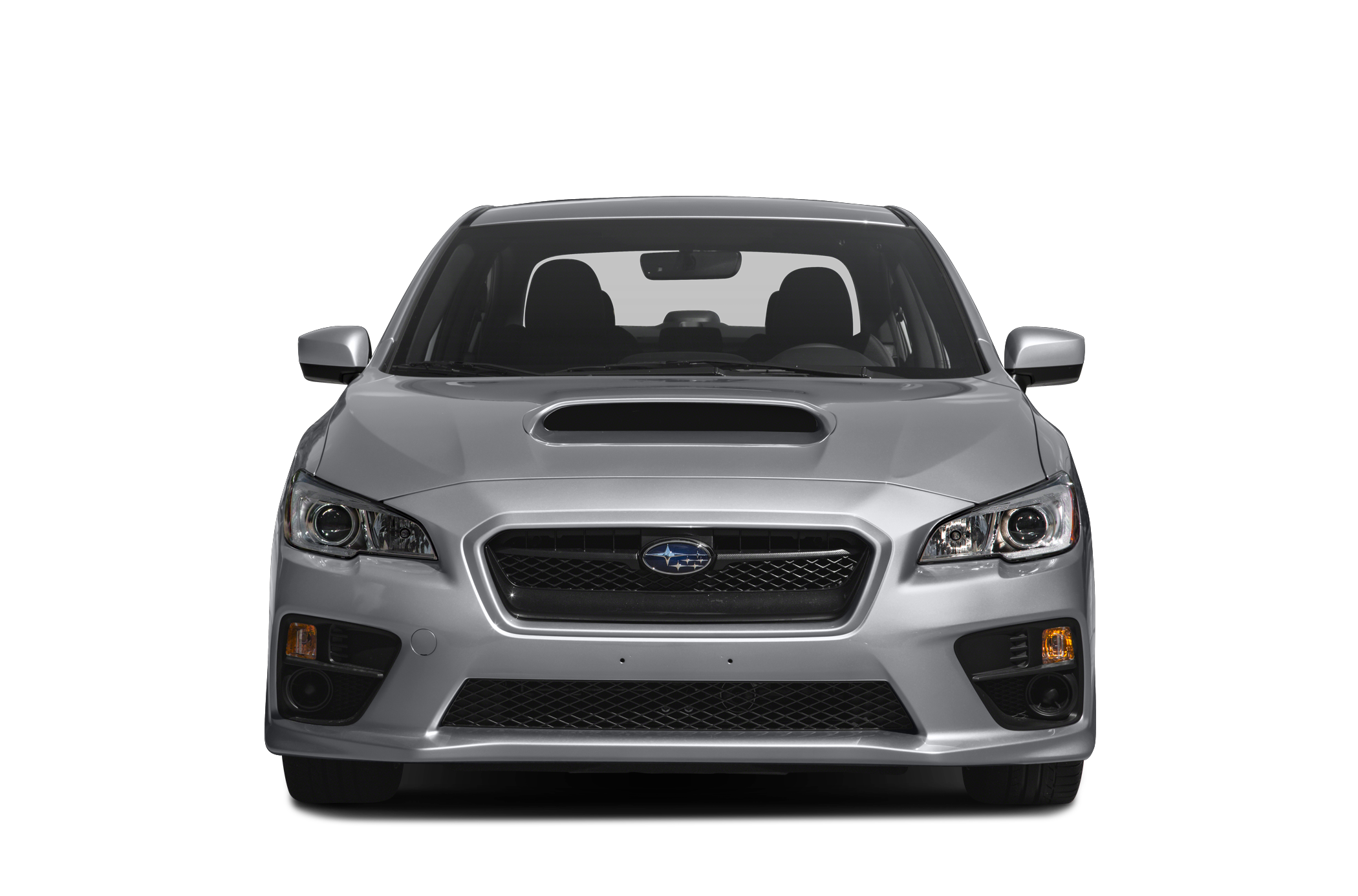
The 2017 Subaru WRX
The standard WRX moved away from the traditional Impreza branding, functioning as a standalone performance model.
- Engine: 2.0-liter turbocharged and intercooled boxer 4-cylinder (FA20F).
- Horsepower: 268 hp at 5,600 RPM.
- Torque: 258 lb-ft at 2,000–5,200 RPM.
- Transmissions: 6-speed manual or Sport Lineartronic CVT with manual shift modes.
The 2017 Subaru WRX STI
Sitting at the apex of Subaru horsepower and performance, the WRX STI retained the legacy EJ-series engine architecture rather than adopting the newer FA engine found in the standard WRX.
- Engine: 2.5-liter turbocharged and intercooled high-output boxer 4-cylinder (EJ257).
- Horsepower: 305 hp at 6,000 RPM.
- Torque: 290 lb-ft at 4,000 RPM.
- Transmission: Exclusive 6-speed close-ratio manual transmission.
The WRX STI also featured a Driver Controlled Center Differential (DCCD), multi-mode vehicle dynamics control, and massive Brembo performance brakes to manage its 305-horsepower output effectively.
Comparative Specifications Table
| Model | Engine Type | Displacement | Horsepower (hp) | Torque (lb-ft) | Transmission Options |
|---|---|---|---|---|---|
| Impreza | Naturally Aspirated Boxer-4 | 2.0 L | 152 @ 6,000 RPM | 145 @ 4,000 RPM | 5-Speed Manual / CVT |
| Crosstrek | Naturally Aspirated Boxer-4 | 2.0 L | 148 @ 6,200 RPM | 145 @ 4,200 RPM | 5-Speed Manual / CVT |
| Legacy / Outback (2.5i) | Naturally Aspirated Boxer-4 | 2.5 L | 170–175 | 174 | Manual / CVT |
| Forester (2.5i) | Naturally Aspirated Boxer-4 | 2.5 L | 170 @ 5,800 RPM | 174 @ 4,100 RPM | 6-Speed Manual / CVT |
| Legacy / Outback (3.6R) | Naturally Aspirated Boxer-6 | 3.6 L | 256 @ 6,000 RPM | 247 @ 4,400 RPM | CVT |
| Forester (2.0XT) | Turbocharged Boxer-4 | 2.0 L | 250 @ 5,600 RPM | 258 @ 2,000 RPM | High-Torque CVT |
| WRX | Turbocharged Boxer-4 | 2.0 L | 268 @ 5,600 RPM | 258 @ 2,000 RPM | 6-Speed Manual / CVT |
| WRX STI | Turbocharged Boxer-4 | 2.5 L | 305 @ 6,000 RPM | 290 @ 4,000 RPM | 6-Speed Manual |
Factors Influencing Real-World Performance
Factory horsepower ratings provide a baseline measurement, but several real-world factors influence how a 2017 Subaru performs on the road:
- Drivetrain Loss: Because all 2017 Subaru models (excluding select international market variants) utilize standard Symmetrical All-Wheel Drive, parasitic drivetrain loss is typically higher than in front-wheel-drive competitors. This means slightly less power reaches the pavement compared to front-wheel-drive cars with identical engine ratings.
- Altitude and Air Density: Naturally aspirated models like the 2.5i Impreza and Outback lose efficiency at higher elevations due to reduced oxygen density. Turbocharged models (WRX, WRX STI, Forester 2.0XT) automatically compensate for altitude by adjusting turbo boost pressure, maintaining more consistent power delivery in mountainous regions.
- Fuel Quality: High-performance models like the WRX and WRX STI explicitly require premium unleaded fuel (93 octane recommended in most regions) to achieve their rated horsepower safely. Running lower octane fuel can lead to engine knock, prompting the ECU to retard ignition timing and reduce power output.
Frequently Asked Questions
Which 2017 Subaru model has the most horsepower?
The 2017 Subaru WRX STI holds the highest horsepower rating in the lineup at 305 horsepower, generated by its 2.5-liter turbocharged EJ257 boxer engine. It is paired exclusively with a 6-speed manual transmission.
How much horsepower does a standard 2017 Subaru Outback have?
The standard 2017 Subaru Outback 2.5i models produce 175 horsepower. For buyers looking for more power, the Outback 3.6R variant increases output to 256 horsepower using a six-cylinder engine.
Do all 2017 Subarus come with all-wheel drive?
Yes, every vehicle in the 2017 Subaru lineup features Symmetrical All-Wheel Drive as standard equipment, which distributes power to all four wheels continuously to optimize traction across varying weather and road conditions.
Is the 2017 Subaru WRX engine the same as the WRX STI?
No. The standard 2017 WRX uses a 2.0-liter direct-injection turbocharged engine (FA20F) producing 268 horsepower, whereas the WRX STI uses a larger, port-injection 2.5-liter turbocharged engine (EJ257) producing 305 horsepower.
How can I verify the exact engine specifications of my 2017 Subaru?
You can verify your specific vehicle's engine and horsepower rating by checking the Vehicle Identification Number (VIN) decoder, reviewing the emissions and specifications label affixed inside the driver-side door jamb, or consulting the official Subaru owner's manual for your exact trim level.
Next Actions and Practical Recommendations
When researching, purchasing, or maintaining a 2017 Subaru, verify the exact trim level and engine code, as horsepower ratings vary significantly between naturally aspirated and turbocharged models. If you are shopping for a used vehicle, request a complete service history to confirm that previous owners adhered to recommended spark plug replacement intervals, oil changes, and premium fuel requirements—especially on turbocharged variants like the WRX and Forester 2.0XT.