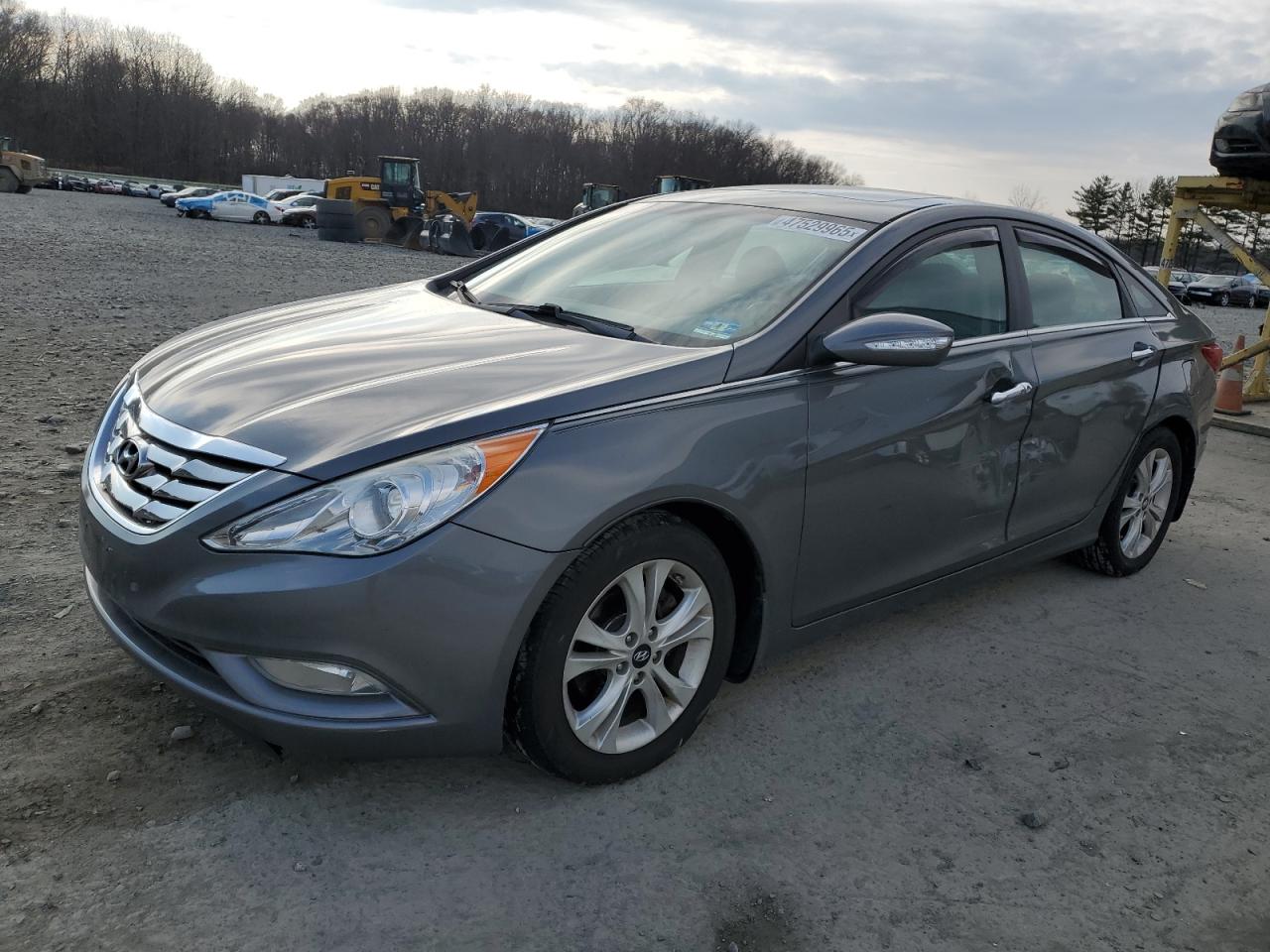
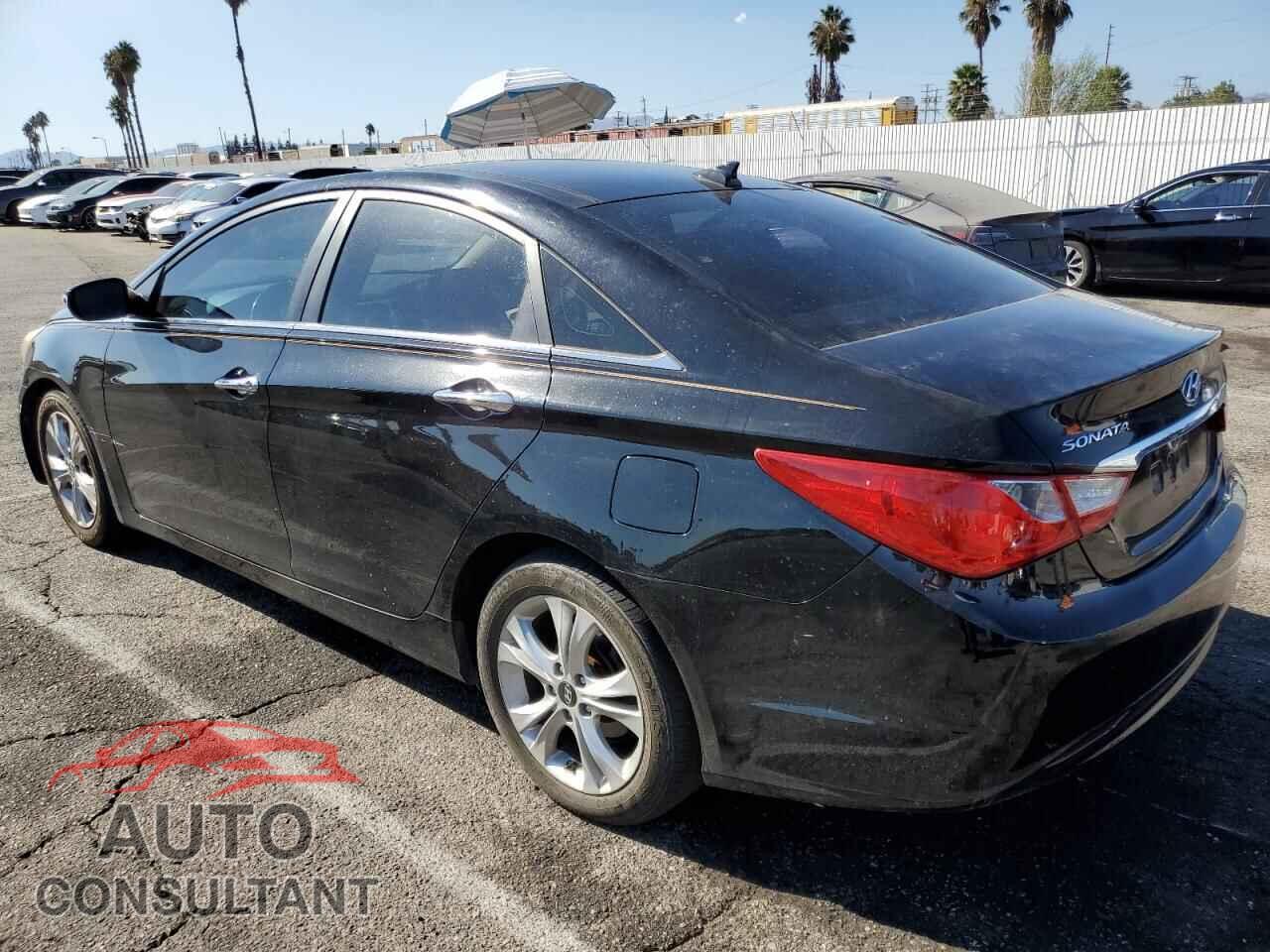
The 2013 Hyundai Sonata SE is a sport-oriented midsize sedan featuring a 2.4-liter Gasoline Direct Injection (GDI) inline-four engine producing 200 horsepower or an optional 2.0-liter turbocharged engine with 274 horsepower. Key specifications include a sport-tuned suspension, 18-inch alloy wheels, a six-speed automatic transmission with paddle shifters, and an EPA-estimated 24 city/35 highway MPG for the naturally aspirated model.
Introduction to the YF Generation Sport Trim
As of 2026, the 2013 Hyundai Sonata remains a significant marker in the evolution of the South Korean manufacturer’s presence in the North American market. Belonging to the sixth generation (internal code YF), this model year represents the refinement of the "Fluidic Sculpture" design language that debuted in 2011. Within the 2013 lineup, the SE (Sport Edition) trim served as the middle ground between the entry-level GLS and the luxury-focused Limited.
The SE was engineered specifically for drivers seeking a more engaging experience without transitioning to a dedicated sports coupe. It achieved this through a combination of powertrain optimization, chassis stiffening, and trim-specific aesthetic enhancements. Understanding the technical specifications of this vehicle requires looking beyond the brochure numbers and into the mechanical architecture that defines its performance and longevity.
Powertrain and Engine Performance
The 2013 Sonata SE offered two distinct engine configurations, both utilizing Hyundai’s Theta II engine family. Unlike many competitors in 2013 that still relied on larger V6 engines, Hyundai committed to a high-efficiency four-cylinder lineup.
2.4L Theta II GDI Engine
The standard engine for the SE trim was the 2.4-liter GDI four-cylinder. The implementation of Gasoline Direct Injection allowed for higher compression ratios and more precise fuel delivery. In the SE trim, this engine was paired with a dual-exhaust system, which reduced backpressure and allowed for a slight power bump over the GLS trim.
- Horsepower: 200 hp @ 6,300 RPM
- Torque: 186 lb-ft @ 4,250 RPM
- Valvetrain: DOHC 16-valve with Dual Continuously Variable Valve Timing (D-CVVT)
- Compression Ratio: 11.3:1
2.0L Turbocharged GDI Engine
For those seeking performance comparable to a V6, the SE could be equipped with a 2.0-liter twin-scroll turbocharged engine. This powerplant utilized a stainless steel exhaust manifold and a unique turbocharger design integrated into the cylinder head to reduce weight and heat.
- Horsepower: 274 hp @ 6,000 RPM
- Torque: 269 lb-ft @ 1,750 – 4,500 RPM
- Induction: Twin-scroll turbocharger and intercooler
- Compression Ratio: 9.5:1
Transmission and Drivetrain
Both engines were mated to a six-speed electronic automatic transmission with Shiftronic manual control. A defining feature of the 2013 SE trim was the inclusion of steering-wheel-mounted paddle shifters, a component not found on the GLS or the standard Limited trims. The drivetrain remained strictly front-wheel drive (FWD), utilizing an open differential and electronic traction control to manage power delivery.
Sport-Tuned Chassis and Handling Dynamics
The primary differentiator for the SE trim was its chassis. While the GLS and Limited were tuned for "compliancy" and "luxury," the SE was tuned for "flatness" and "feedback."
Suspension Geometry
The 2013 Sonata SE utilized a MacPherson strut front suspension and a multi-link rear suspension. However, the SE components were specific to the trim:
- Spring Rates: The SE featured higher spring rates (stiffer springs) to reduce body roll during cornering.
- Dampers: The shock absorbers were sport-tuned with higher valving rates to provide quicker rebound and compression, though this resulted in a firmer ride over potholes and uneven pavement.
- Stabilizer Bars: The SE utilized a 24mm front stabilizer bar and a 17mm rear stabilizer bar, which were thicker than those found on the GLS, further reducing lateral lean.
Steering and Braking
The steering system in the 2013 SE was a motor-driven power steering (MDPS) rack-and-pinion setup. In the SE, the steering ratio was calibrated for a heavier feel and more direct response compared to the lighter, more assisted feel of the other trims.
The braking system consisted of four-wheel disc brakes with a standard Anti-lock Braking System (ABS).
- Front Rotors: 11.8-inch ventilated discs (upgraded to 12.6-inch on the 2.0T model).
- Rear Rotors: 11.2-inch solid discs.
- Brake Assist: Electronic Brake-force Distribution (EBD) was standard, optimizing pressure between the front and rear axles based on vehicle load.
Exterior and Aerodynamic Specifications
The 2013 Sonata SE had a drag coefficient (Cd) of just 0.28, which remains competitive even by 2026 standards. This aerodynamic efficiency contributed significantly to its highway fuel economy.
Trim-Specific Features
The SE is easily identified by several exterior upgrades:
- Wheels: 18-inch Hyper Silver alloy wheels.
- Tires: P225/45R18 V-rated performance tires (standard).
- Grille: A dark chrome front grille unique to the SE and Limited.
- Exhaust: Chrome-tipped dual exhaust outlets.
- Lighting: Automatic headlight control and integrated fog lights.
Dimensions
| Metric | Specification |
|---|---|
| Wheelbase | 110.0 inches |
| Length | 189.8 inches |
| Width | 72.2 inches |
| Height | 57.9 inches |
| Ground Clearance | 5.5 inches |
| Curb Weight (2.4L) | 3,316 lbs |
| Curb Weight (2.0T) | 3,452 lbs |
Interior Amenities and Technology
The interior of the 2013 SE was designed to reflect its "sport" nomenclature. The most notable change from other trims was the seat upholstery. The SE featured unique cloth seats with leather bolsters, providing the grip of fabric with the premium look and durability of leather.
Comfort and Convenience
In the 2013 model year, Hyundai made several previous options standard for the SE. This included:
- Heated Front Seats: Standardized for the SE in 2013.
- Proximity Key: Push-button start became a standard feature for the SE trim.
- Climate Control: Manual air conditioning was standard, though a dual-zone automatic system was available via the Navigation Package.
- Cargo Space: The trunk provided 16.4 cubic feet of volume, one of the largest in its class at the time, with 60/40 split-folding rear seats.
Telematics and Infotainment
The 2013 model featured Hyundai’s Blue Link telematics system. This provided emergency assistance, remote start, and vehicle diagnostics. The standard audio system was a 172-watt AM/FM/SiriusXM/CD/MP3 player with six speakers.
The optional Navigation Package for the SE added:
- 7-inch touchscreen display.
- Integrated backup camera.
- Premium Dimension or Infinity speakers.
- Dual-zone automatic temperature control.
Safety Ratings and Equipment
Safety was a core pillar for the YF Sonata. The 2013 model received high marks from both the NHTSA and the IIHS.
Standard Safety Technology
- Six Airbags: Advanced dual front airbags, front seat-mounted side-impact airbags, and side-curtain airbags for both rows.
- Electronic Stability Control (ESC): Paired with Traction Control (TCS) to prevent skidding.
- Vehicle Stability Management (VSM): This system coordinated the ESC and the power steering to help the driver maintain control in "split-mu" (uneven friction) braking or rapid lane-change situations.
- TPMS: A Tire Pressure Monitoring System that alerted drivers to significant drops in PSI in individual tires.
Fuel Economy and Efficiency
Despite the "Sport" tuning, the 2013 Sonata SE remained an efficient commuter vehicle. The GDI technology and the six-speed transmission worked in tandem to maximize range.
- 2.4L GDI: 24 MPG City / 35 MPG Highway / 28 MPG Combined.
- 2.0T GDI: 22 MPG City / 34 MPG Highway / 26 MPG Combined.
- Fuel Tank Capacity: 18.5 gallons, allowing for a theoretical highway range of over 600 miles.
Comparison of 2013 Sonata SE Engine Options
| Feature | 2.4L GDI (Standard) | 2.0T GDI (Turbo) |
|---|---|---|
| Displacement | 2,359 cc | 1,998 cc |
| Aspiration | Naturally Aspirated | Twin-Scroll Turbocharged |
| Fuel Requirement | 87 Octane (Regular) | 87 Octane (Regular) |
| Brake Rotor Diameter (Front) | 11.8 inches | 12.6 inches |
| Standard Wheels | 18-inch Alloy | 18-inch Alloy |
| Paddle Shifters | Standard | Standard |
| Exhaust Configuration | Dual Chrome Tips | Dual Chrome Tips |
Maintenance Considerations and Common Issues
For owners or buyers looking at this vehicle in 2026, certain technical maintenance items are critical.
The Theta II Engine Recall
One of the most significant technical footnotes for the 2013 Sonata (including the SE trim) is the Theta II engine recall. Issues regarding metallic debris left in the crankshaft oil passages during manufacturing led to premature rod bearing wear. Hyundai issued extensive recalls and eventually provided a lifetime warranty extension on the short block for qualifying owners who had the Knock Sensor Detection System (KSDS) software update performed.
Steering Coupler
A common mechanical failure in the 2013 model year is the flexible steering column coupler. This small rubber part inside the MDPS motor can wear out, leading to a "clicking" or "clunking" sound when turning the steering wheel. This is a labor-intensive but relatively inexpensive part to replace.
GDI Carbon Buildup
As a direct-injection engine, the 2013 Sonata SE does not have fuel washing over the intake valves. Over time, carbon deposits can accumulate on the valves, potentially causing rough idles or decreased fuel economy. Periodic intake tract cleaning is a recommended maintenance item for these specific GDI engines.
Frequently Asked Questions
Does the 2013 Hyundai Sonata SE have a timing belt or a timing chain?
The 2013 Hyundai Sonata SE uses a timing chain for both the 2.4L and 2.0T engines. Unlike timing belts, timing chains are designed to last the lifetime of the engine and do not require periodic replacement, provided that oil changes are performed regularly to maintain the chain tensioner's hydraulic pressure.
What is the difference between the 2013 Sonata SE and the Limited trim?
The SE is the "sport" trim, featuring 18-inch wheels, a stiffer sport-tuned suspension, and paddle shifters. The Limited is the "luxury" trim, which features a softer suspension, 17-inch wheels for better ride quality, full leather seating, a sunroof (standard), and a premium audio system. While the Limited was more expensive, the SE was designed for a more tactile driving experience.
Can the 2013 Sonata SE 2.0T run on regular 87 octane gasoline?
Yes, Hyundai engineered the 2.0-liter turbocharged GDI engine to run on 87 octane regular unleaded gasoline. While some turbocharged vehicles require premium fuel (91+ octane) to achieve their rated power, the Sonata SE 2.0T produces its full 274 horsepower on regular fuel, making it more cost-effective at the pump.
Was a manual transmission available on the 2013 Sonata SE?
No, for the 2013 model year, the six-speed manual transmission was only available on the base GLS trim. All SE and Limited trims were equipped exclusively with the six-speed Shiftronic automatic transmission. However, the SE trim included steering-wheel paddle shifters to allow for manual gear selection.
Is the 2013 Sonata SE Apple CarPlay or Android Auto compatible?
As a factory unit, the 2013 Sonata SE does not support Apple CarPlay or Android Auto. These technologies were not integrated into Hyundai vehicles until later model years. Owners in 2026 often replace the factory head unit with an aftermarket double-DIN receiver to gain these modern smartphone integration features.
Practical Recommendation
When evaluating a 2013 Hyundai Sonata SE, prioritize vehicles that have documented proof of the Knock Sensor Detection System (KSDS) update. This software is the gateway to the lifetime engine warranty extension provided by Hyundai for the Theta II engine issues. Mechanically, the SE trim offers a distinct advantage in handling over the GLS and Limited, but shoppers should be prepared for a noticeably firmer ride. For the best balance of performance, the 2.0T model is recommended, as it provides significantly more torque for highway merging without a substantial penalty in fuel consumption.