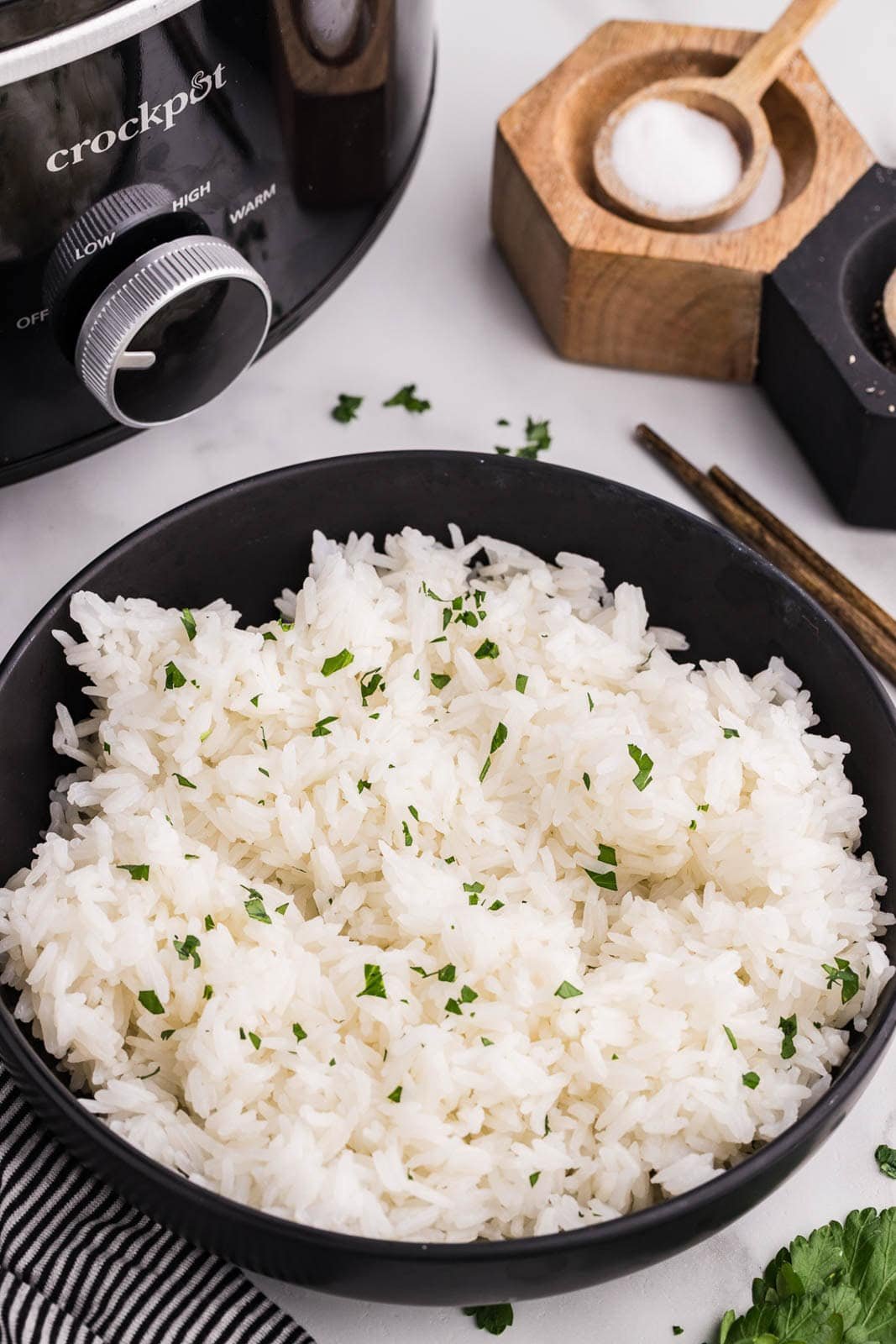
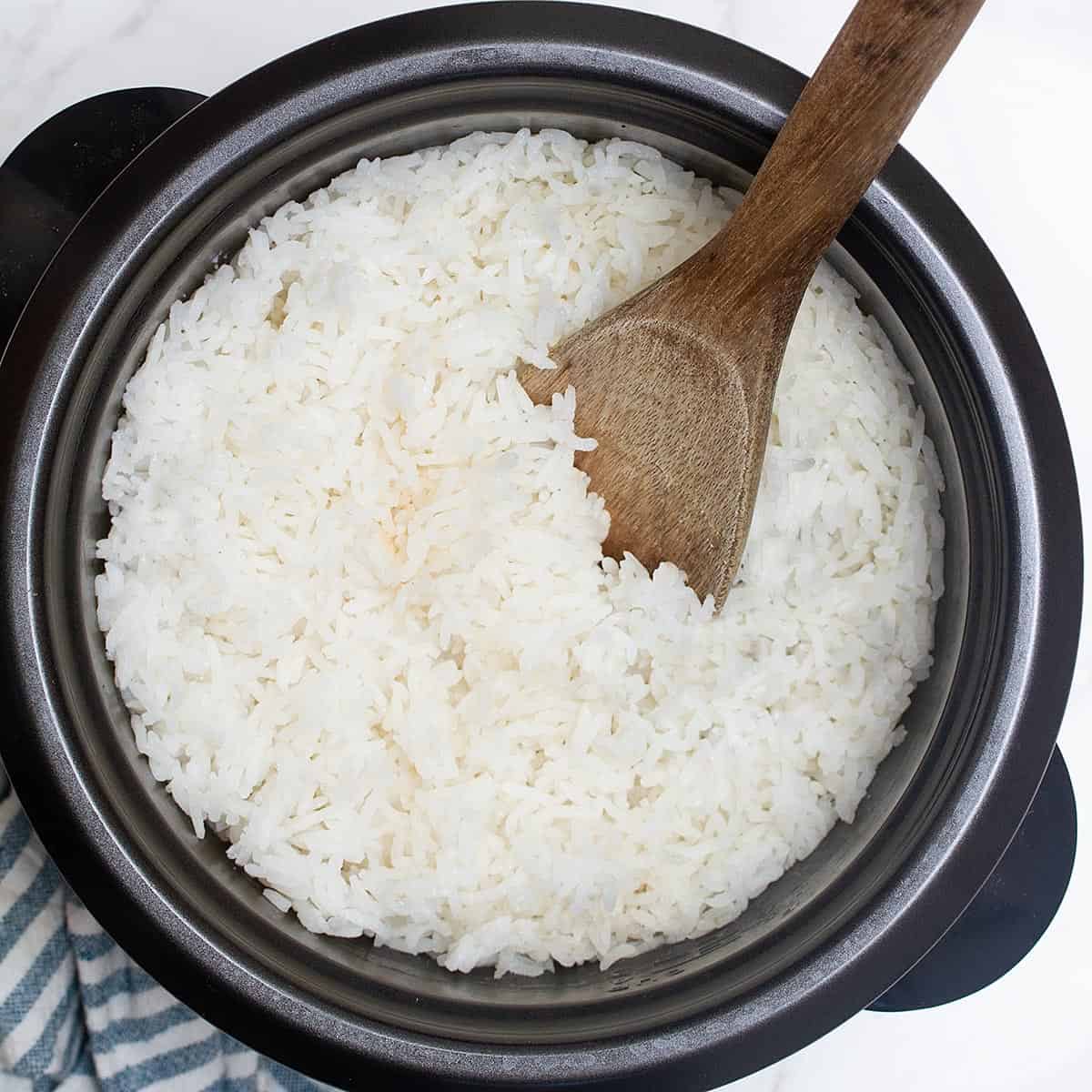
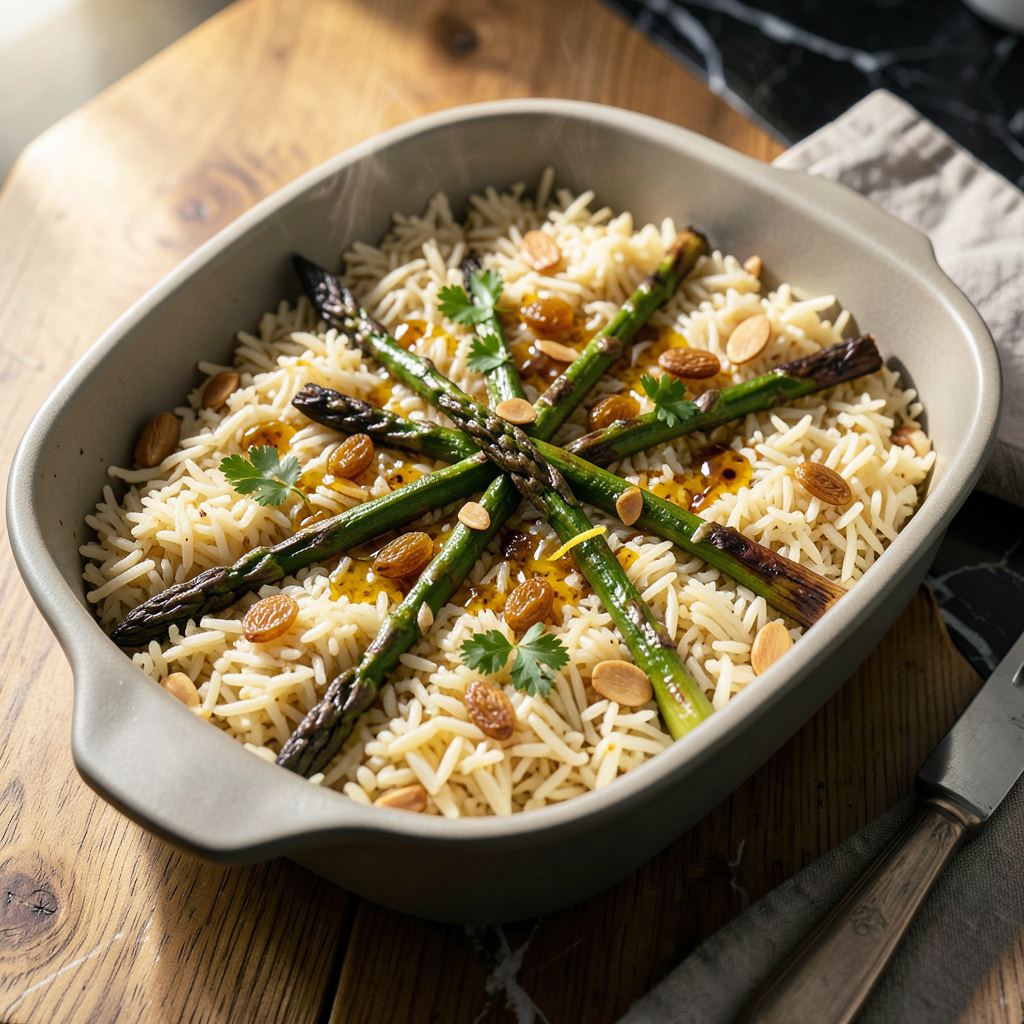
Cooking rice in the oven at 350 degrees Fahrenheit is a reliable, hands-off method that yields fluffy, evenly cooked grains without the constant supervision required by stovetop cooking. However, a standard batch of long-grain white rice actually requires approximately 30 to 40 minutes at 350°F to fully absorb liquid and cook through, meaning a strict 20-minute timer will leave the grains crunchy and undercooked. Achieving success with this culinary technique relies on understanding thermal dynamics, exact liquid ratios, proper vessel selection, and the specific variety of rice being prepared.
Understanding the Oven Rice Method
Baking rice in the oven utilizes steady, omnidirectional heat to cook the grains gently. Unlike a stovetop burner that applies high heat directly to the bottom of a pan, an oven surrounds a heavy-duty vessel with ambient heat. This steady thermal environment allows water and steam to circulate evenly throughout the container.
The primary advantage of this technique is consistency. When cooking on a stovetop, minor variations in burner intensity can cause scorching on the bottom while the top layers remain firm. The oven eliminates this hot-spot problem. However, because an oven relies on heating the air and then transferring that energy through a baking dish and into liquid, it takes longer for the water inside a covered pot to reach a rolling boil and complete the starch gelatinization process compared to direct stovetop boiling.
Why 20 Minutes is a Common Misconception
Many recipes or quick search queries suggest that rice can be cooked in 20 minutes because that is the typical duration for stovetop simmering. On the stovetop, the water is already boiling when the rice is added, and the heat source is concentrated directly beneath the liquid.
When you place a casserole dish filled with cold or warm tap water, raw rice, and butter into a preheated 350°F oven, the physics change entirely. It takes 10 to 15 minutes just for the oven to bring the water within the covered vessel up to a simmering temperature. Consequently, a 20-minute window only accounts for the beginning of the cooking process. Pulling the dish out at that mark will result in hard, ungelatinized starch cores within the grains.
Step-by-Step Guide to Baking Rice at 350 Degrees Fahrenheit
To achieve tender, separate grains of rice using the oven method, you must follow a precise sequence of preparation, liquid measurement, and thermal timing. Rushing any step or using improper equipment can result in uneven textures or scorched edges.
Prerequisites and Equipment
Before turning on the oven, gather the necessary kitchen tools and ingredients. Having the right equipment ensures that heat distributes evenly and moisture does not escape prematurely.
- Baking Vessel: Use a heavy, oven-safe pot with a tight-fitting lid, such as a cast-iron Dutch oven or a heavy ceramic casserole dish. Lightweight aluminum pans will cause uneven heating and hot spots.
- The Lid: A tight seal is mandatory. If your baking dish lacks a secure lid, use a heavy sheet of aluminum foil crimped tightly around the rim before placing any secondary lid on top.
- Rice Variety: Standard long-grain white rice works exceptionally well. Brown rice, jasmine rice, and basmati rice have different moisture requirements and cooking durations.
- Liquid: Boiling water or hot broth accelerates the cooking process, reducing the time the oven spends bringing the liquid to temperature.
Detailed Cooking Instructions
- Preheat the Oven: Set your conventional oven to 350°F (175°C). Ensure the oven rack is positioned in the middle to allow optimal air circulation around the baking dish.
- Rinse the Rice: Measure your desired quantity of long-grain white rice (e.g., 2 cups) and rinse it thoroughly in a fine-mesh strainer under cold water until the water runs clear. This removes excess surface starch that can cause the grains to clump together.
- Combine Ingredients in the Vessel: Place the rinsed rice into your heavy-duty baking dish. Add a pinch of salt, a tablespoon of butter or oil to prevent sticking, and the correct proportion of boiling liquid. For standard long-grain white rice, use a ratio of 2 cups of liquid to 1 cup of rice.
- Seal the Dish: Cover the baking dish immediately with its heavy lid or a double layer of heavy-duty aluminum foil. A secure seal traps the steam, which is the primary cooking agent for the upper layers of rice.
- Bake: Transfer the covered dish to the preheated oven. Bake undisturbed for 30 to 35 minutes for standard white rice. Do not open the oven door or lift the lid during this period, as escaping steam will disrupt the cooking equilibrium.
- Rest and Fluff: Carefully remove the dish from the oven using insulated oven mitts. Leave the lid on and let the rice rest on a heat-proof surface for 5 to 10 minutes. This resting phase allows residual moisture to redistribute evenly through the grains. Remove the lid, fluff gently with a fork, and serve.
Rice Varieties and Their Oven Cooking Times
Different rice cultivars possess unique starch compositions, grain structures, and moisture absorption rates. Applying a blanket 30-minute rule to all varieties will lead to culinary failure. The table below outlines the specific requirements, liquid ratios, and baking times for popular rice types at 350°F.
| Rice Variety | Liquid-to-Rice Ratio | Oven Temperature | Baking Time at 350°F | Post-Bake Rest Time |
|---|---|---|---|---|
| Long-Grain White Rice | 2:1 | 350°F | 30–35 minutes | 5–10 minutes |
| Basmati Rice | 1.75:1 | 350°F | 25–30 minutes | 5 minutes |
| Jasmine Rice | 1.5:1 | 350°F | 25–30 minutes | 5 minutes |
| Brown Rice (Medium/Long) | 2.25:1 to 2.5:1 | 350°F | 60–75 minutes | 10 minutes |
| Wild Rice Blend | 3:1 | 350°F | 60–75 minutes | 10 minutes |
Common Mistakes and Troubleshooting
Even with clear instructions, home cooks sometimes encounter texture issues when transitioning from stovetop methods to the oven. Identifying the root cause of these issues helps refine the technique for future batches.
Crunchy or Undercooked Rice
If your finished rice contains hard, chalky centers, the primary cause is insufficient cooking time, a loose lid that allowed steam to escape, or an inaccurate oven temperature.
- The Fix: If you discover the rice is undercooked immediately after pulling it from the oven, sprinkle two to three tablespoons of hot water over the surface, reseal the container tightly, and return it to the oven for an additional 10 minutes.
Mushy or Sticky Rice
Rice becomes gummy when too much liquid is added or when the starches are not rinsed off prior to baking. Over-mixing the grains before they have rested can also break down the tender structure of the cooked starch.
- The Fix: Ensure you measure your dry grains and liquid with precise measuring cups rather than eyeballing the proportions. Always rinse white rice until the water runs completely clear to wash away surface starches.
Scorched Bottom Layers
While ovens provide gentle heat, baking rice in a thin glass or metal dish without enough liquid can cause the bottom layer to burn before the steam cooks the top.
- The Fix: Always use a heavy-bottomed Dutch oven or a thick ceramic baking dish. If your recipe calls for added fats like butter, stir them into the hot liquid before covering the pot to ensure uniform coating.
Frequently Asked Questions
Can I use cold water instead of boiling water when starting?
Yes, you can use cold tap water, but it will extend the total baking time by approximately 10 to 15 minutes because the oven must work longer to bring the entire mass up to a simmer. Using pre-boiled water or hot broth accelerates the process and yields more consistent texture.
Why is my foil-covered baking dish leaking steam?
If steam escapes from the edges of your baking dish, the rice may dry out in certain spots, leaving those areas crunchy. To prevent this, use heavy-duty aluminum foil, press it firmly down around the rim of the dish, and fold the edges tightly over the sides before placing a heavy lid or an additional layer of protection on top.
Can I cook brown rice using the same timing as white rice?
No. Brown rice retains its outer bran layer, which acts as a barrier to moisture absorption. While white rice takes roughly 30 to 35 minutes at 350°F, brown rice requires 60 to 75 minutes and a slightly higher liquid ratio to soften completely.
Do I need to stir the rice halfway through the baking time?
No, stirring is unnecessary and counterproductive. Opening the oven and lifting the lid releases valuable steam and heat, which halts the cooking process and can result in unevenly textured grains. Trust the enclosed environment and leave the lid sealed until the timer goes off.
Practical Recommendations for Success
When preparing oven-baked rice, treat the timer as a flexible guideline anchored by visual and textural verification. Always check a small sample from the center of the baking dish before serving to ensure the starches are fully gelatinized. If you are preparing seasoned rice dishes—such as pilafs with onions, garlic, and spices—sauté those aromatics directly in your oven-safe Dutch oven on the stovetop before adding the liquid, rice, and transferring the entire pot straight into the preheated oven for a seamless, one-pot culinary experience.