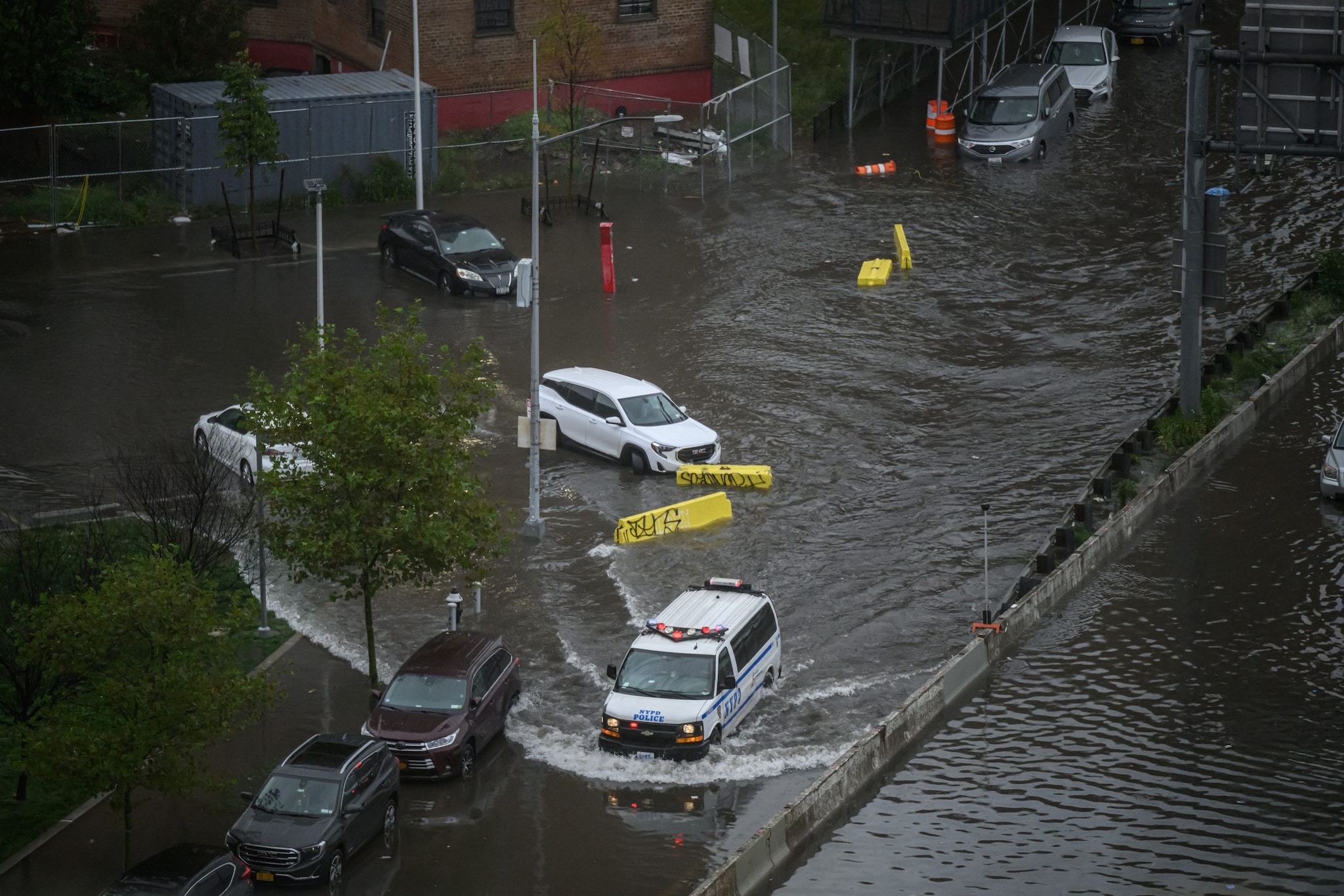
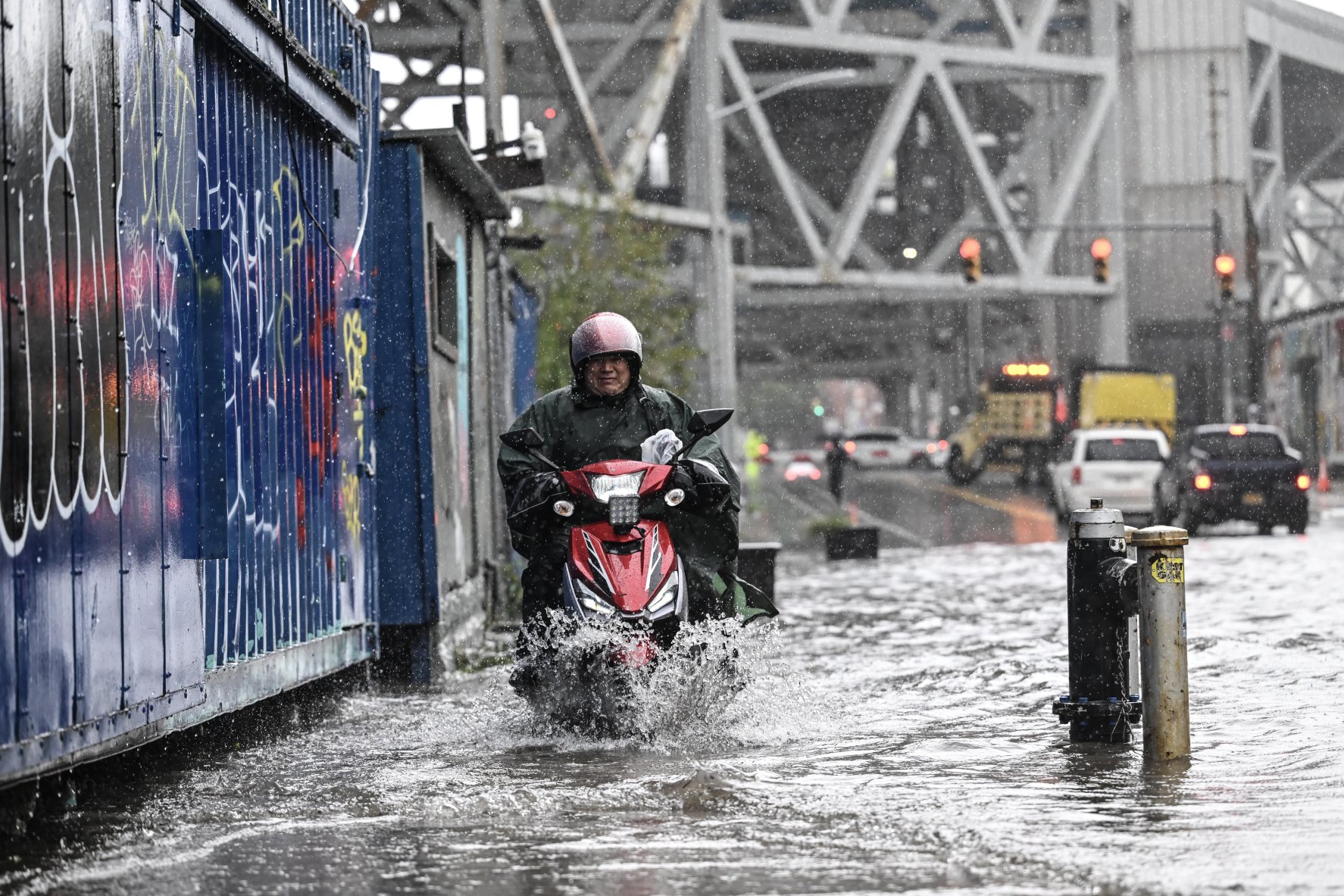
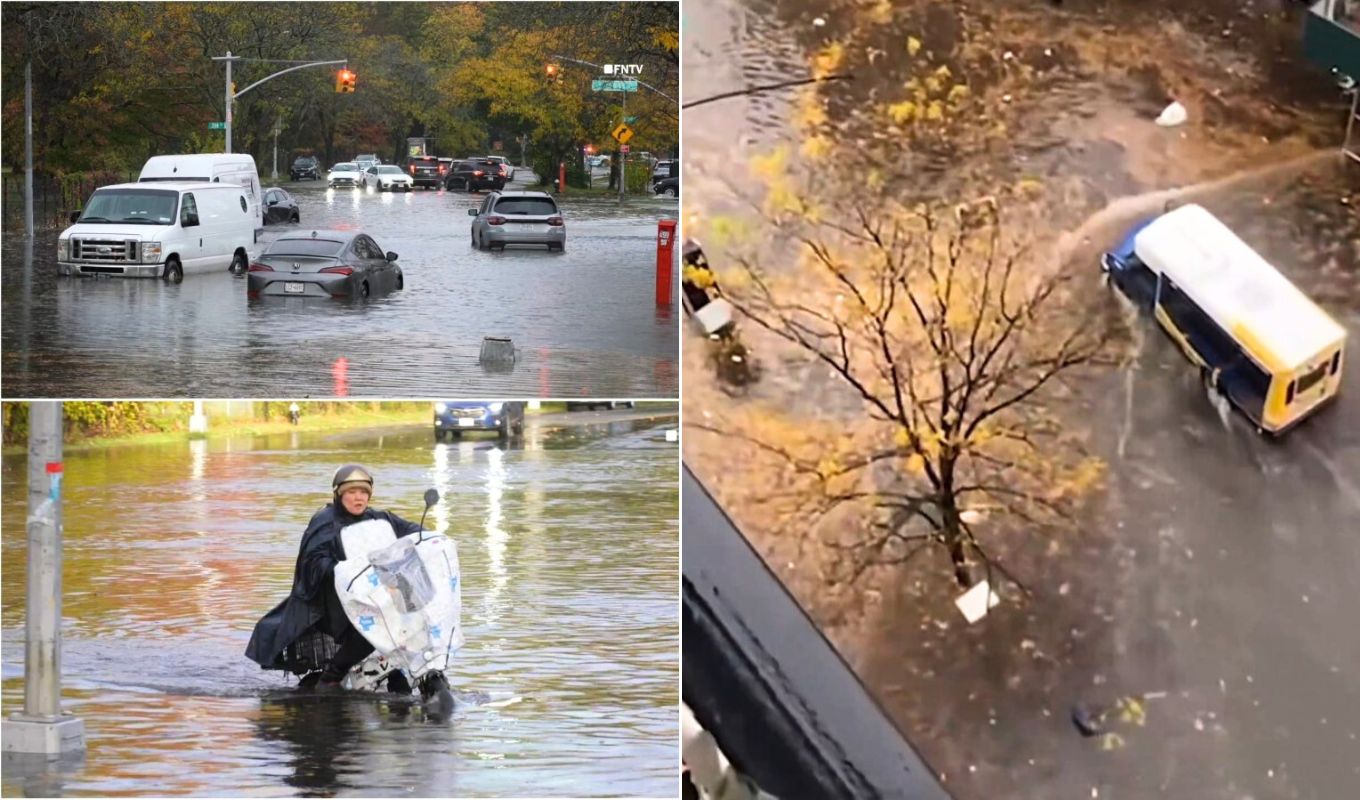
In 2025, a high-intensity weather event dropped 2.09 inches of rain on New York City within a critical ninety-minute window, triggering widespread flash flooding across all five boroughs. This specific accumulation exceeded the city’s drainage capacity—currently rated for approximately 1.75 inches per hour—leading to significant subway disruptions, basement inundations, and a re-evaluation of urban resilience strategies as we move through 2026.
The Meteorology of the 2025 Rainfall Event
To understand why 2.09 inches of rain caused such significant disruption in 2025, one must distinguish between total accumulation and rainfall intensity. While 2.09 inches spread over a twenty-four-hour period is manageable for New York City’s infrastructure, the 2025 event was a "cloudburst"—a sudden, heavy downpour where the majority of that volume fell in under two hours.
Meteorologically, this event was driven by a stalled low-pressure system interacting with high sea-surface temperatures in the Atlantic, which funneled an atmospheric river of moisture directly over the Five Boroughs. The dew points were exceptionally high, providing the fuel for convective cells that remained stationary over the urban heat island. This phenomenon, known as "training," occurs when multiple storm cells pass over the same area in quick succession.
The 2.09-inch measurement became a technical benchmark for the New York City Department of Environmental Protection (DEP). It represented the "tipping point" where the hydraulic pressure within the sewer system reached a state of surcharge. Once the pipes are full, additional runoff has nowhere to go but the streets and low-lying residential spaces.
Infrastructure Breaking Points: The 1.75-Inch Threshold
New York City’s sewer system is a marvel of 19th and 20th-century engineering, but it was not designed for the climate realities of the mid-2020s. Most of the city's 7,500 miles of sewers are "combined," meaning they carry both sanitary sewage and stormwater. These systems are generally designed to handle rainfall intensities of roughly 1.5 to 1.75 inches per hour.
When the 2025 storm delivered 2.09 inches in such a short timeframe, the system hit a volumetric limit. The catch basins—the grated openings at street corners—could not intake water fast enough. Even if the basins were clear of debris, the literal diameter of the underlying pipes was insufficient to move the volume of water toward treatment plants or outfalls.
This resulted in "backflow," where water from the sewers is pushed back into the basements of homes and businesses. In 2026, we are still seeing the tail end of insurance adjustments and infrastructure repairs stemming from this specific surcharge event. The 2025 flooding proved that even "moderate" storms by tropical standards can be "catastrophic" by urban infrastructure standards if the intensity exceeds the 1.75-inch-per-hour design limit.
Borough-Specific Impacts and Vulnerabilities
The 2.09-inch event did not affect all boroughs equally. Topography and the percentage of "impervious surfaces" (concrete and asphalt) played a massive role in where the water pooled.
Queens and the "Bowl" Effect
Queens, particularly neighborhoods like Woodside, Elmhurst, and Flushing, bore the brunt of the 2025 flooding. These areas contain several "basins" where the natural topography sits below the level of surrounding neighborhoods. During the 2025 event, the 2.09 inches of rain converted local streets into fast-moving rivers. The DEP reported that the sheer volume of runoff in Queens overwhelmed the local "Cloudburst Hubs"—specially designed areas meant to hold excess water—indicating that even newer green infrastructure needs further scaling.
Brooklyn’s Combined Sewer Overflows (CSOs)
In Brooklyn, the focus was on the Gowanus and Red Hook sections. Because Brooklyn relies heavily on combined sewers, the 2.09-inch rainfall triggered massive Combined Sewer Overflows (CSOs). This means that a mixture of rainwater and untreated sewage was discharged directly into the Gowanus Canal and New York Harbor to prevent the system from backing up into homes. While this protects some property, the environmental cleanup costs identified in early 2026 have been substantial.
Manhattan’s Subway Interconnectivity
In Manhattan, the primary concern was the transit system. The island’s high concentration of skyscrapers means that 2.09 inches of rain generates millions of gallons of runoff from rooftops directly onto the sidewalks and into the subway grates. During the 2025 event, several key stations on the West Side saw water cascading down stairwells, despite the installation of "Flex-Gate" flood covers following previous years' storms.
The Role of the MTA and Transit Resilience
The Metropolitan Transportation Authority (MTA) faced a significant challenge during the 2.09-inch rainfall event. The NYC subway system relies on over 700 pump rooms to keep the tracks dry even on sunny days (due to groundwater seepage). When a storm of this intensity hits, the pumps must contend with both natural seepage and a massive influx of surface runoff.
During the 2025 floods, the "2.09-inch mark" was significant because it bypassed the raised curbs and vent shields in several lower-Manhattan and Brooklyn stations. The MTA’s 2026 budget now reflects a heightened priority for "fortifying the internals," which involves upgrading the pumping capacity in vulnerable "tube" sections under the East River.
The 2025 event led to the temporary suspension of service on the A, C, and E lines, as well as the 2 and 3 lines in Brooklyn. The economic impact of these delays was estimated in the hundreds of millions, as the morning commute was effectively neutralized for over four million daily riders.
Residential Damage and the Legal Landscape of Basements
Perhaps the most tragic aspect of the 2025 flooding was the impact on basement apartments. New York City has thousands of "accessory dwelling units" (ADUs), many of which are below-grade. When 2.09 inches of rain fell, the hydrostatic pressure against foundation walls and the backup of floor drains created life-threatening conditions.
In the wake of the 2025 event, the city's 2026 housing policies have pivoted. There is now a more aggressive "Basement Apartment Conversion Pilot Program" which seeks to legalize and safe-proof these units. However, for many homeowners, the 2025 storm served as a warning that their properties are in "Blue Zones"—areas likely to flood during high-intensity rain even if they are not in a traditional coastal flood plain.
| Flood Metric | 2025 Event Value | Infrastructure Capacity | Impact Level |
|---|---|---|---|
| Total Rainfall | 2.09 Inches | N/A (Volume varies) | High |
| Peak Intensity | 1.45 Inches/Hour | 1.75 Inches/Hour | Moderate to High |
| Sewer Surcharge | 92% of System | 100% | Critical |
| Subway Pump Load | 13M Gallons/Hr | 10M Gallons/Hr | Overloaded |
| Insurance Claims | $450M (Estimated) | N/A | High |
Economic and Insurance Implications in 2026
As we analyze the data in 2026, the financial ripple effects of the 2025 rainfall are becoming clear. Private insurance companies have significantly raised premiums for "excess moisture" and "sewer backup" riders. Because 2.09 inches is not considered a "100-year storm" but rather a "5-year or 10-year event," the frequency of such occurrences is making the traditional insurance model difficult to sustain.
The City of New York has responded by expanding the "Rainproof NYC" initiative. This program focuses on four pillars:
- Absorption: Increasing permeable pavement in schoolyards and parking lots.
- Retention: Building "Bluebelts" that use natural wetlands to store and filter stormwater.
- Diversion: Using "Cloudburst" streets that are designed to flood safely, directing water away from buildings.
- Protection: Subsidizing the installation of backwater valves for low-income homeowners.
Lessons Learned: Moving Toward a Rainproof 2027
The 2.09-inch rainfall event of 2025 was a wake-up call for urban planners. It demonstrated that even without a named hurricane or tropical storm, "routine" atmospheric instability can paralyze a global financial hub. The 2026 outlook suggests that the city must move faster to decouple its storm and sanitary sewers, a project that is estimated to cost billions but is now seen as non-negotiable.
Furthermore, the 2025 data showed that "green infrastructure"—such as rain gardens—performed well but was simply too small in scale to handle a 2-inch surge. The 2026 mandate is now focused on "grey-green hybrid" systems, where massive underground storage tanks (grey) are combined with surface-level vegetation (green).
Frequently Asked Questions
Why did 2.09 inches of rain cause flooding when hurricanes bring much more?
Flood damage is determined more by "rainfall intensity" (inches per hour) than by total accumulation. While a hurricane might drop 8 inches over two days, the 2025 event dropped 2.09 inches in less than two hours. This rate of 1+ inch per hour exceeds the physical capacity of NYC’s sewer pipes to whisk water away, causing it to back up onto streets and into buildings.
What are "Cloudburst Hubs" and did they help in 2025?
Cloudburst Hubs are areas designed with sunken parks, permeable plazas, and specialized storage to hold large volumes of water during intense rain. In 2025, these hubs in areas like South Jamaica and St. Albans successfully diverted millions of gallons, but the 2.09-inch total was so concentrated that many reached full capacity within the first hour of the storm.
Is my basement at risk if NYC receives 2 inches of rain?
If you live in a low-lying area or an area with a high percentage of paved surfaces, yes. In 2025, many "inland" basements flooded not because of rising rivers, but because the city sewers were full, forcing water back through residential floor drains. Installing a "backwater valve" is the primary technical recommendation for 2026 to prevent this type of flooding.
How has the MTA improved since the 2025 flooding?
Following the 2.09-inch event, the MTA accelerated its "Sealing the System" project. This includes higher curbs around subway entrances, improved "vent stripping" to prevent water from entering sidewalk grates, and the deployment of high-capacity portable pumps that can be moved to flooded stations more quickly than in previous years.
What should residents do during a flash flood warning in NYC?
The New York City Emergency Management (NYCEM) department recommends moving to higher ground immediately. If you are in a basement apartment, evacuate at the first sign of water entering the building or upon receiving a "Flash Flood Emergency" alert on your mobile device. Do not attempt to drive, as as little as six inches of moving water can stall a vehicle or cause it to lose contact with the road.
Final Recommendations for 2026
For New York City residents and property owners, the 2025 rainfall event serves as a permanent reminder that the "new normal" involves high-intensity bursts of rain. To mitigate future risk, property owners should prioritize the installation of sump pumps with battery backups and backwater valves. Additionally, staying enrolled in the "Notify NYC" system is essential for receiving hyper-local alerts that distinguish between a standard rain shower and a high-risk cloudburst. As the city continues to invest in large-scale infrastructure, individual preparedness remains the first line of defense against the increasing frequency of 2-inch-plus rainfall events.