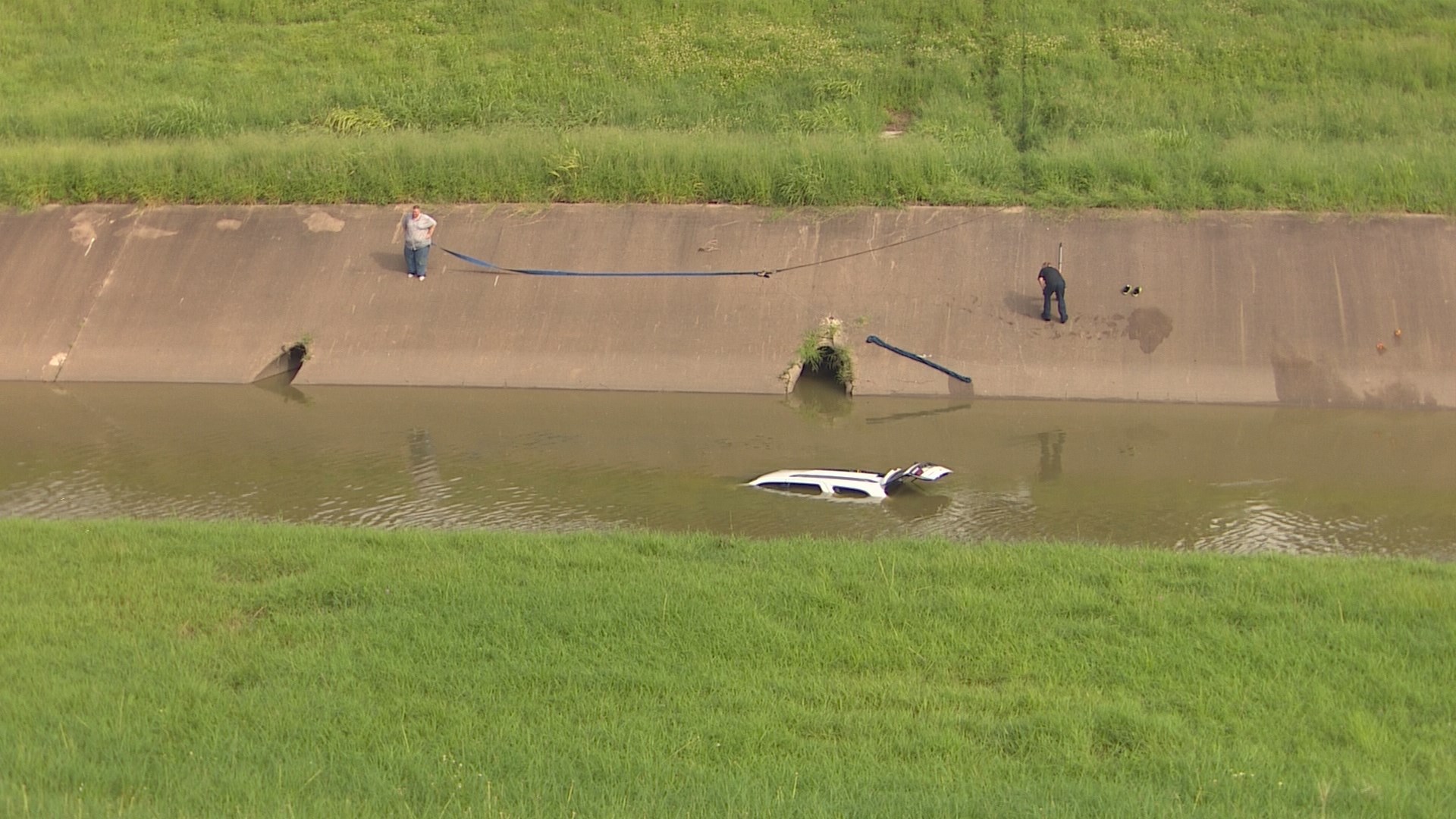
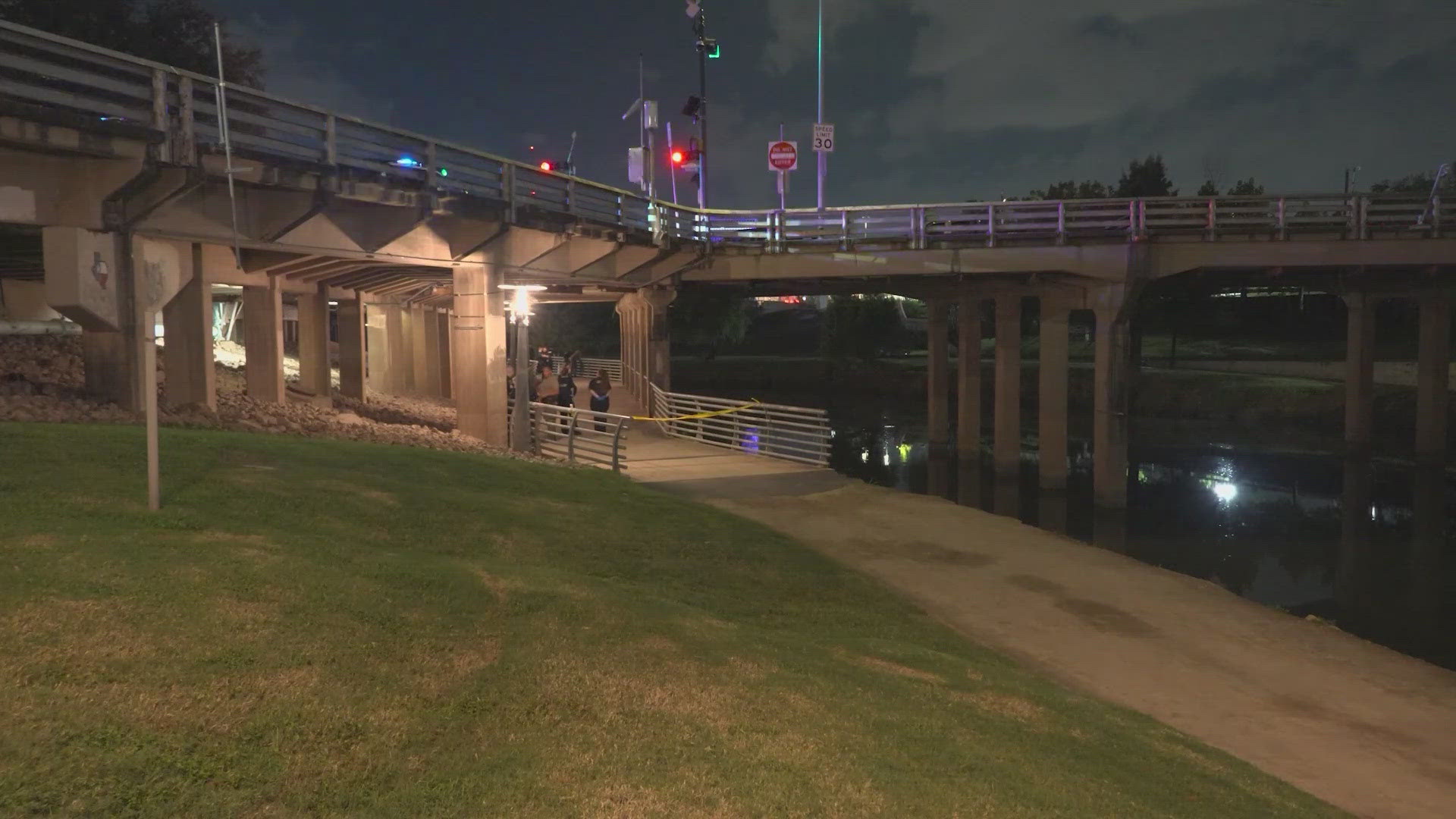
The discovery of approximately 16 bodies in Houston-area bayous throughout 2023 and 2024 sparked intense public concern and viral speculation regarding a potential serial killer. While the number reached a symbolic threshold in social media discourse, law enforcement and forensic officials clarified that these incidents were largely unrelated cases involving drownings, medical emergencies, and isolated homicides.
The Timeline and Context of Bayou Discoveries
Between late 2023 and mid-2024, a series of grim discoveries in the Houston bayou system—primarily Buffalo Bayou and White Oak Bayou—captured the attention of the local community and national true-crime enthusiasts. The "16 bodies" figure became a focal point for digital investigators, but understanding the reality of these findings requires looking at the specific timeline and the geographical layout of the region.
Houston is often referred to as the "Bayou City" because it is built upon a complex network of waterways designed to manage the region's massive stormwater runoff. With over 2,500 miles of managed channels and bayous, these waterways are deeply integrated into the urban landscape. Consequently, they often become the final destination for individuals who fall victim to the elements, accidents, or foul play.
The surge in reports began to peak in the first quarter of 2024. During this period, several bodies were recovered in relatively quick succession near downtown Houston and the Heights neighborhood. This cluster of incidents led to the perception of an active threat, though the Houston Police Department (HPD) maintained that there was no evidence linking the deaths to a single perpetrator. As of 2026, looking back at the completed investigations from that era, the majority of those cases have been classified as accidental drownings or natural deaths involving the city's vulnerable populations.
Fact-Checking the "16 Bodies" Phenomenon
The number 16 is frequently cited in discussions of this event, but it is important to distinguish between "bodies found simultaneously" and "bodies found over a 12-month period." There was never a single discovery of 16 remains; rather, the figure represents an aggregation of various recoveries across Harris County.
Distinguishing Between Case Types
To understand why these deaths occurred, we must look at the classifications provided by the Harris County Institute of Forensic Sciences (HCIFS). The deaths recovered from the bayous during this peak period generally fall into four categories:
- Accidental Drownings: This is the most common cause. Many individuals found in the bayous were identified as members of the unhoused community who lived in encampments along the banks. During heavy rain events, which are frequent in Houston, water levels can rise several feet in minutes, sweeping away camps and individuals.
- Medical Emergencies: Post-mortem examinations in several cases revealed that individuals suffered heart attacks or seizures while near the water's edge, leading to an accidental fall.
- Suicides: Forensic evidence and prior history in some cases pointed to intentional acts.
- Homicides: A smaller percentage of the remains showed signs of trauma inconsistent with a fall or water current damage. These were investigated as isolated criminal acts rather than a pattern of serial violence.
The viral nature of the "16 bodies" narrative was heavily fueled by social media platforms like TikTok and X (formerly Twitter). Users often compared the Houston situation to the "Rainey Street" theories in Austin, Texas, where a similar number of bodies found in Lady Bird Lake led to unsubstantiated serial killer rumors. This cross-pollination of urban legends often overshadowed the clinical findings of local coroners.
Forensic Challenges: Recovering Remains from Water
Investigating deaths where the body is recovered from a bayou presents unique challenges for the Houston Police Department Dive Team and the Harris County Medical Examiner. The environment of a bayou is hostile to the preservation of evidence, making "clear-cut" determinations difficult in the early stages of an investigation.
The Impact of the Bayou Environment
Houston’s climate is subtropical, characterized by high heat and extreme humidity. These factors accelerate the decomposition process. When a body is submerged in the murky, slow-moving water of a bayou, several biological processes occur:
- Saponification (Adipocere Formation): In anaerobic (oxygen-poor) water environments, the fatty tissue of a body can turn into a waxy, soap-like substance called adipocere. While this can sometimes preserve the shape of the body, it complicates the traditional timeline of death.
- Water Current Damage: Houston bayous often contain debris, shopping carts, and concrete runoff structures. As bodies move with the current, they can sustain "post-mortem artifacts"—injuries that look like foul play but are actually caused by the body striking objects in the water.
- Wildlife Interference: The bayous are home to various wildlife, including alligators and turtles, which can disturb remains and make the initial visual assessment of a crime scene misleading.
Identification Procedures
The primary goal of the Harris County Institute of Forensic Sciences is identification and determination of the cause and manner of death. Because water-logged skin can make fingerprinting difficult, the HCIFS often relies on:
- Dental Records: Comparison of teeth to known X-rays.
- Skeletal Analysis: Looking for old fractures or surgical implants with serial numbers.
- DNA Profiling: Extracting DNA from bone marrow or deep tissue when superficial samples are degraded.
Addressing the Serial Killer Speculation
In early 2024, the "Houston Bayou Killer" theory dominated local headlines. This speculation was driven by the proximity of several body recoveries near the hike-and-bike trails of Buffalo Bayou Park. However, the Houston Police Department’s Homicide Division repeatedly briefed the public on why these cases did not meet the criteria for a serial offender.
Lack of Modus Operandi (MO)
Serial offenders typically demonstrate a consistent Modus Operandi—a specific way of committing the crime—and a "signature" that fulfills a psychological need. In the 16 cases cited, there was no consistency in the victims' demographics, the cause of death, or the condition of the bodies. The victims included men and women of various ages and ethnicities, with causes of death ranging from blunt force trauma (consistent with a fall) to toxicology-related drownings.
The Role of Geography
The reason bodies "cluster" in certain areas of the bayou, such as the bend near Shepherd Drive or the University of Houston-Downtown, is due to hydrology, not criminal intent. These locations are "catchment points" where the current slows down or debris naturally accumulates. Finding multiple bodies in the same stretch of water over several months is often a result of the bayou's natural flow patterns.
| Feature | Statistical Reality (2023-2024) | Social Media Narrative |
|---|---|---|
| Total Count | ~16 recovered over 12+ months | 16 found simultaneously or recently |
| Primary Cause | Accidental drowning / Undetermined | Intentional homicide / Serial Killer |
| Victim Profile | High percentage of unhoused individuals | Random joggers and park visitors |
| Police Stance | Unrelated incidents | "Cover-up" or silence |
| Key Location | Buffalo Bayou catchment points | Targeted "hunting grounds" |
Environmental and Social Factors Contributing to Bayou Incidents
To address why so many bodies were found in the Houston bayous, we must look at the underlying social and environmental issues facing the city in the mid-2020s.
The Intersection of Homelessness and Waterways
A significant portion of the individuals found in the bayous were part of Houston's "unsheltered" population. Many people experiencing homelessness seek the seclusion of the bayou banks to set up camps. While this provides a degree of privacy, it places them in extreme danger during Houston's flash flood events. In a city where it can rain several inches in an hour, the bayous transition from trickling streams to raging torrents almost instantly.
Substance Abuse and Mental Health
Toxicology reports for several of the individuals found in the bayou indicated the presence of narcotics or high levels of alcohol. Impairment significantly increases the risk of accidental falls into the water, particularly at night when visibility along the unlit portions of the bayous is near zero.
Infrastructure and Urban Design
The Houston hike-and-bike trail system is one of the city's greatest amenities, but it also places thousands of people in close proximity to deep, steep-banked waterways daily. While most of the trails are safe, certain sections lack railings or adequate lighting, which can contribute to accidental falls, especially during inclement weather.
Public Safety and Prevention Strategies
In response to the surge in bayou-related deaths and the resulting public anxiety, city officials and community organizations implemented several measures to increase safety and transparency.
Enhanced Lighting and Surveillance
The City of Houston increased the installation of solar-powered lighting along the Buffalo Bayou and White Oak Bayou trails. Additionally, more "Blue Light" emergency call boxes were installed, allowing trail users to contact 911 immediately if they spot someone in distress or witness suspicious activity.
Outreach and Housing Initiatives
Recognizing that the unhoused population is most at risk, the city ramped up its "Navigation Center" programs. These programs work to move individuals from high-risk areas like bayou banks into permanent supportive housing. Reducing the number of people living in the flood zones directly correlates to a reduction in accidental drownings.
Forensic Transparency
The Harris County Institute of Forensic Sciences maintains a public "Unidentified Remains" database. This tool allows the public to view information about found remains (excluding graphic photos) to help identify missing loved ones. This transparency has helped debunk rumors by providing the actual facts of each case as they become available.
Common Myths vs. Facts
Myth: The police are hiding the existence of a serial killer to protect tourism. Fact: Law enforcement agencies are required to report homicides. There is no evidence of a "cover-up." If a pattern of homicides existed, it would be in the police department's best interest to alert the public to aid in the apprehension of the suspect.
Myth: All 16 bodies were found in the same spot. Fact: The remains were found across several different bayous and miles of shoreline over a long period.
Myth: It is unsafe to use Houston's bayou trails. Fact: The trails remain some of the most used public spaces in the city. The vast majority of deaths recovered from the bayous involve individuals who were not using the trails for recreation but were living in or near the water.
Next Actions for Residents and Visitors
If you frequently use the Houston bayou trail system or live near these waterways, there are practical steps you can take to stay safe and assist the community:
- Stay on Marked Trails: Avoid descending the steep concrete or grass banks to get closer to the water. The silt in Houston bayous is extremely slippery and can cause a person to slide into the water easily.
- Monitor Weather Alerts: Do not use the bayou trails during or immediately after heavy rain. Flash flooding can occur even if it is not raining in your specific location, as water flows downstream from other parts of the county.
- Report Sightings: If you see an encampment in a high-risk flood zone or notice someone who appears to be in distress near the water, contact the non-emergency 311 line or 911 if it is an immediate emergency.
- Follow Official Channels: For updates on death investigations, rely on the Harris County Institute of Forensic Sciences and the Houston Police Department’s official news briefings rather than unverified social media accounts.
The "16 bodies found in bayou" headline serves as a reminder of the complexities of urban life in a city defined by its water. While the numbers were startling, the reality remains a mix of social challenges, environmental hazards, and the tragic consequences of accidents in a vast metropolitan landscape.
Frequently Asked Questions
Were any of the 16 bodies ever identified? Yes, the majority of the remains found during the 2023-2024 period were identified by the Harris County Medical Examiner through fingerprints, DNA, or dental records. Many were individuals reported missing from the local area.
Is there an active investigation into a serial killer in Houston? As of 2026, there is no active multi-agency task force or investigation into a serial killer related to the bayou discoveries. Each homicide case is investigated as an individual incident unless forensic evidence proves a link.
Why are so many bodies found in Houston compared to other cities? Houston’s massive size and its 2,500 miles of open-air drainage channels (bayous) make it geographically more likely for remains to be discovered in water than in cities with underground sewer systems or fewer natural waterways.
What should I do if I find something suspicious in a bayou? Do not disturb the area. Move to a safe location and call 911. Provide a specific location using trail markers or nearby street intersections to help the HPD Dive Team locate the site.