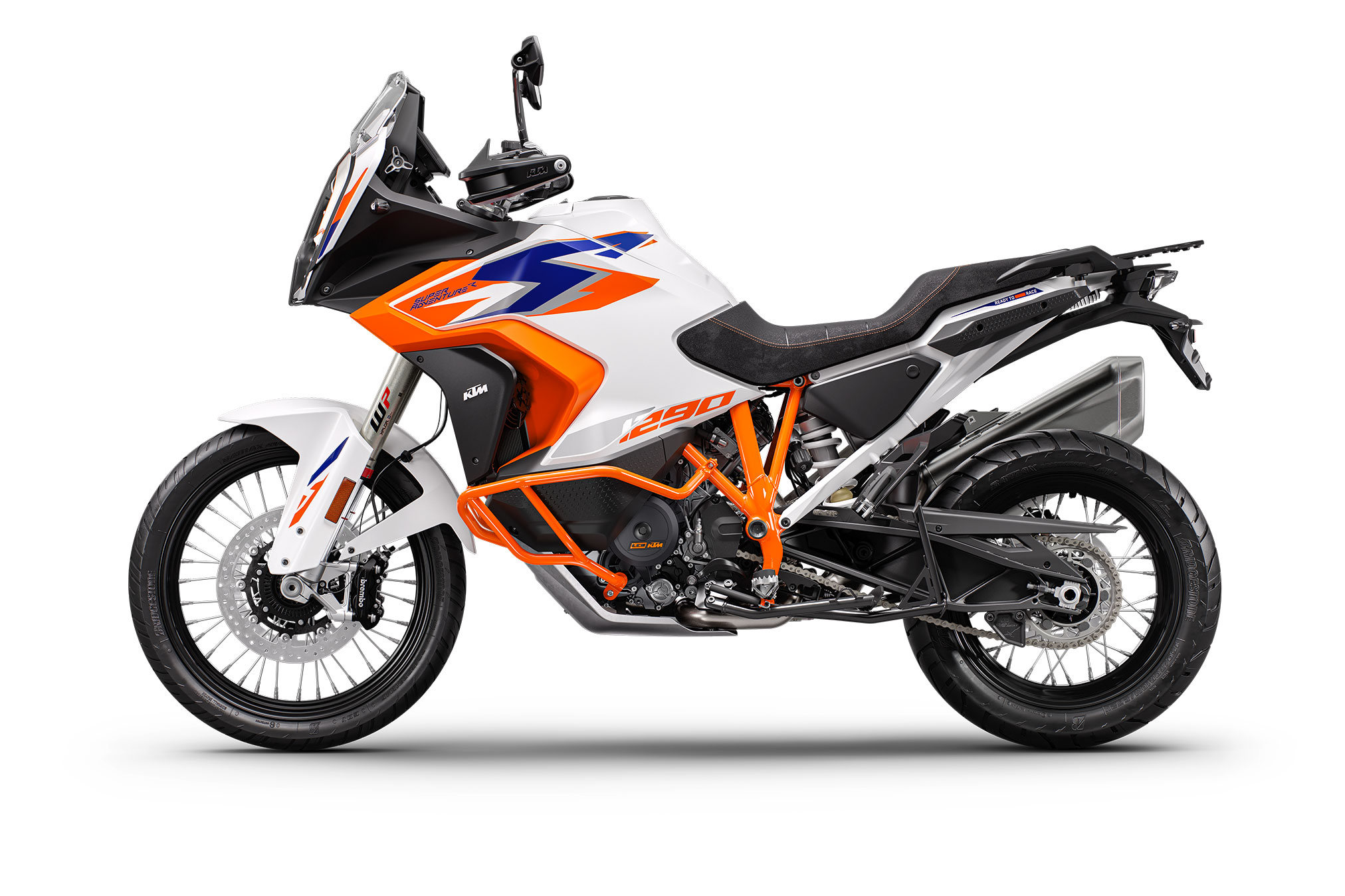
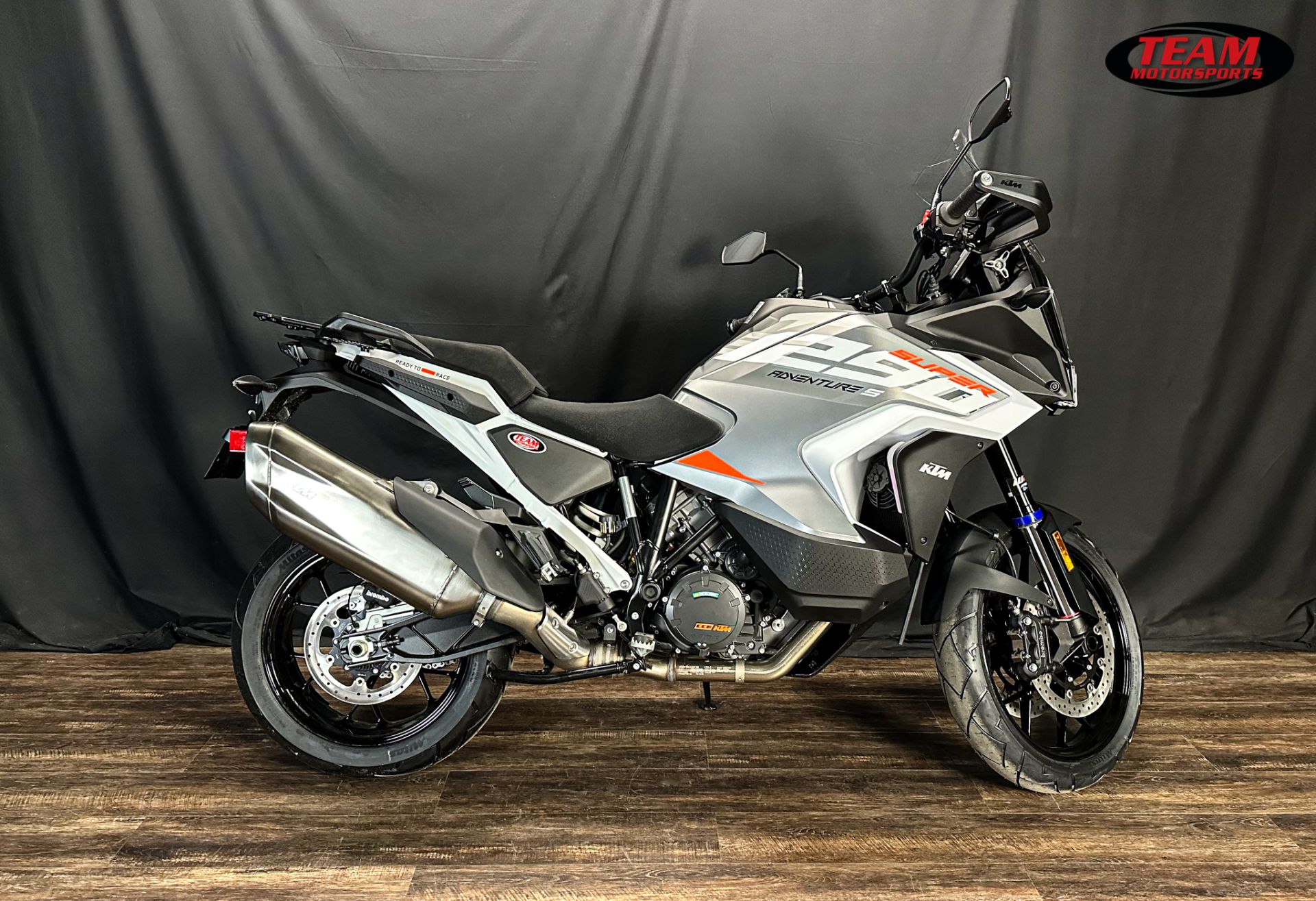
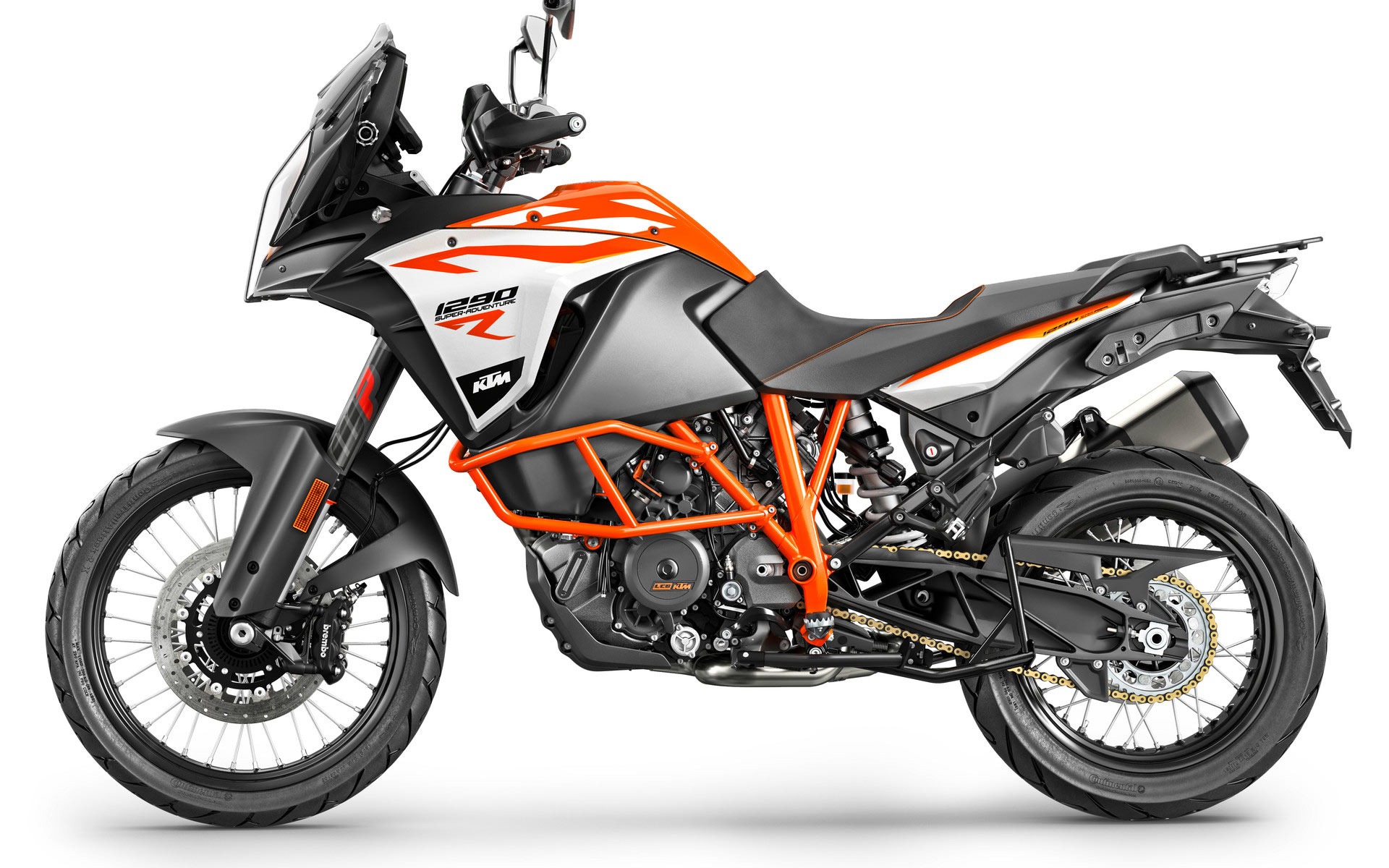
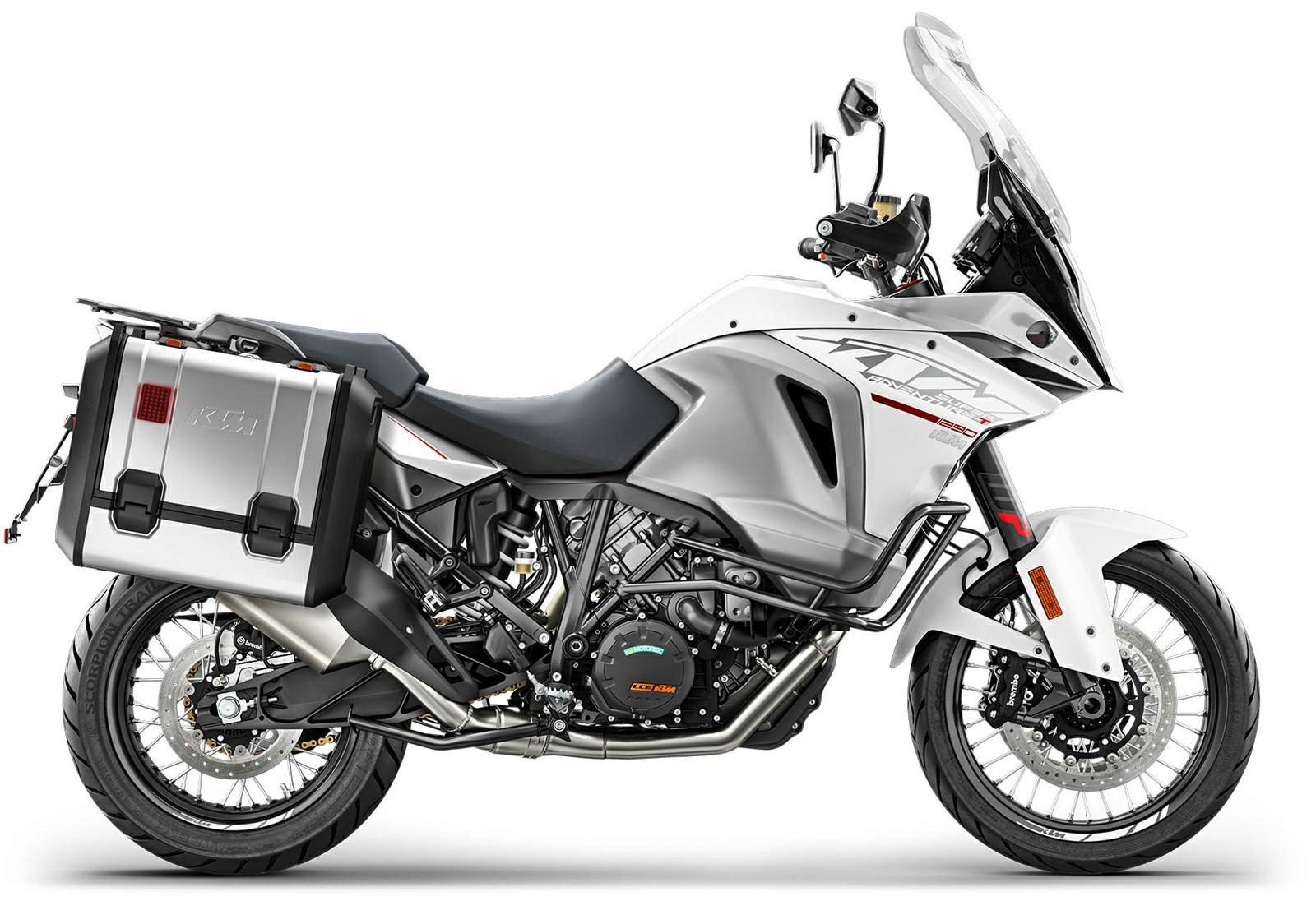
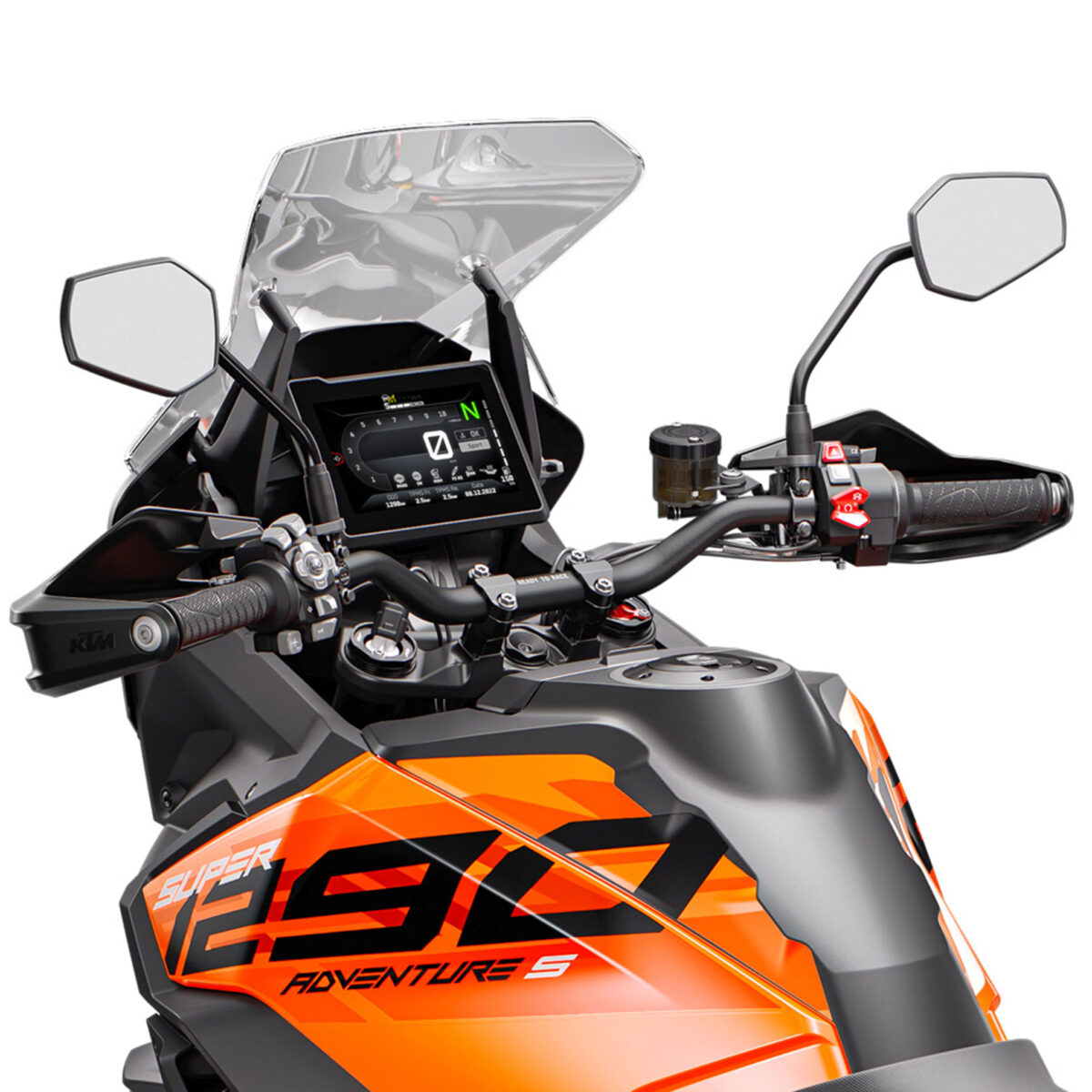
The KTM 1290 Adventure is a high-performance adventure motorcycle powered by a 1,301 cc LC8 V-twin engine producing approximately 160 horsepower and 140 Nm of torque. It features advanced semi-active electronic suspension, a comprehensive suite of lean-angle sensitive rider aids, and a trellis frame designed for both long-distance touring and aggressive off-road capability.
Introduction to the KTM 1290 Adventure Lineage
When evaluating the apex tier of adventure-touring motorcycles, the machine bearing the "1290" designation occupies a dominant position in the segment. Renowned for its ferocious power delivery, advanced electronics, and genuine off-road capability, this motorcycle family has evolved significantly since its inception. Understanding the 1290 ktm adventure specs requires looking closely at how its powerful V-twin engine, chassis geometry, and electronic suite interact.
Whether you are looking at the pavement-oriented Super Adventure S or the dirt-focused Super Adventure R, these motorcycles are engineered to push the boundaries of what a heavy adventure bike can achieve. This comprehensive technical guide breaks down the powertrain, chassis, electronics, dimensions, and maintenance considerations for the KTM 1290 Adventure line.
Engine and Powertrain Specifications
At the heart of the KTM 1290 Adventure beats one of the most potent engines ever placed in an adventure motorcycle: the LC8 V-twin. This powerplant is derived from KTM's storied racing heritage, refined to deliver relentless acceleration across a wide rev range.
LC8 V-Twin Architecture and Performance
The engine is a 75-degree V-twin, liquid-cooled, 4-stroke power unit displacing 1,301 cubic centimeters. The bore and stroke measure 108 mm by 71 mm, contributing to its free-revving nature.
- Horsepower: Approximately 160 hp (118 kW) at 8,750 rpm.
- Torque: 138 Nm (102 lb-ft) at 6,750 rpm.
- Compression Ratio: 13.1:1.
- Valve Train: DOHC, 4 valves per cylinder with DLC-coated finger followers.
This massive output translates to effortless passing power on asphalt and immediate throttle response when navigating loose terrain. Dual spark ignition ensures efficient and clean combustion, optimizing fuel consumption despite the large displacement.
Fuel System, Transmission, and Clutch
Feeding the massive V-twin is an advanced Keihin Electronic Fuel Injection system featuring 52 mm throttle bodies with Ride-by-Wire technology. This electronic throttle management eliminates physical cables, allowing the motorcycle's electronic control unit (ECU) to modulate power delivery based on selected ride modes and traction control parameters.
- Transmission: 6-speed, claw-shifted gearbox.
- Clutch: PASC (Power Assist Slipper Clutch), hydraulically actuated.
- Quickshifter: Optional or standard depending on the specific model year and trim (Quickshifter+ enables clutchless upshifts and downshifts).
The slipper clutch prevents rear-wheel chatter during aggressive downshifting, a critical safety feature when decelerating on loose gravel or tarmac. The transmission ratios are spaced to provide tall cruising gears for highway efficiency alongside tight lower gears for technical off-road maneuvers.
Chassis, Suspension, and Braking Systems
To harness 160 horsepower, a motorcycle requires an exceptionally rigid frame paired with high-performance suspension components. KTM utilizes a chromium-molybdenum steel trellis frame, laser-cut and robot-welded for precise structural integrity.
Frame and Ergonomics
The trellis frame is complemented by a die-cast, open-lattice swingarm finished in raw aluminum. This design offers an optimal balance of torsional rigidity for high-speed stability and flex for off-road compliance. The subframe is engineered to support heavy luggage loads and a passenger without compromising structural safety.
Rider ergonomics are fully adjustable. Riders can alter the handlebar position across multiple mounting points, adjust the footpeg height, and select between different seat heights or opt for heated ergonomic seats.
Suspension Components (WP Suspension)
Suspension setups vary depending on whether the machine is the pavement-biased S variant or the dirt-focused R variant.
| Specification | 1290 Super Adventure S | 1290 Super Adventure R |
|---|---|---|
| Front Fork | WP Semi-Active 48 mm USD | WP XPLOR 48 mm USD (Fully Adjustable) |
| Rear Shock | WP Semi-Active Monoshock | WP PDS Monoshock (Fully Adjustable) |
| Suspension Travel (Front/Rear) | 220 mm / 220 mm | 220 mm / 220 mm |
| Suspension Technology | WP SAT (Semi-Active Technology) | Manual mechanical damping adjustment |
The S model utilizes electronic valves that adjust damping in real-time based on road conditions and rider input, offering Comfort, Street, Sport, and Offroad modes. The R model relies on robust, manually adjustable components designed to withstand the brutal impacts of high-speed off-road riding.
Braking System by Brembo
Stopping power is supplied by Brembo, ensuring maximum braking confidence.
- Front Brakes: Dual 320 mm floating discs with Brembo 4-piston radially mounted monobloc calipers, radial master cylinder.
- Rear Brakes: Single 267 mm disc with Brembo 2-piston floating caliper.
- ABS: Bosch 10.3ME Combined-ABS featuring Cornering ABS and Offroad ABS modes.
Cornering ABS modulates brake pressure dynamically when the motorcycle is leaned over, reducing the risk of the front wheel washing out under heavy braking in a turn. Offroad ABS disengages the anti-lock system on the rear wheel while relaxing intervention on the front, allowing riders to lock the rear tire to steer the bike through dirt turns.
Electronics and Rider Assistance Systems
The KTM 1290 Adventure is heavily defined by its electronics suite, managed via a 6D lean-angle sensor (Inertial Measurement Unit or IMU) that tracks pitch, roll, and yaw in real-time.
Ride Modes and Traction Control
- Ride Modes: Rain, Street, Sport, Offroad, and optional Rally mode. Each mode alters throttle response, power output, and traction control intervention.
- MTC (Motorcycle Traction Control): Lean-angle sensitive traction control that prevents rear-wheel spin. In Offroad and Rally modes, slip thresholds are significantly increased to allow controlled power slides.
- Motor Slip Regulation (MSR): Works opposite to traction control, preventing rear-wheel slip caused by engine braking on slick surfaces.
Advanced Touring Technology
Long-distance capability is enhanced by a suite of comfort and convenience features accessible through a large 7-inch TFT dashboard.
- Adaptive Cruise Control (ACC): Developed in partnership with Bosch, radar-based ACC automatically maintains a safe following distance from vehicles ahead on highways.
- TPMS (Tire Pressure Monitoring System): Real-time monitoring of front and rear tire pressures with low-pressure warnings.
- LED Illumination: Cornering lights integrated into the fuel tank shrouds illuminate the inside of turns as the motorcycle leans.
Dimensions, Weights, and Capacities
Understanding the physical footprint of the machine is vital for handling expectations, particularly when fully loaded with adventure gear.
- Wheelbase: 1,560 mm (± 15 mm)
- Ground Clearance: 223 mm (S model) / 242 mm (R model)
- Seat Height: 849 mm / 869 mm (adjustable on S) / 880 mm (R model)
- Dry Weight: Approximately 220 kg (485 lbs)
- Fuel Capacity: 23 liters (6.1 gallons) housed in a low-slung, multi-part plastic fuel tank designed to centralize mass and keep the center of gravity low.
Frequently Asked Questions
What is the difference between the KTM 1290 Super Adventure S and R?
The primary differences lie in their intended terrain use. The S model is tailored for street and long-distance touring, featuring semi-active electronic suspension, cast alloy wheels (19-inch front, 17-inch rear), and a lower, adjustable seat. The R model is built for hard-core off-roading, featuring fully adjustable manual WP XPLOR suspension, heavy-duty tubeless spoked wheels (21-inch front, 18-inch rear), crash bars, and a taller, one-piece rally seat.
How much horsepower does the KTM 1290 Adventure produce?
The KTM 1290 Adventure produces approximately 160 horsepower (118 kW) at 8,750 rpm and 138 Nm of torque at 6,750 rpm from its 1,301 cc LC8 V-twin engine.
Does the KTM 1290 Adventure have Adaptive Cruise Control?
Yes, models equipped with the Tech Pack or specified from factory production years featuring the Bosch radar system include Adaptive Cruise Control (ACC), which automatically adjusts vehicle speed to match traffic flow on highways.
What is the fuel capacity and range of the 1290 Adventure?
The motorcycle features a 23-liter (6.1 US gallon) fuel tank. Given an average fuel consumption rate of roughly 5.7 liters per 100 km (approx. 41 mpg), the bike delivers a realistic touring range exceeding 350 kilometers (215 miles) under mixed riding conditions.
Is the KTM 1290 Adventure suitable for beginners?
No. Due to its massive displacement, 160-horsepower output, tall physical stance, and advanced electronic architecture, the KTM 1290 Adventure is strictly recommended for experienced riders with advanced throttle control and heavy-bike handling skills.
Conclusion and Final Recommendation
The KTM 1290 Adventure stands as a pinnacle of engineering within the heavyweight adventure segment. For riders seeking uncompromising power, cutting-edge radar-assisted electronics, and supreme touring comfort paired with genuine off-road credentials, few machines can rival its breadth of capability.
Before purchasing, evaluate your intended riding split: choose the Super Adventure S if your journeys are predominantly paved highways mixed with occasional light gravel, or select the Super Adventure R if unpaved tracks, technical trails, and remote exploration form the core of your riding ambitions. Always ensure proper maintenance intervals are followed to preserve the complex LC8 engine and semi-active components.