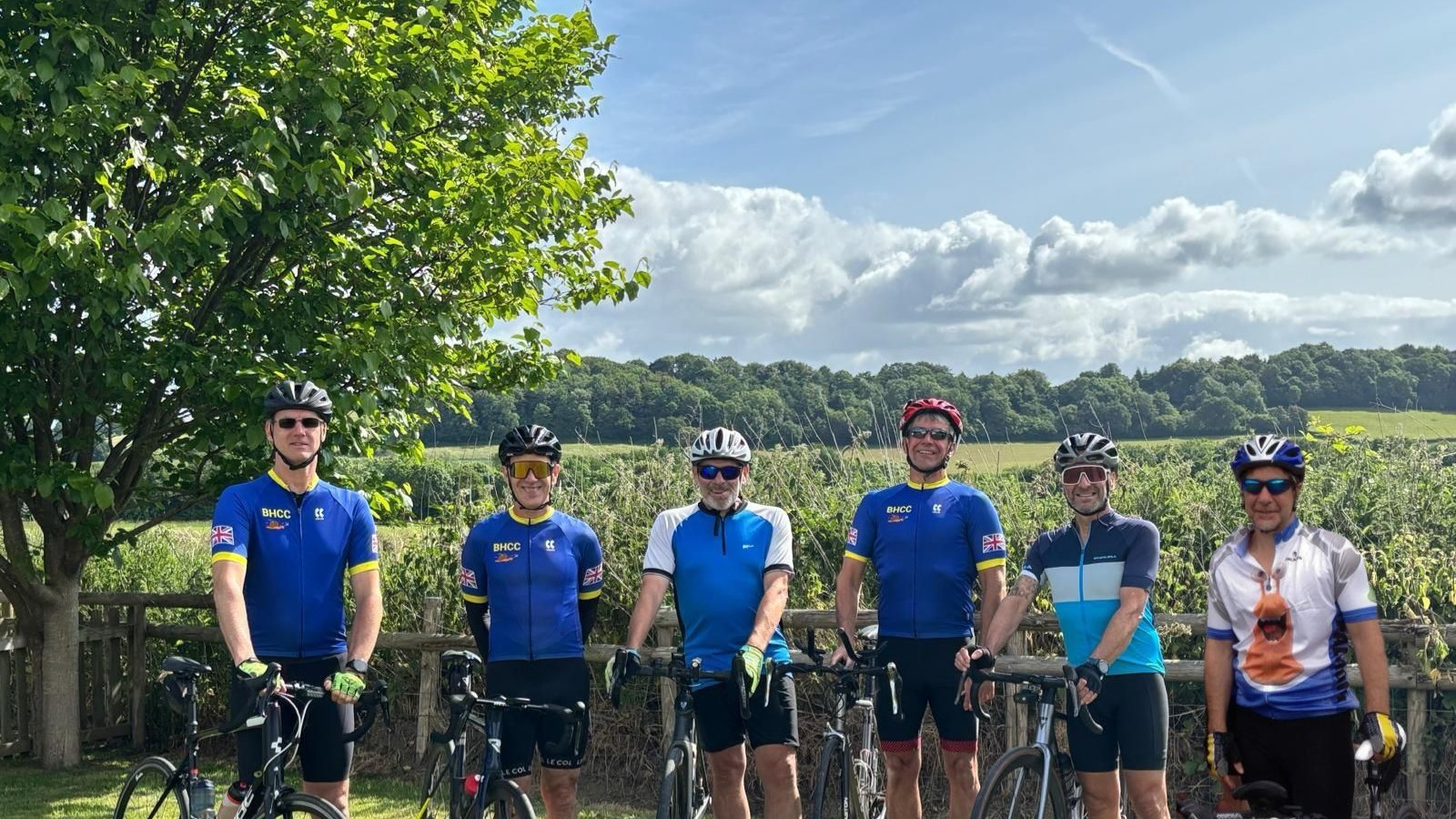
The 100-mile adventure MS bike ride series brings cyclists together to raise funds for the National Multiple Sclerosis Society, offering multi-day or single-day endurance routes across varying terrains. Participants navigate challenging gravel paths, rolling hills, and remote roads while receiving fully supported aid stations, medical assistance, and mechanical backup from dedicated event organizers.
Understanding the National MS Society Bike Ride Program
The National Multiple Sclerosis Society organizes cycling events nationwide under the broader banner of Bike MS. These events serve as the premier fundraising cycling series in the United States, channeling millions of dollars toward research, advocacy, and direct support services for individuals living with multiple sclerosis. While many Bike MS routes follow paved highways over standard distances, select regions offer specialized "adventure" or gravel-oriented rides designed to test endurance across mixed surfaces.
For participants targeting a 100-mile distance within an adventure-focused format, the experience diverges significantly from a traditional tarmac charity ride. These routes often incorporate unpaved forestry roads, crushed limestone paths, and occasional single-track sections. Consequently, riders must balance the philanthropic mission of supporting the MS movement with the rigorous physical conditioning and equipment adjustments required for long-distance off-pavement cycling.
Event Structure, Logistics, and Route Support
Participating in a 100-mile charity cycling event requires a clear understanding of what organizers provide versus what riders must supply independently. While safety infrastructure remains a priority for the National MS Society, adventure routes introduce unique logistical hurdles due to their remote geographic footprints.
Route Marking and Navigation
Adventure routes generally feature comprehensive physical course markings, including high-visibility arrows, directional signs, and hazard warnings placed by course marshals. However, due to the remote nature of some gravel and backcountry paths, organizers frequently supply official GPS route files (such as GPX formats) via platforms like Ride with GPS prior to weekend events. Riders are strongly encouraged to download these files onto a bike computer or smartphone navigation application, as backcountry signage can occasionally be displaced by weather or wildlife.
Support and Gear Drop Stations
Unlike standard road tours that feature frequent roadside stops every 10 to 12 miles, adventure rides often space aid stations further apart due to geographic constraints. A typical 100-mile adventure route includes three to five fully stocked support stops offering:
- Isotonic sports drinks and clean water replenishment.
- High-carbohydrate nutritional snacks, including energy gels, bars, fruit, and electrolyte chews.
- Basic mechanical assistance with volunteer bicycle mechanics equipped with floor pumps, chain tools, and common spare parts.
- First aid personnel trained in handling abrasions, dehydration, and exhaustion.
Many events also incorporate gear drop zones where riders can send personal items—such as spare tires, specialized nutrition, or extra layers of clothing—from the starting line to a designated midpoint check-in.
Equipment Requirements for Mixed-Surface Century Rides
Riding 100 miles on pavement is physically demanding; completing that same distance over mixed terrain, gravel, and dirt introduces mechanical vulnerabilities that require deliberate equipment selection. Using standard road racing bicycles with narrow tires can lead to frequent flat tires, wheel damage, and handling instability.
Bicycle Selection and Tire Clearance
The ideal bicycle for a 100-mile adventure MS ride is a gravel bike, adventure touring bicycle, or a robust cyclocross bike. These machines feature longer wheelbases for stability, lower gear ratios for steep unpaved climbs, and adequate clearance to accommodate wider tires.
Tire choice represents the single most critical equipment decision for adventure cycling. Tires ranging from 38mm to 45mm in width provide a larger contact patch, dampening high-frequency vibrations from washboard roads while reducing the risk of pinch flats. Tubeless tire setups are heavily recommended because they allow riders to run lower tire pressures for enhanced traction without the constant threat of inner-tube punctures caused by sharp stones.
Gearing and Ergonomics
Century rides spanning 100 miles demand efficient energy conservation. Gravel routes often feature steep, loose-surface climbs where traditional road gearing (such as a standard 53/39 chainset paired with a tight cassette) results in excessive fatigue. A sub-compact crankset or a wide-range 1x (single chainring) setup with a cassette stretching up to 42 or 50 teeth ensures that riders can maintain a smooth cadence on unpaved inclines without burning out their leg muscles early in the day.
| Component | Standard Road Setup | Recommended Adventure Setup | Rationale for Adventure Setup |
|---|---|---|---|
| Tire Width | 25mm – 28mm | 38mm – 45mm+ | Absorbs shock, prevents sinking in soft gravel, and reduces pinch flats. |
| Tire Technology | Tube-type clincher | Tubeless ready with sealant | Allows lower pressure for grip and automatically seals small punctures. |
| Gearing | Tight cassette, double chainrings | Wide-range cassette (1:1 ratio or lower) | Facilitates spinning up steep, loose-surface climbs without overloading muscles. |
| Frame Material | Carbon fiber / Aluminum | Carbon, Steel, or compliant Aluminum | Provides vertical compliance to reduce rider fatigue over long hours. |
| Hydration Capacity | 2 water bottles | 3+ bottles, frame bag, or hydration pack | Bridges the longer distance gaps between remote aid stations. |
Training and Preparation Protocols
Completing a 100-mile adventure ride requires a structured training block spanning 12 to 16 weeks, depending on the cyclist's baseline fitness. Unlike structured indoor training or flat road riding, unpredictable terrain requires stabilizing muscles in the core, shoulders, and arms to manage bike handling over rough patches.
Progressive Distance Building
The cornerstone of any century ride training plan is the weekly long ride, which should increase in duration incrementally rather than jumping in large increments. Cyclists should schedule their longest training rides approximately three to four weeks before the event, tapering their mileage in the final fortnight to allow muscles to repair and glycogen stores to maximize.
- Phase 1 (Weeks 1–4): Establish a consistent weekly baseline of 4 to 6 hours on the bike, focusing on zone 2 aerobic endurance and incorporating core strength training twice a week.
- Phase 2 (Weeks 5–8): Introduce back-to-back long rides on weekends (e.g., 40 miles on Saturday followed by 30 miles on Sunday) to simulate leg fatigue and practice nutrition strategies under tired conditions.
- Phase 3 (Weeks 9–12): Peak training volume with single rides reaching 70 to 80 miles over terrain matching the target event profile.
- Phase 4 (Weeks 13–16): Taper volume by 30% to 50% while maintaining short, sharp intensity efforts to keep the nervous system responsive.
Nutrition and Hydration Strategy
On a 100-mile ride, energy expenditure often exceeds 3,500 to 5,000 active calories, making nutritional intake a vital operational factor. Waiting until hunger sets in often results in a severe performance drop known as "bonking."
Cyclists should aim to consume 60 to 90 grams of carbohydrates per hour through a combination of energy drinks, gels, chews, and easily digestible solid foods. Hydration must include essential electrolytes—particularly sodium and potassium—to prevent cramping during extended efforts in variable weather conditions. Testing all nutritional products during training rides is essential to avoid gastrointestinal distress on event day.
Fundraising Commitments and Registration Frameworks
Charity cycling events operate under a dual mandate: physical completion and philanthropic contribution. Registration for a Bike MS event requires acknowledging a fundraising minimum, which directly supports the mission of the National Multiple Sclerosis Society.
Participants agree to raise a specified financial threshold—typically ranging from $300 to over $1,000 depending on the specific event tier and region—by a set deadline, which often extends several weeks past the actual ride date. Organizers provide comprehensive online fundraising tools, customizable participant pages, and email templates to help riders reach out to corporate sponsors, friends, and family members.
Frequently Asked Questions
What happens if I cannot finish the 100-mile route due to fatigue or mechanical failure?
Event organizers maintain dedicated support and sweep vehicles patrolling the course throughout the day. If you or your bicycle experience issues that prevent you from continuing, you can flag down any course marshal or aid station volunteer to request a ride back to the start-finish venue or the nearest major checkpoint.
Are electric gravel bikes (e-bikes) permitted on adventure MS rides?
Policy regarding pedal-assist e-bikes varies by specific event location and local land management permits governing the trails and unpaved roads used. Participants should review the specific event guidelines published by their local National Multiple Sclerosis Society chapter before registering.
How are medical emergencies handled on remote backcountry sections?
Medical personnel operate mobile units along the course coordinate systems. In the event of a serious injury, riders should call 911 immediately if cellular service is available, or notify the nearest route marshal, aid station captain, or SAG driver who can relay distress coordinates via event radio channels.
Is specialized clothing required for a gravel century ride?
While standard cycling jerseys and padded bib shorts are sufficient, adventure riders often prefer cargo bib shorts featuring external pockets for quick access to nutrition, and moisture-wicking jerseys designed for durability against brush and changing weather conditions. A lightweight, packable windbreaker or rain jacket is also essential for changing backcountry weather.
Conclusion and Next Actions
Successfully tackling a 100-mile adventure MS ride blends physical endurance, meticulous equipment preparation, and a commitment to charitable fundraising. To ensure a smooth experience, verify your local event's specific registration deadlines, inspect your bicycle's tire clearance and drivetrain gearing well in advance, and establish a steady training progression. Begin your fundraising outreach early, download official route navigation files, and test your nutritional strategy on long training rides to position yourself for success on event day.