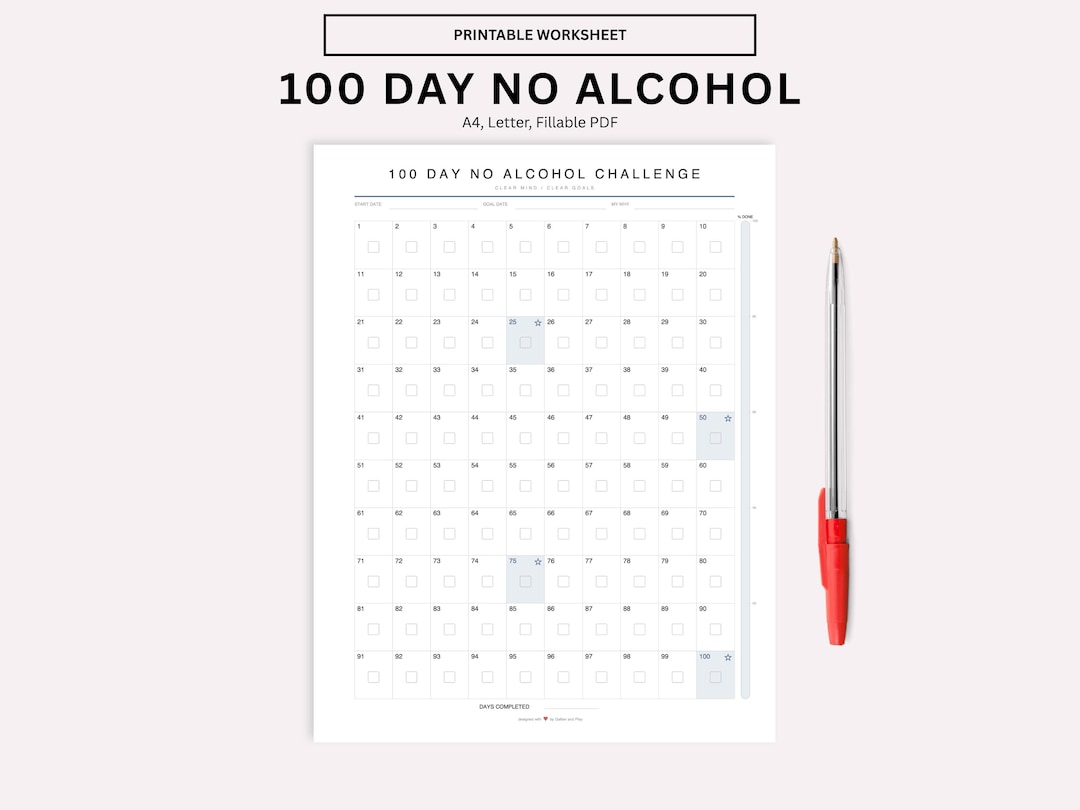
Embarking on a 10-week alcohol-free challenge provides a transformative window to reset physiological health, clear cognitive fog, and reshape behavioral habits. By committing to 70 consecutive days without ethanol consumption, individuals allow their liver enzymes, sleep architecture, and neurotransmitter pathways sufficient time to recalibrate, offering profound insights into their relationship with drinking.
Understanding the 10-Week Timeline
The 10 weeks no alcohol challenge is structured to bridge the gap between short-term detox programs—such as Dry January—and long-term lifestyle overhauls. Spanning roughly 70 days, this timeframe allows participants to move past the initial acute withdrawal and adjustment phases, entering a deep state of physiological recovery and psychological stabilization.
Unlike a 30-day stint, which primarily resets surface habits and provides a temporary break, a 70-day commitment forces the brain and body to adapt to long-term sobriety. This duration is clinically significant because it provides enough time to break deeply ingrained behavioral loops, rewrite social scripts, and experience measurable improvements in biomarkers such as liver enzymes, blood pressure, and metabolic markers.
Furthermore, a 10-week span captures multiple weekend cycles, social gatherings, and stressful work events. Successfully navigating these milestones without alcohol builds durable self-efficacy. Participants learn how to manage anxiety, boredom, and celebration without reaching for a glass, laying a robust foundation for sustainable habit change, whether the ultimate goal is moderation or lifelong abstinence.
Physiological Milestones Across 70 Days
Commitment to a 70-day alcohol-free period triggers a cascade of healing processes throughout the body. Understanding these biological shifts helps maintain motivation during difficult moments.
Weeks 1 to 2: Detoxification and Sleep Restoration
During the first fortnight, the body clears all residual ethanol and its toxic metabolites, such as acetaldehyde. Sleep disturbances are common initially as the nervous system recalibrates GABA and glutamate receptors. However, by the end of week two, rapid eye movement (REM) sleep begins to normalize, leading to fewer night waking episodes and more restorative rest.
Weeks 3 to 5: Hepatic Repair and Metabolic Shifts
By the one-month mark, the liver—the primary organ responsible for metabolizing alcohol—begins to reduce fat accumulation (steatosis). Liver enzyme panels, such as ALT and AST, often show marked improvement. Concurrently, caloric intake drops significantly, leading to reduced visceral fat, stabilized blood sugar levels, and clearer skin as systemic inflammation subsides.
Weeks 6 to 8: Cognitive Clarity and Immune Optimization
Entering the second half of the challenge, participants frequently report enhanced mental sharpness, improved working memory, and heightened emotional regulation. The prefrontal cortex, impaired by chronic alcohol use, regains optimal function. Simultaneously, the gut microbiome begins to recover from alcohol-induced dysbiosis, strengthening immune function and nutrient absorption.
Weeks 9 to 10: Equilibrium and Set Point Stabilization
In the final weeks, the body achieves a new homeostatic baseline. Cravings diminish substantially as neural pathways associated with drinking weaken. Blood pressure often normalizes, cardiovascular strain decreases, and overall energy reserves stabilize throughout the day.
Psychological and Behavioral Transformation
Beyond physiological healing, a 10-week break acts as a mirror reflecting an individual's psychological reliance on alcohol. Many people use alcohol as an emotional crutch to cope with stress, social anxiety, or loneliness. Removing this coping mechanism forces the development of healthier emotional regulation strategies.
During weeks three through six, participants often experience an emotional processing phase. Suppressed feelings may surface as the numbing effect of alcohol is removed. This period requires active engagement with alternative coping mechanisms, such as mindfulness, cognitive behavioral reframing, or physical exercise.
Social identity is another major hurdle. The challenge tests friendships, family dynamics, and professional networking habits. Successfully navigating social events without drinking builds profound resilience. Participants realize that social anxiety is manageable without liquid courage and that genuine human connection does not require shared intoxication.
Preparation and Prerequisites
Entering a 10-week challenge requires deliberate preparation to maximize the likelihood of success. Haphazard starts often lead to early abandonment.
Medical Evaluation and Safety Warning
Medical Disclaimer: This article is for informational purposes only and does not constitute medical advice. Individuals with a history of severe alcohol dependence should consult a healthcare professional before stopping alcohol consumption abruptly, as sudden cessation can cause severe, potentially fatal withdrawal symptoms such as delirium tremens.
For moderate to heavy drinkers, consulting a physician ensures safe parameters. Basic blood work establishing baseline liver enzymes, lipid panels, and blood pressure provides a tangible metric to measure progress at the end of the 10 weeks.
Environmental Design
Willpower alone is rarely sufficient to sustain a 70-day challenge. Environmental restructuring is essential:
- Purge the Home: Remove all beer, wine, spirits, and cocktail mixers from living spaces.
- Identify Triggers: Map out specific times, places, or emotional states that trigger the urge to drink.
- Stock Alternatives: Keep non-alcoholic craft beers, sparkling waters, botanical tonics, and herbal teas readily available.
Comparative Analysis of Alcohol-Free Timelines
To understand why the 10-week challenge is uniquely effective, it helps to compare it against other common duration milestones.
| Challenge Duration | Primary Physiological Benefit | Behavioral Impact | Best Suited For |
|---|---|---|---|
| 7 Days (One Week) | Immediate hydration, initial sleep improvement. | Tests basic willpower and breaks the daily evening habit loop. | Casual drinkers wanting a quick weekend reset. |
| 30 Days (One Month) | Reduction in liver fat, stabilized blood sugar, clearer skin. | Breaks the habit loop; exposes automatic drinking patterns. | Individuals assessing their baseline relationship with alcohol. |
| 70 Days (10 Weeks) | Significant hepatic enzyme normalization, deep neural rewiring, immune recovery. | Rewrites social scripts, establishes lasting psychological coping mechanisms. | Those seeking deep habit transformation and measurable health markers. |
| 365 Days (One Year) | Full metabolic reset, maximum reduction of long-term health risks. | Complete lifestyle reinvention across all seasonal and social cycles. | Individuals committed to long-term sobriety or severe health recovery. |
Navigating Social Pressures and Professional Settings
Social environments present the most frequent obstacles during a 10-week alcohol-free challenge. Peer pressure, whether explicit or perceived, can induce anxiety.
Communication Strategies
You are under no obligation to disclose medical details or deep personal motivations. Simple, direct scripts work best:
- "I am doing a health reset for the next couple of months."
- "I am training for an event and keeping my sleep optimized."
- "I am taking a temporary break from alcohol to see how I feel."
Navigating Bars and Restaurants
When attending social venues, order an intentional non-alcoholic drink immediately upon arrival—such as soda water with lime or a premium alcohol-free spirit. This eliminates the awkwardness of holding an empty hand and deters well-meaning hosts or bartenders from constantly offering drink menus.
Common Pitfalls and Troubleshooting
Even with careful planning, challenges arise. Recognizing common failure points allows for proactive troubleshooting.
The Pink Cloud and the Subsequent Dip
Many participants experience an initial euphoric surge ("the pink cloud") during weeks two or three, driven by pride and early health gains. However, around weeks four or five, novelty wears off, and flat or irritable moods can set in. Solution: Recognize this as a normal neurological adjustment phase. Lean into routine, exercise, and structured hobbies rather than seeking quick dopamine fixes.
Substituting with Sugar and Processed Foods
When alcohol is removed, the body often craves sugar to compensate for the sudden loss of high-calorie carbohydrate intake. Solution: Allow moderate indulgence in high-quality dark chocolate or fruit during the first few weeks, but gradually pivot toward nutrient-dense whole foods and balanced hydration to prevent energy crashes.
All-or-Nothing Thinking
A slip-up—consuming a drink at a wedding or business dinner—does not invalidate the entire journey. Solution: Treat a lapse as data rather than total failure. Analyze the trigger, forgive yourself immediately, and resume the challenge the next day. The cumulative benefit of 69 alcohol-free days out of 70 remains extraordinary.
Frequently Asked Questions
What happens to my liver during a 10-week alcohol-free challenge?
During 10 weeks without alcohol, the liver undergoes significant repair. Fatty liver (steatosis), an early stage of alcohol-related liver disease, can completely reverse within this timeframe. Liver enzymes such as gamma-glutamyl transferase (GGT) and alanine aminotransferase (ALT) typically drop significantly, reducing overall hepatic inflammation.
Will I lose weight during the 10 weeks no alcohol challenge?
Most participants experience noticeable weight loss or body composition changes. Alcohol contains empty calories (roughly 7 calories per gram) and frequently triggers late-night overeating. Removing alcohol eliminates these surplus calories and stabilizes insulin levels, often leading to reduced visceral fat around the abdomen.
How do I handle intense cravings during the middle weeks?
Cravings are usually temporary, peaking and subsiding within 15 to 30 minutes. When an intense urge arises, practice the "delay and distract" technique. Drink a large glass of ice water, go for a brisk 10-minute walk, call a supportive friend, or engage in a tactile hobby that requires focus.
Can I drink non-alcoholic beer or wine during the challenge?
Yes, non-alcoholic (NA) beers and wines are helpful tools for many participants, provided they do not trigger psychological cravings for real alcohol. Most non-alcoholic beers contain trace amounts of alcohol (less than 0.5% ABV), which is metabolically negligible for healthy adults, but check labels if strict zero-alcohol adherence is desired.
What should I do after the 10 weeks are completed?
Once the 70 days conclude, perform a structured review. Examine your sleep logs, energy levels, financial savings, and mental clarity. Decide whether you want to extend the streak, transition to mindful moderation, or adopt continuous sobriety based on how much better your life felt without alcohol.
Conclusion and Next Actions
Completing a 10 weeks no alcohol challenge is an empowering test of discipline, self-awareness, and health optimization. By allowing your body to heal physically and your mind to untangle from social drinking norms, you gain clarity that lasts far beyond the 70th day.
To take action, set a firm start date, clear your living space of temptations, and inform a trusted accountability partner. Track your daily progress using a journal or app, noting improvements in your sleep and mood. Whether this challenge serves as a permanent lifestyle shift or a powerful annual reset, the investment in your physical and mental well-being yields dividends that extend across every area of your life.