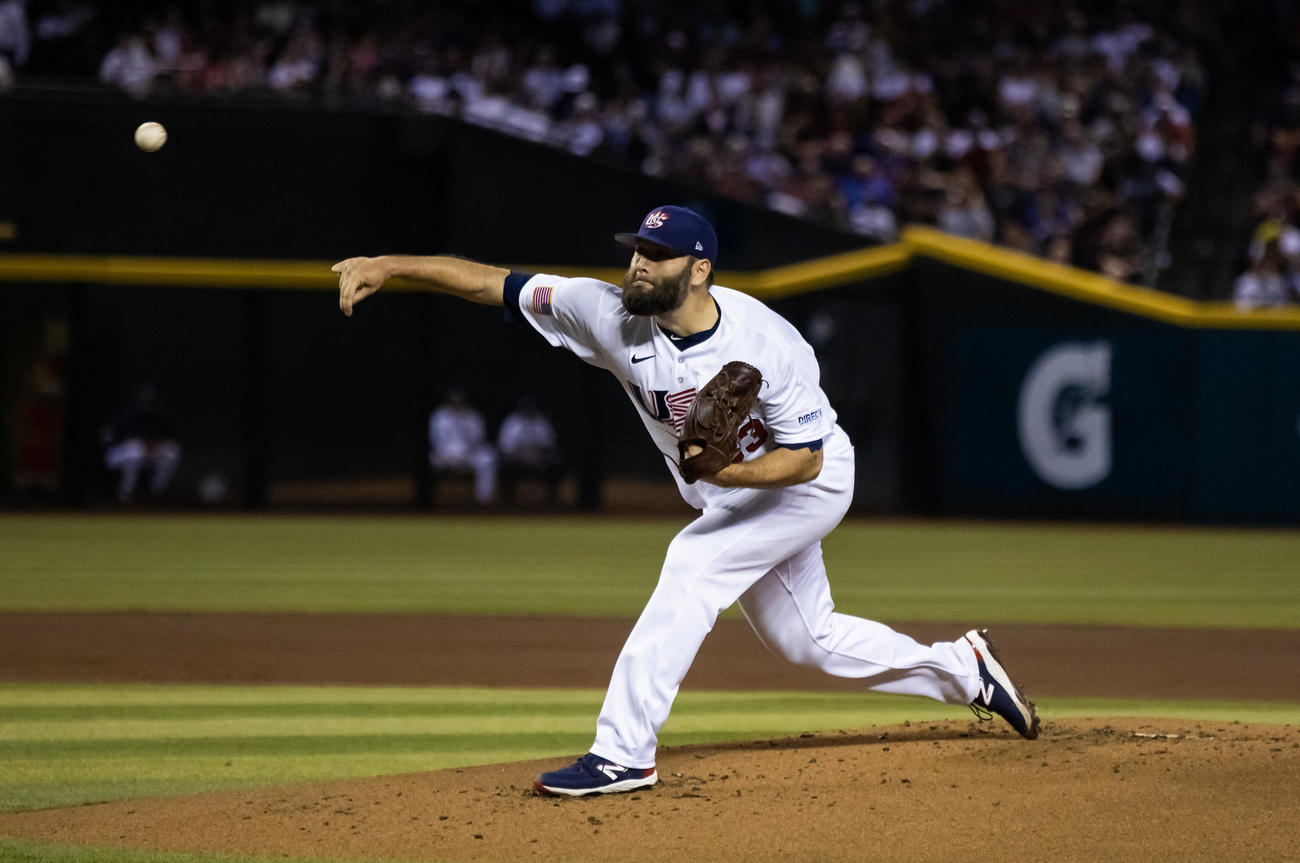
The 2023 World Baseball Classic final, held on March 21, 2023, at LoanDepot Park in Miami, served as a historic confrontation between Japan and the United States. In a 3-2 victory for Japan, the match concluded with a cinematic strikeout of Mike Trout by Shohei Ohtani, cementing Japan's third WBC title and solidifying the tournament's status as a pinnacle of international baseball competition.
Contextualizing the Stage: Japan vs. USA
The 2023 World Baseball Classic (WBC) represented a watershed moment for the sport. By the time the final arrived, global interest had reached an all-time high, driven by the presence of premier Major League Baseball (MLB) talent on both sides. Japan entered the tournament with an aura of invincibility, having gone undefeated through the group stages and the knockout rounds. The United States, reigning champions from 2017, carried a roster stacked with veteran superstars who had overcome early tournament struggles to reach the final.
For the international baseball community, this was more than a game; it was a verification of the parity between the Nippon Professional Baseball (NPB) league and the MLB. The tactical preparation, the intensity of the bullpens, and the quality of the scouting reports reflected a professional standard rarely seen in international exhibition play.
Strategic Pitching Management
Japan’s victory was built upon a meticulously managed pitching staff. Throughout the tournament, Japan relied on a combination of high-velocity starters and specialized relief arms. In the final, manager Hideki Kuriyama utilized a "piggyback" system that kept the American hitters off-balance. By rotating pitchers who possessed varying arm angles and release points, Japan prevented the high-powered USA lineup from finding a rhythm.
The United States, conversely, operated with a more traditional MLB-style approach, relying on depth and heavy-hitting production to support their pitching. However, the American staff struggled with consistency, a common issue for teams assembled on short notice. The lack of familiarity between catchers and the variety of pitchers in the US bullpen proved to be a marginal but decisive disadvantage against a Japanese team that had been training together for weeks prior to the tournament.
The Defining Tactical Sequence
The bottom of the ninth inning stands as the most analyzed segment of the entire tournament. Shohei Ohtani, who had served as the team’s designated hitter throughout the game, transitioned to the mound to secure the final three outs. The atmosphere in Miami was palpable as the two faces of modern baseball—Ohtani and Mike Trout—met at the plate.
Tactically, Ohtani’s approach was aggressive yet precise. He utilized his high-velocity fastball to challenge the American captain, followed by a sweeping slider that defied conventional hitting metrics. The sequence of pitches served as a microcosm of the entire tournament’s quality:
- The Challenge: Ohtani opened with a 99.8 mph fastball that was fouled back, establishing the velocity threshold.
- The Adjustment: He countered with a ball high in the zone to change the eye level.
- The Conclusion: A perfectly executed slider that broke away from the plate, forcing a swing-and-miss.
This moment was not merely about individual talent; it was a display of high-stakes pressure management. Ohtani’s ability to switch from batting to pitching in the middle of a high-leverage final is a feat rarely performed in contemporary baseball, underscoring his unique role in the sport.
Statistical Performance Comparison
The game was characterized by low-scoring efficiency rather than offensive explosions. While both teams boasted lineups capable of hitting multiple home runs, the pitching dominance on both sides restricted the opportunities for sustained rallies.
| Metric | Japan (SAMURAI JAPAN) | United States (Team USA) |
|---|---|---|
| Runs Scored | 3 | 2 |
| Hits | 5 | 9 |
| Errors | 0 | 0 |
| Home Runs | 2 | 1 |
| Pitchers Used | 7 | 8 |
The table above illustrates the efficiency gap. Despite Team USA recording nearly double the hits of Japan, their inability to capitalize on runners in scoring position proved fatal. Japan utilized timely long-ball production—specifically home runs by Munetaka Murakami and Kazuma Okamoto—to secure the margin of victory.
Structural and Logistical Factors
The success of the 2023 final highlights several operational requirements for international baseball success:
- Preparation Time: The Japanese squad spent significant time in a pre-tournament training camp. This allowed for better synergy between the battery (pitcher and catcher) and defensive positioning, which was evident in their flawless fielding during the final.
- Scouting Accuracy: Both teams deployed advanced analytical data. However, the Japanese coaching staff appeared to have a more refined strategy for exploiting specific weaknesses in the US hitters’ approaches, particularly regarding off-speed pitches.
- Tournament Depth: The tournament structure allowed for the rotation of pitchers, but the depth of the Japanese pitching pool—specifically the availability of versatile arms who could bridge the gap between starters and closers—provided a distinct structural advantage.
Common Misconceptions Regarding the Outcome
A frequent point of debate among fans is whether the outcome was a result of talent disparity or coaching philosophy. Analyzing the box scores and situational statistics confirms that the disparity was not talent-based; the US roster was arguably the more expensive and theoretically more talented group on paper.
Rather, the result was a triumph of the "Team" philosophy over individual dominance. Japan prioritized situational hitting, sacrificial bunts, and defensive versatility, while the United States relied heavily on the individual capability of their hitters to produce runs in isolation. When those individual efforts were silenced by Japan's changing pitching looks, the US offense lacked an alternative "small-ball" mechanism to generate runs.
Lessons for Future International Tournaments
The 2023 final provided a blueprint for future international baseball competitions. The most significant takeaway is the importance of team cohesion. Nations looking to compete with the likes of Japan must move beyond assembling "all-star" teams and focus on functional integration.
Furthermore, the integration of Ohtani in a dual role has opened discussions regarding the "two-way player" eligibility and the tactical utility of such athletes in short-format tournaments. The ability to utilize a player as both an elite hitter and a closer provides a mathematical advantage in roster construction that future managers will undoubtedly attempt to emulate.
Frequently Asked Questions
Why did Shohei Ohtani pitch only one inning in the final? Ohtani was deployed specifically as the closer for the ninth inning. Given his heavy workload throughout the tournament as both a hitter and a starter, his use was managed under strict protocols to balance his dual-role performance and prevent overuse.
What was the primary difference between the two teams' hitting strategies? Japan focused on situational hitting and power efficiency, capitalizing on mistakes to drive in runs. The United States utilized a more aggressive, high-swing-effort approach aimed at driving the ball into gaps or over the fence, which proved less effective against Japan's variety of pitchers.
Did the humid conditions in Miami affect the pitching in the final? While humidity is often cited in Florida baseball, both teams faced the same environment. There was no evidence to suggest that the weather favored one style of pitching over the other, as both staffs maintained high levels of control throughout the nine innings.
How did the "pitch clock" impact the pace of the game? The 2023 WBC adopted many of the rule changes being tested in MLB, including the pitch clock. This kept the momentum of the game high and prevented the defensive team from taking excessive time to reset, which served to maintain the high-intensity atmosphere of the final.
What impact did this game have on international rankings? This victory reinforced Japan’s top-tier ranking in the World Baseball Softball Confederation (WBSC) standings. It also signaled to the international community that the gap between North American and Asian baseball styles is effectively closed, with different strategic philosophies now existing in equilibrium.
Final Assessment
The 2023 World Baseball Classic final remains a masterclass in modern baseball management. Japan’s victory was not a fluke, but the result of superior preparation, tactical flexibility, and the ability to execute under the most intense scrutiny imaginable. For fans and analysts, the game serves as the definitive reference point for the current state of professional international baseball. Success in future iterations will require not just elite talent, but the structural discipline and tactical adaptability showcased by the champions in Miami.