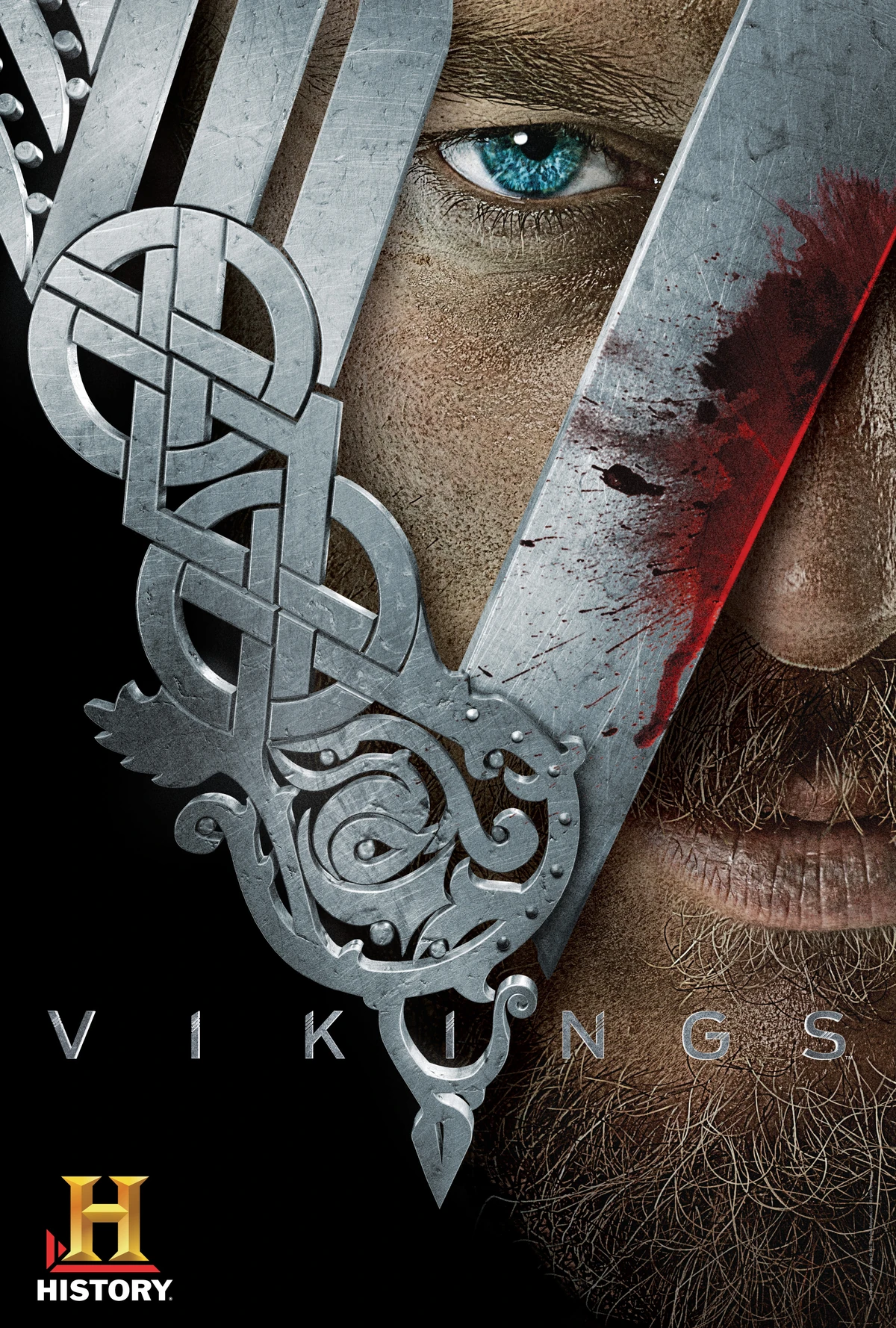
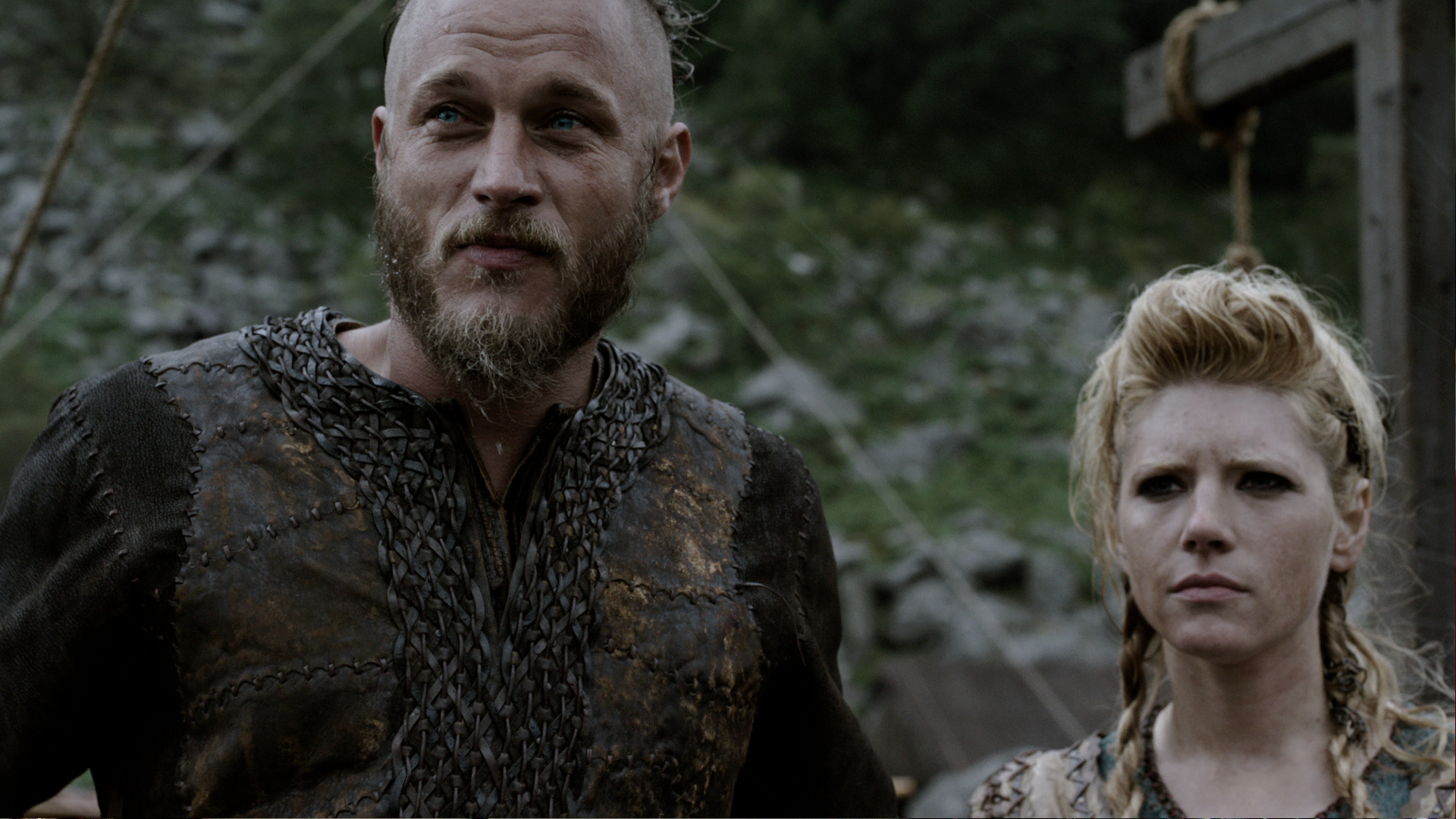
Vikings Season 1 serves as the foundational introduction to the legendary figure of Ragnar Lothbrok and his transformation from a dissatisfied farmer into a transformative Norse leader. Through his initial raids on Anglo-Saxon England and his challenge to the local Earl, the season establishes the sociopolitical dynamics, religious tensions, and expansionist ambitions that define the series.
The World of Kattegat and the Limits of Power
The narrative begins in the fictionalized settlement of Kattegat, Scandinavia, where Ragnar Lothbrok lives with his wife, Lagertha, and their two children, Bjorn and Gyda. During this period, the local Norse society is governed by Earl Haraldson. The Earl exercises absolute authority, demanding tribute from the local farmers and limiting their freedom to explore the "western lands."
Ragnar, a farmer and warrior, believes that wealth and destiny lie across the sea in the West. He relies on his brother, Rollo—a fierce warrior with deep-seated insecurities—and his friend Floki, a eccentric boat builder. Floki constructs a revolutionary longship capable of navigating the open ocean, which becomes the catalyst for Ragnar’s defiance of Earl Haraldson’s restrictive mandates.
The First Expedition to Lindisfarne
Ragnar’s first voyage marks a pivotal shift in Norse history within the show. Accompanied by his small crew, he navigates the high seas using an experimental sunstone to track position. They arrive at Lindisfarne, a monastery on the coast of Northumbria, England.
The raid is brutal and efficient. The Norsemen encounter unarmed monks, whom they view not as spiritual figures but as easy targets for gold and precious artifacts. This event serves two purposes: it introduces the vast wealth available to those who sail West, and it exposes the Norse characters to Christianity for the first time. Ragnar captures Athelstan, a young monk, and brings him back to Kattegat as a slave.
The Cultural Collision: Athelstan’s Role
Athelstan becomes one of the most important figures in the series. As a monk, he represents the moral and religious values of Anglo-Saxon England. His presence in Ragnar’s household creates a bridge between two cultures. Ragnar is not interested in killing Athelstan; rather, he is fascinated by the monk's knowledge, language, and the nature of his god.
This relationship allows the audience to witness the stark differences between the Norse polytheistic worldview, which emphasizes courage, fate, and the afterlife in Valhalla, and the Christian devotion to a single, merciful God. Athelstan’s gradual assimilation—and the internal conflict it causes him—provides a philosophical core to the season’s expansionist plot.
Conflict with Earl Haraldson
Upon returning to Kattegat with his spoils, Ragnar faces immediate opposition from Earl Haraldson. The Earl perceives Ragnar’s success as a direct threat to his leadership and an insult to his authority. Haraldson confiscates most of the loot from the Lindisfarne expedition, leaving the other farmers with minimal rewards.
The tension escalates as the Earl attempts to maintain power through intimidation, executions, and manipulation. He eventually learns of a secret meeting involving Ragnar and moves to eliminate him. The conflict culminates in a duel between the two men. Despite being wounded, Ragnar manages to kill Earl Haraldson, effectively becoming the new Earl of Kattegat. This change in leadership shifts the trajectory of the series, moving from internal tribal disputes to the pursuit of grander territorial goals.
Major Characters and Motivations in Season 1
To understand the progression of the story, it is helpful to categorize the primary figures and their driving motivations during these initial nine episodes.
| Character | Role | Primary Motivation |
|---|---|---|
| Ragnar Lothbrok | Farmer/Earl | Ambition, curiosity, and legacy. |
| Lagertha | Shield-maiden | Protecting family and maintaining honor. |
| Rollo | Warrior | Seeking status and overcoming his brother's shadow. |
| Earl Haraldson | Ruler | Maintaining power and preventing social instability. |
| Floki | Shipbuilder | Devotion to the gods and creative exploration. |
| Athelstan | Monk/Thrall | Religious survival and cultural navigation. |
The Second Voyage and the Siege of Hexham
As the new Earl, Ragnar expands his ambitions. He organizes a larger fleet to return to England, specifically targeting the Kingdom of Northumbria. This second excursion is marked by greater resistance from King Aelle of Northumbria. The Norsemen engage in a series of skirmishes, culminating in a significant battle near Hexham.
Ragnar demonstrates tactical ingenuity, using the environment to ambush the heavier, less mobile Saxon forces. The victory over Aelle’s soldiers solidifies Ragnar’s reputation as a warrior king and validates his belief that the Western lands are ripe for plunder. However, it also draws the attention of English nobility, setting the stage for more complex political maneuvering in subsequent seasons.
The Plague and the Loss of Children
Life in the ninth century was harsh, and the series does not shy away from the fragility of human existence. Following a return from the West, a sickness spreads through Kattegat. Many members of the community, including some of Ragnar’s inner circle, are affected.
The most devastating personal impact for the protagonist is the death of his daughter, Gyda. This tragedy serves as a grounding moment for the show, illustrating that despite Ragnar’s rise to power and his successes on the battlefield, he remains subject to the whims of fate and the natural world. This loss also strains his marriage to Lagertha, as they grieve in different ways, setting up the interpersonal drama that permeates the latter half of the season.
Religious Pilgrimage to Uppsala
In the season finale, the narrative shifts toward the cultural life of the Norse people. Ragnar travels to the sacred temple of Uppsala to participate in a great sacrifice to the gods. This gathering is crucial for establishing the religious hierarchy of the society.
At Uppsala, the viewers see the interplay between the Norse nobility and their priests, known as Seers. Ragnar seeks guidance on the future of his lineage, specifically regarding his sons. This segment of the season emphasizes the importance of prophecy and the belief that a man's fate is woven by the Norns, and that once it is written, it cannot be undone.
Key Themes Explored
- Exploration vs. Tradition: The friction between those content with the status quo and those seeking to venture into the unknown.
- Cultural Exchange: The impact of abduction and slavery on the exchange of ideas between pagan and Christian societies.
- The Cost of Ambition: The toll that Ragnar’s rise takes on his family, his friends, and the stability of his village.
- The Role of Women: The depiction of shield-maidens like Lagertha, who occupy a unique social position that allows for both political power and frontline combat participation.
Frequently Asked Questions
Why did Ragnar capture Athelstan instead of killing him?
Ragnar was driven by intellectual curiosity. He realized early on that Athelstan possessed knowledge of the West that could be useful. By keeping the monk alive, Ragnar gained an informant, a translator, and a unique perspective on the lands he intended to raid, which provided him a tactical advantage over other Norse leaders.
What was the significance of the sunstone in Season 1?
The sunstone was a tool used by Norse mariners to locate the position of the sun on cloudy days. Because the Vikings navigated using the stars and the sun, this tool allowed Ragnar to sail further out into the open ocean than had been previously possible. It symbolizes the bridge between Norse mythology and the practical scientific application of their time.
How does Earl Haraldson’s death change the show's structure?
Haraldson’s death transitions the series from a local dispute over resources and tribal politics to a broader narrative focused on conquest. With the title of Earl, Ragnar no longer has to justify his actions to a cautious ruler; he gains the freedom to command larger fleets and dictate the future of his people.
Why is the trip to Uppsala important for the series?
The pilgrimage to Uppsala provides essential context regarding the Norse religion. It demonstrates that the Vikings were not merely mindless raiders; they were a people with a deeply structured belief system, complex rituals, and a society organized around their faith in the Aesir gods.
What is the primary conflict in the final episode of Season 1?
The final episode focuses on the burden of prophecy and political tension within the Norse hierarchy. While it explores the religious significance of the blood sacrifices at Uppsala, it also highlights the emerging power struggles as different leaders look toward the future of their claims and their families.
Final Perspective
Vikings Season 1 functions as a masterclass in establishing world-building while maintaining focus on a singular, driven protagonist. By the end of the season, the audience has moved from the cold, limited shores of Kattegat to the expansive, wealthy kingdoms of England. The journey of Ragnar Lothbrok is not just one of survival, but one of transformation, forever altering the path of both his people and the civilizations he encounters.
For those revisiting the series or starting it for the first time, keep in mind that the character developments in these initial nine episodes provide the necessary context for the political betrayals and grand-scale wars that define the later seasons. The tragedy of the loss of children, the tension between the Christian and Pagan worldviews, and the relentless ambition of the Norse leaders remain the pillars upon which the entire series stands.