The evolution of VH1 reality programming represents a pivotal shift in cable television history, marking a transition from a music-video-centric network to a dominant force in the unscripted genre. By leveraging high-concept celebrity-driven premises, VH1 successfully redefined the "celebreality" format, turning the network into a pop-culture powerhouse throughout the early 2000s and 2010s.
The history of VH1 reality show launches is a narrative defined by aggressive format experimentation, the rise of the "celebreality" sub-genre, and a strategic pivot toward diverse, urban-focused unscripted narratives. Originally launched as the sibling network to MTV, VH1 spent its first decade focusing on adult-oriented music programming. However, as the turn of the millennium approached, the network faced a critical need to broaden its appeal. This led to the launch of the landmark series The Surreal Life in 2003, which acted as the cornerstone for the network's shift in identity. By placing fading or controversial celebrities in a shared living environment, VH1 successfully created a template for interpersonal conflict that fueled ratings for over a decade.
The Foundation: The Surreal Life and the Birth of Celebreality
Before the mid-2000s, VH1 was primarily known for Behind the Music, a series that documented the rise and fall of artists. While Behind the Music utilized unscripted elements, it was fundamentally a documentary series. The Surreal Life changed the network's trajectory by introducing a manufactured environment designed to provoke friction and spontaneity.
The logic behind these early launches was simple yet effective: take celebrities whose public images were either stagnant or misunderstood, place them in a mansion, and document the inevitable clashes. This format was not merely a show; it was an incubator for spin-offs. The network discovered that by focusing on individual personalities, they could launch ancillary series, such as Strange Love featuring Flavor Flav and Brigitte Nielsen. This strategy of "organic branching"—where successful participants from one show were given their own dedicated series—became the engine for VH1’s scheduling for nearly fifteen years.
Scaling the Strategy: Flava of Love and the Golden Era
Following the success of The Surreal Life, VH1 reached its zenith of cultural impact in 2006 with the launch of Flavor of Love. This show effectively solidified the "dating competition" sub-genre within the network's portfolio. By moving away from general celebrity ensembles toward a singular, high-profile protagonist, VH1 tapped into a specific brand of television that prioritized eccentricity and dramatic, confrontational editing styles.
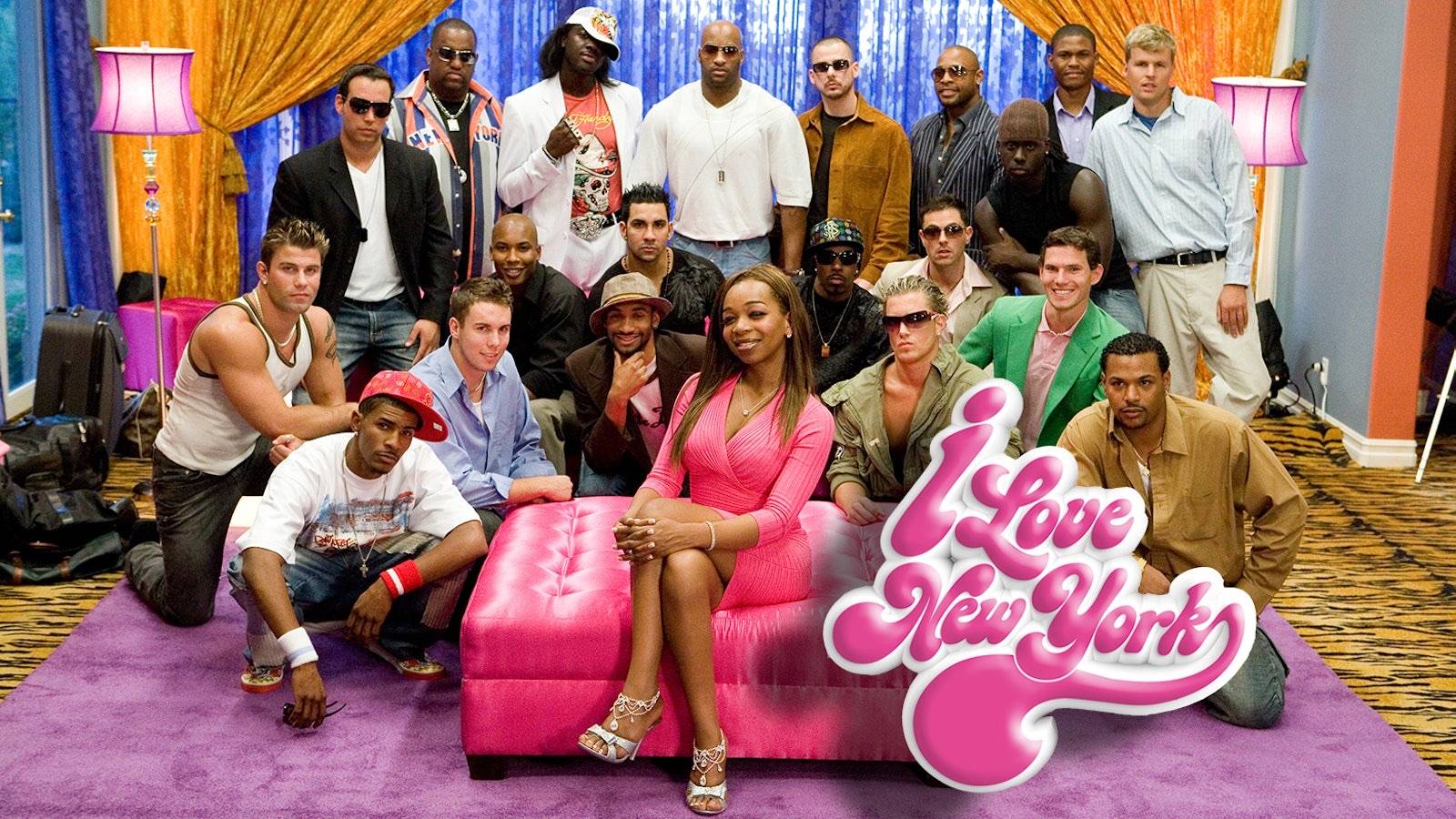
This era of launches included titles that became synonymous with the VH1 brand, such as Rock of Love with Bret Michaels and I Love New York. These shows were characterized by:
- The Protagonist-Centric Format: Centering the series on an aging rock star or a breakout reality personality to anchor the audience's interest.
- Aggressive Editing: The use of sound effects, rapid-fire confessionals, and "talking head" interviews that prioritized humor and shock value over authentic documentary realism.
- Synergy with Network Branding: Ensuring that the contestants from one show were often cross-promoted or re-used in other VH1 "Love" franchise shows, creating a closed ecosystem of personalities.
Transitioning to Urban Reality: The Love & Hip Hop Influence
By the early 2010s, the "celebreality" format began to face diminishing returns. Audiences grew wary of the contrived nature of mansion-based competition shows. Simultaneously, VH1 underwent a demographic shift, moving toward content that prioritized cultural relevance within the hip-hop and urban lifestyle space. The 2011 launch of Love & Hip Hop: New York represented the most successful pivot in the network's history.
Unlike the competition shows of the past, Love & Hip Hop functioned more as a docu-soap. It tracked the professional and personal lives of musicians, managers, and influencers. This shift required a different approach to production:
- Ensemble Casting: Rather than one central star, the series relied on a rotating, complex cast of characters.
- Real-World Locations: Filming took place in actual recording studios, homes, and public venues, grounding the show in a specific urban culture rather than an isolated "house."
- Serial Storytelling: Stories developed over multiple seasons rather than resolving within a single competition cycle.
Comparative Analysis of VH1 Programming Eras
To understand how the network evolved, it is helpful to compare the production philosophies of its most successful periods.
| Era | Primary Format | Target Demographic | Key Success Metric |
|---|---|---|---|
| Early Celebreality (2003–2005) | Ensemble reality | Gen X / Boomers | Tabloid intrigue |
| Golden Competition (2006–2009) | Dating competition | Millennials | Social media virality |
| Docu-Soap Pivot (2011–2020) | Urban lifestyle ensemble | Diverse urban youth | Cultural trendsetting |
Operational Constraints and Industry Shifts
The history of VH1 is also a history of navigating the changing economics of cable television. In the early 2000s, low-budget, high-output reality shows were the most cost-effective way to fill a 24-hour programming block. However, as the 2020s approached, the rise of streaming services placed immense pressure on linear cable networks.
The launch of newer VH1 series in the 2020s has increasingly focused on leveraging existing intellectual property and expanding successful franchises (such as the expansion of the Love & Hip Hop brand to Atlanta, Miami, and Hollywood). This risk-averse strategy ensures a built-in audience, but it also reflects the reality that launching a brand-new, original concept is significantly more difficult in a saturated market where audiences are fragmented across digital platforms.
Common Misconceptions Regarding VH1 Launches
One persistent misconception is that VH1’s shift to reality television was a rejection of music. In reality, the network’s executives viewed reality programming as a way to maintain an audience that had migrated to the internet for music videos. By casting musicians in reality roles, they attempted to bridge the gap between their musical heritage and their unscripted future.
Another misconception is that the "drama" in shows like Flavor of Love was entirely unscripted. While the premise was genuine, the production process utilized a "story producing" team—a common practice in reality TV where producers encourage specific interactions or interview segments to ensure a cohesive narrative arc is present in the final edit.
The Role of Digital Integration
In 2026, the legacy of these launches is felt in how they handle digital integration. Early VH1 shows were linear experiences; you had to watch them at the scheduled time to participate in the conversation. Modern VH1 launches, however, are designed for the "second screen." The pacing of these shows is specifically engineered to generate "GIF-able" moments and viral soundbites that travel across social media platforms, extending the life of each episode far beyond its original broadcast time.
Frequently Asked Questions
1. What was the first true reality show on VH1? While VH1 produced music-related specials, The Surreal Life (2003) is widely credited as the first show to adopt the modern reality format that defined the network, featuring celebrities living together and participating in challenges.
2. Why did VH1 move away from the "Love" competition shows? The competition format reached a point of audience fatigue by the late 2000s. The industry moved toward more "grounded" ensemble shows that focused on personal lifestyle dynamics rather than scripted-style eliminations.
3. How did VH1 manage the production of ensemble docu-soaps? The network moved toward a model of working with established production companies that specialized in urban lifestyle content. These producers focused on casting dynamic personalities with existing professional networks to ensure natural-feeling conflict.
4. Can I still watch the early VH1 reality launches in 2026? Many of the landmark shows from the 2000s are available via various digital streaming libraries and on-demand services, though availability can shift based on licensing agreements and network distribution rights in 2026.
5. How did VH1’s reality programming impact the wider television industry? VH1’s success proved that cable networks could dominate prime-time ratings by focusing on "low-brow" but highly addictive unscripted content, influencing the development of similar reality formats on networks like Bravo, MTV, and E!.
Recommendations for Further Study
To gain a deeper understanding of the network's history, one should look at the original air dates and ratings reports from the mid-2000s. Analyzing the transition from the The Surreal Life to the Love & Hip Hop franchise provides a clear map of how the network responded to shifting audience demographics. If you are researching this for historical purposes, focus on the production company credits found at the end of episodes from each era, as these often reveal which external teams were responsible for the shift in tone.