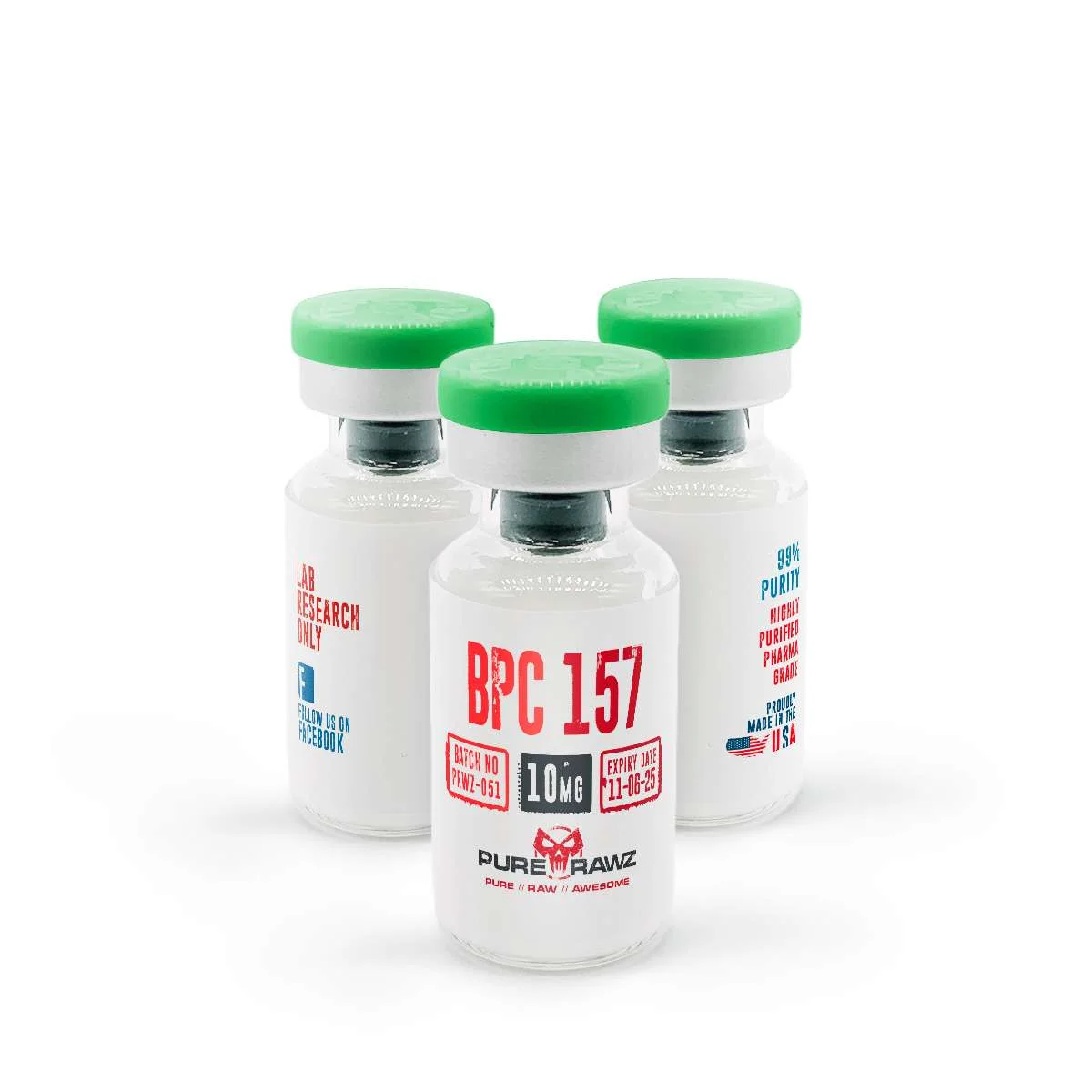
To mix BPC-157, you must carefully introduce a diluent—typically Bacteriostatic Water—into the vial containing the lyophilized (freeze-dried) peptide powder. The standard procedure involves using a 1ml or 3ml syringe to transfer 1ml to 3ml of water into the vial, letting it dissolve slowly without shaking, and then storing the solution in a refrigerated environment between 2°C and 8°C (36°F–46°F).
Understanding BPC-157 and the Reconstitution Process
BPC-157 (Body Protection Compound-157) is a synthetic pentadecapeptide composed of 15 amino acids. In a laboratory or research setting, it is almost exclusively distributed in a lyophilized state. Lyophilization is a dehydration process used to preserve perishable materials by freezing them and then reducing the surrounding pressure to allow the frozen water in the material to sublimate directly from the solid phase to the gas phase. This results in a stable, white, flakey "cake" or powder at the bottom of the glass vial.
Reconstitution is the technical term for returning this freeze-dried matter into a liquid state so it can be measured and utilized in research applications. Because peptides are fragile molecular structures held together by relatively weak peptide bonds, the mixing process must be handled with precision to avoid mechanical degradation. As of 2026, while BPC-157 remains a primary subject of regenerative medicine research, the protocols for its preparation remain strictly standardized to ensure experimental validity and peptide integrity.
Professional Advice Limitation
This guide is intended for informational and laboratory research purposes only. BPC-157 has faced various regulatory hurdles, including inclusion on the WADA Prohibited List and specific FDA restrictions regarding compounding in certain jurisdictions. Always consult local regulations and institutional biosafety committees before handling research peptides. This substance is not approved for human consumption or clinical use in many regions.
Mandatory Equipment for Reconstitution
Before beginning the mixing process, a researcher must gather specific supplies. Using the wrong equipment can lead to contamination or inaccurate dosing, which compromises the integrity of the research.
- Lyophilized BPC-157 Vial: Commonly found in 2mg, 5mg, or 10mg increments.
- Bacteriostatic Water (0.9% Benzyl Alcohol): This is the preferred diluent. The benzyl alcohol acts as a preservative, inhibiting the growth of bacteria, which allows the vial to be used multiple times over a period of weeks.
- Alcohol Prep Pads: Used to sterilize the rubber stoppers of both the water vial and the peptide vial.
- Insulin Syringes (U-100): Typically 1ml (100 units) or 0.5ml (50 units) with a fixed needle (usually 29 to 31 gauge). These are used for final measurement.
- Reconstitution Syringe: A larger syringe (3ml or 5ml) with a detachable needle (23-25 gauge) is often used to transfer the water into the peptide vial, though an insulin syringe can be used if 1ml or less of water is required.
Selecting the Correct Diluent: Why Bacteriostatic Water Matters
A common point of confusion in "BPC-157 mixing guide PDF" searches is the choice between Sterile Water and Bacteriostatic Water. In a 2026 research environment, Bacteriostatic Water (u.s.p.) is the gold standard for multi-dose vials.
- Bacteriostatic Water: Contains 0.9% benzyl alcohol. This preservative allows the solution to remain stable and sterile for up to 28 days after the first puncture of the vial, provided it is refrigerated.
- Sterile Water for Injection: This contains no preservatives. Once the vial is opened or the powder is reconstituted, there is no chemical defense against bacterial bloom. Sterile water is typically used for single-use applications and is generally avoided for BPC-157 vials intended for multi-day research.
- Sterile Saline (0.9% Sodium Chloride): While sometimes used, saline can occasionally cause certain peptides to precipitate out of solution depending on the pH and concentration. For BPC-157, Bacteriostatic Water remains the safer, more stable choice.
Detailed Step-by-Step Reconstitution Process
The goal of the mixing process is to transition the powder to a liquid without causing "shearing force," which can break the peptide chains.
Step 1: Preparation and Sterilization
Clean your workspace thoroughly. Remove the plastic flip-off caps from both the BPC-157 vial and the Bacteriostatic Water vial. Use a fresh alcohol swab to vigorously wipe the top of both rubber stoppers. Allow the alcohol to air-dry for at least 30 seconds; do not blow on them, as this introduces oral bacteria.
Step 2: Drawing the Water
Determine the amount of water you wish to add (usually 2ml for a 5mg vial). Pull the plunger of your reconstitution syringe back to the 2ml mark to fill it with air. Insert the needle into the Bacteriostatic Water vial and inject the air; this creates positive pressure, making it easier to draw the liquid. Invert the vial and withdraw 2ml of water, ensuring there are no large air bubbles.
Step 3: The "Vacuum" and Injection
Insert the needle into the BPC-157 vial. Most high-quality peptide vials are vacuum-sealed. You will likely feel the plunger being "pulled" down by the vacuum. Do not allow the water to spray directly onto the powder. This mechanical force can damage the peptide. Instead, angle the needle so the water drips slowly down the inside glass wall of the vial.
Step 4: Dissolving the Peptide
Once the water is in the vial, remove the syringe. You will notice the powder beginning to dissolve. Never shake the vial. Shaking causes foam (denatured proteins) and can break the molecular bonds. Instead, gently swirl the vial between your palms or rotate it slowly until the liquid is completely clear. If some particles remain, place the vial in the refrigerator for 15–30 minutes; they will usually dissolve on their own.
Peptide Mathematics: Calculating Concentration
The most critical part of any BPC-157 mixing guide is understanding the resulting concentration. The math follows a simple formula: Total Milligrams (mg) / Total Milliliters (ml) = Concentration in mg/ml.
Concentration Reference Table (for 5mg Vial)
| Water Added (ml) | Resulting Concentration | Units for 250mcg Dose | Units for 500mcg Dose |
|---|---|---|---|
| 1.0 ml | 5.0 mg/ml | 5 Units | 10 Units |
| 2.0 ml | 2.5 mg/ml | 10 Units | 20 Units |
| 2.5 ml | 2.0 mg/ml | 12.5 Units | 25 Units |
| 3.0 ml | 1.66 mg/ml | 15 Units | 30 Units |
| 5.0 ml | 1.0 mg/ml | 25 Units | 50 Units |
Note: Calculations assume a U-100 insulin syringe where 100 units = 1ml.
How to Read the Syringe
On a standard 1ml (U-100) insulin syringe, each small "tick" mark usually represents 2 units. If you have reconstituted a 5mg vial with 2ml of water, each 10-unit mark on the syringe equals 250mcg of BPC-157. Precision is paramount; even a small deviation in the amount of water added can significantly alter the experimental outcome.
Storage, Stability, and Handling Protocols
Once BPC-157 is reconstituted, its "half-life" at room temperature is relatively short. Peptides are sensitive to heat, light, and kinetic energy.
Temperature Requirements
In its lyophilized (powder) form, BPC-157 can be stored at room temperature for several weeks, though it is best kept in a freezer (-20°C) for long-term storage (up to 2 years). However, once mixed, the peptide must be refrigerated. In 2026, the consensus for research stability is that reconstituted BPC-157 remains viable for approximately 4 to 6 weeks when kept between 2°C and 8°C.
Light Sensitivity
BPC-157 should be kept in a dark environment. Exposure to direct UV light can lead to the degradation of the amino acid sequence. Most researchers keep their vials in the original box or a dedicated opaque container within the refrigerator.
Signs of Degradation
If the solution becomes cloudy, changes color, or contains visible "floaters" that do not disappear with gentle swirling, the peptide has likely been contaminated or has denatured. In such cases, the vial should be discarded according to laboratory safety protocols.
Common Mistakes to Avoid
Even experienced researchers can make errors during the reconstitution phase. Avoiding these pitfalls ensures the longevity of your BPC-157 solution.
- Using Too Much/Too Little Water: While the amount of water doesn't change the total amount of BPC-157 in the vial, using too little water (e.g., 0.5ml) makes it difficult to measure small doses accurately. Using too much water (e.g., 5ml) fills the vial to the brim, leaving no room for pressure equalization.
- The "Plunger Snap": If you don't hold the plunger while the vacuum pulls the water in, the water will slam into the powder. Always maintain manual control of the plunger to ensure a slow, controlled drip.
- Forgetting to Equalize Pressure: If you find it difficult to withdraw the liquid into an insulin syringe later, it may be because a vacuum still exists. You can remedy this by drawing a small amount of air into an empty syringe and injecting it into the vial.
- Freezing Reconstituted Peptides: You should never freeze BPC-157 once it has been mixed with water. The formation of ice crystals can tear the peptide bonds, effectively destroying the compound's structural integrity.
Frequently Asked Questions
How long does BPC-157 last after mixing?
When reconstituted with Bacteriostatic Water and stored in a refrigerator (2°C–8°C), BPC-157 typically remains stable for research use for 28 to 42 days. Beyond this window, the potency may begin to decline, and the risk of bacterial contamination increases as the benzyl alcohol's effectiveness diminishes.
Can I mix BPC-157 and TB-500 in the same vial?
While some researchers "stack" these peptides, it is not recommended to mix them in the same vial for long-term storage. Each peptide has a different molecular weight and stability profile. Mixing them can make it impossible to determine which peptide is degrading if the solution turns cloudy. It is standard laboratory practice to keep different compounds in separate vials.
What if my vial didn't have a vacuum?
A lack of vacuum does not necessarily mean the peptide is "bad," but it can be a sign of a poor seal. If the powder looks white and flakey and the solution remains clear after mixing, it is likely still viable. However, be extra vigilant for signs of contamination over time, as a compromised seal can allow air and microbes to enter more easily.
Is it normal for some powder to stay at the bottom?
Occasionally, the "cake" is compressed. If a small amount remains after the initial mix, do not shake it. Allow the vial to sit in the refrigerator for 30 minutes. The cold temperature and time usually allow the remaining particles to hydrate and dissolve naturally.
Can I use a regular needle instead of an insulin syringe?
For the mixing (reconstitution) phase, a larger needle is acceptable. However, for the measurement of specific doses (like 250mcg or 500mcg), only a U-100 or U-50 insulin syringe provides the necessary graduation marks for accuracy. Using a standard 3ml syringe for dosing often leads to significant waste and measurement errors.
Final Recommendations for Researchers
To ensure the highest quality results in your 2026 research endeavors, always source BPC-157 from reputable suppliers who provide third-party HPLC (High-Performance Liquid Chromatography) and MS (Mass Spectrometry) reports. These reports verify both the purity and the identity of the peptide.
Once your "1 bpc 157 mixing guide pdf" or digital notes are ready, perform a "dry run" of the math. Double-check your calculations before the needle ever touches the vial. Precision in the reconstitution phase is the foundation upon which reliable data is built. After mixing, keep a log of the reconstitution date on the vial label to ensure you utilize the compound within its window of peak stability.