The Boeing 737 MAX 8 is currently considered safe for commercial operation by every major global aviation authority, following a rigorous 20-month grounding and a comprehensive redesign of its flight control systems. In 2026, the aircraft maintains a safety record supported by millions of flight hours, mandatory dual-sensor data inputs, and enhanced pilot training protocols that were not present during its initial 2017 entry into service.
The Evolution of the Boeing 737 MAX 8 Safety Profile
To understand the safety of the Boeing 737 MAX 8 in 2026, one must look back at the fundamental aerodynamic changes that necessitated its most controversial system. The MAX 8 was designed as the successor to the 737 Next Generation (NG) family. To achieve a 14% improvement in fuel efficiency, Boeing utilized larger, more powerful CFM LEAP-1B engines. Because of the 737’s low ground clearance, these engines had to be mounted higher and further forward on the wing than on previous models.
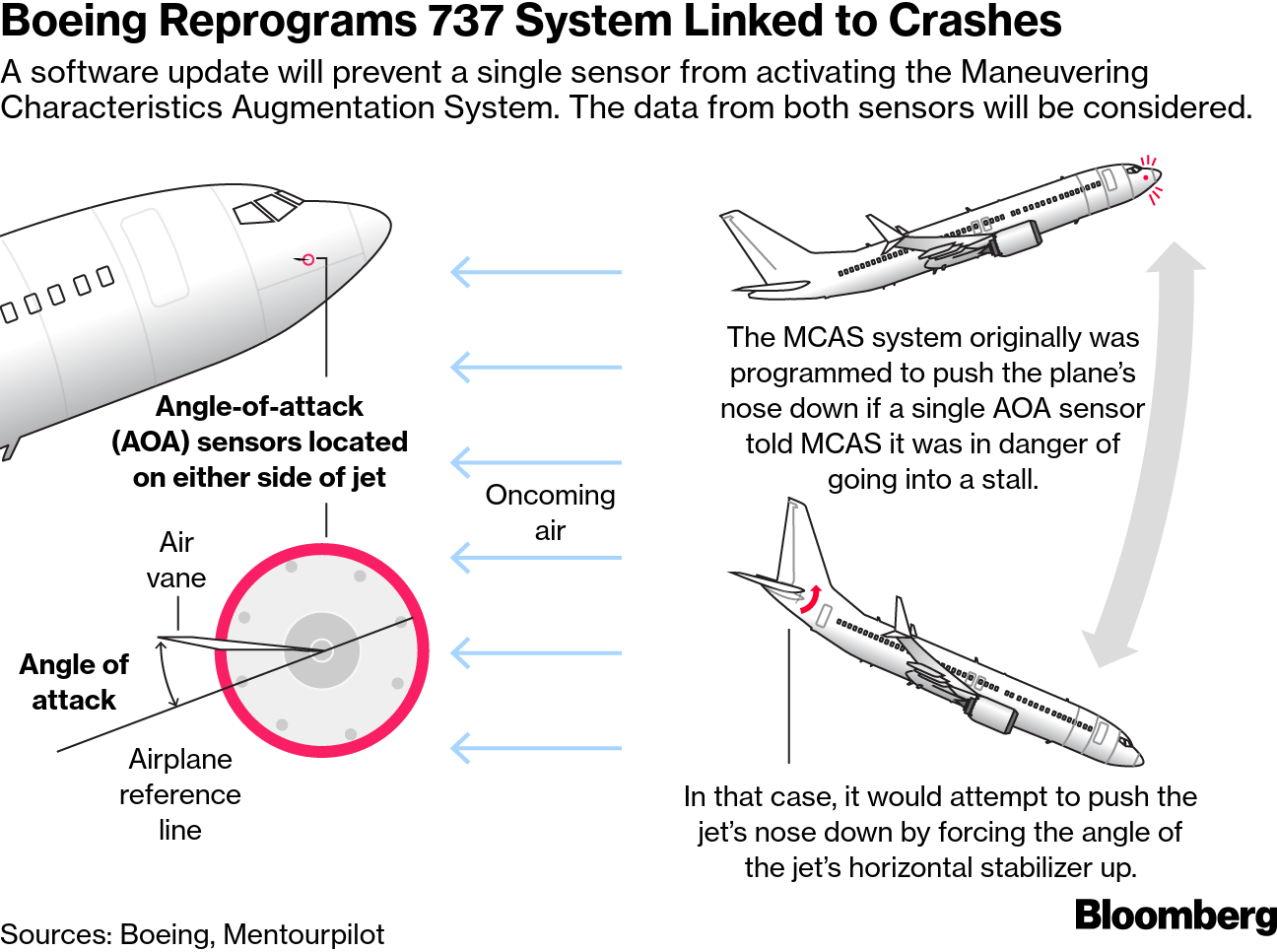
This change in engine placement altered the aircraft’s aerodynamics, specifically causing the nose to pitch upward during certain high-angle-of-attack (AOA) maneuvers. To ensure the MAX 8 handled similarly to the 737 NG—thereby allowing pilots to transition between models with minimal training—Boeing implemented the Maneuvering Characteristics Augmentation System (MCAS). The failure of this system, and the lack of pilot awareness regarding its existence, led to the accidents in 2018 and 2019 and the subsequent global grounding of the fleet.
In 2026, the MAX 8 is no longer the "new" aircraft it once was. It is a workhorse of the narrow-body market, having undergone the most extensive safety review in the history of commercial aviation. The safety overview today is defined by three pillars: software redundancy, physical hardware updates, and transparency in pilot training.
The Redesign of MCAS: From Single Point of Failure to Multi-Layered Safety
The primary focus of the Boeing 737 MAX 8’s safety overhaul was the MCAS software. In the original design, MCAS relied on data from a single Angle of Attack (AOA) sensor. If that sensor provided "erroneous" data (indicating the nose was higher than it actually was), the system would repeatedly trigger, pushing the nose down and making it difficult for pilots to maintain control.
Dual Sensor Integration
In the current 2026 operational environment, MCAS only activates if it receives data from two independent AOA sensors. If the sensors disagree by a significant margin (5.5 degrees or more), the system is automatically inhibited and will not activate. This prevents a single faulty sensor from providing the flight control computer with the incorrect justification to move the aircraft's stabilizer.
Limited Authority and Reset Logic
Furthermore, the authority of MCAS has been strictly limited. In the original version, MCAS could activate multiple times, eventually exhausting the pilot's ability to counter the nose-down trim via the control yoke. Today’s software ensures that MCAS can only trigger once for a single high-AOA event. Crucially, it can never apply more nose-down input than the pilot can counteract by pulling back on the column. This ensures that the human pilot always maintains "final authority" over the aircraft’s trajectory.
Hardware Improvements and the "AOA Disagree" Alert
Beyond software, several hardware and cockpit interface changes were mandated before the MAX 8 returned to the skies. One of the most critical was making the AOA Disagree alert a standard feature. Previously, this was an optional software add-on that many airlines did not purchase. It is now a mandatory safety feature that notifies pilots immediately if the two AOA sensors are providing conflicting information.
Enhanced Flight Control Computers
The aircraft's two Flight Control Computers (FCCs) now cross-check each other's processing logic. This creates a "fail-safe" environment where a hardware malfunction in one computer will not lead to unintended flight control movements. This level of redundancy is standard for modern fly-by-wire aircraft, and its retrofitting into the 737 MAX 8 brought the platform up to contemporary safety expectations.
Pilot Training and Human Factors Engineering
A significant contributor to the MAX 8 crises was the lack of documentation regarding MCAS in the original Pilot Flight Manual. Pilots were largely unaware the system existed, which led to confusion when it malfunctioned.
By 2026, training requirements have been revolutionized. Every pilot flying the 737 MAX 8 must undergo mandatory Full Flight Simulator (FFS) training. This training focuses on:
- MCAS Failure Scenarios: Pilots practice identifying and responding to erroneous MCAS activation.
- Runaway Stabilizer Procedures: Enhanced training on how to use the "stabilizer trim cutout" switches to disconnect the electric trim system.
- Manual Trim Handling: Pilots are trained to handle the physical forces required to manually trim the aircraft if the automated systems are disabled at high speeds.
This shift from computer-based training to hands-on simulator experience ensures that the "human-machine interface" is resilient. Pilots are no longer taught just how to fly the plane under normal conditions, but how to diagnose complex system interactions that were previously obscured.
Global Regulatory Oversight and the Return to Service
The safety of the Boeing 737 MAX 8 is verified by more than just the United States Federal Aviation Administration (FAA). Following the initial grounding, international bodies like the European Union Aviation Safety Agency (EASA), Transport Canada, and the Civil Aviation Administration of China (CAAC) conducted their own independent evaluations.
| Feature | Original 737 MAX 8 (2017) | Current 737 MAX 8 (2026) |
|---|---|---|
| MCAS Sensor Input | Single AOA Sensor | Dual AOA Sensor Comparison |
| MCAS Activation | Multiple/Repetitive | Single activation per event |
| Pilot Authority | MCAS could override pilot column | Pilot column always overrides MCAS |
| AOA Disagree Alert | Optional/Paid Add-on | Mandatory standard equipment |
| Pilot Training | iPad/Computer-based | Full Flight Simulator (FFS) |
| Regulatory Approval | FAA-led (Delegated) | Independent Multi-Agency Certification |
The "delegated authority" model, where Boeing employees performed some certification tasks on behalf of the FAA, was significantly reformed through the Aircraft Certification, Safety, and Accountability Act. In 2026, the FAA maintains a much more direct presence in the production and certification of each individual aircraft frame.
Production Quality and the 2024-2025 "Safety Culture" Shift
While the 737 MAX 8's technical design was the focus of the 2019 grounding, the overall MAX program (including the MAX 9) faced renewed scrutiny in early 2024 following an in-flight incident involving a door plug. Although that specific hardware issue did not affect the MAX 8, it triggered a massive audit of Boeing’s production facilities by the FAA.
As of 2026, Boeing has implemented a "Safety Management System" (SMS) that prioritizes quality over production speed. This includes:
- Enhanced Inspections: More rigorous checks at the Spirit AeroSystems facility (fuselage) and Boeing’s Renton assembly plant.
- Whistleblower Protections: Improved internal reporting mechanisms for engineers and assembly line workers.
- Production Caps: The FAA maintained caps on production rates for several years to ensure that quality control kept pace with assembly.
These organizational changes mean that a MAX 8 rolling off the assembly line in 2026 has been subject to more internal and external inspections than any previous iteration of the 737.
Statistical Safety Performance (2021–2026)
Since its return to service in late 2020, the Boeing 737 MAX 8 has completed millions of flights without a major safety incident related to its flight control systems. The dispatch reliability—a measure of how often the plane departs on time without technical issues—has stabilized to levels comparable with its predecessor, the 737 NG, and its primary competitor, the Airbus A320neo family.
The accumulated data from 2021 through 2026 shows that the aircraft's revised software has performed as intended. There have been several instances where AOA sensors failed in-flight due to bird strikes or environmental factors; in all recorded cases, the new safety logic successfully inhibited MCAS, and the pilots landed the aircraft safely after receiving the "AOA Disagree" alert. This real-world "proof of concept" is what has restored confidence in the aviation community.
Frequently Asked Questions
Is the Boeing 737 MAX 8 safe to fly in 2026?
Yes. The aircraft has undergone the most rigorous recertification process in aviation history. Every major international regulator has cleared it for flight, and its safety systems have been redesigned to eliminate the "single point of failure" that caused previous accidents.
How do I know if I am flying on a 737 MAX 8?
Passengers can identify the aircraft through several methods:
- Booking Info: Most airline websites and apps list the aircraft type (e.g., "737 MAX 8" or "7M8").
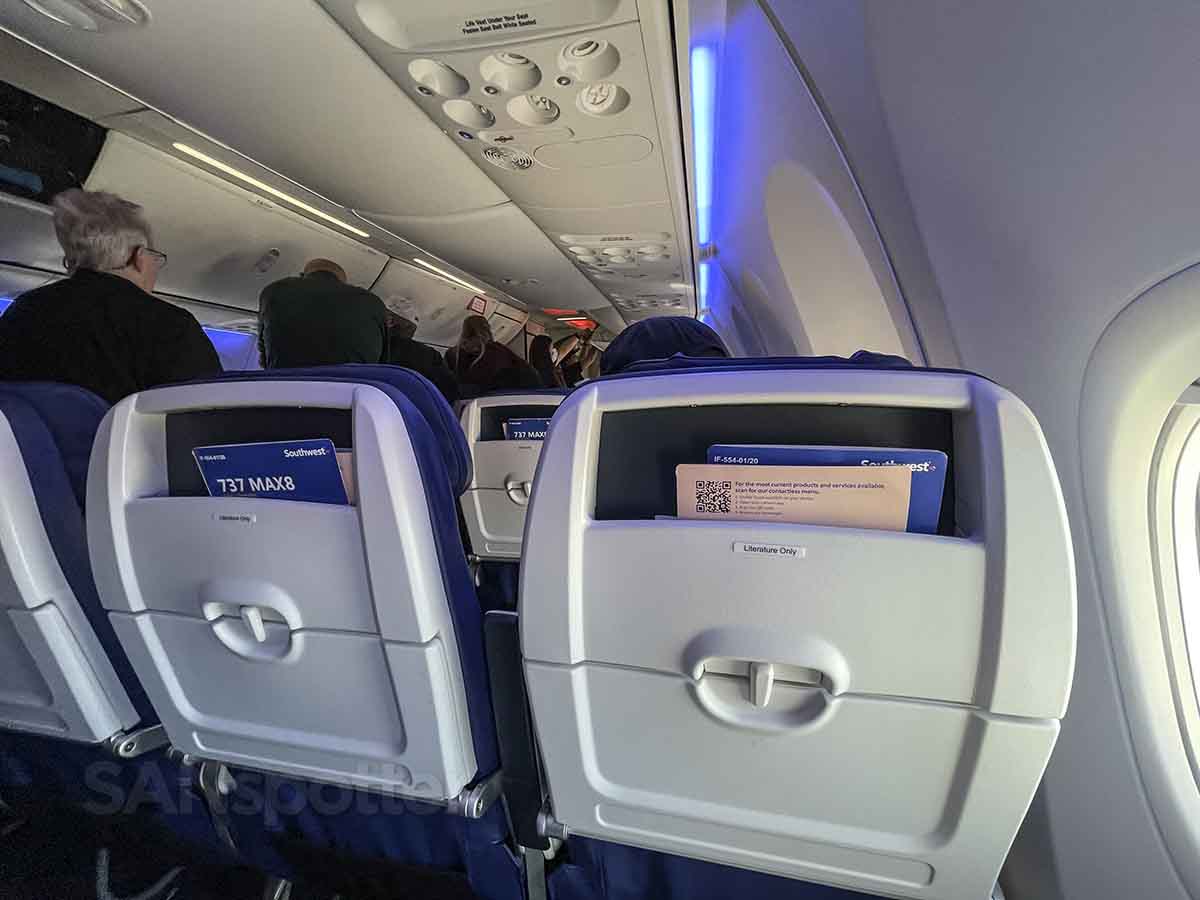
- Safety Card: The safety card in the seatback pocket will explicitly state the model.
- Visual Cues: The MAX 8 is distinguished by its "Advanced Technology" winglets (split v-shape) and the serrated "chevron" edges on the back of the engine nacelles.
Can pilots still override the automated systems?
Yes. One of the fundamental changes in the 2021 recertification was ensuring that the pilot always has "last say." If the pilot pulls back on the control column, the MCAS system is overridden. Additionally, the stabilizer trim cutout switches allow pilots to completely disconnect the electric trim system and control the aircraft manually.
What is the difference between the MAX 8 and the MAX 9?
The MAX 8 is the standard version of the aircraft, while the MAX 9 is a stretched version with more seating capacity. Both share the same engine types and flight control software (including MCAS). While the MAX 9 had a specific issue with a mid-cabin door plug in 2024, the safety updates to the flight control system are identical across the entire MAX family.
Have all 737 MAX 8 aircraft been updated?
Yes. No 737 MAX 8 is permitted to fly in commercial service unless it has received the mandatory software updates and its pilots have completed the required simulator training. These requirements are enforced by the FAA Airworthiness Directives.
Final Considerations and Next Actions
The Boeing 737 MAX 8 of 2026 is a technically distinct aircraft from the version that first flew in 2017. Through a combination of redundant sensor inputs, limited software authority, and rigorous pilot training, the risks associated with the original MCAS design have been mitigated.
For travelers or aviation professionals seeking further verification:
- Consult the FAA’s 737 MAX Resource Page for the latest Airworthiness Directives.
- Review the EASA (European Union Aviation Safety Agency) technical reports for independent safety analysis.
- Monitor monthly Operational Reliability reports published by major carriers like Southwest, United, and American Airlines, which provide data on the fleet's performance.
While no form of travel is entirely without risk, the level of scrutiny applied to the 737 MAX 8 has resulted in a platform that meets or exceeds the safety standards of the modern era.