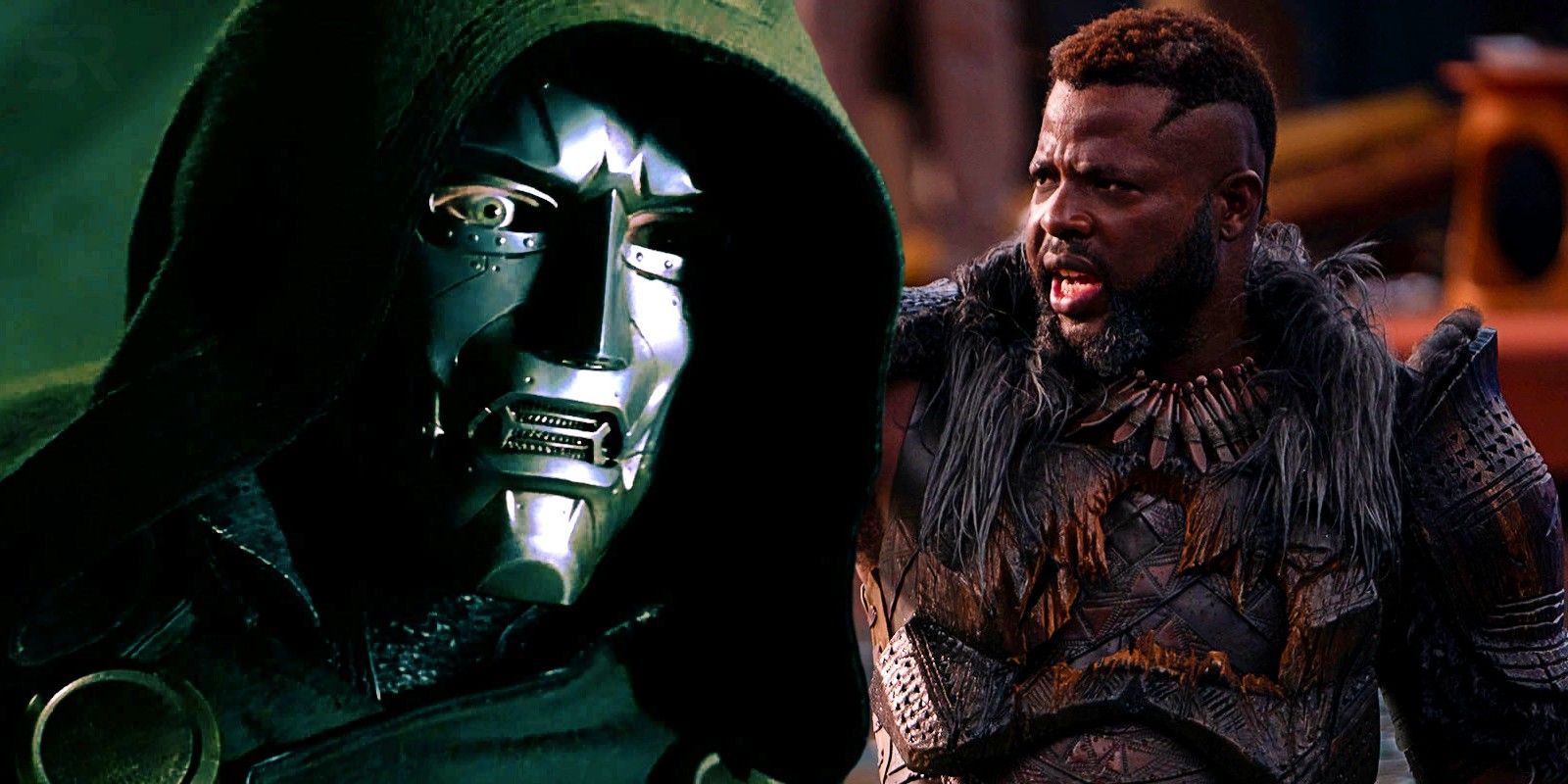
Black Panther: Wakanda Forever, commonly referred to as the second part of the Black Panther franchise, is a 2022 Marvel Studios film that continues the story of the kingdom of Wakanda following the death of King T’Challa. It focuses on Shuri, Queen Ramonda, and the Wakandan people as they face new threats from the underwater civilization of Talokan.
The journey of the second Black Panther film is one of the most complex production stories in modern cinema history. Originally conceived as a direct continuation of T’Challa’s reign, the project underwent a complete narrative overhaul following the tragic passing of lead actor Chadwick Boseman in 2020. As of 2026, the film stands as a pivotal milestone in the Marvel Cinematic Universe (MCU), marking the conclusion of Phase Four and setting the stage for the geopolitical conflicts currently unfolding in the Multiverse Saga.
The Production History and the Pivot of 2020
The development of a sequel to the 2018 blockbuster Black Panther began almost immediately after the first film's record-breaking success. Director Ryan Coogler initially drafted a script that explored T'Challa's adjustment to life after "The Blip" (the five-year period during which half of life in the universe disappeared). However, the death of Chadwick Boseman from colon cancer in August 2020 necessitated a profound change in direction.
Marvel Studios President Kevin Feige and Ryan Coogler made the definitive decision not to recast the role of T’Challa. This decision was based on the desire to honor Boseman’s singular performance and to allow the characters within the world of Wakanda to grieve alongside the real-world audience. This choice fundamentally altered the "part two" of the franchise, shifting it from an action-adventure centered on a king to a meditative, epic drama about legacy, grief, and the burden of leadership.
The production was further complicated by the global pandemic, which delayed filming and necessitated strict safety protocols. Despite these hurdles, the production moved forward in Atlanta and Puerto Rico, utilizing advanced filming techniques to create the stunning underwater world of Talokan, the film’s primary new setting.
Narrative Overview: Grief and Global Conflict
The plot of Black Panther: Wakanda Forever begins with the immediate aftermath of King T’Challa’s death from an undisclosed illness. This loss leaves Wakanda vulnerable in the eyes of the world. International powers, desperate for Vibranium, begin to pressure the nation to share its resources or face consequences.
The Rise of Talokan
The central conflict arises when a secret underwater civilization, Talokan, is discovered by a US government mining expedition. Talokan, led by the ancient and powerful Namor (Tenoch Huerta), has also flourished due to its own supply of Vibranium. Namor, fearing that the surface world’s greed will eventually lead to the destruction of his people, approaches Queen Ramonda and Shuri with an ultimatum: help him find and eliminate the scientist who created the Vibranium-detecting machine, or face war with Talokan.
The Journey of Shuri
Shuri (Letitia Wright) serves as the emotional core of the film. Initially rejecting the spiritual traditions of Wakanda in favor of her scientific pursuits, she struggles with anger and the feeling that she failed to save her brother. Her character arc involves reconciling her scientific brilliance with the necessity of the Black Panther mantle. By the film's climax, she successfully synthesizes a new version of the Heart-Shaped Herb, allowing her to take on the powers of the Black Panther and defend her nation.
Deep Dive into Characters and Performances
The second installment of the franchise is noted for its strong ensemble cast, particularly the women of Wakanda.
- Queen Ramonda (Angela Bassett): Bassett’s performance earned her an Academy Award nomination, a first for an actor in a Marvel film. Her portrayal of a mother and queen dealing with insurmountable loss while maintaining national sovereignty provided the film with its most powerful emotional beats.
- Namor (Tenoch Huerta): Unlike the traditional "villain," Namor is presented as a protector of his people. The film reimagines the character from the comics (originally from Atlantis) as the leader of a Mesoamerican-inspired civilization. This change added layers of colonial history and indigenous resistance to the narrative.
- Okoye (Danai Gurira): The leader of the Dora Milaje undergoes a significant transition, being stripped of her rank after failing to protect Shuri, only to find a new purpose through the "Midnight Angel" armor.
- Riri Williams / Ironheart (Dominique Thorne): Introduced as a brilliant MIT student, Riri serves as the catalyst for the conflict between Wakanda and the US/Talokan. Her inclusion bridged the gap between the Black Panther world and the broader technological advancements of the MCU.
Technical Achievements and Visual Identity
In 2026, Black Panther: Wakanda Forever remains a benchmark for technical excellence in the superhero genre. The film’s visual and auditory components were designed to contrast the high-tech, sun-drenched landscapes of Wakanda with the dark, bioluminescent depths of Talokan.
Costume Design and World Building
Ruth E. Carter, who won her second Academy Award for this film, used extensive research into Mayan and Aztec cultures to design the attire of the Talokanil. The use of organic materials, jade, and intricate headpieces helped distinguish the underwater culture from the Afrofuturist aesthetic of Wakanda.
The Soundtrack and Score
Ludwig Göransson returned as the composer, integrating traditional Mayan instruments and contemporary African music. The soundtrack, featuring the hit "Lift Me Up" by Rihanna, was curated to reflect the themes of mourning and rebirth. The score used specific motifs for Namor that incorporated conch shells and ancient flutes, creating a unique sonic identity for the new civilization.
Key Statistics and Release Information
| Category | Details |
|---|---|
| Official Title | Black Panther: Wakanda Forever |
| Release Date | November 11, 2022 |
| Director | Ryan Coogler |
| Running Time | 161 minutes (2 hours, 41 minutes) |
| Box Office | Approx. $859 million worldwide |
| Key Awards | Academy Award for Best Costume Design |
| Primary Streaming Platform | Disney+ (Available in IMAX Enhanced) |
| Language | English, Xhosa, Yucatec Maya, Spanish |
Cultural Impact and Representation
The first Black Panther was a cultural phenomenon for its representation of the African diaspora. The second part expanded this impact by incorporating the history and culture of Indigenous American peoples.
The film addresses the history of colonization in the Americas, particularly through Namor’s backstory. By showing the parallels between the isolationism of Wakanda and the hidden nature of Talokan, the movie explores how different cultures respond to the threat of external exploitation. This resonance has made the film a subject of academic study in film schools and cultural studies departments as of 2026.
Furthermore, the film handled the "passing of the torch" with nuance. In a genre often criticized for its lack of consequences, Wakanda Forever allowed its characters to sit with their pain. It did not provide an immediate "fix" for the loss of T'Challa, which many viewers found to be a more authentic representation of the human experience.
How to Watch Black Panther: Wakanda Forever in 2026
For viewers looking to experience the film today, there are several high-fidelity options available.
- Disney+: The film is a permanent fixture on the Disney+ library. It is available in 4K Ultra HD with Dolby Vision and IMAX Enhanced aspect ratios, which provide 26% more picture for the large-scale battle sequences.
- Physical Media: For collectors, the 4K Ultra HD Blu-ray remains the gold standard for audio and video quality, featuring a Dolby Atmos track that is particularly effective during the underwater scenes.
- Digital Purchase: Available on platforms like Apple TV, Amazon Prime Video, and Vudu. These versions often include bonus features such as "Envisioning the World" and "New Old Spirits," which provide behind-the-scenes looks at the production.
Troubleshooting and Common Questions
When watching the film, some viewers may have questions regarding its continuity or technical presentation.
- Audio Issues: If the dialogue seems quiet compared to the action, ensure your audio settings are set to "Stereo" if you are not using a multi-speaker surround sound system. The Dolby Atmos track is highly dynamic and requires a compatible soundbar or receiver to balance correctly.
- Continuity: To fully understand the stakes of Wakanda Forever, it is recommended to watch Black Panther (2018), Avengers: Infinity War, and Avengers: Endgame first. These films establish the importance of Vibranium and the history of T’Challa’s family.
FAQs
Why wasn't T'Challa recast in the second movie?
The decision not to recast was made by Marvel Studios and director Ryan Coogler to honor the legacy of Chadwick Boseman. They felt that Boseman's portrayal was too iconic to replace and that the narrative of the sequel should reflect the real-world loss felt by the cast and fans.
Is Michael B. Jordan in Black Panther: Wakanda Forever?
Yes, Michael B. Jordan makes a brief appearance as Erik Killmonger during a vision quest in the Ancestral Plane. His appearance serves as a narrative mirror for Shuri, challenging her motivations and helping her decide what kind of leader she wants to be.
Who is the new Black Panther at the end of the film?
Shuri, T’Challa’s sister, becomes the Black Panther. She successfully recreates the Heart-Shaped Herb using a fiber from a Talokanil plant, which grants her the enhanced strength, speed, and durability of the protector of Wakanda.
How did King T'Challa die in the movie?
In the film's opening, it is explained that T'Challa died from a rapid, unspecified illness. Shuri had been trying to synthetically recreate the Heart-Shaped Herb to save him, but she ran out of time. This plot point emphasizes the mortality of even the most powerful heroes.
Will there be a Black Panther 3?
While Marvel Studios has not officially announced a specific release date for a third solo film as of early 2026, the mid-credits scene of Wakanda Forever introduced T’Challa’s son, Toussaint (Prince T’Challa), suggesting the lineage will continue. Characters from Wakanda continue to appear in various Disney+ series and upcoming Avengers ensemble films.
Next Steps for Fans
If you have recently finished watching "Black Panther Part Two" and wish to explore the world further, consider the following actions:
- Watch the "Voices Rising" Documentary: This series on Disney+ provides an in-depth look at how the music for Wakanda Forever was created across the globe.
- Read the Comics: Explore the "Intergalactic Empire of Wakanda" run by Ta-Nehisi Coates or the "Black Panther" series by John Ridley for a different perspective on the kingdom's politics.
- Explore the MCU Phase Five: Watch Ironheart and the World of Wakanda projects to see how the events of the second film impact the broader universe.