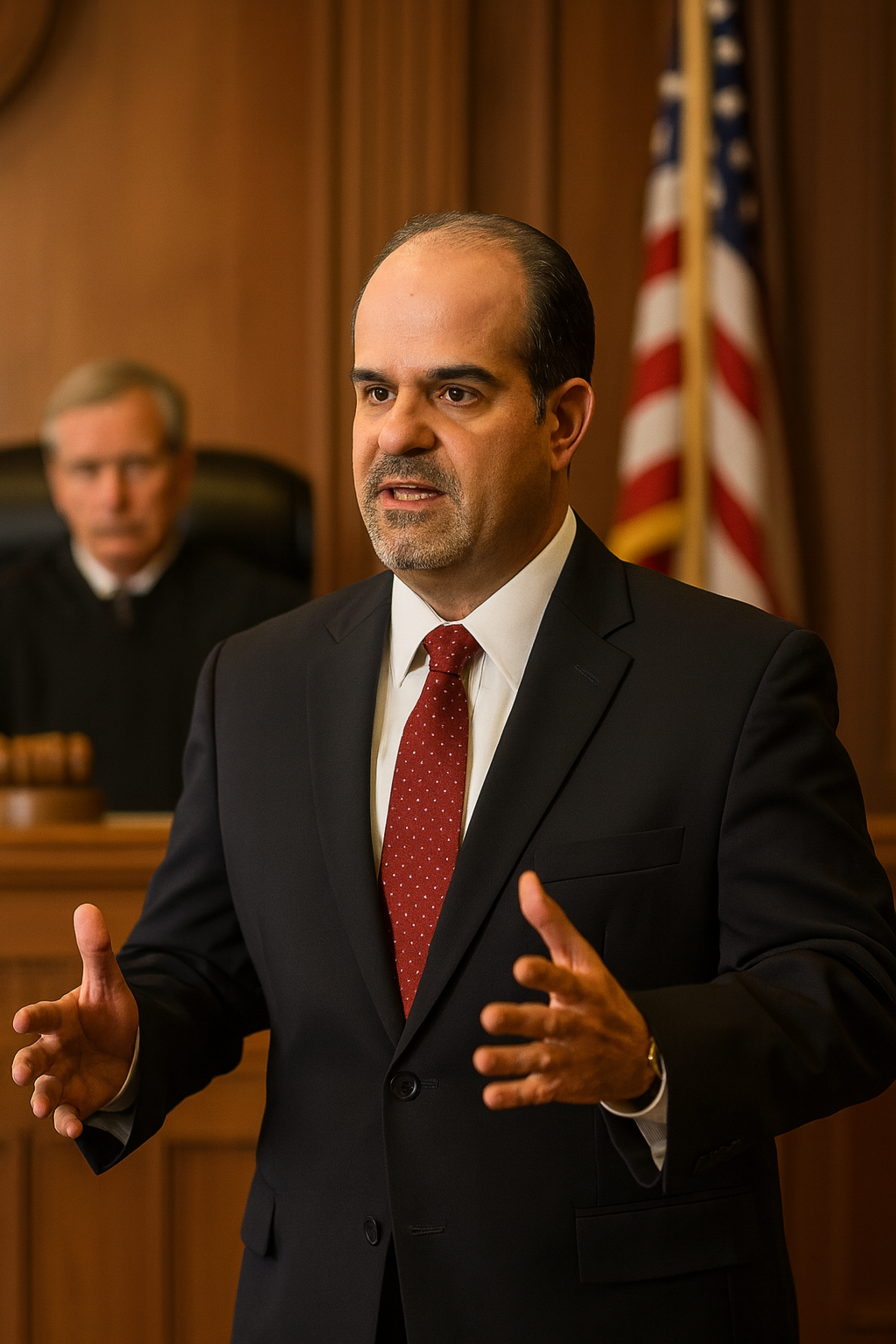
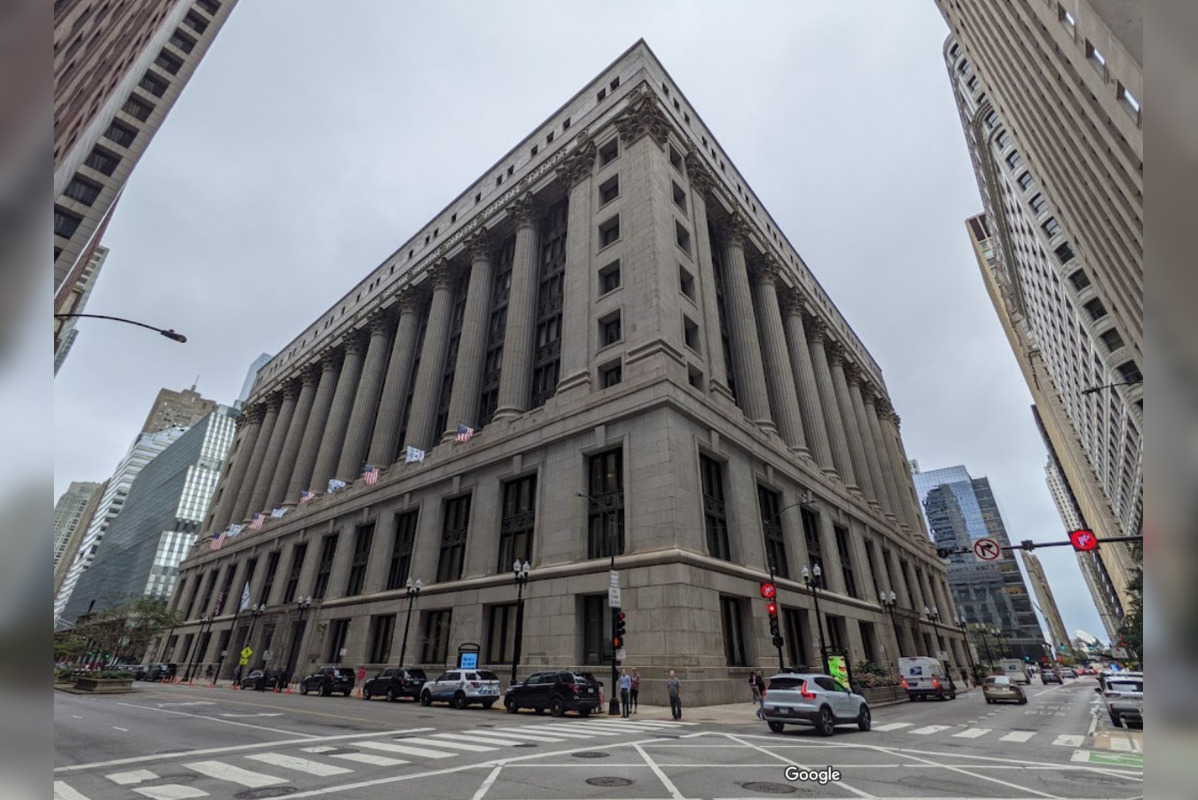
A criminal attorney in Chicago operates within the complex, high-volume environment of the Cook County Circuit Court, the largest unified court system in the United States. Navigating this landscape requires balancing aggressive courtroom advocacy, intricate knowledge of Illinois state statutes, and the pragmatic realities of plea negotiations in a system often burdened by immense caseloads.
The Landscape of Cook County Criminal Law
The practice of criminal law in Chicago is distinct due to the sheer scale of the jurisdiction. Attorneys here do not merely function as Perry Mason-style litigators; they act as strategists, negotiators, and logistical managers. A significant portion of a Chicago criminal attorney's work occurs outside the courtroom. This involves navigating the Cook County Department of Corrections, managing communication with the State’s Attorney’s Office, and preparing for the procedural rigors of the Leighton Criminal Court Building at 26th and California.
For a client, understanding the "realistic" look of an attorney means recognizing that successful representation is rarely defined by a single cinematic moment. Instead, it is defined by the attorney’s ability to conduct thorough discovery, identify weaknesses in the prosecution's evidentiary chain, and understand the specific tendencies of the judge assigned to the case.
Core Responsibilities and Daily Operations
An effective criminal defense attorney in Chicago manages a lifecycle of representation that typically follows a predictable, albeit high-pressure, path.
1. Initial Consultation and Case Assessment
Before a case reaches a courtroom, the attorney must conduct a comprehensive assessment. This involves reviewing the charging documents, identifying potential constitutional violations—such as illegal stops or coerced confessions—and setting realistic expectations for the client. In 2026, with evolving digital surveillance and body-worn camera evidence, the "discovery" phase is more technical than ever, requiring attorneys to be proficient in reviewing terabytes of police-recorded video and metadata.
2. Pre-Trial Strategy and Motion Practice
The vast majority of criminal cases in Chicago are resolved through plea agreements rather than jury trials. A realistic attorney spends significant time filing pre-trial motions to suppress evidence. If an attorney can successfully argue that evidence was obtained in violation of the Fourth Amendment, it may force the State’s Attorney to drop or significantly reduce charges. This is where the "real" work happens—in the written motions and the oral arguments held in chambers or open court.
3. Plea Negotiations
Negotiation is the primary mechanism of the Chicago legal system. A seasoned attorney must have a rapport with the prosecutors assigned to the courtroom. Knowing when to push for a dismissal, when to accept a deferred prosecution program, and when to seek a reduced sentence is a skill honed through years of experience within the Cook County system.
The Evolution of Defense in 2026: Technology and Procedure
The practice of criminal law in Chicago has shifted significantly in recent years. By 2026, the integration of digital evidence has become the cornerstone of defense strategy.
- Body-Worn Camera (BWC) Footage: Attorneys must spend hours meticulously scrubbing footage for inconsistencies between officer reports and recorded reality.
- Electronic Discovery: The transition to paperless discovery has increased the speed at which attorneys receive evidence but has also necessitated a higher level of technical competence to analyze digital files.
- Pretrial Fairness: Following the implementation of the Pretrial Fairness Act, the landscape of bail and detention has changed. Attorneys now focus heavily on detention hearings, where they must argue for their client’s release while navigating stringent risk-assessment frameworks.
Comparison: Public Defender vs. Private Counsel
One of the most common questions for those facing charges in Chicago is whether to hire private counsel or utilize the Cook County Public Defender’s Office. Both entities are staffed by highly competent attorneys, but their operational constraints differ.
| Feature | Private Criminal Attorney | Cook County Public Defender |
|---|---|---|
| Caseload | Selectively managed; allows more time per case. | Extremely high; limited time for individual attention. |
| Resources | Can hire private investigators and expert witnesses. | Must apply for funds for independent experts. |
| Continuity | Typically provides the same attorney from start to finish. | May involve different attorneys at various stages. |
| Accessibility | Usually available for frequent client meetings. | Access is generally limited to court dates and specific office hours. |
While private attorneys often provide a higher degree of availability and the ability to dedicate more hours to specific pre-trial investigations, the Cook County Public Defender’s Office remains a vital, skilled institution that handles a massive portion of the city's criminal defense work.
Common Misconceptions About Chicago Criminal Law
Pop culture has created a distorted view of the legal profession. A realistic look requires stripping away these myths.
- Myth: The Trial is the Goal. In reality, a trial is a high-stakes gamble. Most clients are best served by an attorney who can leverage the threat of a trial to secure a favorable plea deal.
- Myth: The Attorney Can "Get You Off." No attorney can guarantee an outcome. A realistic attorney speaks in terms of "mitigation," "exposure," and "legal risks." If an attorney guarantees a dismissal, it is a significant red flag.
- Myth: Courtroom Drama is the Norm. The vast majority of time is spent in hallways, conference rooms, and administrative offices. The "theatrics" seen on television would likely annoy a judge rather than persuade one.
The Role of Professional Ethics and Jurisdictional Limits
Legal representation in Illinois is governed by the Illinois Rules of Professional Conduct. A defense attorney’s primary duty is to zealously represent their client within the bounds of the law. This does not mean manufacturing evidence or lying to the court; it means holding the state to its burden of proof.
Disclaimer: This article provides general information and does not constitute legal advice. Legal outcomes in Chicago are subject to specific judges, specific facts, and changing statutes. If you are facing criminal charges, you should consult with a licensed attorney immediately to discuss the specifics of your situation.
Frequently Asked Questions
How does an attorney in Chicago determine the cost of representation? Most private criminal attorneys in Chicago charge a flat fee, which covers the representation through the trial stage. This fee varies significantly based on the severity of the charges—misdemeanors, felonies, and violent crimes each carry different levels of complexity and risk, which dictates the time commitment required.
Can I change my attorney if I am unhappy with their performance? Yes. You have the right to fire your private attorney at any time. However, if you are represented by a public defender, the process is more complex; you generally must show a breakdown in the attorney-client relationship that prevents effective representation, and the judge must approve the change.
What is the "Leighton" building and why is it important? The George N. Leighton Criminal Court Building at 26th and California is the hub for felony criminal cases in Cook County. Being familiar with its specific procedures, security protocols, and the different courtroom "cultures" within the building is an essential skill for any Chicago criminal lawyer.
What is the impact of a criminal record in Illinois? A criminal conviction can impact employment, housing, and professional licensing in Illinois. A realistic defense attorney will prioritize the long-term consequences of a plea, seeking outcomes like supervision or expungement-eligible dispositions whenever possible to protect the client's future.
How early should I contact an attorney? As soon as you are aware of an investigation or as soon as an arrest occurs. Delaying representation can lead to missed opportunities for pre-charge intervention, where an attorney might be able to prevent charges from being filed in the first place.
Next Steps for Legal Counsel
If you or a loved one is facing charges in Chicago, the most critical step is to secure qualified legal representation before making any statements to law enforcement. Research potential attorneys based on their specific experience in the Cook County system, check their standing with the Illinois Attorney Registration and Disciplinary Commission (ARDC), and schedule an initial consultation to discuss the viability of your case. Focus on finding an attorney who communicates clearly about the risks and the procedural realities of your specific charges.