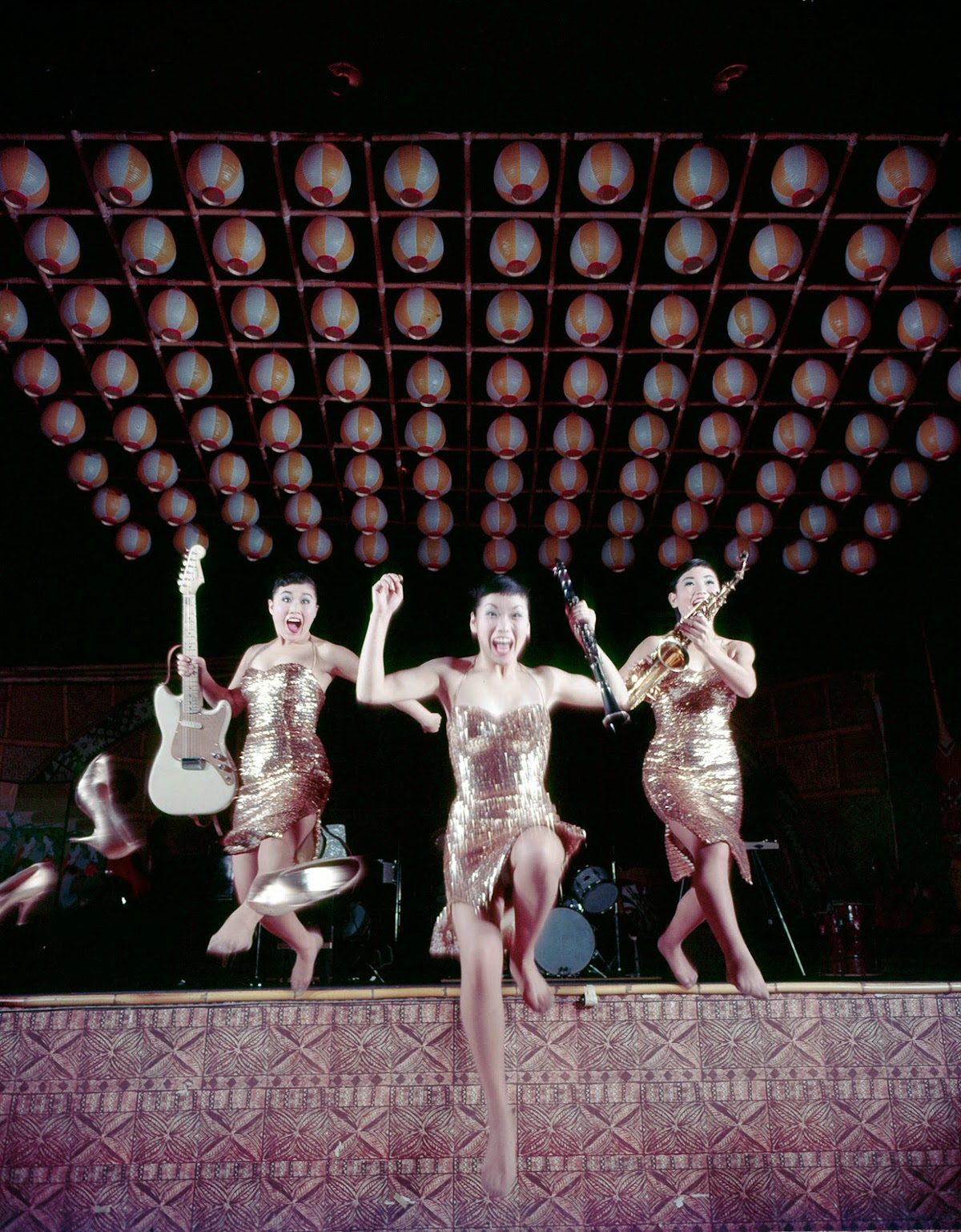
As of 2026, Mia Kim (Kim Min-ja) is the only surviving member of the original Kim Sisters trio. The group’s leader and eldest sister, Sue Kim (Kim Sook-ja), passed away on August 27, 2023, in Las Vegas at the age of 88. The third member, Ai-ja Kim, passed away much earlier, in 1987, due to lung cancer.
The Kim Sisters represent a monumental chapter in music history, serving as the first Korean musical act to achieve mainstream commercial success in the United States. Long before the global phenomenon of modern K-pop, these three women—Sue, Ai-ja, and Mia—conquered the Las Vegas Strip and became staples of American television during the 1950s and 60s. Their journey from war-torn Seoul to the bright lights of the Stardust Hotel is a story of survival, rigorous musical training, and cultural pioneering.
The Current Status of the Original Trio (2026)
To understand the current status of the Kim Sisters, one must look at the individual lives of the three women who formed the core of the group. While the group officially disbanded as a full-time performing act decades ago, their individual paths remained deeply intertwined with the entertainment industry and their adopted home in the United States.
Mia Kim (Min-ja): The Sole Survivor
Mia Kim, often identified as the "cousin" who was raised as a sister within the family, is the only member of the trio still alive in 2026. After the group's peak years in the United States, Mia pursued a more jazz-oriented musical path. She married the renowned Hungarian percussionist and vibraphonist Tommy Vig.
The couple eventually moved to Budapest, Hungary, where Mia continued to perform and record. In her later years, Mia has been instrumental in preserving the group's legacy, often appearing in documentaries and interviews to discuss the hardships they faced during the Korean War and the discipline required to succeed in the American "Chitlin' Circuit" and eventually Las Vegas. In 2026, she remains a respected figure in the international jazz community and a living link to the origins of the Korean Wave.
Sue Kim (Sook-ja): The Matriarch of the Group
Sue Kim was the driving force and the "manager" figure among the sisters. She was the one who most successfully transitioned into a long-term life in Las Vegas after the group’s heyday. Sue passed away in late 2023, marking the end of an era for the Nevada entertainment scene.
During her life in America, Sue was not only a performer but also a savvy businesswoman. She was the first Korean person to be inducted into the Nevada Entertainer's Hall of Fame (2006). Her death in 2023 was widely reported in both American and South Korean media, highlighting her role as a cultural ambassador who helped bridge the gap between the two nations through entertainment.
Ai-ja Kim: An Early Departure
Ai-ja Kim was often noted for her vibrant stage presence and comedic timing. Unfortunately, she was the first of the sisters to pass away. Her death in 1987 from lung cancer occurred at a time when the group’s historical significance was just beginning to be reappraised by a new generation of music historians. Her passing was a significant blow to the surviving sisters, as the trio’s bond was forged in the extreme conditions of the Korean War.
The Kim Sisters: A Comparison of the Trio
| Feature | Sue Kim (Sook-ja) | Ai-ja Kim | Mia Kim (Min-ja) |
|---|---|---|---|
| Status (2026) | Deceased (2023) | Deceased (1987) | Alive |
| Role in Group | Leader, Vocalist, Multi-instrumentalist | Vocalist, Comedic lead, Multi-instrumentalist | Vocalist, Multi-instrumentalist |
| Key Instruments | Tenor Sax, Guitar, Bass | Drums, Saxophone, Banjo | Piano, Bass, Saxophone |
| Primary Residence | Las Vegas, USA | Las Vegas, USA | Budapest, Hungary |
| Legacy Recognition | Nevada Entertainer's Hall of Fame | Pioneer of Korean stage comedy | Renowned Jazz performer in Europe |
Historical Context: From the Korean War to Las Vegas
The story of the Kim Sisters is inseparable from the geopolitical turmoil of the mid-20th century. Their survival and eventual success were the results of a calculated effort by their mother, Lee Nan-young, who was one of Korea’s most famous singers before the war (best known for the classic "Tears of Mokpo").
Origins in Conflict
During the Korean War, the sisters' father, Kim Hae-song, a prominent conductor and composer, was captured and killed by North Korean forces. Left to provide for her family in a devastated economy, Lee Nan-young trained her daughters and her niece (Mia) to perform for U.S. troops stationed in Korea.
This period was a grueling "boot camp" for the girls. They did not speak English initially, so they learned songs phonetically. Lee Nan-young recognized that to appeal to American GIs, the girls needed to be more than just singers; they needed to be a "variety act." Under her strict supervision, they learned to play over 20 different instruments, ranging from the bagpipes and banjo to the saxophone and traditional Korean instruments.
The Move to the United States
In 1959, the group was discovered by American show business scout Tom Ball, who signed them to a contract at the Stardust Hotel in Las Vegas. This was a monumental risk at the time, as Asian performers were rarely seen in headlining roles in American showrooms.
The Kim Sisters arrived in Las Vegas with little money and limited English, but their act was an immediate sensation. They were unique because they could harmonize like the McGuire Sisters while simultaneously playing multiple musical instruments and performing choreographed dance routines. This versatility made them perfect for the variety show era of television.
The Ed Sullivan Era and National Stardom
One cannot discuss the Kim Sisters without mentioning The Ed Sullivan Show. Between 1959 and 1970, the Kim Sisters appeared on the program 22 times. This was more appearances than almost any other musical act, including many top-tier American stars of the time.
Cultural Impact in the 1960s
Their appearances on Ed Sullivan's stage made them household names. They represented a "model minority" image that was palatable to Cold War-era America, but they also subtly challenged racial stereotypes by demonstrating immense technical proficiency across a wide range of musical genres—from country and western to Broadway hits.
The sisters eventually earned enough money to bring their entire family, including their brothers (who formed the "Kim Brothers" act) and their mother, to the United States. By the late 1960s, the Kim Sisters were reportedly earning upwards of $13,000 a week—a staggering sum at the time—and were the top money-makers for the Stardust Hotel.
Why the Kim Sisters Are Called the "Original K-Pop"
In recent years, music historians and K-pop fans have looked back at the Kim Sisters as the architectural blueprint for the modern idol system. While they operated in a vastly different era, several parallels exist between their training and the current K-pop industry:
- Rigorous Training: Much like modern trainees at agencies like SM or HYBE, the Kim Sisters underwent years of intensive daily practice in singing, dancing, and instrument mastery before their official "debut" in the U.S.
- Global Ambition: Their mother, Lee Nan-young, specifically tailored their act for a foreign market (the U.S.), anticipating the "Global K-pop" strategy by 60 years.
- Versatility: The expectation that a performer must be a "triple threat" (sing, dance, act/play instruments) was a core component of the Kim Sisters' appeal.
- Visual Branding: They were known for their impeccable costumes, often alternating between traditional Korean hanbok and glamorous Western evening gowns, using fashion as a tool for cultural storytelling.
The Legacy of Sue Kim and Her Impact on Las Vegas
When Sue Kim passed away in 2023, the Las Vegas community mourned her as a local icon. After the Kim Sisters stopped touring heavily in the 1970s, Sue remained in the city, becoming a prominent figure in real estate and community affairs.
She often spoke about the "double-edged sword" of their success. While they were incredibly wealthy and famous, they were also under immense pressure to support their extended family and maintain a "perfect" image. Sue’s leadership ensured that the family not only survived the transition to America but thrived in it. Her life story was later documented in various formats, including the 2016 documentary Try to Remember, which brought their story to a new generation of viewers.
FAQs About the Kim Sisters
Were the Kim Sisters actually sisters?
Sue (Sook-ja) and Ai-ja were biological sisters, the daughters of Lee Nan-young and Kim Hae-song. Mia (Min-ja) was their cousin, the daughter of Lee Nan-young’s brother. However, Mia was legally adopted into the immediate family and the three were raised and marketed as sisters from childhood.
Did the Kim Sisters speak English?
When they first arrived in the United States in 1959, they spoke very little English. They memorized their early American songs and comedy routines phonetically. Over time, they became fluent, with Sue Kim eventually becoming a prominent English-speaking spokesperson for the group and her community in Las Vegas.
How many times did they appear on The Ed Sullivan Show?
The Kim Sisters appeared on The Ed Sullivan Show 22 times. This remains one of the highest appearance counts for any musical group in the history of the show, highlighting their immense popularity during the 1960s.
What happened to their mother, Lee Nan-young?
Lee Nan-young, a legendary singer in Korea, stayed in South Korea initially but eventually joined her daughters in the United States. She passed away in 1965 in Seoul. Her legacy is still celebrated in South Korea, where she is known as the "Queen of Tears" for her emotional trot songs.
Are there any recordings of the Kim Sisters available today?
Yes, many of their performances from The Ed Sullivan Show have been digitized and are available on platforms like YouTube and the official Ed Sullivan archives. Their 1959 album, Their First Album, is also a sought-after item for collectors of mid-century vocal pop and exotica.
Recommended Next Steps for Fans and Historians
If you are interested in the history of the Kim Sisters, the best next action is to view the documentary "Try to Remember" (2016), directed by Kim Dae-hyun. This film provides the most comprehensive look at their lives, featuring extensive interviews with Sue and Mia Kim, as well as rare archival footage of their performances in Seoul and Las Vegas.
Additionally, for those visiting Las Vegas, the Nevada Entertainer's Hall of Fame at UNLV provides context on Sue Kim’s contributions to the city's cultural fabric. Understanding their story is essential for anyone wishing to understand the deep roots of the Korean Wave (Hallyu) and the long history of Asian-American contribution to the arts.