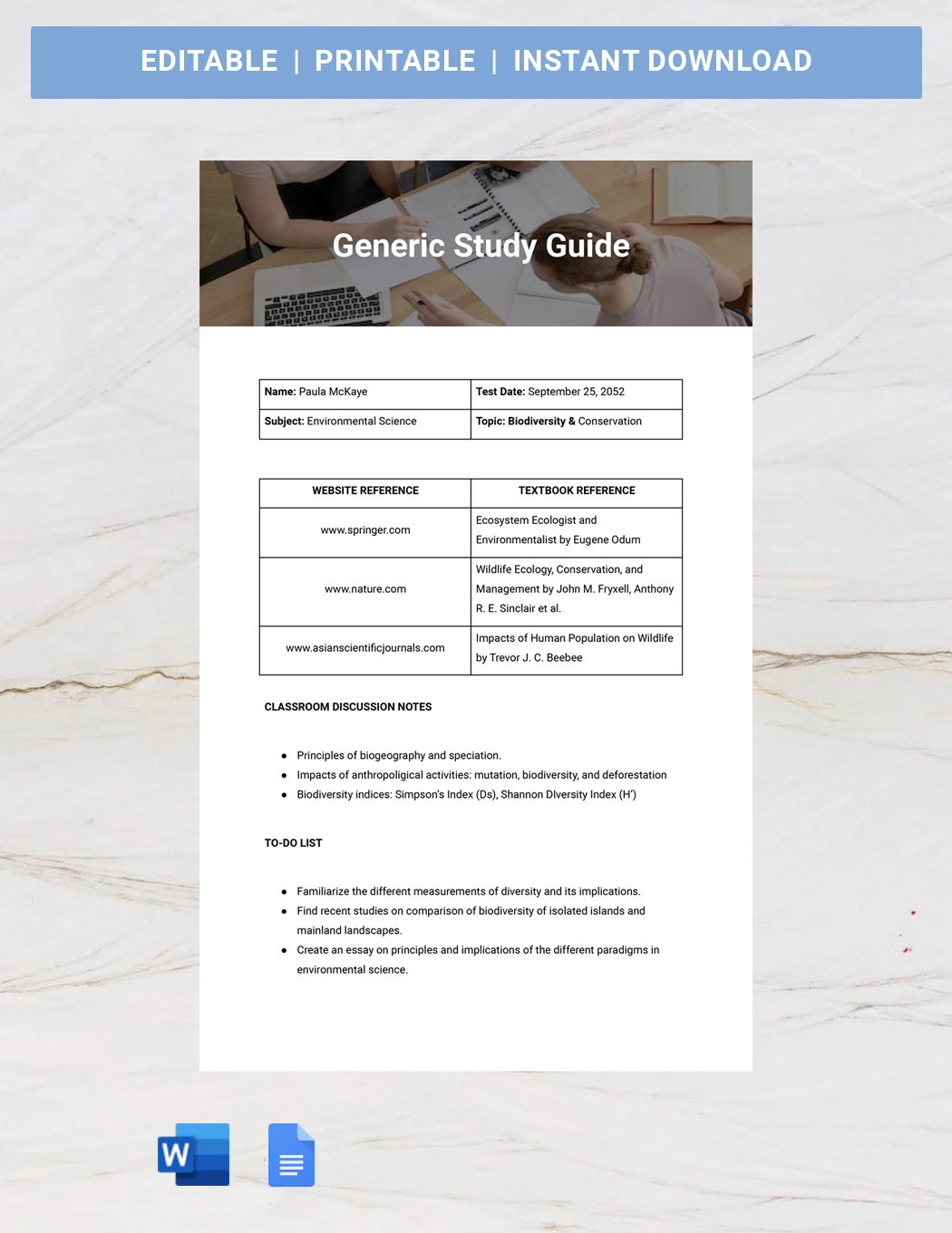
Navigating the landscape of TV show documentation requires a systematic approach to managing the lifecycle of production assets, legal requirements, and metadata standards. Whether you are an independent creator or part of a production house, establishing a rigorous documentation workflow is essential for ensuring content compliance, distribution readiness, and long-term asset archival in 2026.
Understanding the Role of Documentation in Television Production
Documentation in the television industry serves as the backbone of every project, from the initial concept pitch to the final archival of master files. When we discuss "TV show docs," we are referring to the essential repository of documents required to greenlight, film, edit, and legally clear a series for broadcast or streaming. Without these records, a project cannot secure errors and omissions (E&O) insurance, nor can it pass the rigorous technical specifications required by modern digital distribution platforms.
The primary function of these documents is to provide proof of ownership, chain of title, and compliance with industry standards. This involves tracking intellectual property rights, release forms for talent, music cue sheets for royalty distribution, and script versions. As production workflows have transitioned toward cloud-based collaborative tools, the documentation process has become as much about metadata management as it has about traditional paper records.
The Essential Document Hierarchy
For any TV production, documents are categorized by their specific purpose. Understanding this hierarchy helps production teams organize their digital filing systems effectively.
- Development Documentation: These are the initial documents that outline the vision and legal standing of a series. This includes show bibles, pitch decks, option agreements, and writer's contracts. These documents establish the "Chain of Title," which confirms that the production entity has the legal right to adapt or produce the material.
- Pre-Production and Operational Docs: Before the cameras roll, you must document budgets, call sheets, production schedules, and insurance certificates. These documents track the financial and logistical heartbeat of the production.
- Production Logs and Media Assets: Once filming begins, the focus shifts to daily production reports (DPRs), script revisions, camera logs, and audio notes. These records are vital for the editorial team to understand what was shot and how it aligns with the intended narrative.
- Post-Production and Delivery Deliverables: This is the most critical phase for distribution. It includes final dialogue scripts, music cue sheets, closed captioning files (SRT or VTT), and technical quality control (QC) reports.
Managing Metadata for Modern Distribution
In 2026, the term "TV show docs" increasingly refers to the metadata required by Streaming Video on Demand (SVOD) platforms. Metadata is the descriptive data that allows algorithms to index your show and viewers to find it. This includes the EIDR (Entertainment Identifier Registry) ID, which serves as a unique fingerprint for every piece of content.
Efficient metadata management requires a centralized database—often integrated into a Media Asset Management (MAM) system—that ensures consistent information across all regions and languages. If your show is being licensed internationally, your documentation must include translation files, dubbed track synchronization logs, and localized title cards. Failure to maintain these specific records can lead to delivery rejections, which cause significant delays in revenue generation.
Comparison of Documentation Requirements by Delivery Format
| Documentation Type | Broadcast Television | SVOD / Streaming | Short-Form / Web |
|---|---|---|---|
| Chain of Title | Mandatory | Mandatory | Recommended |
| Music Cue Sheets | Highly Detailed | Highly Detailed | Required for Ads |
| Technical QC Report | Rigorous/Standardized | Platform-Specific | Basic |
| Closed Captions | FCC Compliant | Varies (Platform) | Recommended |
| Asset Archival | Long-term/Deep Storage | Per Contract/Cloud | Flexible |
Legal and Insurance Prerequisites
The most critical aspect of "TV show docs" is their role in risk management. Insurance providers, specifically those offering E&O insurance, require comprehensive documentation to protect against lawsuits regarding defamation, invasion of privacy, or copyright infringement.
Before beginning production, you must ensure that all participants—on-camera talent, crew members, and interviewees—have signed standard release forms. These documents must be verified and cataloged alongside the footage they correspond to. If you are producing a docuseries, you must also maintain logs of "fair use" research for any archival footage used, documenting the date, source, and context of the excerpt to justify its inclusion.
Best Practices for Digital Archiving and Workflow
The transition to digital-first production means that your documentation is likely scattered across various cloud services. A senior editor or producer must implement a unified naming convention early in the process.
- Version Control: Every script or budget document should have a clear version number (e.g., v01, v02, Final_Locked). Never use labels like "Final" or "Corrected" without a date code or version identifier.
- Folder Structure: Adopt a standard folder hierarchy for every episode. For example:
01_Legal,02_Production,03_Script,04_Delivery. This ensures that if the production team changes, the next person can easily navigate the records. - Cloud Redundancy: Store critical documentation in at least two separate cloud environments. In 2026, security is paramount; ensure that access to these documents is restricted based on role, using two-factor authentication (2FA) for any platform hosting sensitive contracts or intellectual property.
Troubleshooting Common Documentation Failures
A common failure in production occurs when the "delivery" phase is rushed, leading to incomplete music cue sheets or missing signed releases for secondary participants. If a platform rejects your delivery, the first step is to generate a comprehensive "Audit Report" of the missing components.
If you are missing a signed release, you must contact the individual immediately to rectify the oversight. If they refuse to sign, you must evaluate the feasibility of "re-cutting" the segment to remove their contribution entirely, which is an expensive and time-consuming process. Always maintain a "Release Tracker" spreadsheet during production to identify these gaps before they become critical issues during post-production.
Frequently Asked Questions
What is the difference between a production report and a script report? A production report (DPR) focuses on the logistics—what scenes were shot, how much film or data was used, and the hours the crew worked. A script report tracks the narrative—the changes made to the dialogue or action during the shoot compared to the original screenplay.
Why are music cue sheets necessary for streaming services? Music cue sheets are the documents used by Performance Rights Organizations (PROs) to calculate royalties. Streaming platforms require these to ensure that songwriters and publishers receive the appropriate compensation for the use of their music within your show.
What is an EIDR ID and do I need it? The EIDR (Entertainment Identifier Registry) is a global, unique identifier for digital media objects. While small independent projects may not require one initially, any show intending to distribute via major streaming services will need an EIDR to track its usage and metadata accurately across the digital ecosystem.
How long should I keep production documentation? From a legal standpoint, it is standard practice to retain all production documentation, particularly release forms and chain-of-title records, for at least ten years or until the legal lifespan of the copyright expires.
What happens if I lose my original chain-of-title documents? This is a high-risk situation. If you lose your chain-of-title documentation, you may be unable to prove your rights to the content. In this scenario, consult an entertainment attorney immediately to determine if you can reconstruct the record through secondary agreements or declarations.
Next Steps for Producers
If you are currently in the middle of a production, your immediate next action should be to perform a "Document Audit." Create a checklist of all deliverables required by your distribution agreement or your target platform. Compare this list against your current folders.
If you find gaps—missing signed releases, incomplete music logs, or unformatted scripts—prioritize these immediately. Documentation is not merely administrative work; it is the legal and technical foundation upon which your show’s distribution rests. Treat your documentation with the same level of care as your final master edit, and you will ensure a smoother, more profitable path to audience delivery.