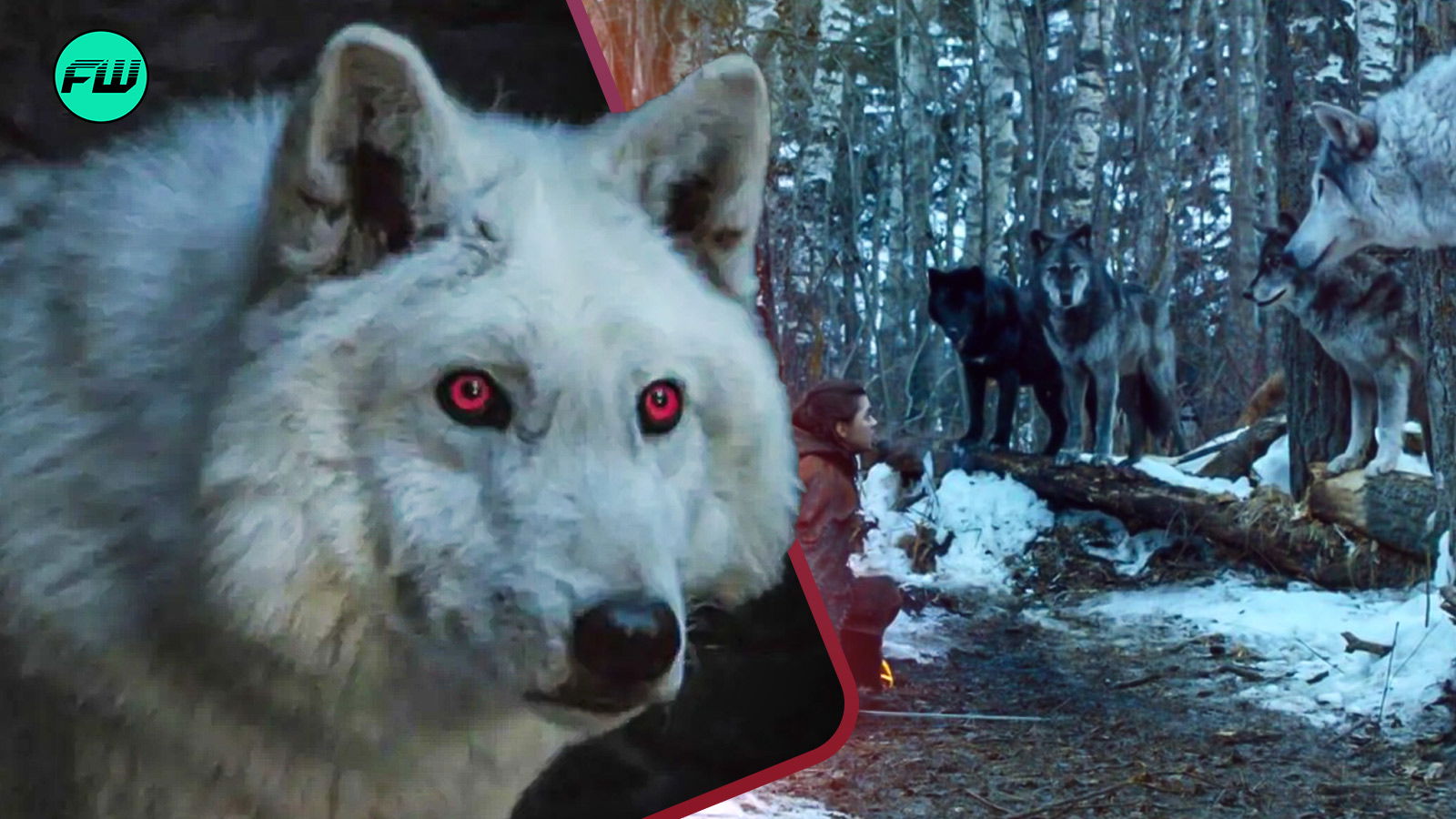
The prehistoric dire wolf (Aenocyon dirus) is not back in the wild and remains biologically extinct. While selective breeding programs like the Dire Wolf Project have created domestic dogs that resemble them, and recent genetic research has clarified their unique lineage, no living specimens of the Pleistocene-era predator exist today.
The dire wolf has long occupied a space between myth and paleontology. Often popularized by fantasy media as massive, supernatural beasts, the real dire wolves were formidable apex predators that roamed the Americas during the Late Pleistocene. For over 10,000 years, they have been absent from the Earth’s ecosystems. However, in 2026, public interest remains at an all-time high due to a combination of de-extinction theories, genetic breakthroughs, and the "re-creation" of the animal through domestic dog breeding. To understand why people ask if they are "back," one must distinguish between the prehistoric species, modern genetic cousins, and domestic look-alikes.
The Prehistoric Reality: What Was a Dire Wolf?
Before addressing the modern status of the animal, it is essential to define what the dire wolf actually was. Aenocyon dirus (formerly Canis dirus) was a megafaunal predator that lived in North and South America. They are most famous for their presence in the La Brea Tar Pits in Los Angeles, where thousands of their fossilized remains have been recovered.
Contrary to popular belief, dire wolves were not significantly larger than the largest modern gray wolves (Canis lupus). They were roughly the same size, weighing between 130 and 150 pounds on average. However, their anatomy was vastly different. They were built for power rather than speed, possessing a heavier bone structure, a broader skull, and a bite force significantly higher than that of any living canine. They were "hypercarnivores," with teeth specialized for shearing through the thick hide and bone of large prey like western horses, ancient bison, and even giant ground sloths.
The Genetic Reveal: Why They Aren't Actually "Wolves"
For over a century, scientists classified the dire wolf within the genus Canis, alongside gray wolves, coyotes, and domestic dogs. However, a landmark genetic study published in the journal Nature changed our entire understanding of the species. By sequencing nuclear and mitochondrial DNA from subfossil remains, researchers discovered that dire wolves were not closely related to gray wolves at all.
The data showed that the dire wolf lineage split from the ancestors of gray wolves and coyotes approximately 5.7 million years ago. This makes them an extremely distant relative—evolutionary "cousins" rather than siblings. In fact, the genetic distance between a gray wolf and a dire wolf is comparable to the distance between a gray wolf and an African golden wolf, or even a coyote and a jackal.
This discovery led to the reclassification of the species into its own genus, Aenocyon (meaning "terrible wolf"). This is a critical point in the discussion of whether they are "back." Because they are a distinct evolutionary lineage that has been dead for millennia, they have no direct living descendants. Unlike the gray wolf, which evolved and survived, the Aenocyon line ended completely when the species went extinct roughly 10,000 to 13,000 years ago.
The Dire Wolf Project: Breeding the "Look"
The primary reason many people believe dire wolves have returned is the Dire Wolf Project. Initiated in 1988, this selective breeding program aims to recreate the physical appearance of the prehistoric dire wolf using modern domestic dog breeds. The result is a breed known as the American Alsatian.
It is important to emphasize that the American Alsatian is 100% Canis familiaris. It contains no ancient dire wolf DNA. The breeders utilize specific traits from existing dogs—such as the Alaskan Malamute, German Shepherd, Great Pyrenees, Anatolian Shepherd, and English Mastiff—to mimic the heavy bone structure, yellow eyes, and broad head seen in the fossil record.
Goals of the Project
- Phenotype Replication: Creating a dog that stands between 26 and 30 inches at the shoulder and weighs upwards of 100 pounds.
- Temperament: Unlike the wild predator, these dogs are bred specifically to be companion animals. They are known for being exceptionally calm, low-energy, and quiet.
- Health Longevity: Breeders focus on avoiding the hip and elbow dysplasia common in large breeds, aiming for a lifespan of 12 to 15 years.
In 2026, the American Alsatian is a recognized breed within specific enthusiast circles, and to a casual observer, these dogs might look like a "resurrected" predator. However, they are fundamentally pets, not wild animals, and certainly not the Aenocyon dirus of the Pleistocene.
The De-Extinction Question: CRISPR and Paleogenetics
With the rise of de-extinction companies like Colossal Biosciences, which is currently working to bring back the woolly mammoth and the thylacine (Tasmanian tiger), questions often arise about the dire wolf. Could we actually bring the real species back to the wild?
In 2026, the technology to "resurrect" a dire wolf is theoretically possible but practically distant. To bring back a species via CRISPR-Cas9 or other gene-editing technologies, scientists need:
- A Complete Genome: We have successfully sequenced parts of the dire wolf genome, but a "clean," high-quality blueprint is still difficult to obtain from ancient bones.
- A Proxy Host: Since dire wolves are so genetically distant from gray wolves, using a gray wolf as a surrogate mother or for egg donation might lead to biological incompatibilities.
- An Ecosystem: Reintroducing an apex predator that was specialized for hunting megafauna that no longer exists (like Pleistocene horses and bison) poses a significant ecological risk.
While de-extinction remains a hot topic in science, there are currently no active, publicly funded projects dedicated specifically to the biological resurrection of Aenocyon dirus. The focus remains on species that went extinct more recently or those that provide a vital "keystone" function for modern environments.
Why the Dire Wolf Went Extinct
To understand why they aren't coming back to the wild naturally, we have to look at why they disappeared in the first place. The extinction of the dire wolf was likely caused by a "perfect storm" of environmental and competitive factors:
- Loss of Megaherbivores: As the Ice Age ended, the massive animals that dire wolves relied on for food—such as mammoths and giant sloths—died out. Unlike the gray wolf, which was smaller and more versatile, the dire wolf was a specialist. When the "big" food disappeared, the dire wolf could not adapt quickly enough to hunt smaller, faster prey like deer or rabbits.
- Climate Change: The warming of the planet shifted habitats rapidly, altering the grasslands and forests where dire wolves hunted.
- Competition: Gray wolves migrated from Eurasia into North America across the Bering Land Bridge. Gray wolves were faster, more adaptable, and could survive on a wider range of food sources. They essentially out-competed the dire wolf for the remaining resources.
Comparison Table: Prehistoric vs. Modern Interpretations
| Feature | Prehistoric Dire Wolf (A. dirus) | Modern Gray Wolf (C. lupus) | American Alsatian (Project Dog) |
|---|---|---|---|
| Status | Extinct (approx. 10,000 BC) | Extant (Wild) | Domestic (Breed) |
| Average Weight | 130–150 lbs | 80–120 lbs | 85–120 lbs |
| Bite Force | Extremely High (Bone-crushing) | Moderate | Standard Domestic |
| Genetics | Unique (Aenocyon genus) | Canis genus | Canis familiaris |
| Primary Diet | Megaherbivores (Bison, Horses) | Ungulates (Elk, Deer), Small Game | Commercial Dog Food |
| Temperament | Wild Apex Predator | Wild/Shy Apex Predator | Calm Companion Animal |
Common Misidentifications in the Wild
In recent years, "sightings" of dire wolves in the wild have been reported in places like Montana, Idaho, and Canada. These reports are almost always the result of one of the following:
- Large Gray Wolf Specimens: A large male Mackenzie Valley wolf can weigh 150 pounds and stand 32 inches tall. To a person who has never seen a wolf in person, these animals can look prehistoric in scale.
- Wolf-Dog Hybrids: High-content wolf hybrids can display unusual physical traits and a lack of fear toward humans, leading to rumors of "monstrous" wolves.
- Bergmann’s Rule: This biological principle states that animals in colder climates tend to be larger. In the northernmost reaches of their range, gray wolves can grow to sizes that mimic the dimensions of ancient dire wolves.
- The "Dogman" and Cryptid Myths: Folklore often borrows from paleontology. Sightings of "shunka warakin" (a Native American term for a wolf-like hyena creature) are often retroactively attributed to surviving dire wolves, though no physical evidence supports this.
FAQs About the Dire Wolf's Return
Is the Dire Wolf Project a scam?
No, the Dire Wolf Project is a legitimate breeding initiative. However, it is a project focused on phenotype (appearance) and temperament, not genetics. They are very transparent about the fact that their dogs are not actual dire wolves but are bred to look like them for the purpose of companionship.
Did Game of Thrones use real dire wolves?
No. The show used Northern Inuit Dogs (a crossbreed similar to a Husky/GSD) in the first season. In later seasons, they used real gray wolves filmed against green screens and digitally enlarged them to appear the size of small ponies. Real dire wolves were never that large.
Could a dire wolf survive in today's wild?
It is unlikely. Most of the prey animals they were specialized to hunt are extinct. A dire wolf would struggle to catch a modern whitetail deer or elk, which are much faster and more agile than the lumbering megafauna of the Pleistocene.
Are there any frozen dire wolves being cloned?
Unlike woolly mammoths, which are sometimes found preserved in the Arctic permafrost, most dire wolf remains are found in warmer climates or tar pits. These conditions are not conducive to preserving the high-quality, "fresh" DNA required for traditional cloning.
What is the closest living relative to the dire wolf?
DNA analysis suggests that their closest living relatives are actually African jackals (specifically the side-striped and black-backed jackals). They are more closely related to these African species than they are to the gray wolves living in North America today.
Practical Recommendations for Enthusiasts
If you are fascinated by dire wolves and want to "see" one in 2026, there are several ways to engage with the subject authentically without falling for misinformation:
- Visit the La Brea Tar Pits: Located in Los Angeles, this is the world's premier site for dire wolf paleontology. You can see thousands of skulls and full skeletons on display.
- Research the American Alsatian: If you are looking for a pet that captures the aesthetic of the dire wolf, look for breeders registered with the National American Alsatian Breeders Association (NAABA). Ensure you understand the care requirements for such a large breed.
- Support Conservation: If you want to see large wolves in the wild, support gray wolf conservation programs in the Northern Rockies or the Great Lakes region. While they aren't "dire," they are the true apex predators of our modern wilderness.
- Stay Updated on Paleogenomics: Follow journals like Nature or Science for new developments in ancient DNA sequencing. The field is moving rapidly, and our understanding of the Aenocyon lineage is still evolving.