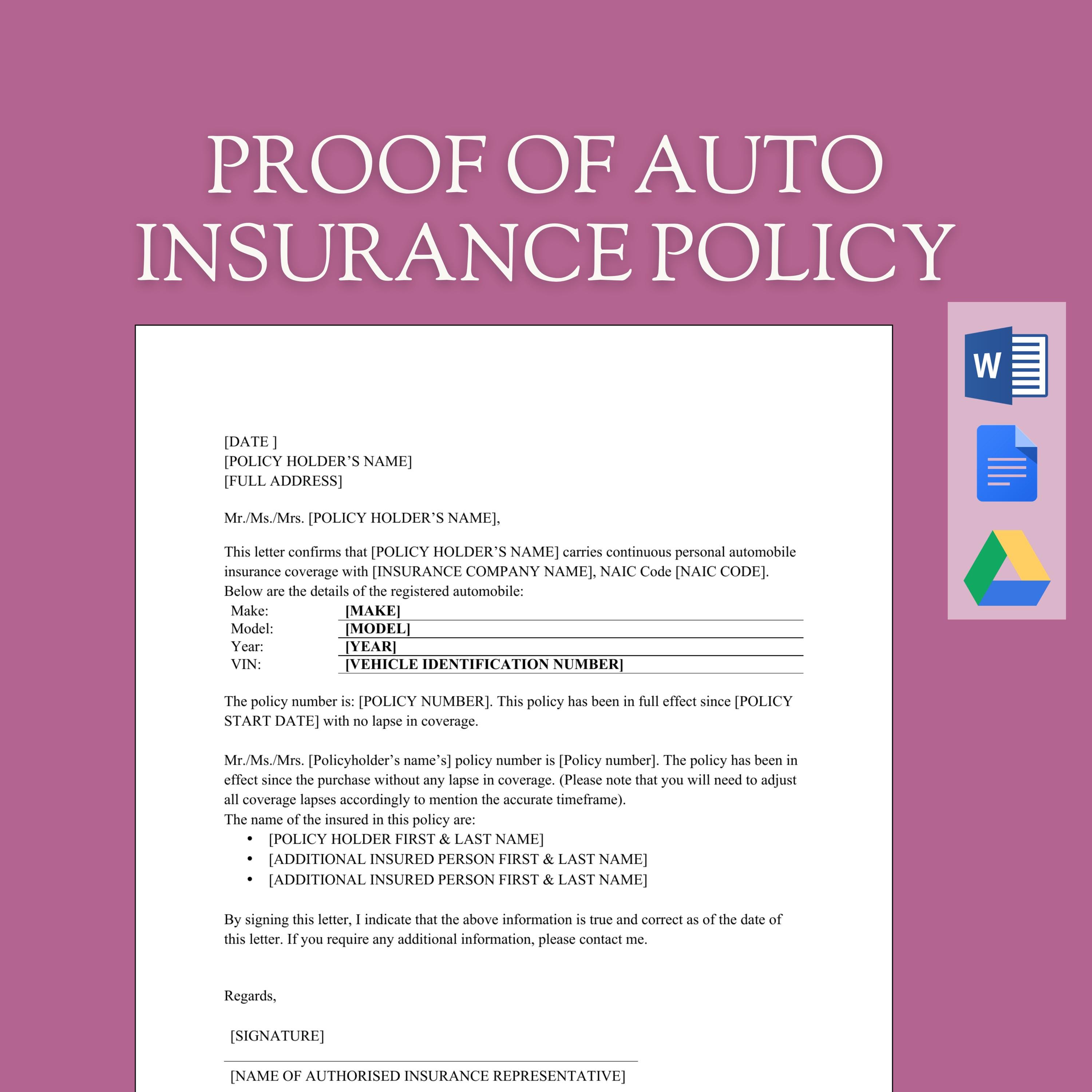
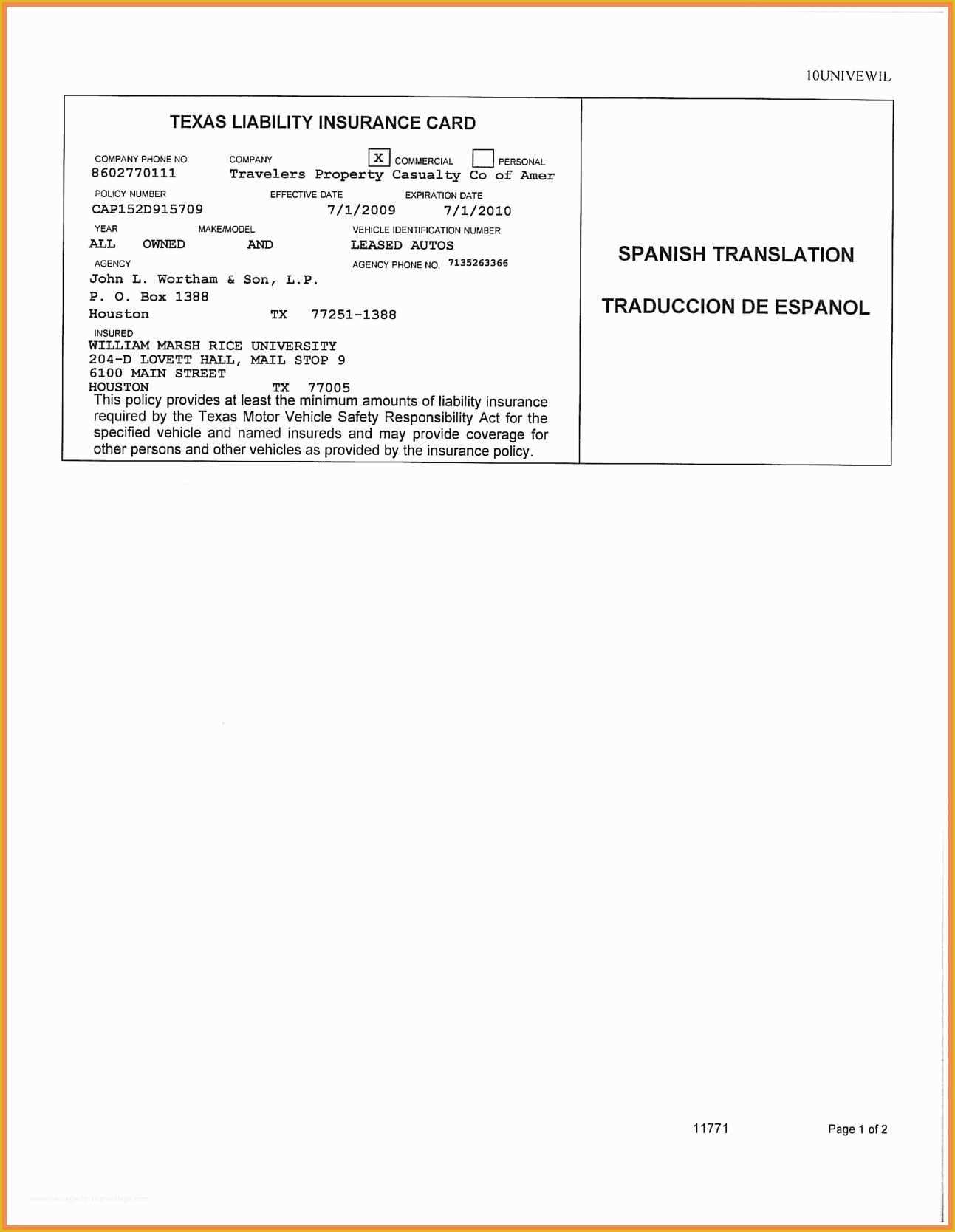
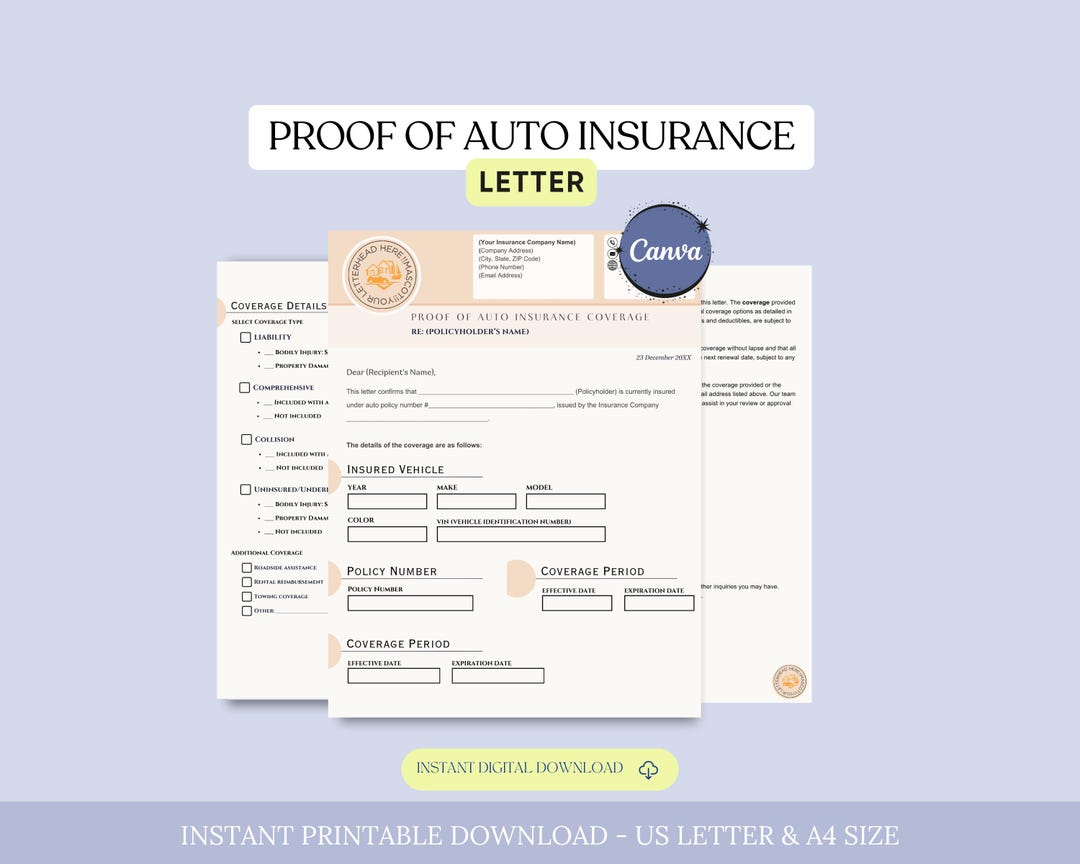
Yes, a digital copy of auto proof of insurance is fully legal in Wisconsin. Under state law, specifically 2013 Wisconsin Act 31, motorists are permitted to present their financial responsibility—commonly known as proof of insurance—in an electronic format on a mobile device such as a smartphone or tablet during traffic stops or following an accident.
As of 2026, the transition toward a "paperless" automotive experience has become the standard for most drivers in the Badger State. While the law has been in place for over a decade, many drivers still have questions regarding the nuances of the statute, the privacy protections afforded to them when handing a device to an officer, and the practical limitations of relying solely on digital files. This comprehensive guide examines the legal framework, technical requirements, and best practices for using digital insurance verification in Wisconsin.
The Legal Framework: 2013 Wisconsin Act 31
The legality of digital insurance proof in Wisconsin is rooted in 2013 Wisconsin Act 31, which amended Section 344.62 of the Wisconsin Statutes. Before this legislation, drivers were required to carry a physical "insurance card" issued by their provider. The act modernized the state's approach to technology, recognizing that most insurance carriers had shifted toward mobile applications and PDF delivery systems.
The statute explicitly states that an operator of a motor vehicle may provide proof of insurance to a law enforcement officer in an "electronic format." This can include displaying a digital image on a cellular phone, laptop, or any other portable electronic device. The law was designed to reduce the administrative burden on drivers and law enforcement alike, ensuring that a lost or forgotten paper card does not result in an unnecessary citation if the driver has valid coverage accessible via their phone.
Mandatory Insurance Limits in Wisconsin
While the format of the proof can be digital, the underlying coverage must meet the state's minimum requirements. In 2026, Wisconsin law continues to require the following minimum liability limits:
- $25,000 for the injury or death of one person.
- $50,000 for the injury or death of more than one person.
- $15,000 for property damage.
Additionally, Wisconsin requires Uninsured Motorist (UM) coverage with limits of $25,000/$50,000 for bodily injury. Your digital proof of insurance must clearly reflect that your policy meets or exceeds these statutory requirements.
What Constitutes Valid Digital Proof?
Not all digital files are created equal. To satisfy a law enforcement officer in Wisconsin, your digital proof must contain the same specific information found on a traditional paper card. Simply telling an officer who your provider is or showing a screenshot of a premium payment receipt is generally insufficient.
Acceptable Formats
- Official Insurance Apps: Most major carriers (such as American Family, State Farm, or Progressive) provide a dedicated mobile app. These apps often feature a "Digital ID Card" button that functions even when you are logged out, provided you have set it up beforehand.
- PDF Files: A PDF version of your insurance card, typically sent via email by your agent or downloaded from the insurer's portal, is a valid legal document.
- Digital Wallets: Many modern insurers allow you to add your insurance card to an Apple Wallet or Google Wallet. This is often the most convenient method as it can be accessed quickly from the device’s lock screen.
- High-Quality Screenshots: While less formal, a clear, legible screenshot of your valid insurance card is acceptable, provided it shows all the necessary policy details.
Required Information on the Display
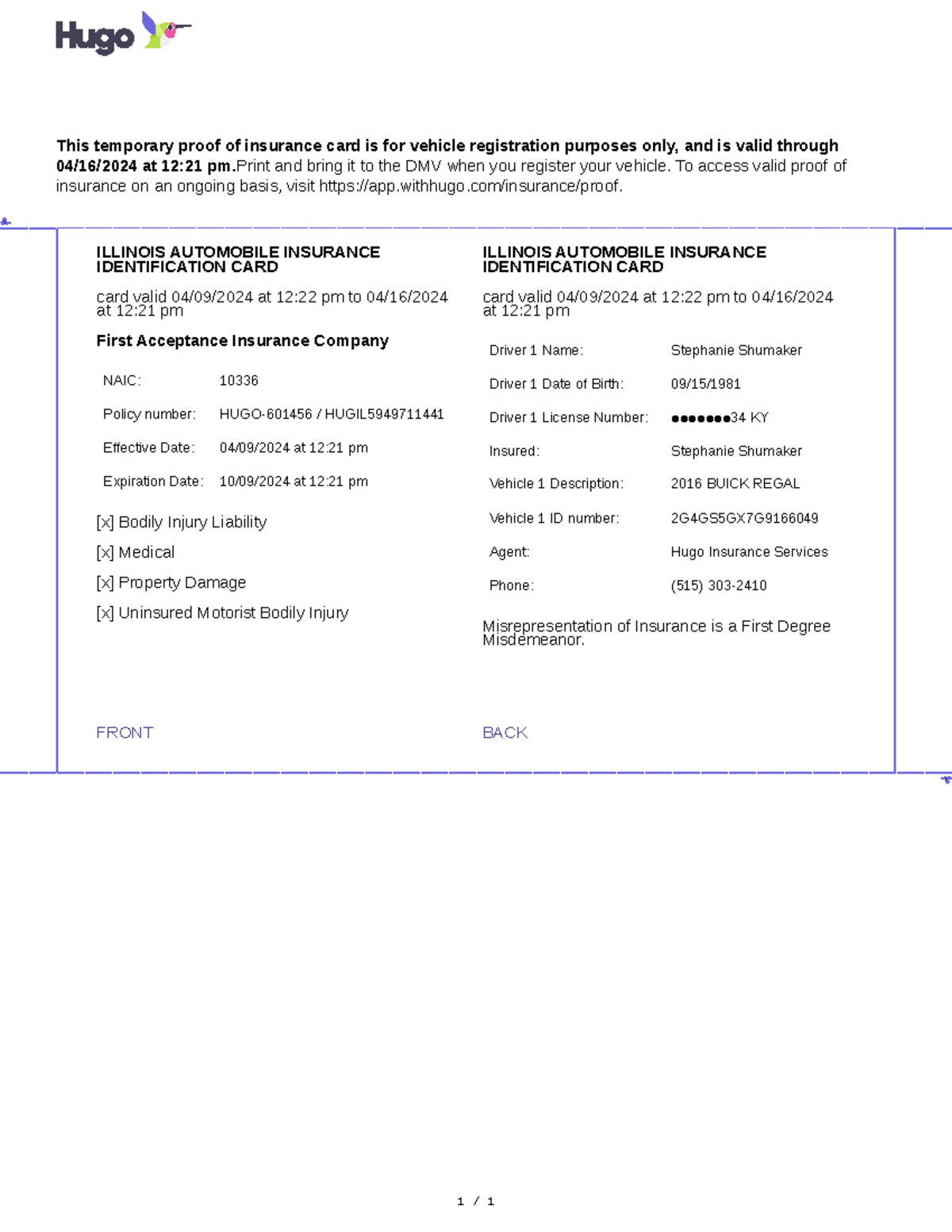
Regardless of the format, the digital image must display:
- The name of the insurance company.
- The policy number.
- The effective and expiration dates of the coverage.
- The make, model, and Year of the insured vehicle (or a clear indication that the policy covers the driver for any vehicle they operate).
Privacy Protections and the "No-Consent-To-Search" Clause
One of the most significant concerns drivers have when using a digital copy of auto proof of insurance is privacy. Handing an unlocked smartphone to a police officer can feel like an invitation for them to browse through private messages, photos, or social media accounts.
Wisconsin law addresses this concern directly. When you present your phone to an officer for the sole purpose of showing proof of insurance, the law specifies that this action does not constitute consent for the officer to search any other content on your device.
Statutory Limits on Law Enforcement
The intent of Act 31 was to facilitate verification, not to bypass the Fourth Amendment. Officers are legally restricted to viewing the insurance documentation. If an officer were to swipe through your photos or read your texts without a separate warrant or probable cause, any evidence found would likely be inadmissible in court due to the specific protections written into the digital proof statute.
However, to minimize risk, many legal experts recommend:
- Using Lock Screen Shortcuts: Use Apple Wallet or Google Wallet so the card is visible without fully unlocking the phone.
- Guarded Presentation: Hold the phone yourself and show it to the officer through the window rather than handing the device over, if the officer permits.
- Notification Silencing: Use "Do Not Disturb" mode to ensure private messages do not pop up while the officer is looking at the screen.
Practical Challenges of Digital Insurance Proof
While legal and convenient, relying 100% on a digital copy of auto proof of insurance has inherent risks. Technology can fail at the most inopportune moments, and in the eyes of Wisconsin law, the burden of proof remains on the driver. If you cannot display the proof because of a technical failure, you can still be cited for failure to provide proof of insurance.
Dead Batteries and Broken Screens
If your phone is dead or the screen is so badly cracked that the officer cannot read the policy number or expiration date, the digital copy is effectively useless. Wisconsin law requires the proof to be "visible and legible."
Lack of Cellular Service
Many parts of rural Wisconsin have "dead zones" where cellular data is unavailable. If you rely on an app that requires a live login to fetch your ID card, you may find yourself unable to produce the document during a stop on a remote county highway. It is vital to ensure that your digital card is saved for offline access.
The "Officer Safety" Factor
In some situations, an officer may be hesitant to take a driver's phone. In low-light conditions or high-tension stops, the act of reaching for a device or handing it over can be misinterpreted. Always inform the officer that you are reaching for your phone to show digital proof of insurance before doing so.
Comparison: Digital vs. Physical Insurance Proof
To help you decide on your primary method of verification, consider the following comparison based on Wisconsin's current legal and technical environment in 2026.
| Feature | Digital Proof (Smartphone/App) | Physical Paper Card |
|---|---|---|
| Legal Status in WI | Fully Legal (Act 31) | Fully Legal |
| Accessibility | Requires battery and functioning screen | Always accessible |
| Privacy Risk | Potential (mitigated by statute) | Zero |
| Update Speed | Instant upon policy renewal | Requires mail or printing |
| Durability | Device can be lost or broken | Can be lost, torn, or faded |
| Offline Reliability | Variable (depends on local storage) | 100% reliable |
| Ease of Sharing | Can be emailed/texted to others | Must be physically handed over |
Step-by-Step: How to Use Digital Proof Correctly in Wisconsin
To ensure you are fully compliant with Wisconsin law and protected against technical glitches, follow these steps to manage your digital insurance documents.
1. Download the Official App
Ensure you have the latest version of your insurance provider's mobile app. Log in and navigate to the "ID Cards" section. Most apps have a toggle to "Save to Device" or "View Offline."
2. Save a Backup to Your Files
Do not rely solely on the app's ability to connect to a server. Download a PDF version of your insurance card and save it directly to your phone's local storage (e.g., the "Files" app on iPhone or "Downloads" on Android). This ensures you can access it even in a total cellular blackout.
3. Utilize Digital Wallets
If your insurer supports it, add the card to your native digital wallet. This allows you to access the card via a double-tap of the power button or a lock-screen shortcut, keeping the rest of your phone's contents secure.
4. Check for Legibility
Open the file and zoom in. Can you clearly read the policy number and the dates? If the image is blurry or the text is too small to read without significant manipulation, an officer may reject it and issue a "failure to prove" citation.
5. Keep a "Safety" Paper Copy
Despite the legality of digital copies, the Wisconsin Department of Transportation (WisDOT) and most legal advocates still recommend keeping a physical paper copy in your glove box or center console. If your phone breaks during an accident or your battery dies, the paper backup serves as an essential fail-safe.
Frequently Asked Questions
Does a digital copy of auto proof of insurance work for vehicle registration?
Yes. When you renew your license plates or register a new vehicle at a Wisconsin DMV office or via their online portal, digital proof of insurance is accepted. If you are at a physical DMV counter, you can show the digital card on your phone to the technician just as you would to a police officer.
What happens if I am in an accident and my phone is damaged?
If you are involved in a collision and your phone is destroyed or the battery is dislodged, you will be unable to provide digital proof at the scene. This is a primary reason why law enforcement still recommends keeping a paper backup. However, if you are cited for failing to provide proof, you can usually have the citation dismissed later by providing proof of valid coverage to the court or the police department, though this may involve administrative fees.
Can I show a photo of my insurance card?
Yes, a photo of your paper insurance card is considered an "electronic format" and is legal in Wisconsin. However, the photo must be clear, well-lit, and show both the front and back if necessary information is contained on both sides. A PDF or app-based version is generally preferred by officers because the text is sharper and easier to verify.
Do I have to hand my phone to the officer?
While the law allows you to show the screen to the officer, the officer may ask to hold the device to better read the information or to take it back to their squad car to enter the data into their computer. You are allowed to ask if they can read it while you hold it, but if they require the device for verification, Wisconsin law protects you from them searching other parts of the phone.
Is digital proof legal if I travel outside of Wisconsin?
As of 2026, nearly all 50 states have passed laws allowing for electronic proof of insurance. However, the specific privacy protections and requirements can vary slightly by state. If you are driving long distances through multiple states, having a physical paper card remains the most "universal" solution to avoid any jurisdictional confusion.
Summary and Practical Recommendation
The legality of digital auto insurance proof in Wisconsin is a settled matter of law. Since the passage of 2013 Wisconsin Act 31, drivers have enjoyed the convenience of using their mobile devices to demonstrate financial responsibility. The law is robust, offering clear guidelines for what constitutes valid proof while providing critical privacy protections that prevent law enforcement from using your phone as a gateway to your private data.
However, the primary recommendation for Wisconsin drivers in 2026 is to adopt a hybrid approach. While you should certainly use the digital tools provided by your insurer for daily convenience and quick access, you should also maintain a current paper copy of your insurance card in your vehicle. Technology is a powerful tool, but in the stress of a roadside emergency or a dead-battery situation, a physical piece of paper remains the only 100% reliable way to prove you are covered.
For further information on Wisconsin's driving laws, you can consult the official Wisconsin Department of Transportation website or view the text of Wisconsin Statute 344.62 directly through the Wisconsin State Legislature portal.