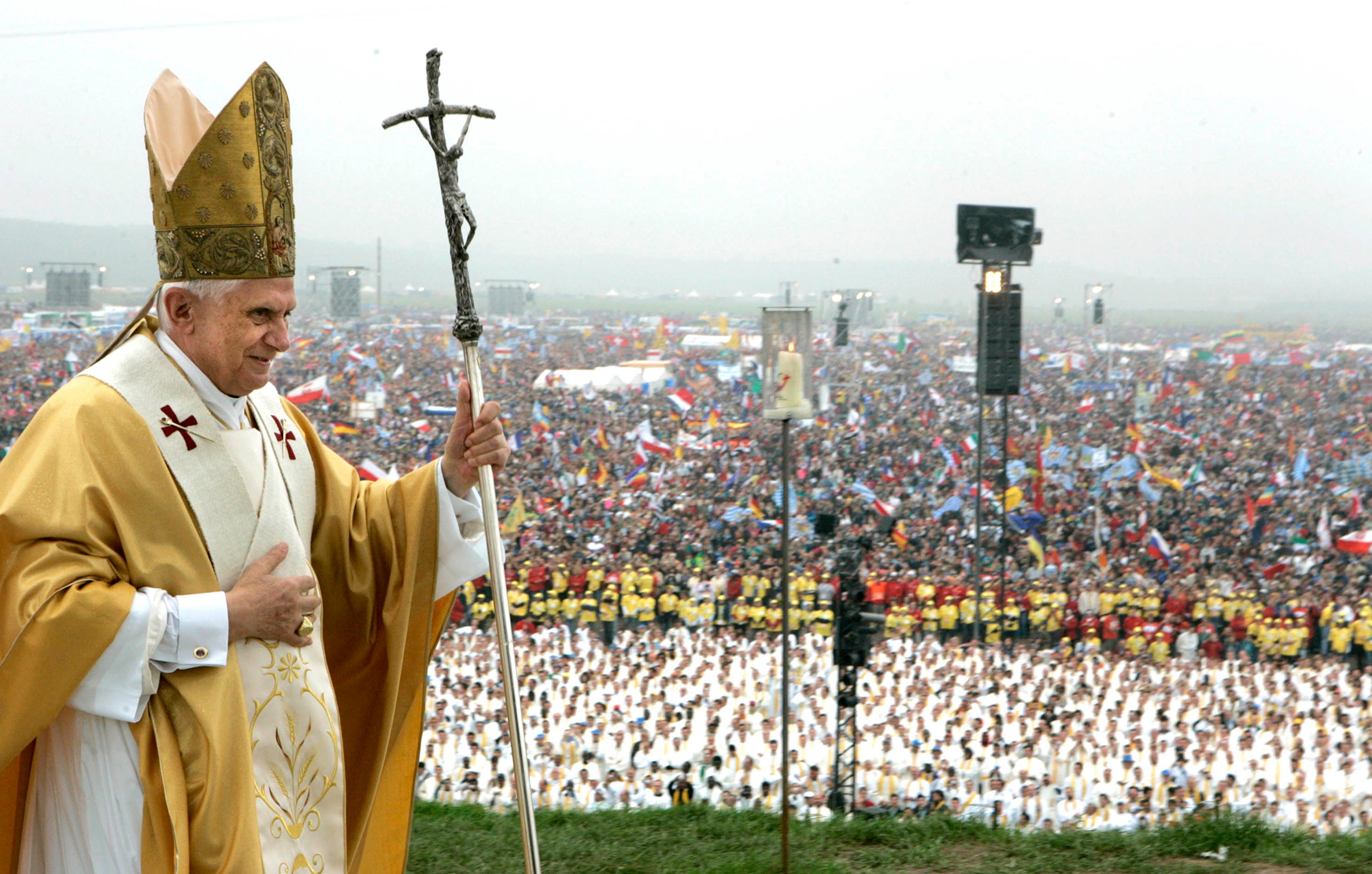
The daily life of the Pope is a highly structured blend of spiritual devotion, international diplomacy, and administrative governance. Beginning at 4:30 AM, his schedule balances private prayer and public Mass with intense diplomatic meetings, document review, and pastoral duties, all centered within the modest surroundings of the Domus Sanctae Marthae and the Apostolic Palace.
As the Bishop of Rome, the Primate of Italy, and the Sovereign of the Vatican City State, the Pope occupies a unique intersection of roles. In 2026, the daily routine of Pope Francis continues to reflect his preference for simplicity and communal living, a departure from the more secluded traditions of his predecessors. While the world often sees the Pope during major liturgical celebrations or international tours, his standard day-to-day existence is a rigorous marathon of spiritual and secular responsibilities.
The Early Morning: Spiritual Foundations (4:30 AM – 8:00 AM)
The Pope’s day begins long before the sun rises over St. Peter’s Square. He typically wakes at 4:30 AM, a habit maintained throughout his life. These first hours are arguably the most critical for his role as the spiritual leader of 1.3 billion Catholics.
Private Prayer and Meditation
Before interacting with any staff or advisors, the Pope spends approximately two hours in private prayer and meditation. This time is used for the Liturgy of the Hours, reading scripture, and personal reflection. For a figure whose decisions impact global policy and religious doctrine, this period of silence serves as the grounding force for the day’s activities. In 2026, even as the demands of a globalized church increase, this schedule remains largely uncompromised.
The 7:00 AM Mass at Santa Marta
Unlike many of his predecessors who celebrated Mass in the private chapel of the Apostolic Palace, Pope Francis celebrates a 7:00 AM Mass in the chapel of the Domus Sanctae Marthae (St. Martha’s House). The congregation usually consists of Vatican employees, visiting priests, and occasionally, members of the public who have received special invitations.
The Mass is followed by a short period of silent thanksgiving. This communal start to the day is a hallmark of the current papacy, emphasizing the Pope’s desire to remain a "pastor" rather than just a monarch. Following the Mass, the Pope greets the attendees individually in the atrium of the residence, often engaging in brief, informal conversations that inform his perspective on the lives of those working within the Vatican walls.
Breakfast and Initial Briefings
Breakfast is served around 8:00 AM in the communal dining room of Santa Marta. Eschewing a private chef or isolated dining, the Pope eats a simple meal—often consisting of fruit, yogurt, and traditional Argentine sweets like dulce de leche—while seated among other residents of the house. During this time, he may receive the first "morning file" from his private secretaries, which contains urgent news summaries and the day’s finalized itinerary.
Morning Audiences: The Engine of Diplomacy (8:30 AM – 1:00 PM)
By 8:30 AM, the Pope moves from his residence to the Apostolic Palace. While he lives in Santa Marta, he conducts his official business in the historic library and audience halls of the Palace. This transition is managed by the Swiss Guard and the Vatican Gendarmerie, ensuring a secure passage through the Vatican gardens or via the internal elevators.
Private and Special Audiences
The morning hours are dedicated to formal audiences. These are categorized into several types:
- Ad Limina Visits: These are mandatory visits by bishops from around the world, occurring every five to ten years for each diocese. They brief the Pope on the state of the Church in their respective regions.
- Heads of State and Diplomats: As a sovereign leader, the Pope meets with presidents, prime ministers, and ambassadors. These meetings are coordinated with the Secretariat of State and often involve discussions on global peace, migration, and climate change.
- Dicastery Meetings: The Pope meets with the heads (Prefects) of various Vatican departments, known as Dicasteries. These meetings focus on administrative reforms, canon law updates, and doctrinal matters.
The General Audience (Wednesdays)
If the day is a Wednesday, the routine shifts significantly. The morning is dedicated to the General Audience, held either in St. Peter’s Square or the Paul VI Audience Hall. This is the Pope’s primary opportunity to teach the faithful directly. He delivers a catechesis (a structured religious lesson), greets pilgrims in multiple languages, and spends considerable time moving through the crowds in the "popemobile."
Afternoon: The "Red Thread" and Administration (1:00 PM – 4:00 PM)
After the intense socialization of the morning, the Pope returns to Santa Marta for lunch at approximately 1:00 PM. Again, this is a communal affair. In 2026, given the Pope's age and the physical toll of his morning duties, a short "siesta" or rest period of about 40 to 60 minutes follows lunch—a practice he has long credited for his sustained energy.
Document Review and Correspondence
The mid-afternoon is reserved for "desk work." The Pope is presented with the "Red Thread" (so-called because of the folders' traditional color), which contains the most sensitive diplomatic dispatches from the Secretariat of State.
His tasks during this period include:
- Signing Decrees: Validating the canonization of saints, the appointment of new bishops, and the enactment of Vatican laws.
- Correspondence: The Pope receives thousands of letters daily. While the Office of Correspondence handles the majority, the Pope personally reviews and replies to a selection of letters from prisoners, the suffering, or personal friends.
- Speech Writing: He reviews drafts of upcoming homilies, encyclicals, and apostolic exhortations, often making handwritten notes in the margins.
| Activity Type | Duration | Primary Location | Key Participants |
|---|---|---|---|
| Spiritual | 3-4 Hours | Santa Marta Chapel | Private Secretaries, Staff |
| Diplomatic | 3-5 Hours | Apostolic Palace | Heads of State, Ambassadors |
| Administrative | 4-5 Hours | Private Study | Secretariat of State, Dicastery Prefects |
| Pastoral | 2-3 Hours | St. Peter's Square | General Public, Pilgrims |
Evening: Reflection and Early Rest (5:00 PM – 9:00 PM)
As the Vatican's official business hours wind down, the Pope’s schedule remains active but shifts back toward a more contemplative tone.
Late Afternoon Meetings
Between 5:00 PM and 7:00 PM, the Pope often holds more informal meetings. These might be with researchers, activists, or organizers of charitable initiatives. In 2026, as the Church continues to navigate complex social issues, these informal dialogues are vital for the Pope to stay connected to "the peripheries"—a central theme of his papacy.
Evening Prayer and Dinner
Vespers (evening prayer) is recited around 7:00 PM. This is followed by dinner at 8:00 PM in the Santa Marta refectory. The meal is usually light, often reflecting the Pope’s preference for simple Mediterranean or Argentine cuisine. Conversation at dinner is typically relaxed, allowing him to hear the unfiltered thoughts of the priests and bishops who also live in the residence.
Closing the Day
The Pope usually retires to his suite by 9:00 PM. Before sleeping, he spends a final hour in prayer and reading. He has been known to listen to classical music or browse Italian and international news summaries during this time. By 10:00 PM, he is typically asleep, ensuring he is rested for the 4:30 AM start the following morning.
The Supporting Cast: Who Facilitates the Day?
No Pope can manage this schedule alone. A dedicated team ensures the machinery of the Papacy runs smoothly and securely.
The Private Secretaries
The Pope is assisted by two private secretaries. They manage his calendar, screen his calls, and accompany him to every meeting. They are his most trusted confidants, often acting as the gatekeepers to his time. Their role is not just administrative but also pastoral, as they help the Pope manage the emotional weight of the many petitions he receives.
The Swiss Guard and Gendarmerie
Security is a constant presence. The Pontifical Swiss Guard, identifiable by their Renaissance-style uniforms, provide ceremonial and physical security at the entrances to the Vatican and the Pope’s residence. Meanwhile, the Vatican Gendarmerie (the civil police force) handles the more technical aspects of security, including electronic surveillance and crowd control during public events.
The Health Team
Given the physical demands of the role in 2026, a dedicated physician and a team of nurses from the Vatican Health Service monitor the Pope’s health closely. This includes managing any chronic issues, such as mobility challenges, and ensuring his diet and rest are sufficient for his schedule.
Challenges and Variations in the Routine
While the schedule described above is the "standard," several factors can disrupt the routine of the Pope.
Apostolic Journeys
When the Pope travels internationally, his schedule becomes significantly more grueling. A travel day may involve multiple flights, meetings with local clergy, addresses to civil authorities, and massive outdoor Masses. These trips are planned months in advance by the Office of Papal Liturgical Celebrations and the Secretariat of State.
Liturgical Seasons
During Lent, Easter, and Advent, the Pope’s liturgical responsibilities increase. He presides over long ceremonies in St. Peter’s Basilica, including the Way of the Cross at the Colosseum or the "Urbi et Orbi" blessing. These seasons require extra hours of preparation and physical stamina.
Crisis Management
Unforeseen global events—natural disasters, conflicts, or internal Church crises—can immediately clear the Pope's calendar. In such cases, the morning audiences are replaced by emergency briefings with the Secretary of State and the Prefect for the Dicastery for the Doctrine of the Faith.
Frequently Asked Questions
Does the Pope have any "free time" or hobbies?
The Pope’s free time is very limited. He is a known fan of soccer (specifically the San Lorenzo team in Argentina) and occasionally watches matches or receives updates. He also enjoys reading literature, particularly the works of Dostoevsky and Hölderlin, and listening to classical music or tango. However, even these "hobbies" are often integrated into his evening periods of reflection.
What is the Pope's salary?
The Pope does not receive a salary. As a member of a religious order (the Jesuits), Pope Francis has taken a vow of poverty. All of his needs—housing, food, medical care, and travel—are covered by the Holy See. Any personal funds he might have had before his election are typically managed by the Church or donated to charity.
How does the Pope stay informed about world news?
The Pope receives a daily press summary compiled by the Vatican’s Dicastery for Communication. This summary includes major headlines from global news outlets across various languages. He also receives detailed intelligence and diplomatic reports from the Vatican’s Nuncios (ambassadors) stationed in almost every country in the world.
Does the Pope ever leave the Vatican for leisure?
Rarely. While previous Popes sometimes visited the papal summer residence at Castel Gandolfo, Pope Francis has converted much of that property into a public museum and garden. He occasionally makes "surprise" visits to local Roman parishes, hospitals, or shops (like a renowned optician he visited in years past), but these are usually brief and related to his pastoral mission rather than leisure.
Can anyone attend the Pope's morning Mass?
The morning Mass at Santa Marta is not open to the general public in the same way as a parish Mass. Attendance is usually by invitation or through specific requests made by groups or individuals via the Prefecture of the Papal Household. Preference is often given to those celebrating significant anniversaries or working in humble service roles.
Practical Next Steps for the Faithful and Curious
For those wishing to connect with the daily life of the Pope or witness it firsthand in 2026, several avenues are available:
- Attend a General Audience: Tickets are free but must be requested in advance through the Prefecture of the Papal Household.
- Follow Official Media: The Vatican News portal provides daily updates, transcripts of speeches, and live streams of the Pope's public appearances.
- Read the Daily Homily: The Pope’s morning reflections from the Santa Marta Mass are frequently summarized and published, offering a glimpse into his spiritual focus for that day.