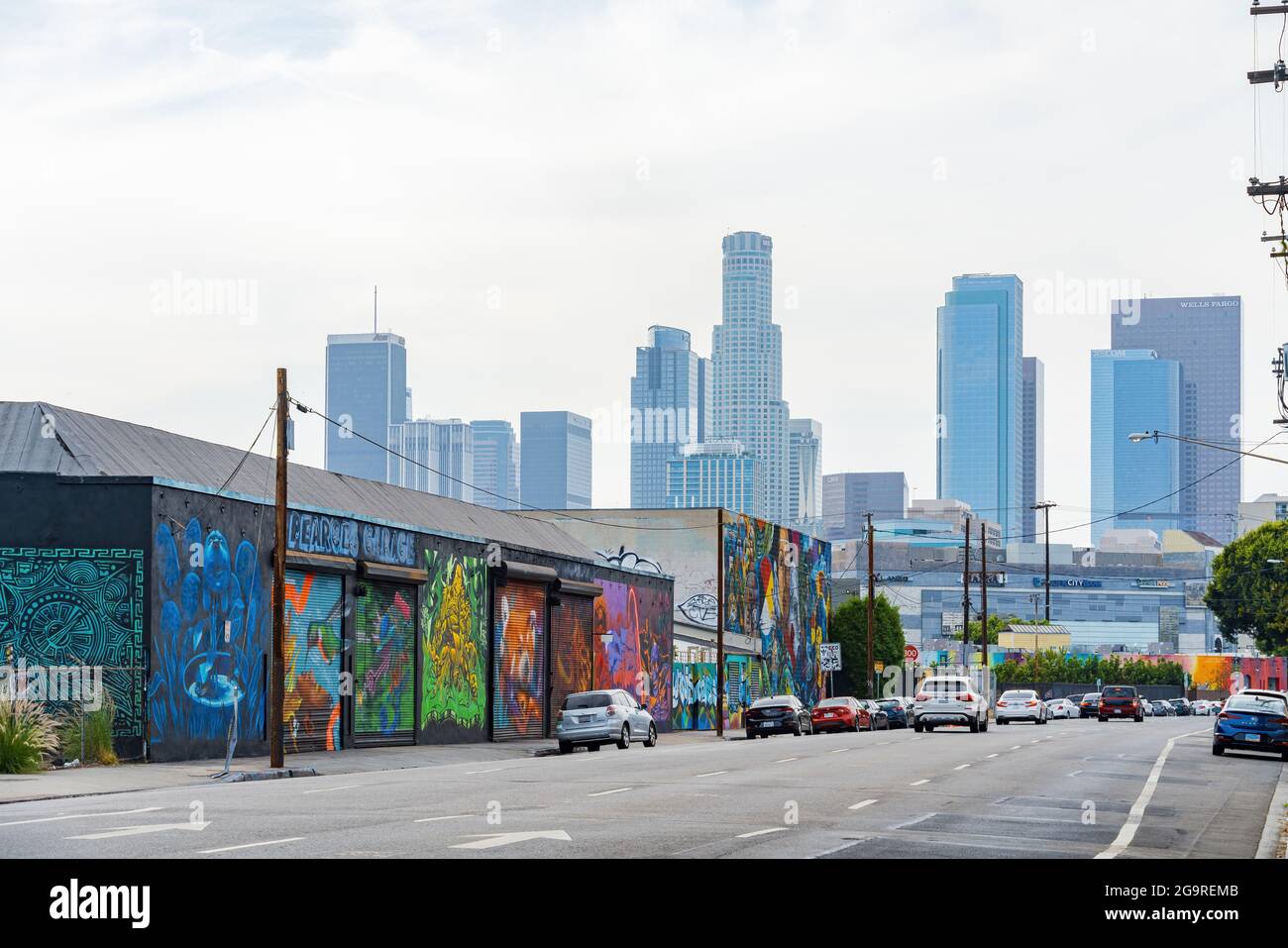
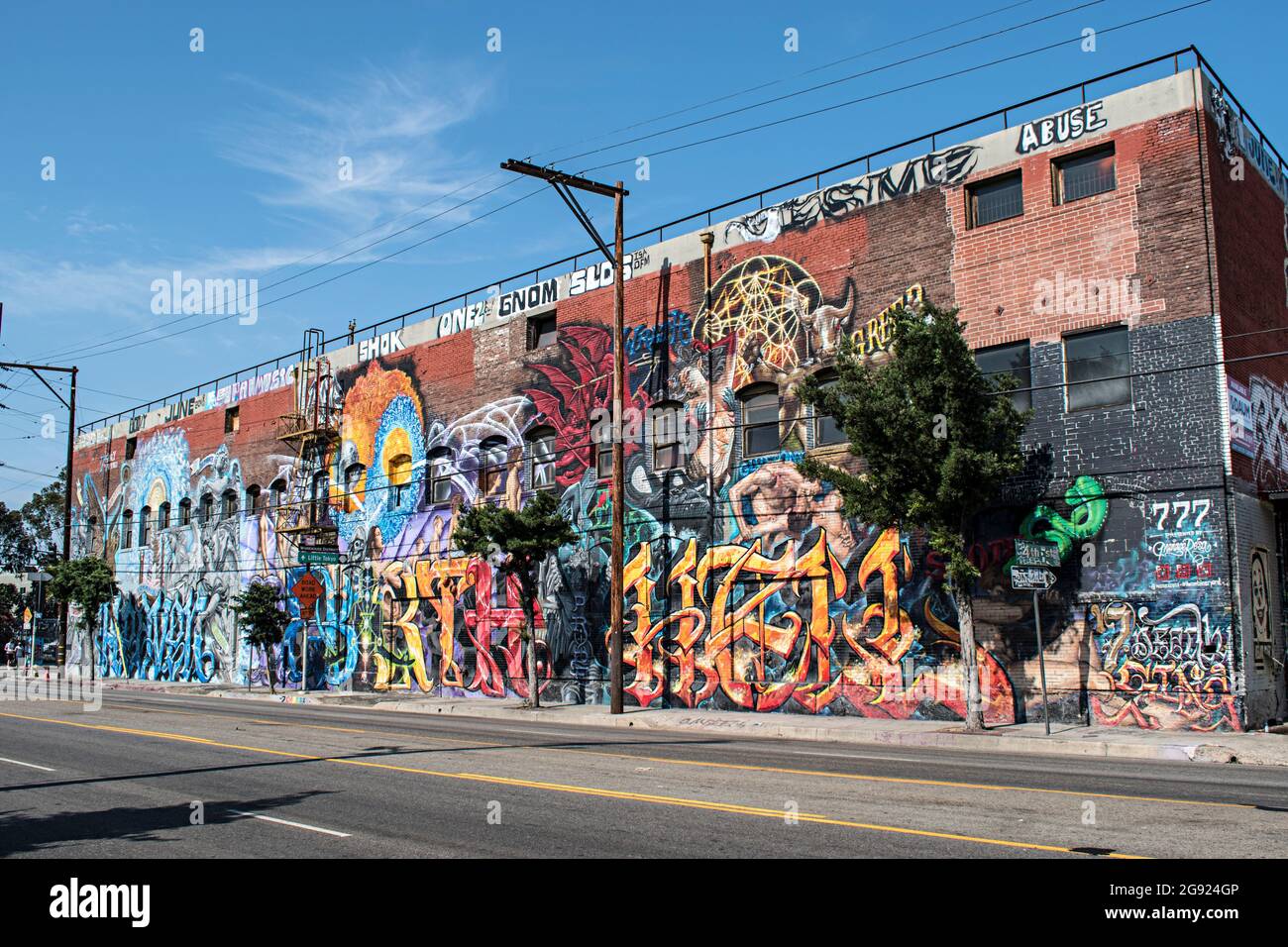
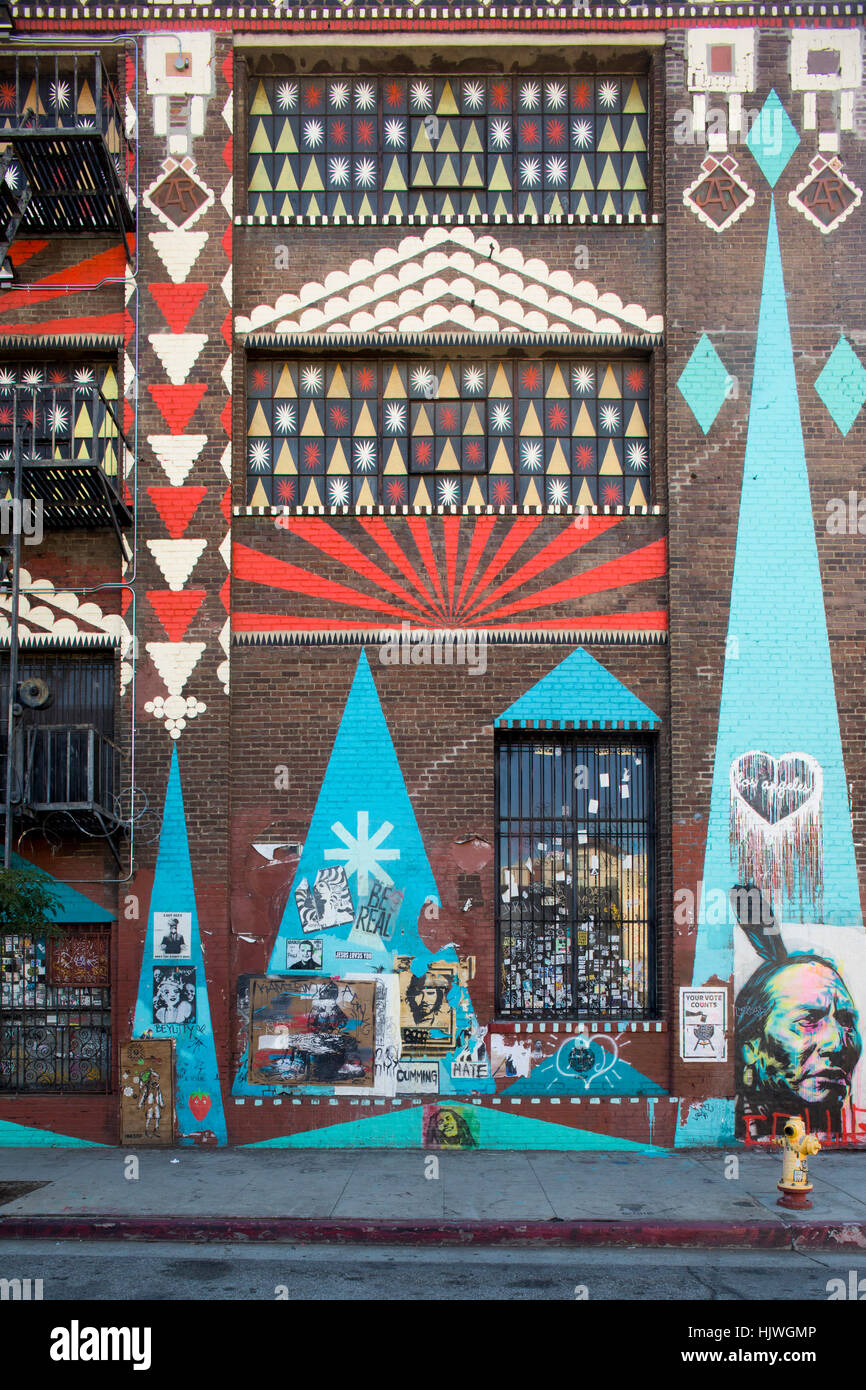
The Arts District in Los Angeles is a vibrant, 20th-century industrial hub turned creative epicenter located on the eastern edge of Downtown. It offers a premier blend of world-class galleries, Michelin-starred dining, and luxury lofts. Visitors and residents primarily engage with the area for its street art, contemporary exhibitions, and its unique walkable industrial aesthetic.
The Historical Arc: From Vineyards to Creative Hub
To understand the Arts District in 2026, one must look back at its transformation from the city’s agricultural heart to an urban playground. In the late 19th century, this area was home to vast grape vineyards and citrus groves. As Los Angeles industrialized in the early 20th century, the orchards were replaced by massive brick warehouses and factories, serving as the city’s primary freight and distribution hub due to its proximity to the Los Angeles River and the Santa Fe Railway.
By the 1960s and 1970s, many of these industrial buildings were abandoned as manufacturing moved to the suburbs. Artists, seeking large, affordable spaces to work and live, began illegally occupying these warehouses. This grassroots movement led to the passage of the Artist-in-Residence (AIR) Ordinance in 1981, which legalized the use of industrial buildings for residential purposes for artists. This legislation was the catalyst for the neighborhood’s identity.
In the decades that followed, particularly from 2010 to 2026, the neighborhood underwent rapid gentrification. What was once a gritty enclave for starving artists has evolved into one of the most expensive real estate markets in the city. However, the architectural integrity remains; the district is characterized by its high ceilings, exposed brick, and the preserved industrial façades that now house tech startups, fashion houses, and high-end residential lofts.
Navigating the District: Boundaries and Accessibility
The Arts District is roughly bounded by First Street to the north, Seventh Street to the south, Alameda Street to the west, and the Los Angeles River to the east. Navigating this area has changed significantly with the completion of major infrastructure projects.
Public Transit and the Regional Connector
As of 2026, the primary point of entry for those using public transportation is the Little Tokyo/Arts District Station. This station serves as a critical junction for the Metro A (Blue) and E (Expo) lines. This connectivity allows visitors to travel directly from Santa Monica, Long Beach, or Pasadena without the need for multiple transfers at Union Station, making the district more accessible than ever before.
The 6th Street Viaduct and PARC
The 6th Street Viaduct, completed in 2022, serves as a stunning architectural landmark connecting the Arts District to Boyle Heights. By 2026, the 6th Street PARC (Park, Arts, and River Connectivity) beneath the bridge has become a focal point for the community. This 12-acre park provides green space, sports courts, and performance areas, mitigating the "concrete jungle" feel that once dominated the area.
The Artistic Core: Galleries and Street Art
While the neighborhood has modernized, art remains its soul. The district is home to both massive international galleries and smaller, experimental spaces.
Hauser & Wirth
Located in a restored 19th-century flour mill, Hauser & Wirth is more than a gallery; it is a cultural complex. The facility includes sprawling exhibition halls, an open-air courtyard, a research library, and even a garden with chickens. The adaptive reuse of this space is a prime example of how the district honors its industrial past while fostering contemporary culture.
Street Art and Murals
The Arts District is arguably the mural capital of Los Angeles. Unlike traditional graffiti, the murals here are often large-scale commissioned works by world-renowned artists such as Retna, Shepard Fairey, and Tristan Eaton. Walking tours are a popular way to explore these works, many of which are tucked away in alleys like Art Share L.A., a sanctuary that provides affordable housing and studio space for working artists, ensuring that the "AIR" spirit survives despite rising costs.
Gastronomy and Nightlife: A Culinary Destination
The Arts District has solidified its reputation as one of the most important dining destinations in the United States. The culinary scene is characterized by "industrial chic" aesthetics and a focus on seasonal, locally sourced ingredients.
| Venue Name | Primary Cuisine | Signature Feature | Best For |
|---|---|---|---|
| Bestia | Italian | Multi-regional rustic dishes | High-end dinner |
| Bavel | Middle Eastern | Wood-fired slow-cooked meats | Group dining/Ambiance |
| Angel City Brewery | Craft Beer | Historic John A. Roebling Building | Casual social gatherings |
| Wurstküche | Exotic Sausages | Communal seating and Belgian fries | Quick, high-quality lunch |
| The Row DTLA | Various/Global | Weekly "Smorgasburg" food market | Culinary exploration |
The Rise of The Row DTLA
Located at the southern edge of the district, The Row DTLA is a 32-acre district transformed from the former Los Angeles Terminal Market. It serves as a retail and dining hub featuring boutique shops and Michelin-recognized eateries. On Sundays, it hosts Smorgasburg LA, the largest outdoor weekly food market in the city, drawing thousands of visitors to sample diverse cuisines from local vendors.
Real Estate and Urban Development in 2026
The real estate landscape of the Arts District in 2026 is defined by a mix of luxury adaptive-reuse lofts and new, ground-up creative office spaces. The demand for housing in this area remains at an all-time high, driven by the desire for a "live-work-play" environment.
Residential Trends
Most residential units are found in converted warehouses like the Barker Block or the Toy Factory Lofts. These units typically feature open floor plans, industrial windows, and concrete floors. In 2026, the trend has shifted toward "full-service" buildings that include rooftop pools, co-working spaces, and high-end fitness centers to attract tech and entertainment professionals.
Corporate Integration
The district is no longer just for artists; it is a hub for the creative economy. Companies such as Spotify, Warner Music Group, and various architecture firms have established headquarters here. This influx of corporate capital has led to improved street lighting, private security patrols, and better-maintained sidewalks, though it has also contributed to the displacement of the original artist community.
Practical Logistics: Parking, Safety, and Visiting Tips
Visiting the Arts District requires some planning, as the infrastructure was originally designed for trucks, not heavy pedestrian or passenger vehicle traffic.
- Parking: Street parking is notoriously difficult and heavily enforced. It is highly recommended to use paid lots such as the one at Hauser & Wirth or the massive parking structure at The Row DTLA. Using rideshare services or the Metro is often more cost-effective than paying for premium parking.
- Walkability: The district is one of the few truly walkable areas in Los Angeles. However, the sidewalks can be uneven, and large trucks still operate in some sections. Wear comfortable shoes and stay alert to active loading zones.
- Safety: While the district has become significantly safer over the past decade, it is adjacent to Skid Row. It is advisable to stay within the main corridors (Alameda, Tractions, and Palmetto) and avoid walking alone late at night in the more isolated southern industrial sections.
- Best Time to Visit: Weekdays are best for a quiet gallery experience. Weekends are bustling, especially during Smorgasburg on Sundays, but expect long wait times at popular restaurants like Bestia or Bavel without a prior reservation.
Frequently Asked Questions
Is the Arts District in Los Angeles safe to walk in?
Yes, the core areas of the Arts District are generally safe for pedestrians during the day and evening. The neighborhood has a high volume of foot traffic and active businesses. However, like any urban center, it is important to remain aware of your surroundings. The district borders Skid Row to the west; visitors should be mindful of this boundary, especially when walking at night.
Can I find free street art in the Arts District?
Absolutely. Much of the district’s appeal is its "open-air museum" quality. You can find significant murals along Traction Avenue, Palmetto Street, and the alleys near 4th Place. Most of the street art is accessible 24/7 without a fee, though some specific gallery courtyards have set operating hours.
What is the best way to get to the Arts District without a car?
The most efficient way is taking the Metro A or E Line to the Little Tokyo/Arts District Station. From there, it is a short 5-to-10-minute walk to the heart of the district. Additionally, the LADOT Dash Bus (Route A) circulates through Downtown and stops at several points within the Arts District.
Are there any original artists still living in the district?
While many original artists were priced out during the gentrification waves of the early 2000s and 2010s, a small community remains. Organizations like Art Share L.A. and certain rent-stabilized AIR lofts continue to house working artists. However, the demographic has shifted significantly toward young professionals in creative industries.
Is the Arts District family-friendly?
Yes, particularly during the day. The 6th Street PARC offers playground facilities, and the wide-open spaces of Hauser & Wirth or The Row DTLA are easy to navigate with strollers. Many restaurants are accommodating, though the nightlife scene is more adult-oriented.
Final Recommendation for Visitors
If you are planning a visit in 2026, start your day at the Little Tokyo/Arts District Metro station. Walk toward Traction Avenue for a morning coffee at one of the local roasters like Verve or Stumptown. Spend your afternoon exploring the exhibitions at Hauser & Wirth and taking a self-guided mural tour. End your evening with a reservation at Bavel or Bestia, ensuring you book several weeks in advance. For those interested in the future of urban design, a walk across the 6th Street Viaduct at sunset offers the best views of the Los Angeles skyline and the evolving industrial landscape.