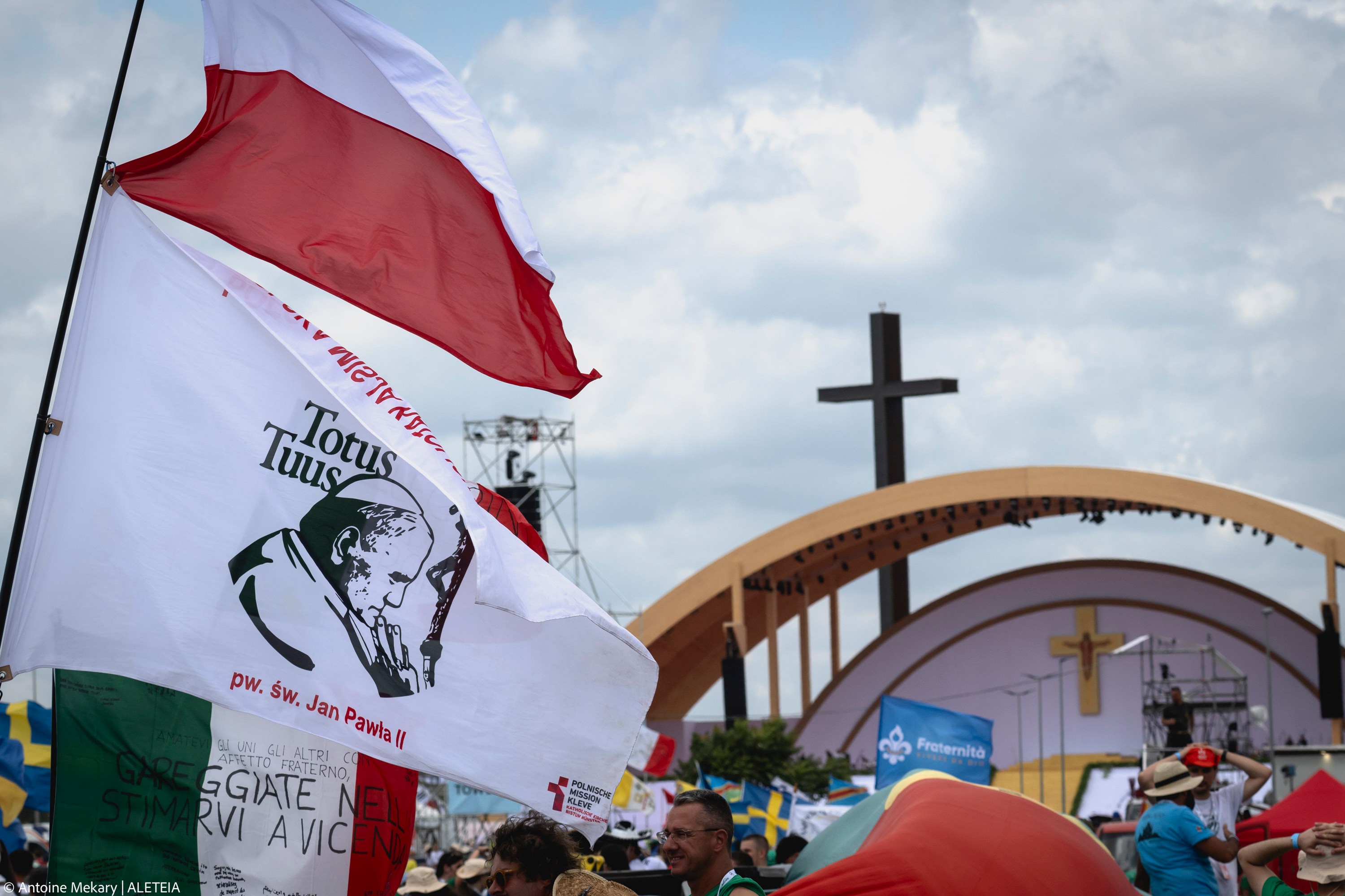
Throughout the modern era, hundreds of world-renowned musicians, ranging from operatic legends like Andrea Bocelli to rock icons like Bob Dylan and U2, have performed for the Pope. These performances typically occur during World Youth Day celebrations, Vatican Christmas concerts, or special diplomatic and liturgical events, serving as a cultural bridge between the Holy See and the secular world.
The intersection of the papacy and popular music has evolved significantly over the last century. While the Vatican was once seen as a bastion of strictly liturgical and classical music, the reign of Pope St. John Paul II marked a definitive shift toward engaging with contemporary culture. Today, as we look back from 2026, the history of papal performances reveals a sophisticated effort by the Catholic Church to utilize the universal language of music to communicate messages of peace, social justice, and spiritual renewal to a global audience.
The Philosophical Foundation: The "Letter to Artists"
To understand why a global religious leader would host rock stars and pop divas, one must look at the theological framework established by Pope John Paul II. In 1999, he issued his famous "Letter to Artists," which argued that the Church needs art to make the message of the Gospel visible and audible. He posited that beauty is a "key to the mystery and a call to transcendence."
This document essentially gave the "green light" for the Vatican to invite artists who were not necessarily Catholic or even traditionally religious. The criteria shifted from doctrinal purity to the "quality of the message" and the ability of the music to stir the human soul toward the divine. This philosophical shift paved the way for the diverse range of genres—from hip-hop and jazz to heavy metal—that have since been heard within the hallowed halls of the Vatican and at massive outdoor papal rallies.
The John Paul II Era: Breaking the Secular Barrier
Pope John Paul II is widely credited with bringing "pop" to the papacy. His charismatic approach and background in the theater made him naturally inclined toward the arts.
Bob Dylan and the 1997 Eucharistic Congress
One of the most historic and debated performances occurred in September 1997 in Bologna, Italy. Bob Dylan, the voice of the 1960s counterculture, was invited to perform for the Pope during a youth rally. Despite reported reservations from the then-Prefect of the Congregation for the Doctrine of the Faith, Cardinal Joseph Ratzinger (the future Pope Benedict XVI), John Paul II insisted on the appearance. Dylan performed "Knockin' on Heaven's Door," "A Hard Rain's A-Gonna Fall," and "Forever Young." After the performance, the Pope even used Dylan’s lyrics in his address, reflecting on the "answer blowing in the wind" and identifying it as the breath of the Holy Spirit.
The Christmas Concerts (Concerto di Natale)
Starting in 1993, the Vatican began hosting an annual Christmas concert in the Paul VI Audience Hall. These events attracted an incredible array of international talent:
- Celine Dion: The Canadian powerhouse performed at the Vatican in the mid-1990s, delivering a moving rendition of "The Prayer."
- Bryan Adams: Known for his rock anthems, Adams performed at the 2001 Christmas concert, showcasing the Vatican’s willingness to embrace mainstream rock.
- Gloria Estefan: A devout Catholic, Estefan performed for the Pope on multiple occasions, including the 1995 celebration of the Pope’s 50th anniversary of ordination.
Pope Benedict XVI: A Return to Classical Roots
When Cardinal Ratzinger became Pope Benedict XVI in 2005, many expected a swift end to pop performances due to his well-known preference for Mozart and Gregorian chant. However, while the tone shifted toward the classical, the tradition of inviting world-class performers continued.
Benedict XVI believed that sacred music should have a specific "gravity" to it. During his papacy, the Sistine Chapel Choir saw a resurgence in prestige. Notable performers during this era included:
- Andrea Bocelli: Though he performed for multiple popes, his relationship with Benedict was particularly strong due to their shared love for the classical tradition. Bocelli’s performance of "Ave Maria" at the Vatican remains a benchmark of papal musical events.
- The Vienna Philharmonic: Frequent guests at the Vatican, providing the high-art backdrop that Benedict felt best reflected the majesty of the liturgy.
Interestingly, Benedict did not entirely ban modern music. He continued the World Youth Day traditions, which featured contemporary Christian music and local folk artists from around the world, recognizing the cultural importance of these genres for the youth.
Pope Francis: Music for the Margins and Social Justice
Since his election in 2013, Pope Francis has utilized music as a tool for his "culture of encounter." His selections often reflect his focus on the poor, the marginalized, and the environment.
World Youth Day and Large-Scale Events
Pope Francis has seen some of the largest musical gatherings in history. At World Youth Day in Rio de Janeiro (2013) and Krakow (2016), dozens of artists performed for crowds exceeding three million people. These events featured:
- Matt Maher: The contemporary Christian music star has become a staple at Francis-era events, notably leading a million people in Eucharistic adoration with his song "Lord, I Need You."
- Shakira: While her performance at the UN General Assembly in 2015 was technically for a global audience, she performed "Imagine" specifically to open the session where Pope Francis spoke, marking a significant intersection of celebrity culture and papal diplomacy.
The Inclusion of Modern Pop and Activism
Under Francis, the Vatican Christmas concerts have featured artists like Lana Del Rey, Patti Smith, and Susan Boyle. The inclusion of Patti Smith in 2014 was particularly noteworthy, given her history as a "punk-rock" provocateur. Her invitation signaled the Francis administration's willingness to engage with artists who may have been critical of the Church in the past but who shared the Pope’s concerns regarding social justice and human rights.
Comparison of Major Papal Performances
The following table summarizes some of the most influential artists and the contexts in which they performed for the Holy Father.
| Artist | Pope | Event | Primary Genre |
|---|---|---|---|
| Bob Dylan | John Paul II | 1997 Eucharistic Congress | Folk / Rock |
| Andrea Bocelli | John Paul II, Benedict XVI, Francis | Various (Concerto di Natale, WYD) | Classical Crossover |
| Celine Dion | John Paul II | Vatican Christmas Concert | Pop |
| Bono (U2) | John Paul II (Meeting/Private) | Jubilee 2000 Campaign | Rock |
| Patti Smith | Francis | 2014 Christmas Concert | Punk / Art Rock |
| Aretha Franklin | Francis | 2015 Festival of Families | Soul / Gospel |
| Matt Maher | Francis | World Youth Day 2013 | Contemporary Christian |
| Ennio Morricone | Francis | 2015 "Missa Papae Francisci" | Orchestral |
The Role of World Youth Day (WYD)
World Youth Day remains the most significant venue for artists to perform for the Pope. Established by John Paul II in 1985, these triennial gatherings serve as a "Catholic Woodstock." The musical lineup is intentionally diverse to reflect the global nature of the Church.
Performers at WYD are often tasked with creating a "vigil" atmosphere—transitioning from high-energy pop and rock in the afternoon to contemplative, prayerful music in the evening as the Pope arrives. This requires a unique set of skills from the artists, who must balance their own artistic identity with the liturgical needs of the event. Artists like The Sun (an Italian rock band) and various international gospel choirs have used this platform to reach audiences of millions.
Logistics and the Selection Process
How does an artist get chosen to perform for the Pope? The process is rarely a direct invitation from the Pontiff himself. Instead, it involves several layers of Vatican administration:
- The Dicastery for Culture and Education: This department often oversees high-level cultural events and suggests artists who align with specific themes (e.g., hope, mercy, or climate change).
- The Fondazione Giovanni Paolo II per la Gioventù: This foundation typically handles the logistics for World Youth Day musical acts.
- Local Organizing Committees: When the Pope travels (e.g., to the USA, Philippines, or Brazil), the local church leadership often selects national artists to perform. For example, during Pope Francis's 2015 U.S. visit, Aretha Franklin and The Fray were selected by the Philadelphia organizing committee.
- Vetting: All artists undergo a vetting process. While the Vatican has become more inclusive, they generally avoid artists whose current public persona or lyrical content is directly antithetical to core Catholic values at the time of the performance.
Controversies and Symbolic Moments
The history of artists performing for the Pope is not without its friction. The Bob Dylan performance remains the most cited example of internal Vatican disagreement. However, other moments have carried deep symbolic weight.
In 1999, Bono met with Pope John Paul II as part of the Jubilee 2000 Drop the Debt campaign. While not a "concert" in the traditional sense, the image of the rock star and the Pope swapping sunglasses became an iconic symbol of the Church's willingness to partner with secular celebrities for the common good.
Conversely, some artists have used their proximity to the papacy to make statements. While Sinead O'Connor famously tore up a picture of Pope John Paul II on Saturday Night Live (an act of protest rather than a performance for him), her actions highlight the high stakes and the intense scrutiny that follows any artist who engages with the symbols of the papacy.
Frequently Asked Questions
Do artists get paid to perform for the Pope?
In the vast majority of cases, artists do not receive a performance fee for papal events. Performing for the Pope is considered a high honor and a charitable contribution. However, their travel, lodging, and production costs are typically covered by the event organizers or sponsors.
Who was the first popular secular artist to perform for a Pope?
While classical musicians have performed for centuries, the trend of modern secular artists began in earnest during the 1970s and 80s under John Paul II. The 1993 Christmas Concert was a major milestone that formalized the inclusion of pop and rock stars.
Has a rapper ever performed for the Pope?
Yes. During the 2000 Jubilee Year, several hip-hop artists performed for John Paul II as part of youth rallies. More recently, local rappers in various countries have performed at World Youth Day stages, often delivering "Clean" or spiritually-themed hip-hop.
Can non-Catholic artists perform at the Vatican?
Absolutely. The Vatican frequently invites Jewish, Muslim, and secular artists to perform, particularly at events focused on interreligious dialogue and world peace. The goal is often to demonstrate the "universal" appeal of music.
What is the largest audience an artist has played for in the presence of a Pope?
The largest audiences are found at World Youth Day closing masses. Artists performing before the 1995 Manila WYD Mass played for an estimated 5 million people, while the 2013 Rio de Janeiro event saw approximately 3.7 million attendees.
Future Outlook: The Papacy and the Arts in 2026
As of 2026, the tradition of musical excellence at the Vatican continues to expand. The focus has recently shifted toward digital integration, with virtual performances and AI-assisted compositions being explored as ways to reach the "digital periphery" that Pope Francis often discusses. The core mission, however, remains unchanged: using the power of melody and rhythm to provide a "window into the divine." For any artist, whether a global superstar or a local folk singer, the invitation to perform for the Pope remains one of the most unique and prestigious milestones in a musical career.