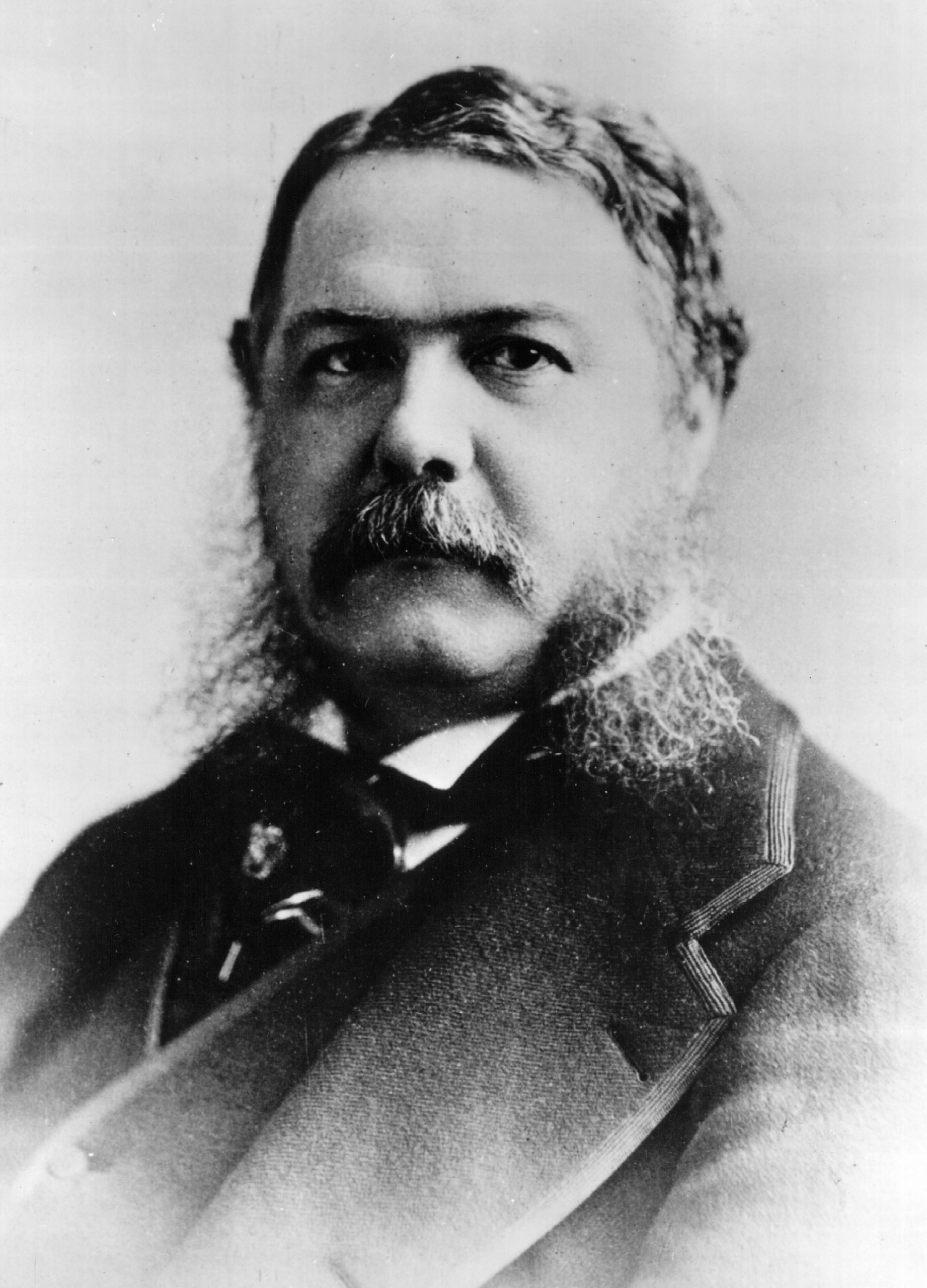
Arthur "Spud" Melin’s net worth at the time of his passing in 2002 was largely defined by the 1982 sale of Wham-O to Kransco for $12 million. While his personal liquid assets were not publicly disclosed, the inflation-adjusted value of his business exit, combined with decades of high-volume toy sales, cemented his status as a multi-millionaire and a foundational figure in the modern consumer products landscape.
The Genesis of Wham-O: From a Garage to a Global Brand
Arthur "Spud" Melin (1924–2002) did not inherit wealth; he manufactured it through a combination of aggressive marketing, lean operations, and a keen eye for "fads" that could be converted into household staples. In 1948, Melin and his childhood friend Richard Knerr founded Wham-O in a Pasadena, California garage. The initial capital was modest, focusing on a single product: a slingshot made of ash wood.
The company's name was an onomatopoeia for the sound the slingshot made when hitting its target. This early period of Melin’s career was characterized by bootstrapping. The duo marketed their slingshots to hunters and target shooters, eventually expanding into boomerangs and other sporting goods. This diversification was the first sign of Melin’s financial strategy: never rely on a single product line, but ensure every product has a high perceived value relative to its manufacturing cost.
By the early 1950s, Wham-O was a profitable enterprise, but it had not yet reached the stratospheric wealth levels that would come with the introduction of plastics. Melin’s genius lay in his ability to identify a product’s potential and scale it rapidly before competitors could saturate the market.
The Hula Hoop: A Study in Viral Economics
If one were to pinpoint the single greatest contributor to Arthur Melin’s early net worth, it would be the Hula Hoop. Introduced in 1958, the Hula Hoop was not a new invention—wooden hoops had existed for centuries—but Melin and Knerr were the first to manufacture them using a newly developed plastic called Marlex, a high-density polyethylene.
The financial impact of the Hula Hoop was unprecedented:
- Volume: Wham-O sold over 25 million hoops in the first four months.
- Market Penetration: Within a year, over 100 million units had been sold globally.
- Profit Margins: The cost of raw polyethylene was low, while the retail price (approximately $1.98 in 1958) allowed for significant margins even after distribution and marketing costs.
However, the Hula Hoop craze also provided a harsh financial lesson for Melin. Because the product was easy to replicate and hard to patent effectively, the market was quickly flooded with cheap imitations. By the time the craze died down in late 1959, Wham-O was left with a massive surplus of inventory. This "boom and bust" cycle taught Melin the importance of intellectual property and brand protection, which would define his later successes with the Frisbee.
Mastering the Fad: The Frisbee and the Superball
Following the Hula Hoop, Melin refined his business model. He moved away from purely "viral" fads toward products that could maintain long-term brand equity. In 1955, Wham-O bought the rights to the "Pluto Platter" from inventor Fred Morrison. Melin and Knerr rebranded it as the Frisbee in 1957.
Unlike the Hula Hoop, the Frisbee was positioned as a sport. Melin invested in the creation of the International Frisbee Association (IFA) to promote the product as more than a toy. This strategic move ensured a steady stream of revenue for decades. The Frisbee became a "staple" product, providing a reliable financial floor for the company that shielded it from the volatility of the toy market.
In 1965, Melin introduced the Superball, made from a synthetic rubber called Zectron. This product was another massive financial success, selling over 20 million units at its peak. The Superball showcased Melin’s ability to utilize materials science (often through licensing or discovering chemical compounds) to create high-margin consumer goods. The consistent success of these products throughout the 1960s and 70s ensured that Melin’s personal wealth grew steadily, allowing for reinvestment into new intellectual properties like the Slip 'N Slide and Silly String.
The Financial Exit: The 1982 Kransco Acquisition
The most definitive marker for Arthur Melin’s net worth was the sale of Wham-O in 1982. After 34 years of private ownership, Melin and Knerr sold the company to Kransco Group Companies for $12 million.
To understand the magnitude of this figure in a 2026 context, it is necessary to apply inflationary and market adjustments. A $12 million sale in 1982 would be equivalent to approximately $42 million in 2026, assuming standard CPI inflation. However, if that capital were invested in a diversified S&P 500 portfolio over the same period, the valuation would be significantly higher.
The sale included the entire portfolio of trademarks and patents, which at the time were some of the most recognized in the world. For Melin, this exit represented the monetization of decades of brand building. It provided the liquidity that characterized his later years, moving his wealth from an illiquid business equity into a more stable investment portfolio.
Assessing Total Wealth and Economic Impact in 2026
When viewing Arthur Melin’s net worth from a 2026 perspective, we must look beyond his personal bank balance at the time of his death. His financial legacy is better measured by the continued economic activity of the brands he created.
The brands Melin nurtured—Frisbee, Hula Hoop, and Slip 'N Slide—have changed hands several times since the Kransco deal. They were sold to Mattel in 1994 and later to various private equity groups and toy companies. By 2026, these brands continue to generate hundreds of millions of dollars in annual global retail sales.
Melin’s personal financial strategy was remarkably conservative post-exit. Unlike many modern tech founders who chase high-risk ventures, Melin’s wealth was maintained through traditional asset management and real estate. His lifestyle in Orange County, California, reflected a man who had achieved significant financial independence but remained grounded in the practicalities of business.
Comparative Financial Overview: Wham-O Growth Phases
The following table outlines the key financial eras of the company Arthur Melin co-founded, illustrating the scale of wealth generation during his tenure.
| Era | Primary Revenue Driver | Estimated Annual Revenue (Peak) | Key Financial Milestone |
|---|---|---|---|
| Founding (1948–1955) | Slingshots, Boomerangs | ~$500,000 | Transition from wood to plastics. |
| The Craze Era (1958–1960) | Hula Hoop | ~$30M (Unadjusted) | 100M+ units sold; global expansion. |
| The Staple Era (1960–1980) | Frisbee, Superball, Slip 'N Slide | ~$15M - $25M (Consistent) | Development of year-round revenue. |
| The Exit (1982) | Total Portfolio Sale | $12M Cash Sale | Acquisition by Kransco Group. |
| Legacy Era (2000–2026) | Brand Licensing & Royalties | N/A (Consolidated) | Brands managed by Mattel, then Spin Master. |
The Legacy of the Melin Estate
Arthur Melin passed away in December 2002 at the age of 77 due to complications from Alzheimer's disease. While his exact estate value was kept private to protect his heirs, industry estimates and the history of the Wham-O sale suggest a net worth in the mid-to-high eight-figure range (in 2002 dollars).
Melin’s financial success was notable not just for the amount, but for the efficiency with which it was earned. Wham-O never went public during his leadership; it remained a lean, private entity that avoided the pressures of quarterly earnings calls. This allowed Melin to take risks on unconventional products that a public board might have rejected.
His wealth enabled a quiet retirement and philanthropic contributions, though he largely stayed out of the public eye after the 1982 sale. The "Spud" Melin legacy is one of "Marketing Alchemy"—the ability to take 50 cents worth of plastic and turn it into a $5 cultural icon.
Frequently Asked Questions
Did Arthur Melin die a billionaire?
No. While Arthur Melin was exceptionally wealthy and a pioneer of the toy industry, his net worth did not reach the billionaire threshold. His $12 million exit in 1982, even when adjusted for inflation and investment growth, placed him comfortably in the multi-millionaire category. The "billion-dollar" status is often associated with the cumulative retail sales of his products over 70 years, rather than his personal take-home wealth.
Who owns the rights to Wham-O in 2026?
Ownership of the Wham-O brand has shifted several times. After Kransco sold it to Mattel in 1994, it was later sold to a group of investors in 1997. In recent years, the brand has been managed by various holding companies and has seen a resurgence through licensing deals with major retailers. As of 2026, the brands remain active under private ownership, continuing to leverage the trademarks Melin and Knerr established.
How much did Arthur Melin make from the Hula Hoop?
Exact figures for Melin’s personal take from the Hula Hoop are difficult to isolate because the profits were reinvested into Wham-O. However, the company generated tens of millions of dollars in revenue in 1958 alone. Because Wham-O was a private partnership between Melin and Knerr, a significant portion of the net profit (after taxes and overhead) flowed directly to the two founders.
Was Arthur Melin involved in the toy industry after selling Wham-O?
Following the 1982 sale, Melin largely stepped back from the operational side of the toy industry. He focused on his family and personal interests, though he remained an iconic figure consulted for his insights on marketing and consumer behavior. His partner, Richard Knerr, also remained active in the community until his own passing in 2008.
What was the most profitable product Arthur Melin ever created?
While the Hula Hoop had the highest short-term volume, the Frisbee is widely considered the most profitable product in the long term. Because it transitioned from a toy to a piece of athletic equipment used in competitive sports (like Ultimate Frisbee), it generated consistent, year-over-year revenue with minimal marketing spend compared to the initial launch.
Practical Recommendation for Business Historians and Investors
For those analyzing Arthur Melin’s financial history as a model for modern business, the primary takeaway is the value of trademarking over patenting. Melin recognized that while mechanical patents for toys can be difficult to defend and eventually expire, a strong trademark (like "Frisbee") can last indefinitely and create a "moat" around a product.
If you are looking to build a consumer brand, focus on creating "genericized trademarks"—names so synonymous with the product category that they become the default choice for consumers. Melin's net worth was a direct result of his ability to own the name of the game, not just the rules.
Further research into the history of Wham-O can be found through the Smithsonian Institution's Archives, which houses a collection of Wham-O products and historical business documents.