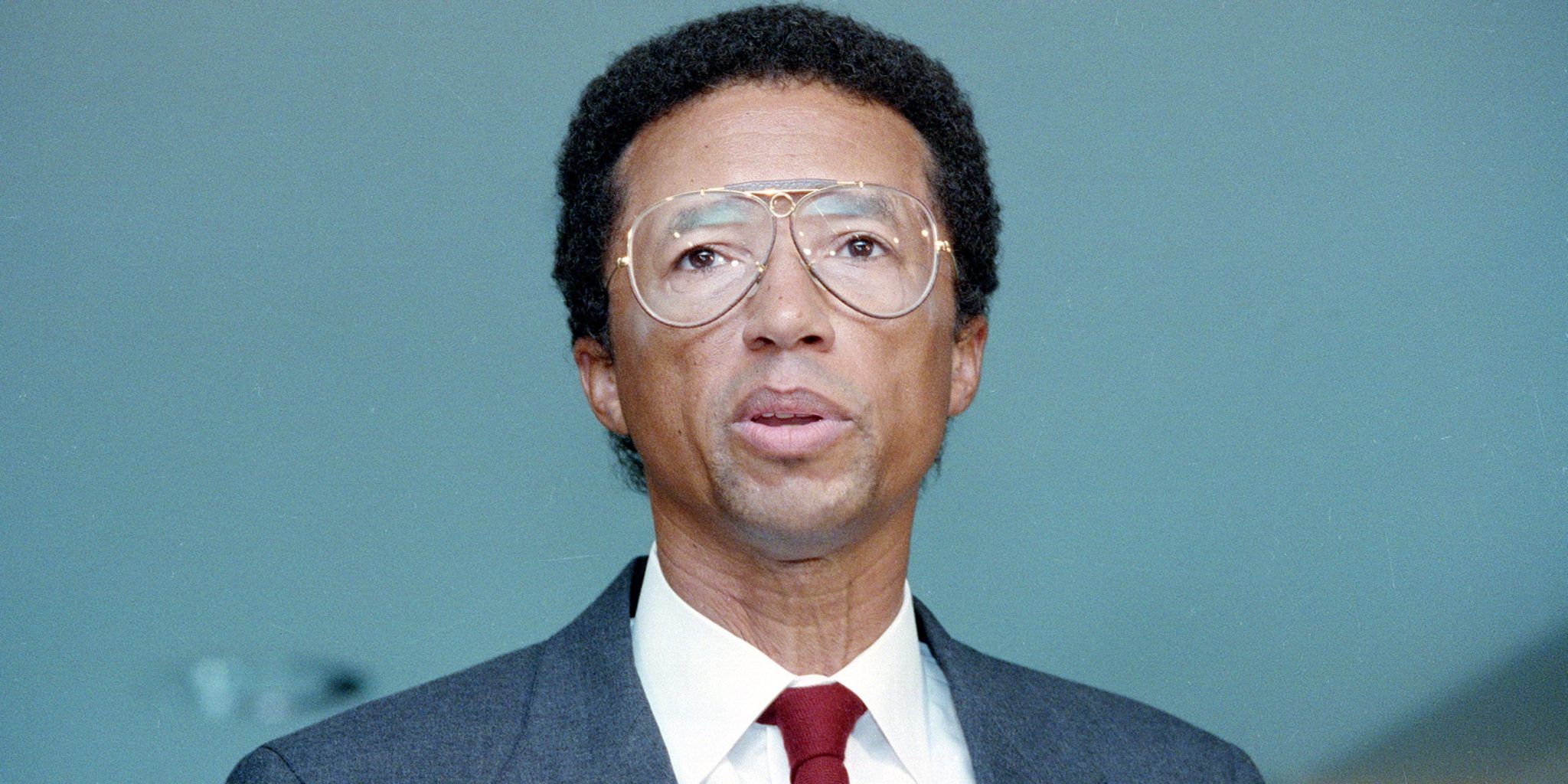
As of 2026, the financial legacy of Arthur Powell, the late Philadelphia real estate titan and philanthropist, is estimated to be in the range of $300 million to $500 million. While his primary company, Powell Development Co., remains a private entity, the valuation of his vast Delaware Valley real estate portfolio and his documented history of multi-million dollar charitable contributions establish him as one of the most successful developers in Pennsylvania’s history.
Arthur Powell, who passed away in July 2021 at the age of 97, was not merely a builder of structures; he was a master of the commercial real estate cycle. His wealth was built on a foundation of "needs-based" retail development—shopping centers anchored by essential services—a strategy that insulated his net worth from the volatile shifts of the broader economy. To understand the depth of his financial standing in 2026, one must analyze the acquisition of his assets, his conservative approach to leverage, and the massive philanthropic footprint he left behind.
The Foundations of the Powell Fortune
Arthur Powell’s path to a high-net-worth individual was rooted in the post-World War II economic boom. After serving in the Army and earning a degree in mechanical engineering from Lehigh University in 1945, Powell entered the workforce during an era of unprecedented suburban expansion.
The "wealth engine" for Powell began with the realization that the burgeoning Philadelphia suburbs required more than just housing; they required a sophisticated infrastructure for commerce. He founded Powell Development Co. in the early 1960s, shifting his focus from small-scale projects to massive regional developments. By identifying strategic parcels of land in Montgomery and Bucks Counties before the peak of suburban sprawl, Powell was able to secure high-value positions at a fraction of their eventual market value.
Engineering as a Business Edge
Powell’s background in engineering provided a distinct advantage in his real estate ventures. Unlike developers who relied solely on aesthetic appeal, Powell focused on structural efficiency, logistics, and long-term durability. This technical depth allowed him to minimize maintenance costs across his portfolio, significantly increasing the net operating income (NOI) of his properties over decades. By 2021, many of his developments had been under his ownership for 40 years or more, meaning they were largely debt-free and generating pure cash flow.
The Real Estate Portfolio: Anchored in Stability
The core of the Arthur Powell Philadelphia net worth is tied to his commercial real estate holdings. Powell Development Co. specialized in the development and management of shopping centers, office parks, and industrial spaces. In the Delaware Valley, Powell's name became synonymous with the "anchored strip mall" model.
Strategic Asset Allocation
Powell’s strategy was to target "recession-proof" tenants. Even in the face of the e-commerce surge in the early 21st century and the subsequent market shifts leading into 2026, his properties remained valuable because they focused on:
- Supermarket Anchors: Essential for daily consumer traffic.
- Medical Facilities: High-retention tenants with long lease terms.
- Service-Oriented Retail: Businesses that provide services that cannot be digitized, such as salons and fitness centers.
The valuation of these properties in the Philadelphia metropolitan area has seen a steady appreciation. By 2026, the "flight to quality" in commercial real estate has benefited established, well-maintained assets like those in the Powell portfolio. The cumulative value of these holdings—including prime locations in Fort Washington and the surrounding suburbs—represents the largest portion of his estate.
| Asset Category | Estimated Impact on Net Worth | Description/Key Locations |
|---|---|---|
| Retail Centers | $200M - $300M | Anchored shopping plazas in Montgomery and Bucks County. |
| Industrial/Flex Space | $50M - $100M | Warehouse and distribution hubs near the PA Turnpike. |
| Office Parks | $40M - $70M | Boutique office spaces in Fort Washington and the Main Line. |
| Personal Real Estate | $15M - $25M | High-value residential estates in Gladwyne and Palm Beach. |
| Philanthropic Endowments | ($50M+) | Capital already disbursed to Jefferson and Jewish Federation. |
Philanthropy: A Measure of Liquid Wealth
One of the most accurate ways to verify the net worth of a private figure like Arthur Powell is to examine their charitable giving. Financial experts often look at the "philanthropic capacity" of an individual to estimate their liquidity. Powell and his late wife, Lea, were major donors to Philadelphia’s most prominent institutions.
The Jefferson Legacy
The most visible sign of Powell's wealth is the Arthur and Lea Powell Hall at Thomas Jefferson University. A donation of this magnitude—naming a major academic building at a prestigious medical institution—typically requires an eight-figure commitment. His support for Jefferson extended to the Jefferson Awards and various research initiatives, totaling tens of millions of dollars over several decades.
Support for Jewish Causes
Powell was a pillar of the Jewish Federation of Greater Philadelphia. His contributions were not limited to annual giving; he participated in capital campaigns and endowment funds that shaped the infrastructure of the local Jewish community. These levels of consistent, high-impact giving are only possible for individuals with a net worth exceeding several hundred million dollars.
The Mechanics of Wealth Preservation
For a figure like Arthur Powell, net worth is not just about accumulation but preservation. Powell utilized sophisticated estate planning tools common among Philadelphia’s elite families. By placing assets into trusts and utilizing a family-led management structure for Powell Development, he ensured that his wealth would continue to grow even after his passing in 2021.
Diversification and Risk Management
Powell’s financial standing was bolstered by a lack of over-extension. While many developers struggled during the 2008 financial crisis due to high debt-to-equity ratios, Powell’s conservative borrowing practices allowed him to weather the storm and even acquire distressed assets. This discipline is a hallmark of his business philosophy and a primary reason his estate remains so robust in 2026.
Arthur Powell vs. The Philadelphia Real Estate Market
In the context of the Philadelphia market, Arthur Powell ranks among the "old guard" of developers whose influence paved the way for modern firms like Toll Brothers or Liberty Property Trust. While he did not seek the national spotlight often associated with New York developers, his local impact was arguably greater.
His net worth was "quiet wealth"—wealth derived from the ownership of land and the steady collection of rent, rather than speculative trading or stock market fluctuations. In 2026, this type of wealth is considered the most stable, as physical land in the densely populated I-95 corridor continues to be one of the most sought-after asset classes.
The Powell Development Legacy in 2026
Five years after his passing, the company Arthur Powell built continues to operate with the same focus on long-term value. For those researching "Arthur Powell Philadelphia net worth," it is important to distinguish between the individual’s liquid assets and the total enterprise value of his companies. The enterprise value represents the collective worth of the properties, the management contracts, and the brand equity of Powell Development.
The transition of the business to the next generation of the Powell family has been a study in successful succession planning. Unlike many family-owned real estate firms that dissolve or sell out to private equity after the founder's death, the Powell estate has maintained control over its core assets. This suggests a strong capital position and a lack of pressure to liquidate for tax purposes—further evidence of the depth of his financial planning.
Frequently Asked Questions
What was Arthur Powell’s primary source of wealth?
Arthur Powell’s wealth was primarily derived from commercial real estate development and management. Through his company, Powell Development Co., he built a significant portfolio of supermarket-anchored shopping centers and office parks in the Philadelphia suburbs. His strategy of holding onto properties for the long term allowed him to benefit from massive appreciation and consistent rental income.
How much did Arthur Powell donate to Thomas Jefferson University?
While the exact total of his lifetime giving is private, the naming of Powell Hall and his consistent support for the university suggest total contributions exceeding $25 million. His philanthropy was a core part of his financial identity, indicating significant liquid wealth outside of his real estate holdings.
Who manages Arthur Powell’s estate and company now?
Since his passing in 2021, Powell Development Co. has continued under the leadership of the Powell family and a seasoned management team. The company maintains its headquarters in the Philadelphia area and continues to manage the portfolio of properties Arthur Powell spent decades building.
Did Arthur Powell own residential properties?
While his professional focus was commercial, Arthur Powell owned high-value residential real estate in some of the most exclusive areas of the country. This included a primary residence on the Main Line in Philadelphia (Gladwyne area) and a seasonal residence in Florida. These personal assets contributed an estimated $20 million to $25 million to his overall net worth.
Why is his net worth often cited as an estimate?
Because Arthur Powell’s businesses were privately held, there are no public SEC filings to provide an exact dollar amount for his fortune. Net worth estimates for private developers are calculated based on the market value of their real estate holdings, known philanthropic gifts, and the typical performance of firms in their specific niche.
Practical Recommendation for Researchers
If you are looking for more specific details regarding the Powell estate's current operations, it is recommended to review the Jewish Federation of Greater Philadelphia’s historical donor reports or the Thomas Jefferson University office of institutional advancement. These organizations provide the most transparent view of the scale of his financial legacy. For business-related inquiries, the Montgomery County Recorder of Deeds offers public access to property transactions that illustrate the geographic breadth of the Powell Development portfolio.
In summary, Arthur Powell’s net worth in 2026 stands as a testament to the power of suburban commercial real estate. By focusing on essential services and maintaining a long-term ownership perspective, he built a fortune that not only survived economic downturns but also funded significant advancements in healthcare and community services in Philadelphia.