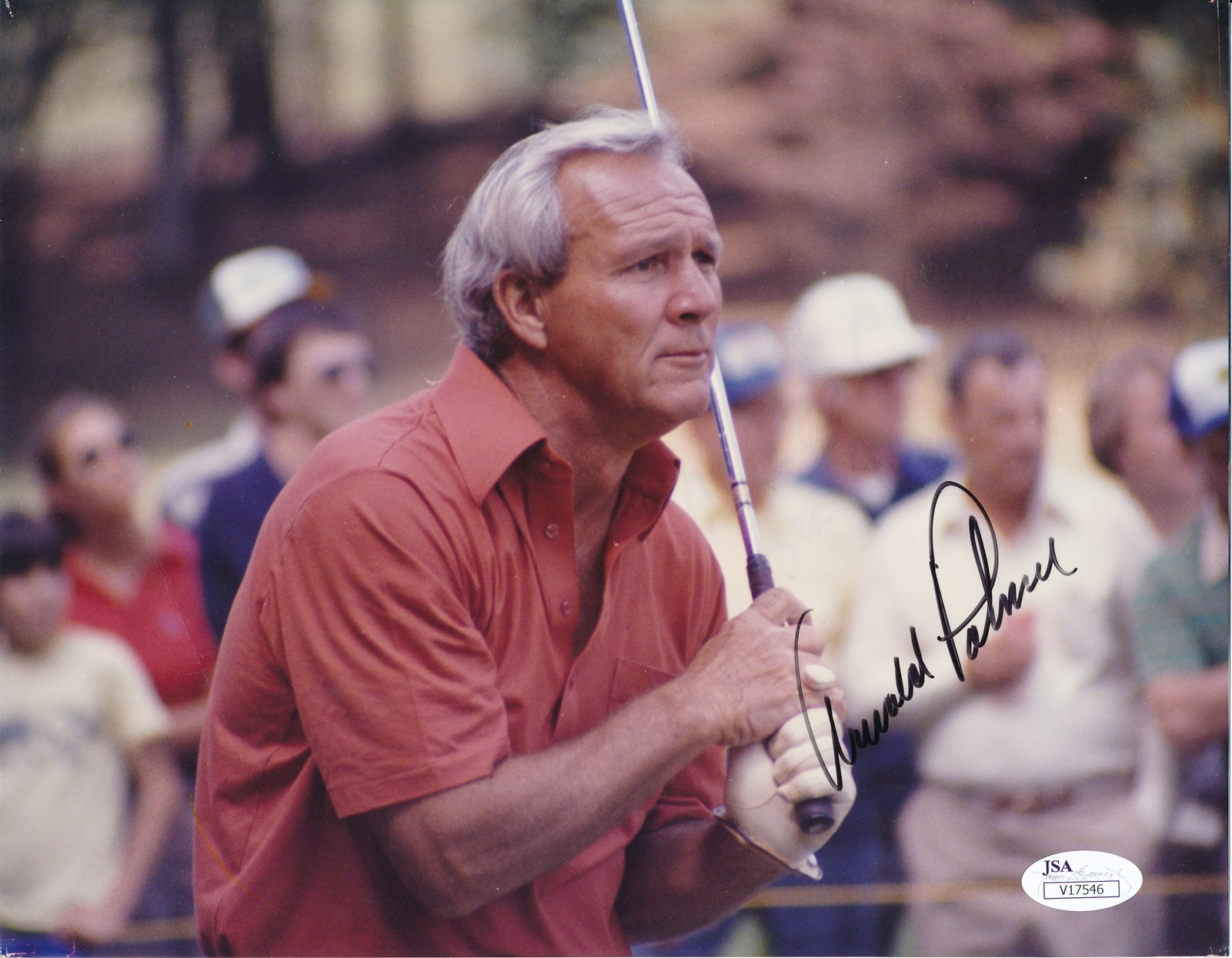
At the time of his passing in September 2016, Arnold Palmer’s net worth was estimated at approximately $875 million. In 2026, his estate and the Arnold Palmer brand continue to be financial powerhouses, generating significant annual revenue through licensing, the iconic Arnold Palmer beverage line, and a global network of golf course designs and branded apparel.
Arnold Palmer did not just play golf; he invented the blueprint for the modern professional athlete as a commercial brand. While his tournament winnings were modest by contemporary standards, his business acumen and the pioneering partnership with Mark McCormack transformed "The King" into a global icon whose financial footprint remains massive a decade after his death. Understanding Arnold Palmer’s worth requires a deep dive into the intersection of sports marketing, licensing, and the enduring power of a meticulously managed personal brand.
The Foundation of a Fortune: Prize Money vs. Marketing
To understand Arnold Palmer's worth, one must first recognize the era in which he played. Palmer turned professional in 1954, a time when professional golfers were essentially traveling salesmen who competed for relatively small purses. Over his career, Palmer won 62 PGA Tour titles, including seven major championships.
Surprisingly, his total career earnings from PGA Tour prize money amounted to roughly $1.8 million. By 2026 standards, this figure is often surpassed by a single tournament winner on the modern PGA Tour or the LIV Golf circuit. However, Palmer’s true value was never tied to the leaderboard. Instead, his worth was built on his relatability—the "Arnie’s Army" phenomenon—which made him the most sought-after pitchman in sports history.
The McCormack Partnership and the Birth of IMG
The single most significant event in the history of Arnold Palmer’s wealth was his 1960 handshake agreement with Mark McCormack. McCormack, a lawyer, realized that Palmer’s charisma could be sold to corporate America. This partnership led to the creation of International Management Group (IMG), the world’s first major sports management agency.
Together, they moved beyond simple endorsements. They focused on long-term brand building. By 1967, Palmer was the first golfer to reach $1 million in career prize money, but he was already making several times that amount annually through off-course ventures. This shift from "athlete" to "brand" is the primary reason his estate remains valued near the billion-dollar mark in 2026.
Arnold Palmer Enterprises (APE) and Global Licensing
The engine behind Palmer’s sustained wealth is Arnold Palmer Enterprises (APE). Based in Cleveland and Orlando, this entity manages the licensing of Palmer’s name, image, and the famous four-color umbrella logo. Even in 2026, the umbrella remains one of the most recognized symbols in the world, particularly in Asian markets.
The Asian Market Dominance
While Palmer is an American legend, a substantial portion of his ongoing net worth is derived from his massive footprint in Japan, South Korea, and China. Long before other athletes looked eastward, Palmer had established hundreds of retail locations in Japan. These stores sell everything from high-end apparel to leather goods and home decor, all bearing the Palmer name. The licensing fees from these international partnerships provide a steady, passive income stream that continues to bolster the estate's valuation.
The Signature Beverage: A Licensing Masterstroke
One of the most visible components of Arnold Palmer’s worth is the "Arnold Palmer" beverage—a 50/50 blend of iced tea and lemonade. What started as a personal preference at a golf club became a global retail sensation through a partnership with AriZona Beverages.
In 2026, the Arnold Palmer line remains a dominant force in the "ready-to-drink" tea market. The licensing agreement is structured such that the estate receives a royalty for every can and bottle sold. Given the volume—hundreds of millions of cans annually—this single product line accounts for a significant portion of the estate's yearly earnings, estimated to be in the range of $15 million to $20 million annually.
Golf Course Design and Real Estate Assets
Beyond the retail and beverage space, Arnold Palmer’s financial portfolio includes significant tangible assets and service-based revenue.
Arnold Palmer Design Company
Founded in 1972, the Arnold Palmer Design Company has been involved in the creation of over 300 golf courses worldwide. These courses are located in over 37 states and 25 countries. The fees for design services, which can range from hundreds of thousands to millions of dollars per project, added layers of wealth to Palmer’s net worth. More importantly, these courses often carry maintenance and branding contracts that provide ongoing revenue.
Bay Hill Club & Lodge
A cornerstone of his physical assets is the Bay Hill Club & Lodge in Orlando, Florida. Palmer purchased the club in the 1970s, and it has since become one of the most prestigious private clubs in the United States. It serves as the venue for the Arnold Palmer Invitational, a premiere PGA Tour event. The valuation of the land, the lodge, and the club operations themselves contribute tens of millions to his total estate value.
Estimated Asset Breakdown and Historical Milestones
The following table outlines the key components that contributed to Arnold Palmer's net worth and their status in the 2026 financial landscape.
| Asset Category | Description | Estimated Impact on Worth |
|---|---|---|
| Endorsements | Partnerships with Rolex, Hertz, Cadillac, and Pennzoil. | High (Historical Foundation) |
| Licensing (Apparel) | Hundreds of retail outlets, primarily in Asia (Japan/Korea). | Significant Ongoing Revenue |
| Beverage Royalties | Partnership with AriZona Iced Tea (The Arnold Palmer). | $15M - $20M Annually |
| Real Estate | Bay Hill Club & Lodge, Latrobe Country Club, and properties. | $100M+ in Physical Assets |
| Course Design | Over 300 courses globally under APDC. | Multi-million dollar fees |
| Media & Ventures | Co-founder of The Golf Channel (sold to Comcast/NBC). | Major Capital Liquidity Event |
The Impact of The Golf Channel Sale
A pivotal moment in Palmer’s wealth accumulation was his role as a co-founder of The Golf Channel in 1995. At the time, many doubted that a 24-hour niche sports network could survive. Palmer invested his own capital and used his influence to gain distribution.
When the network was eventually fully integrated into the NBC Sports Group (Comcast), the buyout represented one of the largest single increases in Palmer’s liquidity. This move proved that his business instincts were as sharp as his iron play, allowing him to diversify his wealth into traditional investment portfolios that have continued to grow through 2026.
Philanthropy and the Arnold & Winnie Palmer Foundation
It is impossible to discuss Arnold Palmer’s worth without mentioning where a significant portion of that wealth is directed today. The Arnold & Winnie Palmer Foundation focuses on children’s health and golf’s growth. Much of the estate's ongoing earnings are funneled into the Arnold Palmer Hospital for Children and the Winnie Palmer Hospital for Women & Babies in Orlando.
In the context of 2026, the "worth" of Arnold Palmer is not just a ledger of assets, but a functioning philanthropic engine. The estate is managed with the dual goal of preserving the brand’s commercial value and ensuring that the charitable mission remains funded in perpetuity.
Comparing Palmer's Worth to Modern Athletes
When analyzing Arnold Palmer’s $875 million valuation, it is natural to compare him to modern figures like Tiger Woods or Michael Jordan, who have surpassed the billion-dollar mark. However, Palmer’s wealth must be viewed through the lens of inflation and market evolution.
- Market Size: Palmer built his fortune when sports television was in its infancy. Modern athletes benefit from multi-billion dollar TV deals that trickle down into prize money.
- Pioneer Tax: Palmer and McCormack had to create the infrastructure for sports marketing. Today’s athletes walk into a pre-existing multi-billion dollar endorsement ecosystem.
- Longevity: Palmer remained one of the top earners in sports for over 50 years, a feat rarely matched by modern stars who often see their earnings drop sharply after retirement.
Managing a Legacy: The Estate in 2026
In 2026, the management of the Arnold Palmer brand is handled with extreme care to avoid "brand dilution." The estate focuses on high-quality partnerships that align with Palmer’s image of integrity, excellence, and the "common man" hero. This conservative but effective management ensures that the brand does not fade into obscurity.
The trademarked signature and the umbrella logo are protected vigorously. By maintaining the exclusivity and prestige of the brand, the estate ensures that licensing fees remain high. As long as golf remains a global sport, the "Arnold Palmer" name acts as a gold standard, much like the logos of major luxury fashion houses.
Common Misconceptions About His Wealth
Many believe that Palmer was a billionaire during his lifetime. While his total lifetime earnings certainly exceeded a billion dollars when adjusted for inflation, his net worth at the time of his death was just shy of that ten-figure mark. The distinction lies in his heavy reinvestment into his businesses and his extensive charitable giving.
Furthermore, some assume his wealth came primarily from "The Arnold Palmer" drink. While it is a significant revenue stream, the drink was actually a late-stage addition to his portfolio (the AriZona partnership began in 2001), long after he had already established himself as a multi-millionaire through apparel and course design.
Frequently Asked Questions
Did Arnold Palmer own the rights to his name and signature?
Yes. Unlike some athletes who sell their naming rights to conglomerates, Palmer maintained control of his intellectual property through Arnold Palmer Enterprises. In 2026, these rights are held by his estate and managed to ensure his legacy is preserved.
How much did Arnold Palmer make from the AriZona Iced Tea deal?
While the exact percentages are private, industry analysts estimate the estate earns between $0.05 and $0.10 per unit sold in royalties. Given that the brand sells hundreds of millions of units annually, this equates to a recurring revenue stream of roughly $15 million to $20 million a year for the estate.
Who inherited Arnold Palmer's wealth?
The bulk of Palmer’s estate was divided among his family, including his daughters Peggy Palmer Wears and Amy Palmer Saunders, and various charitable trusts. Amy Palmer Saunders has been particularly active in overseeing the management of the Bay Hill Club and the foundation’s activities.
Was Arnold Palmer the wealthiest golfer of all time?
During his life, he was the wealthiest. However, Tiger Woods has since surpassed him in total net worth, largely due to the massive increase in PGA Tour prize money and the global expansion of Nike. Nevertheless, Palmer remains the pioneer who made Woods' financial success possible.
Does the Arnold Palmer brand still design new golf courses?
Yes. The Arnold Palmer Design Company continues to operate in 2026, utilizing the design philosophies established by Palmer. They take on a select number of new projects and renovations each year, which continues to add to the estate's revenue and global presence.
Recommendation for Further Action
For those interested in the business of sports or the history of athlete branding, studying the 1960 agreement between Arnold Palmer and Mark McCormack is essential. It remains the gold standard for how to build a lasting financial legacy. If you are looking to support the causes Palmer valued, consider donating to the Arnold & Winnie Palmer Foundation, which continues to be the primary beneficiary of the King's enduring financial success.