In 2026, identifying Arlington foundation repair companies worth the cost requires evaluating transferable warranties, third-party engineering audits, and soil-specific expertise. While average repairs range from $4,500 to $15,000, the investment is justified by the preservation of property value and the prevention of catastrophic structural failure in North Texas’s volatile expansive clay soils.
Why Foundation Repair Value is Unique to Arlington, Texas
Homeowners in Arlington face a unique geological challenge: the Eagle Ford Shale and expansive clay soils characteristic of the Tarrant County region. These soils act like a sponge, expanding significantly when wet and shrinking during the hot, dry North Texas summers. This constant movement exerts thousands of pounds of pressure on residential concrete slabs and pier-and-beam foundations.
By 2026, climate shifts have led to more erratic moisture cycles in the Dallas-Fort Worth metroplex, making foundation stability a primary concern for property maintenance. A company "worth the cost" in this environment is not necessarily the one with the lowest bid, but the one that understands the "active zone"—the depth at which soil moisture remains constant. In Arlington, this active zone can reach depths of 10 to 15 feet, meaning shallow repairs are often temporary fixes that lead to higher long-term expenses.
The True Cost of Foundation Repair in 2026
To determine if a company is worth the investment, you must understand the current pricing landscape. Foundation repair is rarely a flat-fee service; it is calculated based on the number of supports (piers) required to stabilize the perimeter and interior of the structure.
Average Pricing Structures
As of 2026, the following price points represent the standard market rate in Arlington for high-quality work:
- Pressed Concrete Piers: $350 to $500 per pier. This remains the most popular choice for residential homes due to the balance of cost and durability.
- Steel Piers: $700 to $1,100 per pier. Often recommended for homes built on deeper sections of clay or for homeowners seeking a "lifetime" solution that reaches actual bedrock.
- Polyurethane Injection (High-Density Foam): $2,500 to $7,000 per project. Generally used for interior slab leveling or filling voids rather than structural lifting.
- Pier and Beam Adjustments: $3,000 to $9,000 depending on the extent of wood rot and the number of concrete bases needing replacement.
Beyond the Piers: Hidden Costs
A company worth its salt will be transparent about secondary expenses. In Arlington, the City’s building department requires specific permits for structural work. Furthermore, any significant lift of a foundation carries a risk to the plumbing system. A reputable contractor will mandate a hydrostatic pressure test after the lift to ensure that sewer lines have not been compromised. Budgeting an additional $500 to $1,000 for plumbing tests and $400 to $800 for structural engineer reports is standard for a comprehensive, high-value repair.
Key Indicators of a Company "Worth the Cost"
When comparing Arlington foundation repair companies, three factors distinguish a premium service provider from a "fly-by-night" contractor: engineering involvement, warranty substance, and local longevity.
Independent Engineering Reports
In 2026, the gold standard for foundation repair is the inclusion of an independent Professional Engineer (PE). Companies that insist on a third-party engineer to design the repair plan and perform a post-installment blowout are generally worth the higher premium. This ensures that the repair is based on mathematical load-bearing requirements rather than a salesperson’s quota. An independent engineer works for the homeowner, not the repair company, providing an essential layer of consumer protection.
Transferable Lifetime Warranties
A warranty is only as good as the company’s ability to honor it years down the line. In the North Texas market, many small firms open and close within a five-year window. A company worth the cost will offer a transferable lifetime warranty. This is a critical asset when selling a home in Arlington. Prospective buyers are often wary of repaired foundations; however, a certificate from a reputable company that guarantees future adjustments at no cost can actually facilitate a sale rather than hinder it.
Specialized Knowledge of Arlington Neighborhoods
Arlington is not geologically uniform. Areas near Lake Arlington or the rolling hills near the UT Arlington campus have different drainage patterns and soil compositions than the flatter regions of South Arlington. A contractor with decades of local experience will know the specific challenges of your subdivision, which allows for a more accurate assessment of whether you need perimeter piers, interior piers, or simply a better drainage and gutter system.
Comparison of Common Foundation Repair Methods
| Method | 2026 Avg. Cost | Primary Benefit | Potential Downside |
|---|---|---|---|
| Pressed Concrete | Moderate ($) | Cost-effective; fast installation | Limited depth in extremely hard soils |
| Steel Piers | High ($$$) | Reaches bedrock; minimal yard disruption | Significantly more expensive |
| Helical Piers | High ($$$) | Excellent for light structures/porches | Not always suitable for heavy stone homes |
| Drilled Piers | Moderate ($$) | Massive stability; uses reinforced rebar | Extremely messy; requires heavy machinery |
| Mudjacking | Low ($) | Quick fix for sidewalk/patio sinking | Not a permanent structural solution |
Warning Signs: When "Cheap" Becomes Expensive
The danger of choosing an Arlington foundation repair company based solely on the lowest price is the "sunk cost" of a failed repair. In the industry, "re-stacking" or "shimming" is a common low-grade practice where a contractor simply pushes a few blocks under the beam without reaching stable soil.
Homeowners should be wary of companies that:
- Avoid Permits: If a contractor suggests doing the work without a City of Arlington permit, they are likely cutting corners on safety and inspections.
- Pressure Sales: Foundation movement is often a slow process. Beware of anyone claiming your house will collapse "next week" if you don't sign immediately.
- Lack of Insurance: Always verify general liability and workers' compensation insurance. If a worker is injured on your property during a pier installation, you could be held liable if the company isn't covered.
- No Soil Moisture Advice: A company truly worth the cost will teach you how to maintain your foundation after the repair. This often includes advice on soaker hoses, root barriers for large trees, and proper grading to ensure water flows away from the slab.
The Role of Drainage in Foundation Value
A high-value Arlington foundation company will often tell you that you don't need piers at all—or at least, not yet. Many foundation issues in Tarrant County are caused by poor drainage. If water pools against the slab during the spring rains, the clay swells unevenly, causing "upheaval."
In 2026, integrated solutions that combine French drains, surface drains, and gutter downspout extensions are considered part of a comprehensive foundation strategy. If a company ignores your drainage issues while quoting $20,000 in piers, they are likely not worth the cost. Without fixing the water source, the new piers may eventually shift or the house may experience "center heave," which is even more difficult and expensive to repair than perimeter settlement.
Frequently Asked Questions
Is foundation repair really worth it for an older Arlington home?
Yes, especially if you plan to sell. Most lenders in Texas require a structural engineer's "passed" report before they will approve a mortgage on a home with visible cracks. Repairing the foundation stabilizes your equity and prevents secondary damage to roofs, plumbing, and windows, which are far more expensive to replace if the frame remains distorted.
How do I know if the cracks in my drywall are structural or just cosmetic?
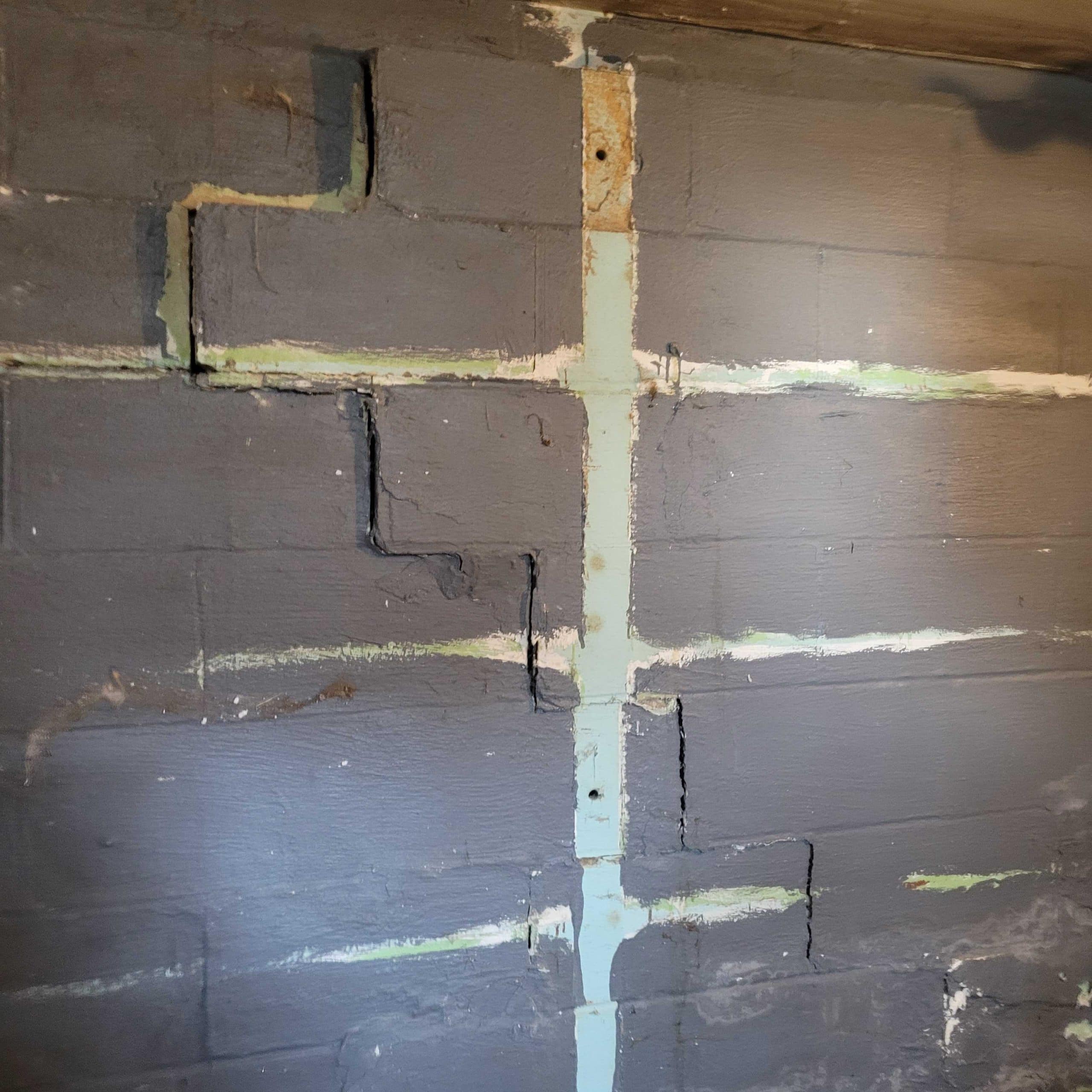
Cosmetic cracks are typically thin (less than 1/16th of an inch) and often appear at the joints of drywall tape. Structural cracks related to foundation failure are usually diagonal, wider than 1/8th of an inch, and are often accompanied by doors that stick or windows that will not open. If you see "stair-step" cracking in your exterior brickwork, it is almost certainly a structural issue.
How long does the average foundation repair take in Arlington?
For a standard residential home requiring 15 to 25 piers, the process usually takes 2 to 4 days. This includes the initial excavation, the driving of the piers, the actual lifting of the house, and the final cleanup and backfilling of the holes. Engineering inspections and plumbing tests may add another 48 hours to the total timeline.
Does homeowners insurance cover the cost of foundation repair?
In the vast majority of cases, no. Standard homeowners insurance policies in Texas exclude "settlement" or "earth movement." Coverage is typically only triggered if the foundation damage was caused by a "covered peril," such as a major plumbing leak under the slab (hydrostatic slab leak). It is essential to review your specific policy riders for "Sewer and Drain Backup" or "Foundation/Slab Bolt-on" coverage.
Why is 2026 pricing higher than previous years?
Repair costs in 2026 reflect increased labor costs for specialized trades and the rising price of steel and high-strength concrete. Additionally, stricter municipal codes in Arlington and surrounding cities like Mansfield and Grand Prairie have increased the administrative and inspection costs associated with structural permits.
Next Steps for Homeowners
To ensure you choose a company worth the cost, begin by scheduling three separate inspections. Avoid companies that offer "free estimates" that last only 15 minutes; a thorough inspection should involve a floor-level survey using a ZipLevel or similar altimeter to map the elevations of your home.
Compare the proposed pier placements and the depth guarantees. Finally, verify the company's standing with the Better Business Bureau (BBB) and look for a history of at least 10 years of operation in the North Texas area. Once you have a detailed engineering plan, you can confidently invest in a repair that secures your home for the next several decades.