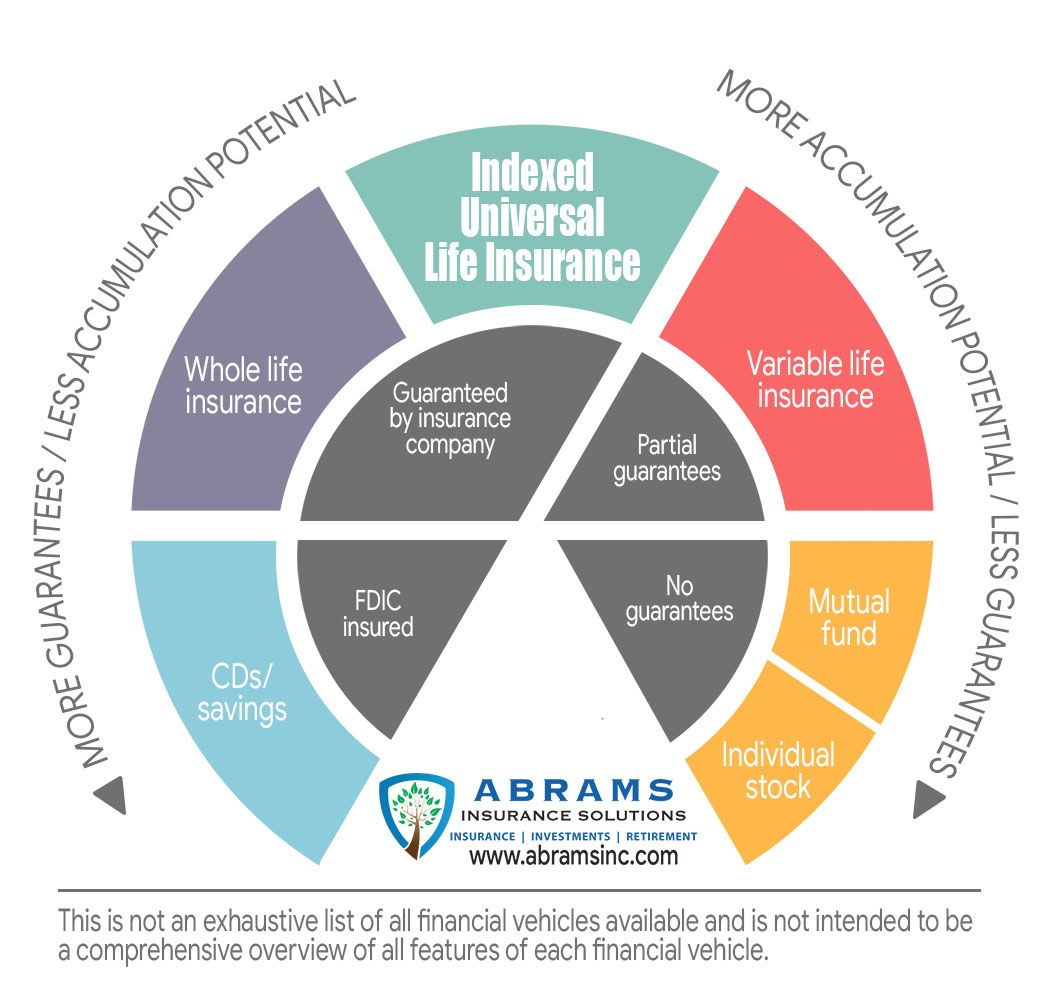
Aqualandia Universal Life Insurance functions as a permanent life insurance policy designed to provide lifelong coverage while offering a flexible cash value component that policyholders can manage over time. Unlike traditional whole life insurance, which typically features fixed premiums and guaranteed growth, this product allows for adjustable premium payments and death benefits, provided the policy maintains sufficient cash value to cover its internal costs.
The Core Structure of Universal Life Policies
Universal life insurance is essentially a combination of two distinct elements: a death benefit and a cash value account. When you pay a premium into an Aqualandia Universal Life policy, a portion of that payment covers the cost of insurance (the mortality charge) and administrative fees. The remaining amount is directed into a cash value account.
This account earns interest based on the crediting method chosen by the insurer, which may be tied to fixed rates or market-indexed performance. As the cash value accumulates, it can potentially be used to pay future premiums or be accessed via policy loans or partial withdrawals. However, it is vital to understand that if the cash value drops to zero due to excessive withdrawals or insufficient premium payments, the policy may lapse, effectively terminating the coverage unless additional funds are injected.
Key Features and Flexibility
The primary appeal of this insurance type lies in its flexibility. Policyholders generally have the freedom to adjust their premium payments within defined limits. For instance, if you experience a temporary reduction in income, you may be able to lower your premium payments, provided the accumulated cash value is high enough to sustain the policy’s monthly deductions.
Conversely, the death benefit is often adjustable. You may choose to increase the benefit as your financial obligations grow—such as taking on a mortgage or supporting dependents—or decrease it to reduce the cost of insurance if your needs change. It is important to note that increasing the death benefit typically requires evidence of insurability, meaning you may need to undergo a medical underwriting process again.
Components of Policy Costs
Understanding the cost structure is essential for long-term policy maintenance. Aqualandia Universal Life policies are subject to several charges:
- Cost of Insurance (COI): This is the monthly charge deducted from your cash value to pay for the death benefit. The COI generally increases as you age because the risk to the insurer rises.
- Premium Loads: These are percentages deducted from each premium payment to cover the insurer's sales and tax-related expenses.
- Administrative Fees: Monthly charges that cover the overhead costs of managing the policy and the policyholder's account.
- Surrender Charges: If you cancel or significantly reduce your coverage during the early years of the policy, the insurer may apply a surrender charge, which reduces the amount of cash value returned to you.
Comparative Analysis: Universal vs. Whole Life
To determine if an Aqualandia Universal Life policy fits your financial strategy, it is helpful to compare it against traditional Whole Life insurance.
| Feature | Universal Life Insurance | Whole Life Insurance |
|---|---|---|
| Premiums | Flexible; adjustable by owner | Fixed; set for life |
| Death Benefit | Adjustable | Guaranteed/Fixed |
| Cash Value Growth | Variable (tied to interest or indices) | Guaranteed (fixed interest) |
| Policy Risk | Higher (potential for lapse) | Low (guaranteed if paid) |
| Complexity | High (requires ongoing monitoring) | Low (set and forget) |
As shown in the table, the primary difference is the distribution of risk. In a Universal Life policy, the policyholder assumes more responsibility for the policy’s health, whereas, in a Whole Life policy, the insurer assumes the market and longevity risks in exchange for higher, non-negotiable premiums.
Managing Cash Value and Withdrawals
The cash value in your policy is not a liquid savings account in the traditional sense. While you can access it, doing so can have significant tax and structural consequences.
- Policy Loans: Most universal life products allow you to borrow against your cash value. Loans usually accrue interest, and if the loan is not repaid, the death benefit will be reduced by the outstanding balance upon your passing.
- Withdrawals: Taking a withdrawal reduces both the cash value and potentially the death benefit. If you withdraw more than you have paid into the policy (your "cost basis"), the excess amount may be subject to income tax.
- Surrenders: Fully surrendering the policy means you receive the net cash value after surrender charges are deducted, but you also forfeit the life insurance protection.
Prerequisites for Policy Maintenance
Maintaining a universal life policy requires active management. Unlike a term life policy, which stays in force as long as you pay the set premium, or a whole life policy that guarantees coverage, a universal policy requires periodic monitoring. You should request an annual statement from the insurer to review:
- The current cash value balance.
- The status of your premium payments.
- The projected longevity of the policy based on current interest crediting rates.
If market performance is lower than expected or if your COI increases significantly, you may receive a "no-lapse guarantee" warning or a notice that your premiums must be increased to keep the policy in force.
Limitations and Risks
There are significant risks associated with universal life insurance. The most prominent is the "lapse risk." If the internal costs exceed the cash value—often caused by a combination of low interest earnings, high internal fees, and skipping premium payments—the policy will collapse. This is particularly problematic for policyholders who enter the later stages of life, as the cost of insurance becomes very expensive.
Additionally, because the policy is not a pure investment vehicle, the costs involved mean that it often takes many years before the cash value meaningfully exceeds the total premiums paid. It is not recommended as a short-term investment or as a substitute for a high-yield savings account.
Professional Advice Limitation
The information provided here is for educational purposes and does not constitute financial, tax, or legal advice. Insurance regulations and tax treatments can vary significantly depending on your jurisdiction and specific financial circumstances. Before committing to a universal life insurance policy, it is strongly recommended that you consult with a licensed insurance advisor or a qualified financial planner to conduct a suitability analysis tailored to your long-term goals.
Frequently Asked Questions
What happens if I cannot pay my premiums? If you cannot pay your premiums, the insurer will typically deduct the premium from your accumulated cash value. As long as there is sufficient cash value to cover the premium and the cost of insurance, the policy will remain in force. However, if the cash value is exhausted, the policy will lapse.
Can I switch my policy to a different type? Many insurers allow for policy conversions, though this is subject to the specific contract terms of your Aqualandia policy. You may be able to convert to a fixed-premium product, but this often requires a formal request and potential re-underwriting.
Are the death benefit proceeds taxable? Generally, death benefits paid to beneficiaries from life insurance policies are income-tax-free. However, if the policy is surrendered or matures, there may be tax implications for the policyholder. You should speak with a tax professional regarding your specific situation.
How often should I review my policy? It is prudent to review your universal life insurance policy at least once every year. During this review, check the projected values provided in your annual statement to ensure the policy is performing in line with your expectations and to determine if adjustments to premium payments are necessary.
Is universal life insurance better than term life insurance? Neither is inherently "better"; they serve different purposes. Term life insurance is generally less expensive and provides coverage for a specific period, making it ideal for income replacement during child-rearing years. Universal life is a permanent solution that includes a cash value component, which may be beneficial for estate planning or long-term wealth transfer.
Next Steps for Policyholders
If you currently hold an Aqualandia Universal Life policy or are considering one, your immediate next action should be to review the "Policy Summary" or "Illustration" provided at the time of purchase. Ensure you understand the current "guaranteed interest rate" versus the "current interest rate." If you are unsure about the long-term sustainability of your coverage, request an "in-force illustration" from the insurer, which provides a projection of your policy's future performance based on current data.