Hirohiko Araki, the visionary creator of JoJo’s Bizarre Adventure, is widely regarded as one of the most influential manga artists in history. With a career spanning over four decades, his professional success is intrinsically linked to the global expansion of his flagship series. As of 2026, his estimated net worth is typically cited by financial analysts and entertainment industry reports as falling between $6 million and $13 million USD, a figure derived from his prolific production of manga volumes, licensing deals, and high-profile collaborative projects.
The Foundation of Araki’s Professional Success
To understand Hirohiko Araki’s financial standing, one must first recognize the sheer scale of his output. Born in 1960 in Sendai, Japan, Araki began his career in the early 1980s. However, it was the 1987 debut of JoJo’s Bizarre Adventure in Weekly Shonen Jump that fundamentally altered the trajectory of his career and his long-term financial prospects.
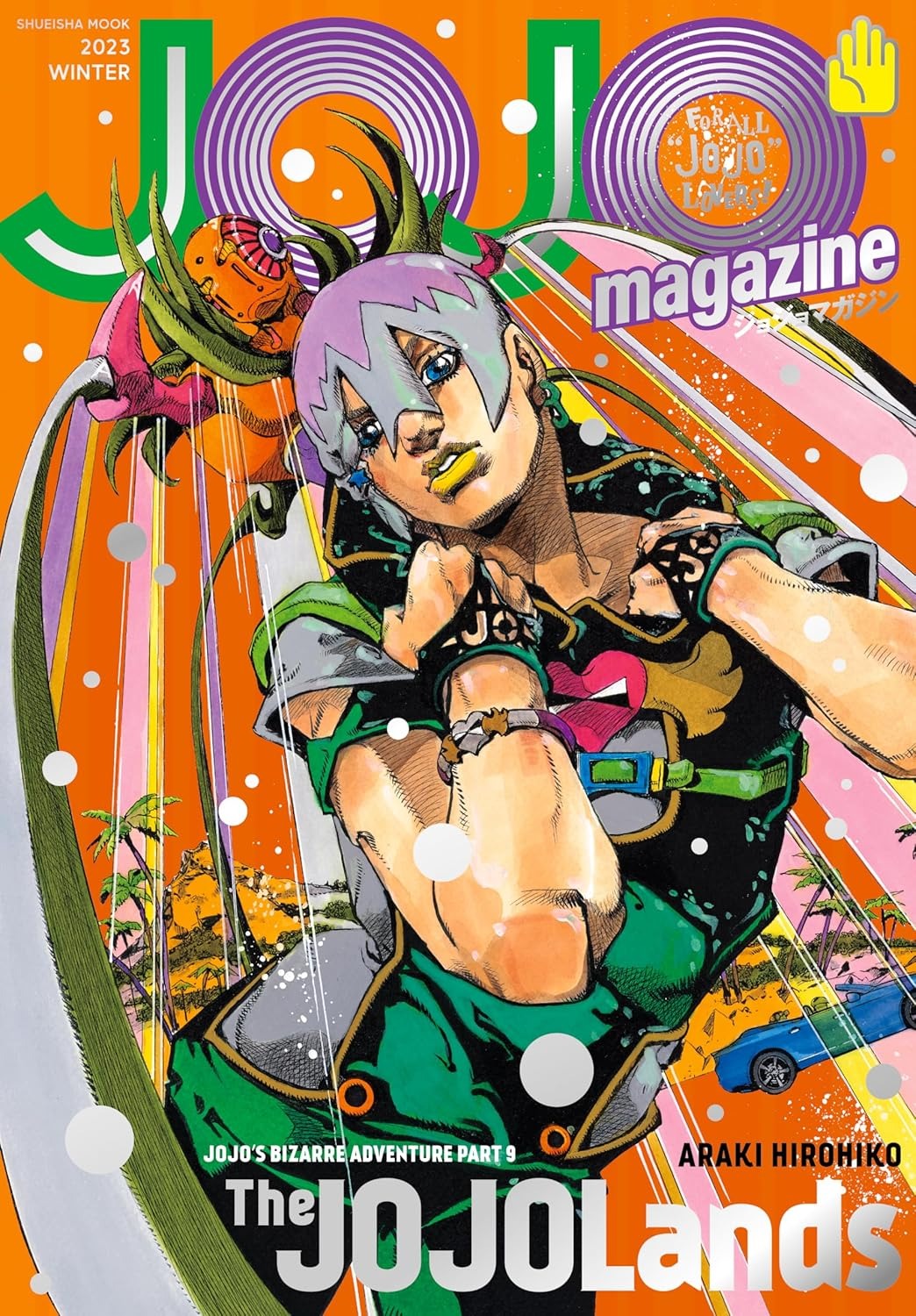
Unlike many manga artists who produce a single series that concludes within a few years, JoJo’s Bizarre Adventure is unique for its generational structure. By shifting protagonists and settings with every part—from Phantom Blood to the ongoing The JOJOLands—Araki effectively turned his work into a franchise that avoids the "stale" period often associated with long-running series. This structural choice has allowed the series to remain relevant for nearly 40 years, ensuring consistent book sales and recurring revenue from back-catalog licensing.
Revenue Streams: How a Manga Artist Builds Wealth
The wealth associated with a high-profile mangaka like Araki is rarely derived from a single source. Instead, it is a cumulative effect of several distinct revenue channels that evolve as a series gains international traction.
1. Manga Sales and Royalties
The primary income source remains the physical and digital sales of the JoJo’s Bizarre Adventure manga. With over 130 tankōbon (collected volumes) published as of 2026, the sheer volume of intellectual property is staggering. Royalties are paid to the author for every book sold. Because JoJo maintains a cult status that has grown into a mainstream powerhouse, it experiences steady sales not only in Japan but in global markets where publishers like Viz Media handle distribution.
2. Licensing and Merchandise
In the modern entertainment landscape, manga is only the entry point. The true financial scaling occurs through the licensing of intellectual property. This includes:
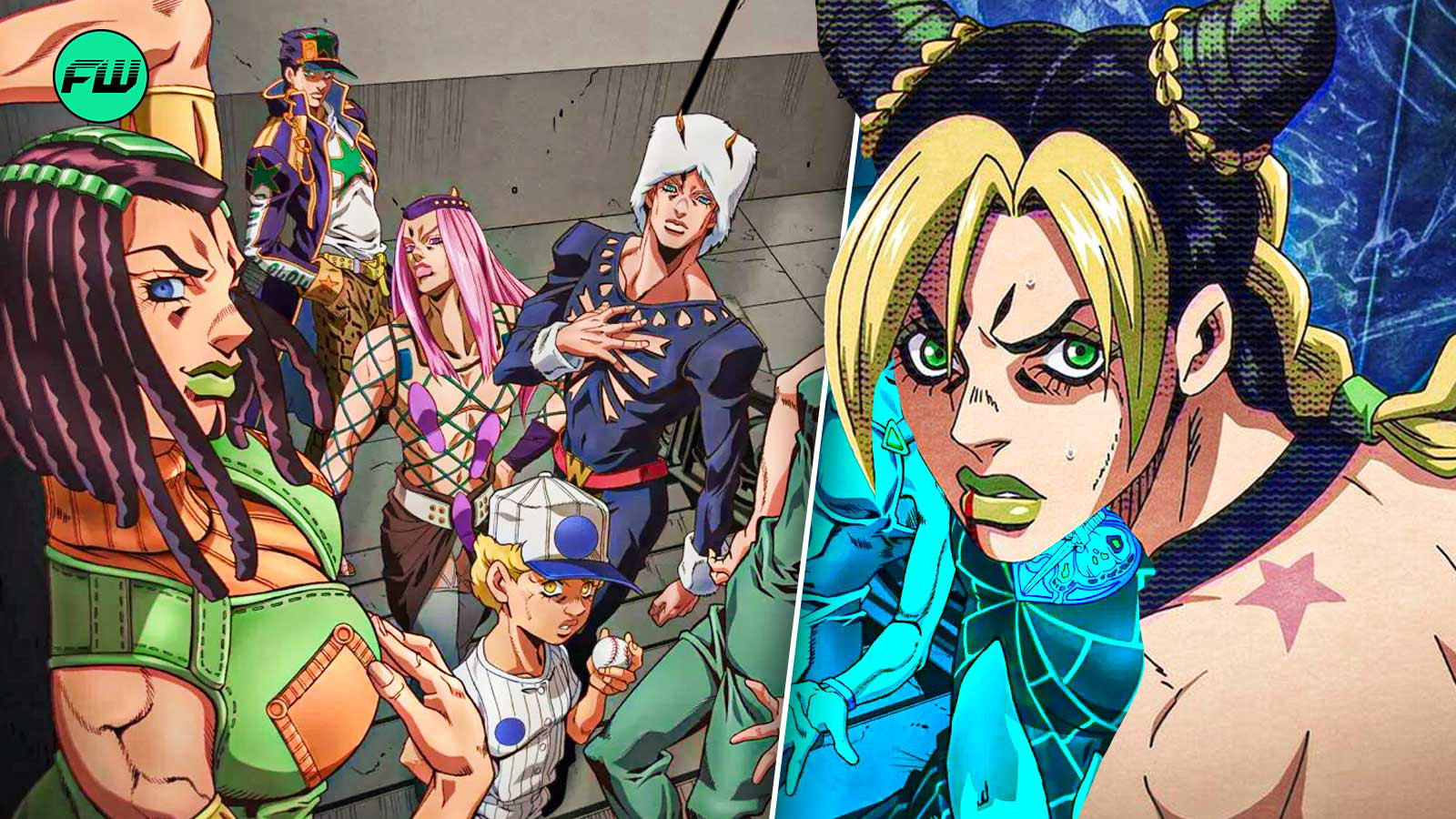
- Anime Production: Each season of the JoJo anime adaptation, produced by David Production, creates a surge in interest that fuels manga sales and generates licensing fees for the use of the source material.
- Merchandise: From high-end figures and apparel to collaboration lines with luxury fashion houses, the JoJo brand is highly commodified. Araki’s distinct artistic style has been leveraged for campaigns with brands like Gucci, which enhances his personal brand value.
- Video Games: Numerous video games, ranging from fighting games like All-Star Battle R to mobile titles, provide consistent royalty streams through licensing agreements between the rights holders and gaming developers.
3. Original Art Exhibitions
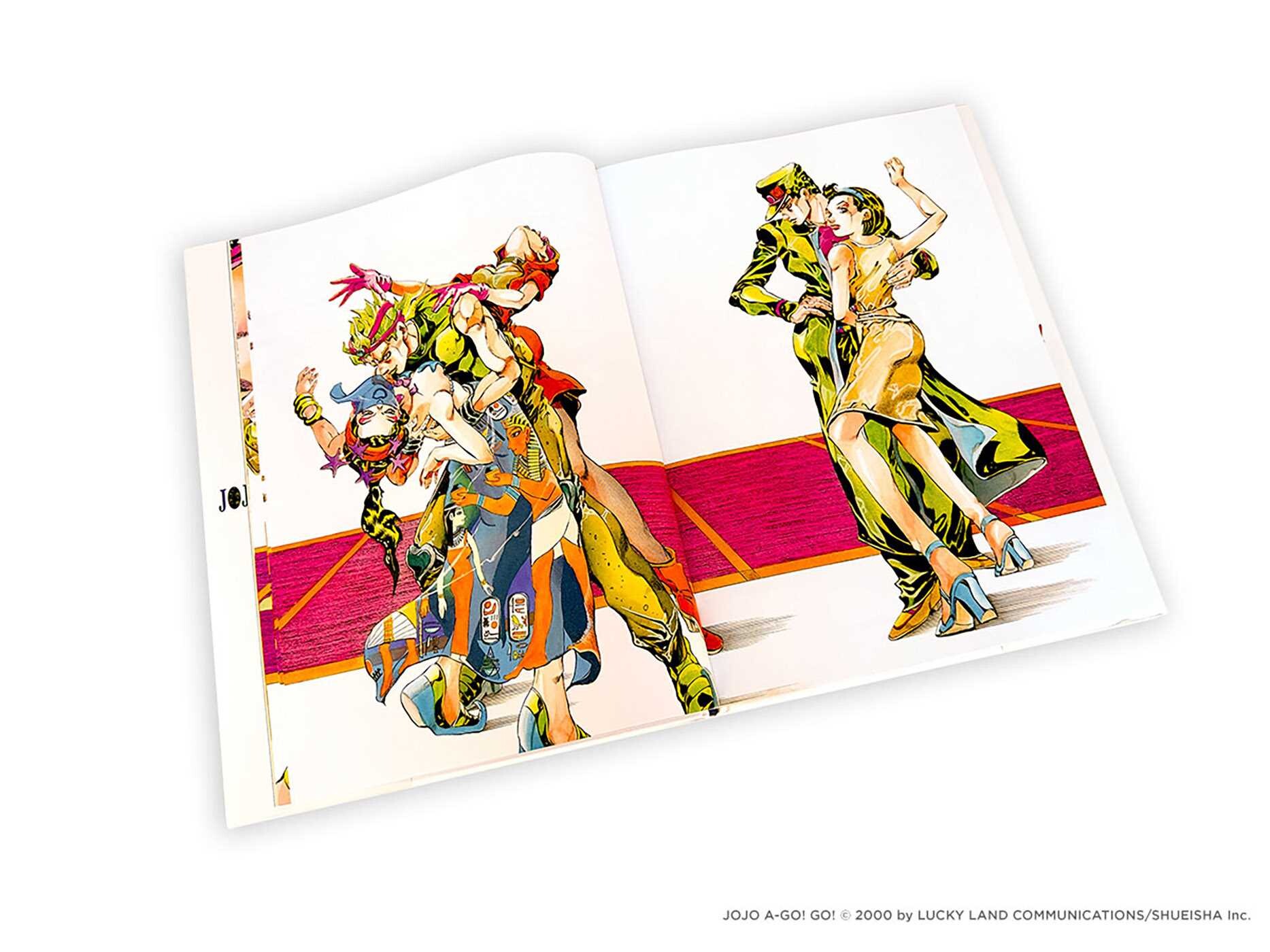
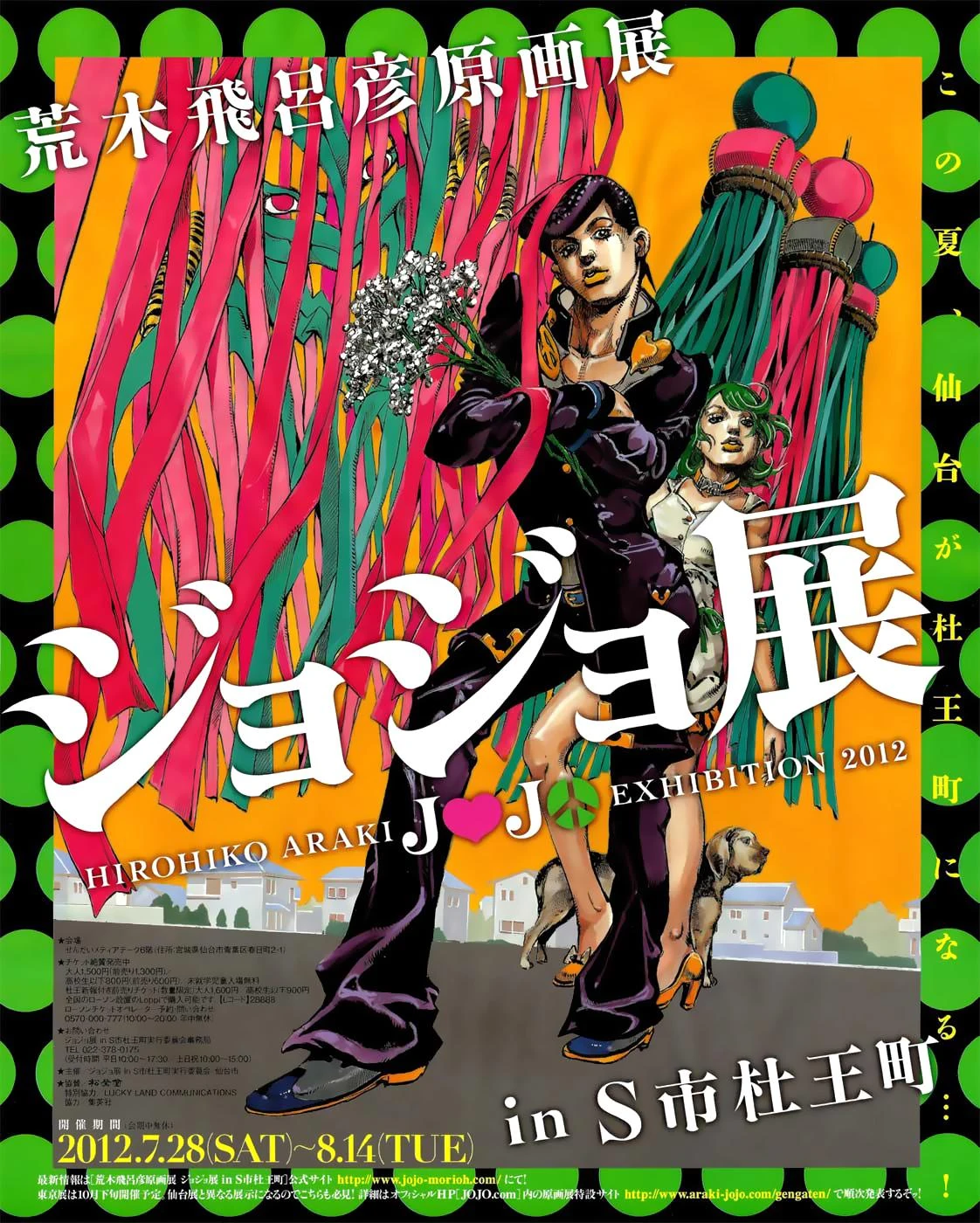
Araki’s art is celebrated for its unique fashion-forward aesthetic and distinct coloring. He has held prestigious gallery exhibitions, most notably at the Louvre Museum in Paris. These exhibitions are not merely professional milestones; they establish the "fine art" value of his work, which allows for the sale of art books, prints, and exclusive merchandise that appeal to collectors, further diversifying his income.
Comparison of Revenue Drivers in the Manga Industry
Understanding the financial impact of a creator’s work requires looking at how different streams contribute to the total net worth.
| Revenue Stream | Nature of Income | Stability | Long-Term Potential |
|---|---|---|---|
| Manga Sales | Royalty-based (per unit) | High | High (Back-catalog) |
| Anime Licensing | One-time or per-season | Moderate | High (Visibility) |
| Merchandise | Licensing fee / Royalty | Moderate | Variable |
| Art Collaborations | Flat fee / Commission | Low | Moderate (Prestige) |
Estimating Net Worth: Challenges and Variables
When discussing the net worth of Japanese creators, it is important to understand that the figures often seen in public databases are estimates based on public-facing data. Several variables complicate these calculations:
- Taxation and Deductions: Japan has a progressive tax system, and high-earning creators face significant tax brackets. Estimates of gross wealth often do not accurately reflect the net personal wealth after taxes.
- Business Expenses: Managing a team of assistants, studio space, and professional insurance is a significant cost for a mangaka. These expenses must be deducted from the revenue generated by the JoJo franchise before determining personal income.
- Currency Fluctuations: Much of the revenue generated by JoJo’s Bizarre Adventure is in Japanese Yen. Fluctuations in the global currency market can significantly alter the "USD" representation of an individual's net worth, leading to discrepancies in reporting across international financial websites.
- Intellectual Property Rights: The specific contracts held by Araki with his publishers (such as Shueisha) are private. Whether he receives a standard royalty percentage or a performance-based bonus structure is unknown, making any specific net worth figure an informed extrapolation rather than a audited fact.
The Role of Longevity in Wealth Accumulation
The most critical factor in Araki’s financial success is his consistency. Most artists in the manga industry struggle to maintain a hit series for more than a few years. Araki has maintained his place at the top of the industry since the 1980s. This longevity allows for "compound interest" on his popularity: new fans who discover the series via modern anime adaptations often seek out the older manga volumes, creating a perpetual cycle of demand.
Furthermore, Araki’s refusal to burn out—maintaining a relatively healthy work-life balance compared to the industry standard—has allowed him to continue producing The JOJOLands in Ultra Jump. By moving his series to a monthly magazine, he reduced the extreme physical toll of weekly deadlines, which is a common reason for early retirement in his field. This strategic decision extends his career, thereby extending the timeline over which he generates revenue.
Frequently Asked Questions
1. Is Hirohiko Araki the wealthiest manga artist in history? No. While Araki is undoubtedly successful, artists like Eiichiro Oda (One Piece) or Akira Toriyama (the late creator of Dragon Ball) have reached higher tiers of wealth due to the unprecedented, multi-billion-dollar global scale of their respective franchises.
2. How do anime adaptations impact Araki’s net worth? Anime adaptations function as the single most effective marketing tool for the manga. They introduce the series to audiences who may not read manga, subsequently driving a massive increase in sales for physical and digital volumes, which directly increases the creator's royalty income.
3. Does Araki earn money from the "JoJo" fashion collaborations? Yes. When his art is used for commercial licensing—such as the partnership with Gucci—he receives licensing fees. Because these collaborations target a luxury market, the payouts are typically higher than standard merchandise royalties.
4. Why is the estimation of his net worth so varied? Financial websites often use different criteria. Some only look at estimated historical book sales, while others attempt to factor in licensing, real estate, and investments. Without access to private tax filings, these figures remain speculative estimates.
5. How has the digital age affected his income? The transition to digital manga platforms (such as Shonen Jump+) has provided a new stream of revenue. Digital sales often carry different royalty rates and do not require the overhead of printing, storage, and shipping, which can be more efficient for long-running series like JoJo.
Conclusion
Hirohiko Araki’s financial legacy is a testament to the power of sustained creative output and brand management. While his estimated net worth of $6 million to $13 million is a subject of public curiosity, his true professional value lies in the endurance of JoJo’s Bizarre Adventure. By maintaining artistic integrity while embracing international licensing opportunities, he has secured his place as both a cultural icon and a successful professional in a highly competitive industry. Those looking to understand his success should focus not on the exact dollar figure, but on the decades of consistent work that have made him an indispensable figure in global pop culture.