Aptus provides a robust framework for adaptive workflow management by utilizing real-time data and artificial intelligence to modify business processes on the fly. Unlike rigid legacy systems, Aptus enables organizations to handle unpredictable variables, automate complex decision-making, and optimize resource allocation dynamically, ensuring operational resilience and efficiency in high-velocity enterprise environments.
Understanding the Shift to Adaptive Workflow Management
In 2026, the traditional model of static Business Process Management (BPM) has largely been superseded by adaptive systems. Traditional workflows were built on the "if-this-then-that" logic, which functions well for repetitive, predictable tasks but fails when faced with the volatility of modern global markets. Adaptive workflow management, particularly through the Aptus framework, addresses these shortcomings by introducing fluidity into process design.
Adaptive workflows are characterized by their ability to "learn" and adjust. Instead of a hard-coded path, a workflow in Aptus acts as a goal-oriented sequence of events. When a variable changes—such as a supply chain delay, a sudden shift in customer demand, or a change in regulatory requirements—Aptus re-evaluates the remaining steps in the process and re-routes tasks to the most efficient path. This shift from "process-centric" to "goal-centric" management allows businesses to remain functional during disruptions that would typically stall a standard automated system.
The core philosophy of Aptus is rooted in the concept of late binding. In technical terms, this means the specific path or resource for a task is not determined until the very moment it is needed. This prevents the "brittleness" often found in older automation suites where a single point of failure in a predetermined chain could stop the entire production or administrative line.
Core Architecture and Technical Mechanics of Aptus
To implement Aptus for adaptive workflow management, one must understand its underlying architecture. As of 2026, the Aptus engine is built on a distributed, microservices-ready infrastructure designed to integrate seamlessly with existing enterprise resource planning (ERP) and customer relationship management (CRM) systems.
The Logic Engine and State Machine
At the heart of Aptus is a sophisticated state machine. Unlike basic workflow engines that simply move a token from point A to point B, the Aptus engine maintains a continuous "awareness" of the environmental state. It utilizes a Heuristic Logic Layer that evaluates active data streams against predefined business objectives.
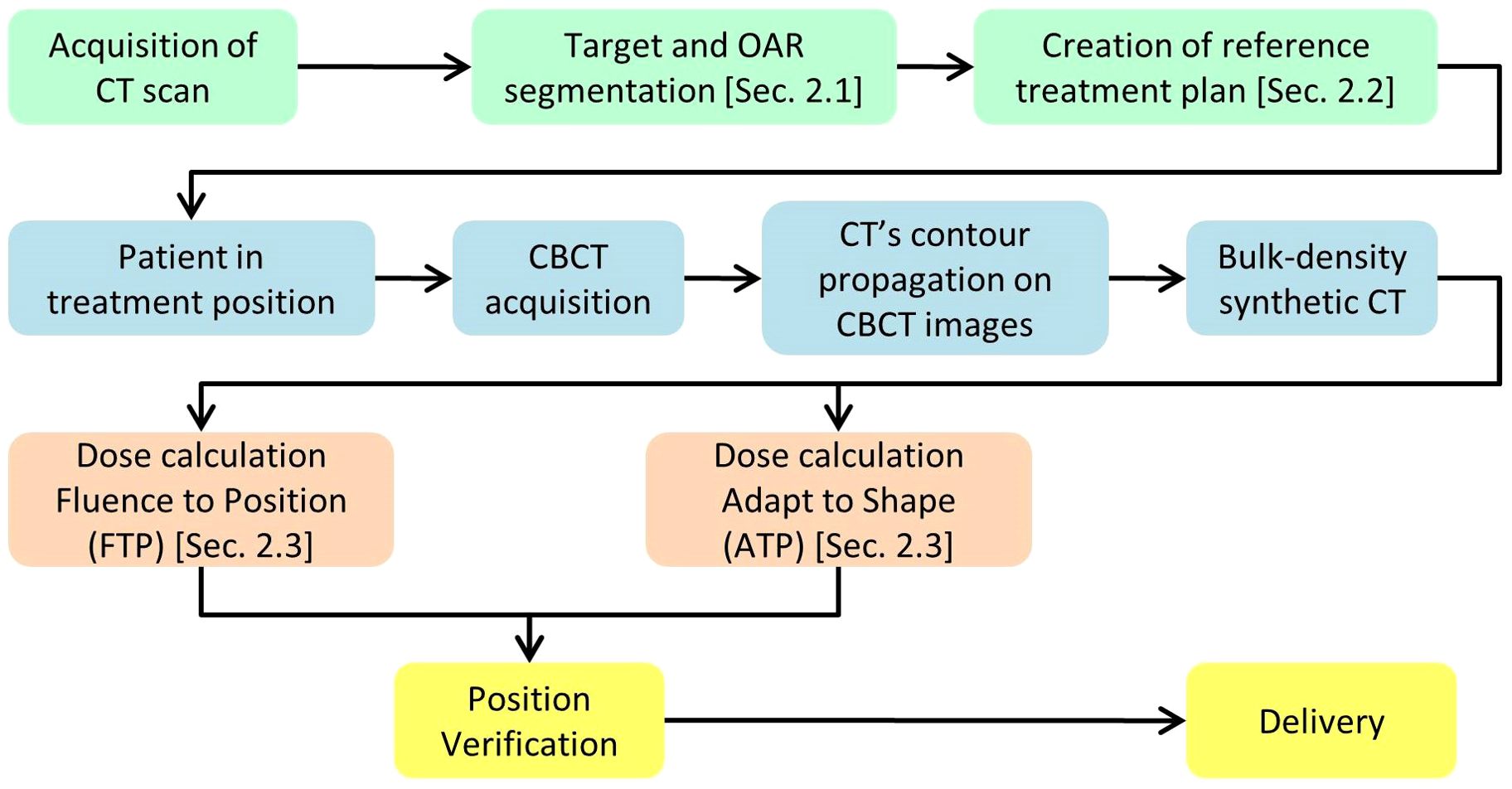
When a workflow is initiated, the engine does not just look at the next step; it looks at the final goal. If the environment changes (e.g., a required specialist is unavailable or a server goes offline), the engine consults its logic layer to find an alternative route. This is achieved through a combination of constraint-based programming and fuzzy logic, allowing the system to make "best-guess" decisions that are later refined by machine learning feedback loops.
Event-Driven Triggers
Aptus operates primarily on an event-driven architecture. This means the system is reactive by design. Using high-speed webhooks and API listeners, Aptus can ingest data from IoT sensors, financial markets, or internal software logs. These events act as the catalysts for adaptation. For example, in a logistics workflow, a "Delayed Shipment" event doesn't just trigger an alert; it triggers a re-calculation of the entire downstream workflow, potentially re-prioritizing other tasks to minimize the impact of the delay.
The Integration Layer
For Aptus to be effective, it must have deep access to an organization’s data silos. Modern Aptus deployments utilize a unified data fabric approach. By abstracting the data layer, Aptus can pull information from legacy SQL databases, modern NoSQL clusters, and even unstructured data sources like PDF contracts or emails (via integrated NLP modules) to inform its adaptive decisions.
Key Features and Capabilities of the Aptus Framework
Aptus distinguishes itself from standard automation tools through several high-level features that cater specifically to complexity and scale.
1. Dynamic Task Allocation
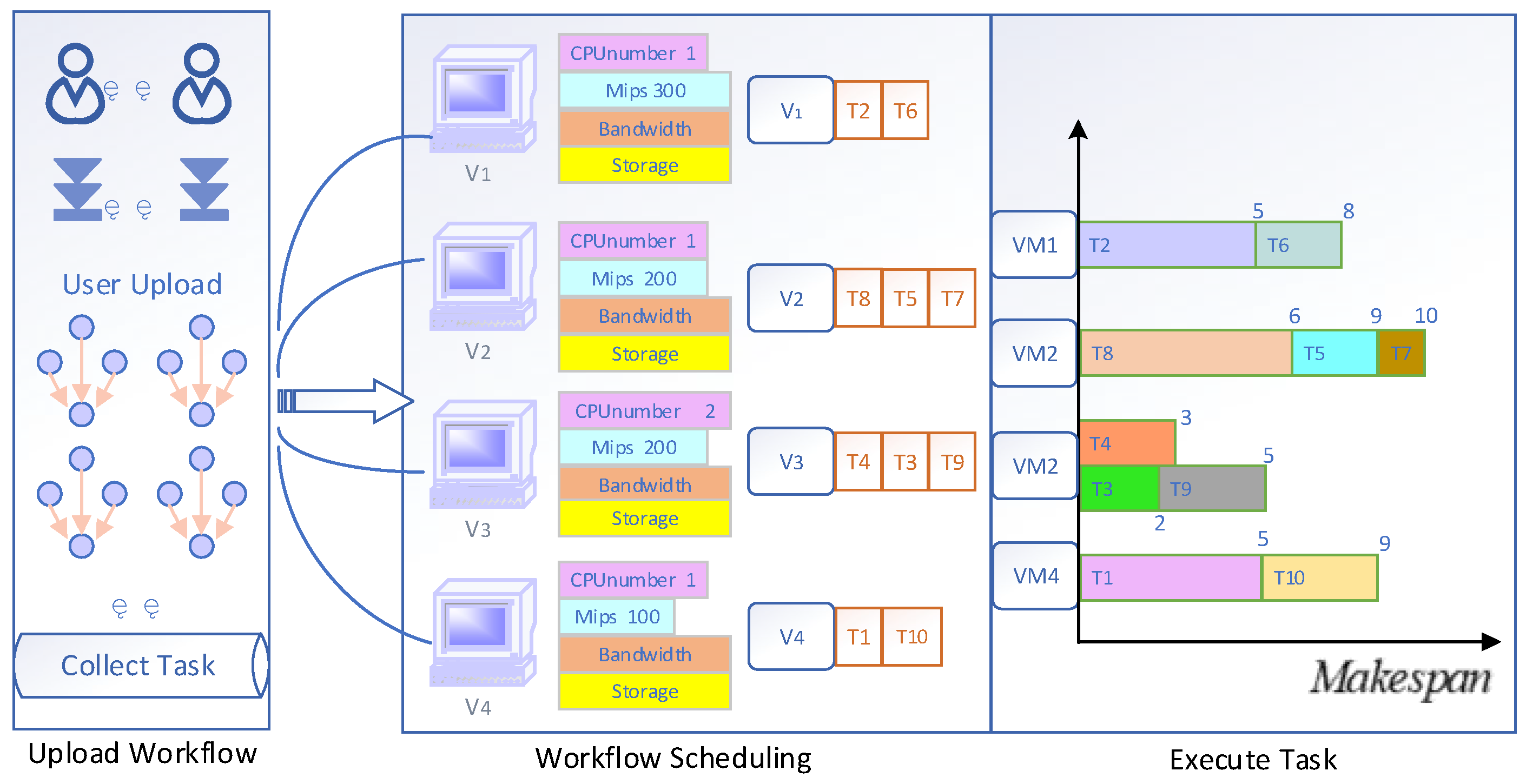
One of the most powerful features of Aptus is its ability to assign tasks based on real-time capacity and skill-set matching. In an adaptive environment, the "who" is as important as the "what." Aptus monitors the current workload of team members and the performance metrics of automated bots. If a high-priority task enters the workflow, Aptus can automatically shift lower-priority items to other resources or pause them entirely to ensure the critical objective is met.
2. Real-Time Process Mining
Aptus does not just execute workflows; it analyzes them as they happen. Through continuous process mining, the platform identifies bottlenecks before they cause a significant slowdown. By comparing the "as-is" execution with the "to-be" ideal model, Aptus can suggest—or in some cases, automatically implement—process improvements. In 2026, this feature is often paired with digital twin technology, allowing managers to simulate the impact of a workflow change in a virtual environment before deploying it to the live system.
3. AI-Driven Decision Nodes
Traditional workflows use "XOR" or "OR" gates based on simple boolean logic. Aptus introduces AI Decision Nodes. These nodes use trained models to evaluate complex criteria. For instance, in a loan approval workflow, an AI node can analyze credit scores, market trends, and historical repayment data to decide whether to approve, reject, or escalate the file to a human agent for further review. This reduces the manual overhead of exception handling, which is typically the most expensive part of any business process.
Implementation Requirements and Prerequisites
Before deploying Aptus for adaptive workflow management, certain organizational and technical prerequisites must be satisfied. Implementing such a dynamic system without a solid foundation can lead to "automation chaos," where processes change too rapidly for human oversight to remain effective.
Technical Infrastructure
- Cloud-Native Environment: While Aptus can be deployed on-premises, it is optimized for containerized environments (Kubernetes/Docker). This ensures the engine can scale horizontally during periods of high computational demand.
- API Maturity: Organizations must have a relatively high level of API maturity. Aptus relies on RESTful or GraphQL interfaces to communicate with other tools. If your core systems are "closed," the adaptive nature of Aptus will be severely limited.
- Data Quality: Because Aptus makes decisions based on data, "garbage in, garbage out" is a significant risk. Establishing a clean, governed data pipeline is a non-negotiable prerequisite.
Organizational Readiness
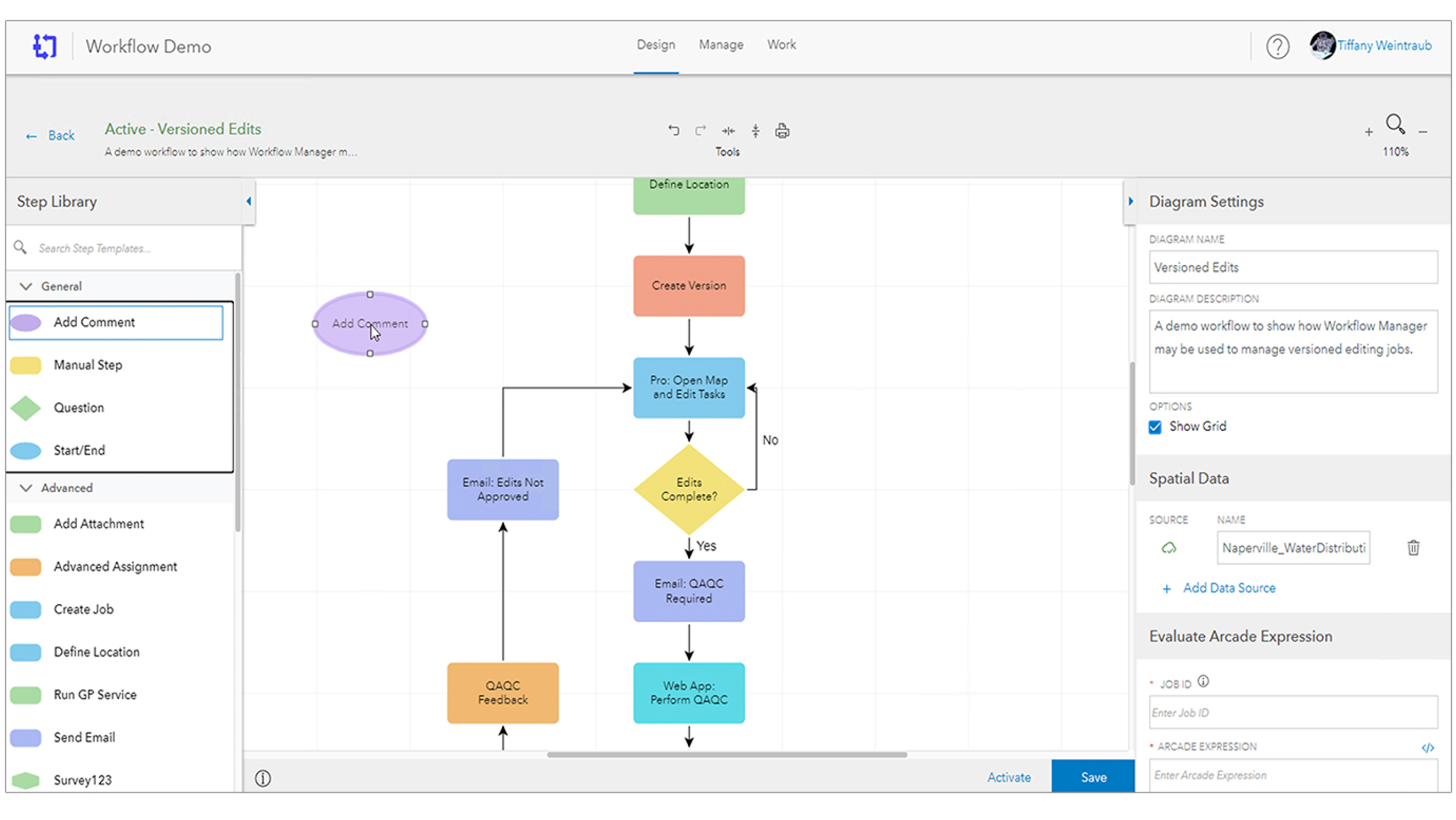
- Skill Sets: Teams need to be familiar with YAML or JSON for workflow configuration, although modern Aptus versions provide low-code visual interfaces for most tasks. A basic understanding of data science and process architecture is also essential for those managing the AI decision nodes.
- Governance Frameworks: Adaptive workflows require strict governance. You must define the "guardrails"—the limits within which the system is allowed to make autonomous changes. This includes setting budgetary limits, security protocols, and compliance checkpoints that the system cannot bypass.
Comparative Analysis: Aptus vs. Traditional Workflow Solutions
Choosing the right platform requires a clear understanding of how Aptus compares to other market leaders and traditional methodologies.
| Feature | Traditional BPM Suites | Basic RPA Tools | Aptus Adaptive Management |
|---|---|---|---|
| Logic Type | Static / Deterministic | Scripted / Rule-based | Dynamic / Heuristic |
| Flexibility | Low (Requires manual redesign) | Low (Breaks with UI changes) | High (Self-adjusting) |
| Decision Making | Human-led at gates | Simple "If/Then" logic | AI-augmented / Autonomous |
| Integration | Heavy middleware required | Surface-level (UI scraping) | API-first / Data Fabric |
| Scalability | Linear | Task-specific | Exponential (Global optimization) |
| Primary Use Case | Standardized back-office | Repetitive data entry | Complex, volatile operations |
Step-by-Step Guide: Deploying Aptus in an Enterprise Environment
Transitioning to an adaptive workflow model is an iterative process. It is rarely advisable to "flip a switch" on all company processes at once.
Phase 1: Identification and Scoping
Identify a process that is currently a "bottleneck" due to its unpredictability. Common candidates include supply chain management, customer onboarding for complex products, or incident response in IT. The process should have enough volume to provide data for the AI components but be contained enough to manage during the pilot phase.
Phase 2: Mapping the "Goal State"
In Aptus, you do not map every single possible path. Instead, you map the milestones and the final goal. Define the constraints—what must happen and what cannot happen. For example, in a medical billing workflow, the goal is "Claim Paid," and a constraint is "Must comply with HIPAA regulations."
Phase 3: Integration and Data Binding
Connect Aptus to the necessary data sources via APIs. This is where you configure the event-driven triggers. Ensure that the Aptus engine has "read" access to the variables it needs to make decisions and "write" access to the systems where it will execute tasks.
Phase 4: Pilot and Machine Learning Training
Run the workflow in "Shadow Mode." Let Aptus suggest paths while humans make the final decision. This period allows the machine learning models within the AI nodes to train on actual company data and human preferences. Once the system's suggestions reach a predetermined accuracy threshold (e.g., 95%), you can begin to automate the transitions.
Phase 5: Full Deployment and Continuous Monitoring
Monitor the system using the Aptus dashboard. Focus on the "exception rate"—the frequency with which the system cannot find a path and requires human intervention. A declining exception rate indicates that the adaptive logic is maturing and successfully handling the process's inherent volatility.
Common Challenges and Troubleshooting
Despite its advanced capabilities, implementing Aptus is not without hurdles. Understanding these common pitfalls can save significant time and resources.
- Over-Engineering Processes: A frequent mistake is trying to build too much complexity into the initial model. The strength of Aptus is its ability to handle complexity dynamically. Start with simple goals and let the system's adaptive nature handle the nuances.
- Ignoring the "Human in the Loop": Even the most advanced adaptive systems in 2026 require human oversight. If the system encounters a scenario that falls outside its "guardrails," it must have a clear, fast escalation path to a human expert. Failing to provide this can lead to logic loops where the system repeatedly attempts failing paths.
- API Latency: In high-speed environments, the time it takes for an API to respond can impact the workflow's adaptability. If Aptus is waiting seconds for data from an old ERP system, the "real-time" advantage is lost. Using a caching layer or data warehouse can mitigate this.
- Security and Permissions: Because Aptus moves dynamically between systems, role-based access control (RBAC) is vital. Ensure that the Aptus service account has the minimum necessary permissions to perform its tasks to prevent it from becoming a security liability if a workflow node is compromised.
The Future of Workflow Management with Aptus
Looking toward the latter half of 2026 and into 2027, the role of Aptus is expected to expand from "managing workflows" to "orchestrating ecosystems." We are seeing a move toward Autonomous Enterprise Orchestration, where Aptus instances from different companies communicate with each other.
Imagine a scenario where a manufacturer’s Aptus system communicates directly with a supplier’s Aptus system. If the manufacturer sees a spike in demand, their workflow automatically triggers a request to the supplier. The supplier’s system checks its own adaptive production schedule and confirms the order without a single manual email or phone call. This level of inter-organizational adaptation represents the next frontier in operational efficiency.
FAQ
What makes Aptus different from standard RPA tools?
Standard Robotic Process Automation (RPA) is designed to mimic human actions in a static, repetitive way. If a button on a screen moves or a data format changes, RPA often breaks. Aptus, conversely, is an orchestration framework. It manages high-level logic and adapts to changes in data and environment, making it much more resilient and suitable for complex, non-linear processes than traditional RPA.
Can Aptus integrate with legacy systems?
Yes, Aptus can integrate with legacy systems, provided there is some form of data interface available. This is often achieved through "wrapper" APIs or middleware that translates legacy data into a format Aptus can ingest. However, the more "open" and API-friendly a system is, the more effectively Aptus can manage it dynamically.
How does Aptus handle regulatory compliance in adaptive workflows?
Compliance is handled through "hard constraints" within the Aptus logic engine. These are rules that the system is programmed never to violate, regardless of the efficiency gains. Additionally, Aptus maintains a detailed, immutable log of every decision and adaptation it makes, providing a clear audit trail that is often more reliable than manual process logs.
Is a background in data science required to use Aptus?
While a deep background in data science is not strictly necessary for day-to-day use—thanks to Aptus's low-code interfaces—it is highly beneficial for the initial setup and the tuning of AI decision nodes. Most organizations find that a collaborative team consisting of a process architect, an IT specialist, and a part-time data analyst is the ideal configuration for managing Aptus.
What is the typical ROI timeframe for an Aptus implementation?
The return on investment (ROI) for Aptus varies by the complexity of the process, but most enterprises report significant efficiency gains within 6 to 9 months. These gains usually come from a reduction in manual exception handling, faster cycle times, and the ability to scale operations without a proportional increase in headcount.
Practical Recommendation
For organizations looking to implement Aptus for adaptive workflow management, the most effective next step is to conduct a Process Volatility Audit. Identify which of your current automated processes require the most manual intervention or "fixes" when things go wrong. These volatile processes are where Aptus will provide the most immediate and measurable value. Begin with a limited-scope pilot focused on one of these areas to demonstrate the power of adaptive management before pursuing a wider enterprise rollout.