Residents of Toms River, NJ, seeking appliance repair can access a variety of local certified technicians specializing in major brands like GE, LG, and Samsung. Successful repair involves identifying specific symptoms—such as cooling failures or drainage leaks—and hiring licensed professionals who provide transparent diagnostic fees and labor warranties to ensure long-term machine reliability.
Understanding the Appliance Repair Landscape in Ocean County
Toms River serves as a central hub for residential services in Ocean County, New Jersey. With a diverse housing stock ranging from the historic downtown district to the expansive senior communities of Holiday City and the waterfront properties in Silverton and Ortley Beach, the demand for appliance maintenance is constant. In 2026, the complexity of home machinery has increased, with smart-home integration and energy-efficient sensors becoming standard in most households.
The local service environment is characterized by a mix of long-standing family-owned businesses and authorized service providers for national brands. For homeowners, the primary challenge is not finding a technician, but identifying one who understands the specific environmental factors of the Jersey Shore. For instance, homes closer to the Barnegat Bay often experience higher rates of corrosion on exterior-vented components, such as dryer exhausts and condenser coils, due to the salt-heavy air.
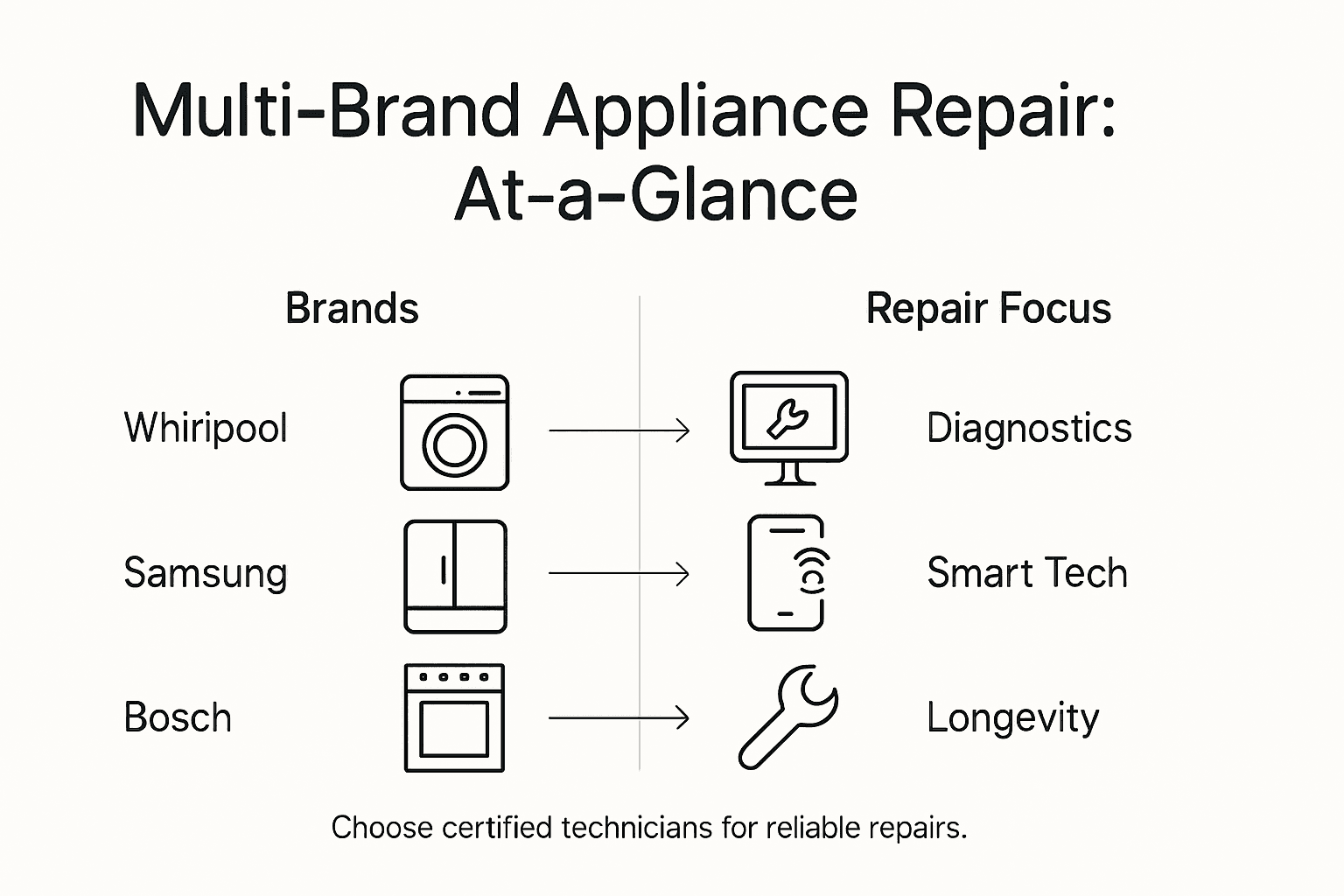
When searching for appliance repair in Toms River, NJ, it is essential to distinguish between general handymen and specialized technicians. Modern appliances—refrigerators with AI-driven inventory systems or heat-pump clothes dryers—require specific diagnostic tools that generic repair services may not possess. Choosing a local expert ensures they are familiar with New Jersey’s specific electrical codes and the logistical nuances of navigating Route 37 and the Garden State Parkway during peak seasons.
Common Appliance Failures and Troubleshooting Steps
Before calling a professional, many Toms River residents can perform basic checks to determine the severity of an appliance malfunction. Troubleshooting helps differentiate between a simple power issue and a mechanical failure requiring specialized parts.
Refrigeration and Cooling Systems
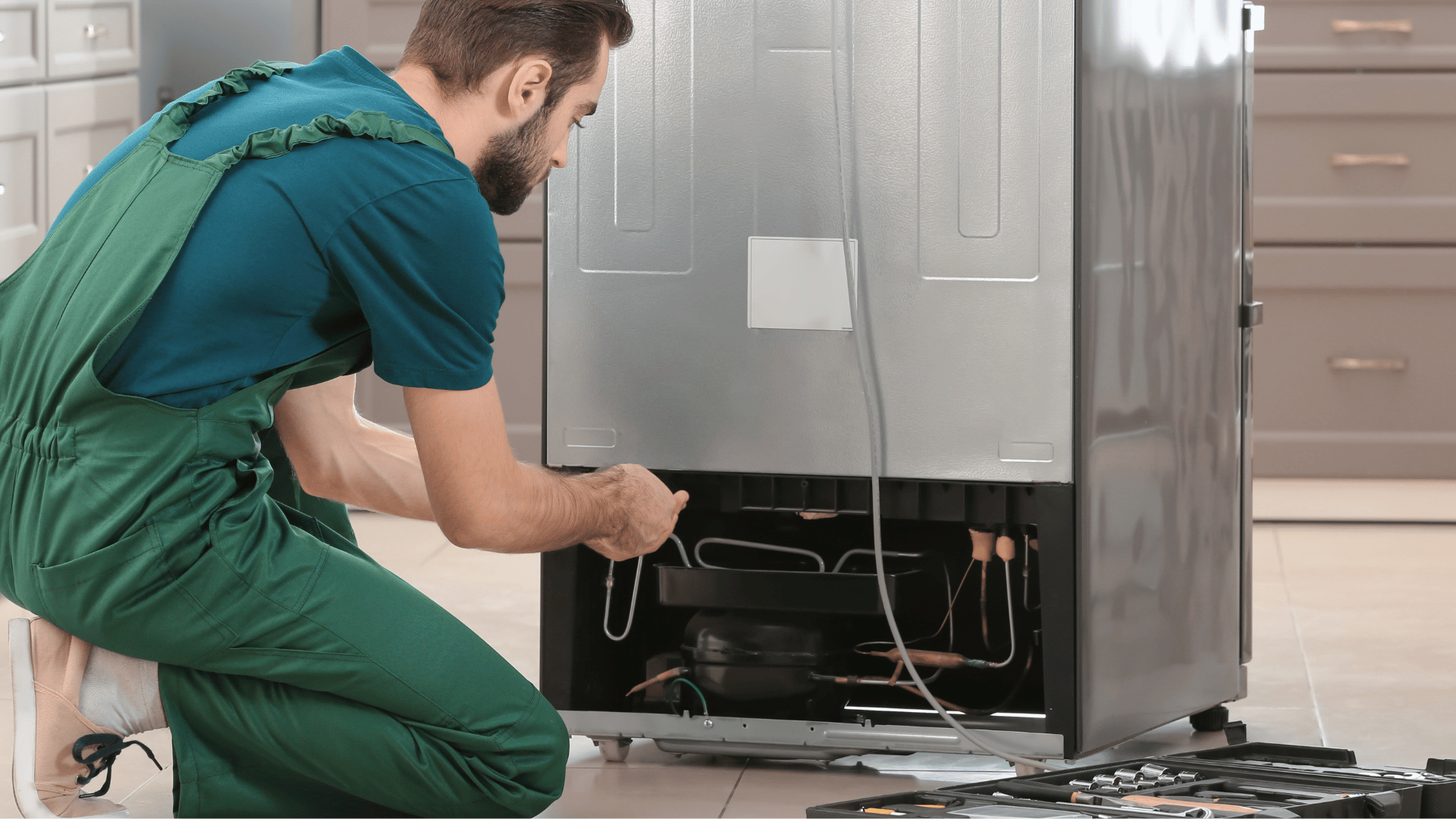
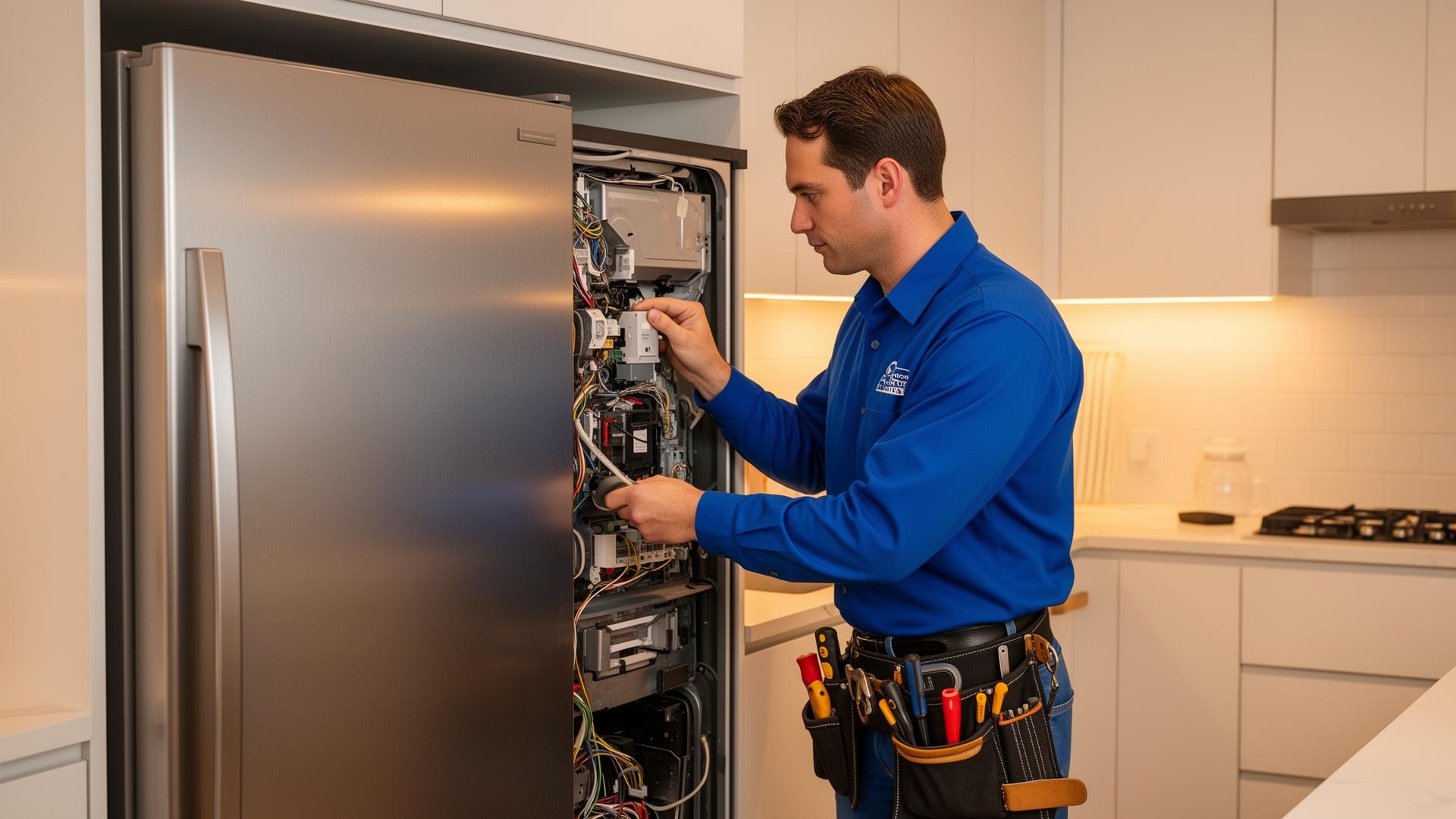
Refrigerators are the most critical appliances in any kitchen, and their failure often constitutes an emergency. In 2026, common issues include failed evaporator fans, clogged defrost drains, and malfunctioning inverter compressors. If your refrigerator is not cooling, the first step is to inspect the condenser coils. In many Toms River homes, pet hair and dust accumulate quickly, insulating these coils and forcing the compressor to overwork.
If the unit is making a loud clicking sound, it often indicates a relay failure or a compressor struggle. For smart refrigerators, check the digital display for error codes. Manufacturers like Samsung and LG provide specific alphanumeric codes that can be cross-referenced in the user manual to pinpoint whether the issue is a sensor, a fan, or a coolant leak.
Laundry Room Malfunctions
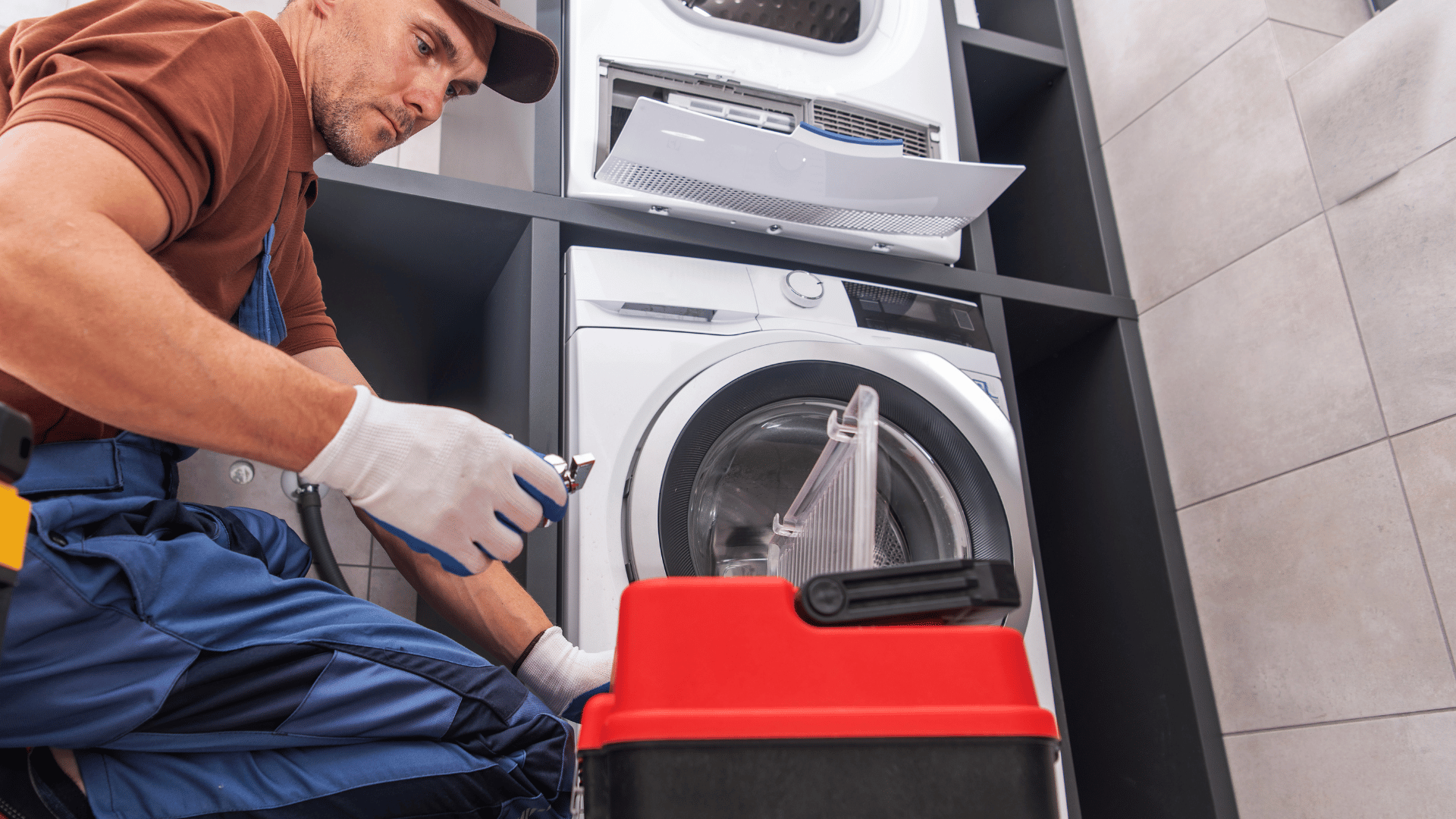
Washing machines and dryers in the Northeast face significant wear. In Toms River, "hard water" can lead to mineral buildup in washing machine solenoid valves, resulting in slow fill cycles or "Water Intake" errors. For front-loading machines, mold growth on the door gasket remains a common complaint, often requiring a professional deep-clean or gasket replacement if the seal is compromised.
Dryer safety is a paramount concern in Ocean County. The National Fire Protection Association (NFPA) consistently identifies clogged dryer vents as a leading cause of residential fires. If your dryer takes more than one cycle to dry a standard load of towels, the issue is likely a blockage in the vent line leading to the exterior of the house, rather than a failure of the heating element itself.
Dishwashers and Cooking Appliances
Dishwashers frequently suffer from drainage issues. Residents should check the filter at the bottom of the tub and the "air gap" on the sink. If the dishwasher leaves a film on glasses, it may be a result of the local water chemistry in Toms River, which might require a specialized rinse aid or a water softening system adjustment rather than a mechanical repair.
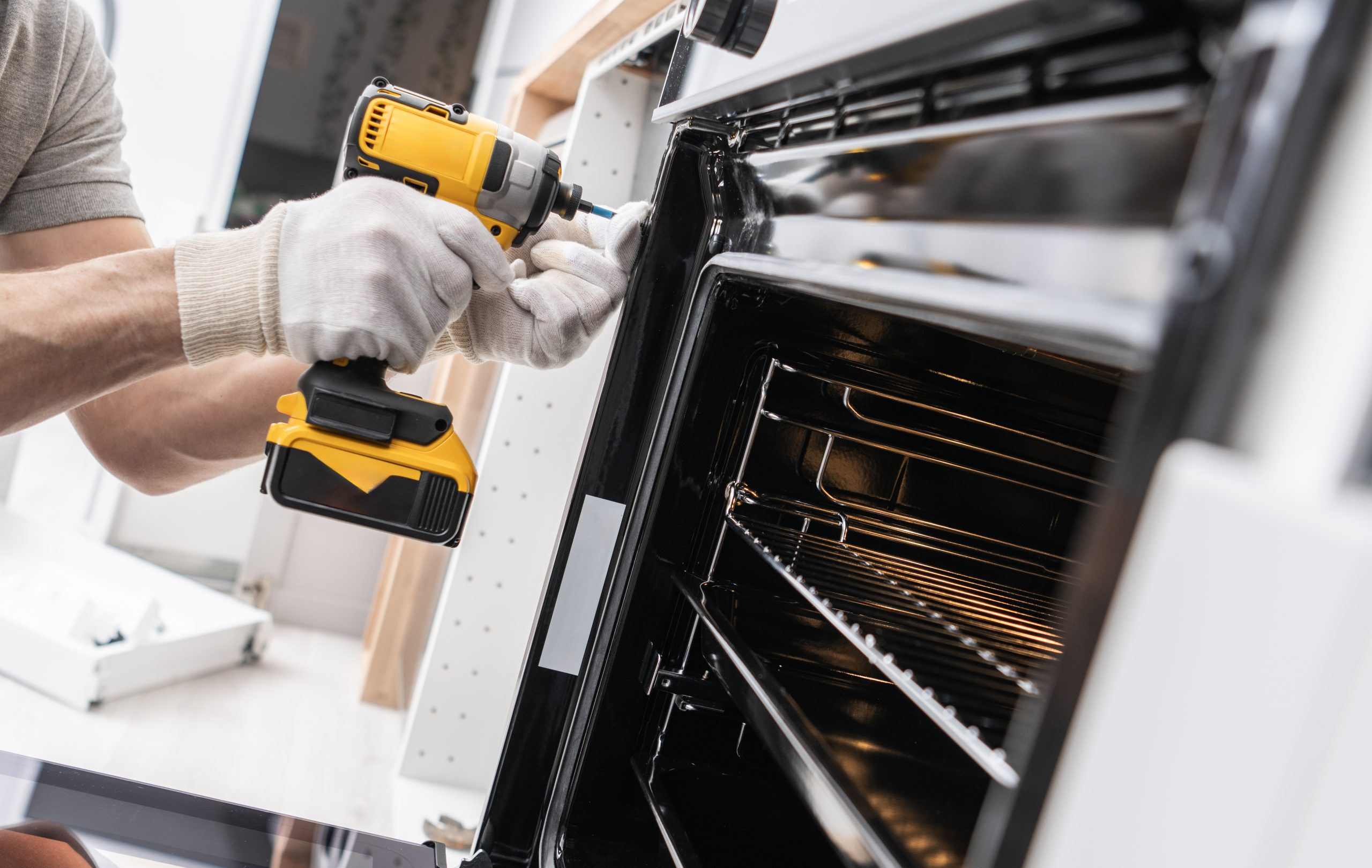
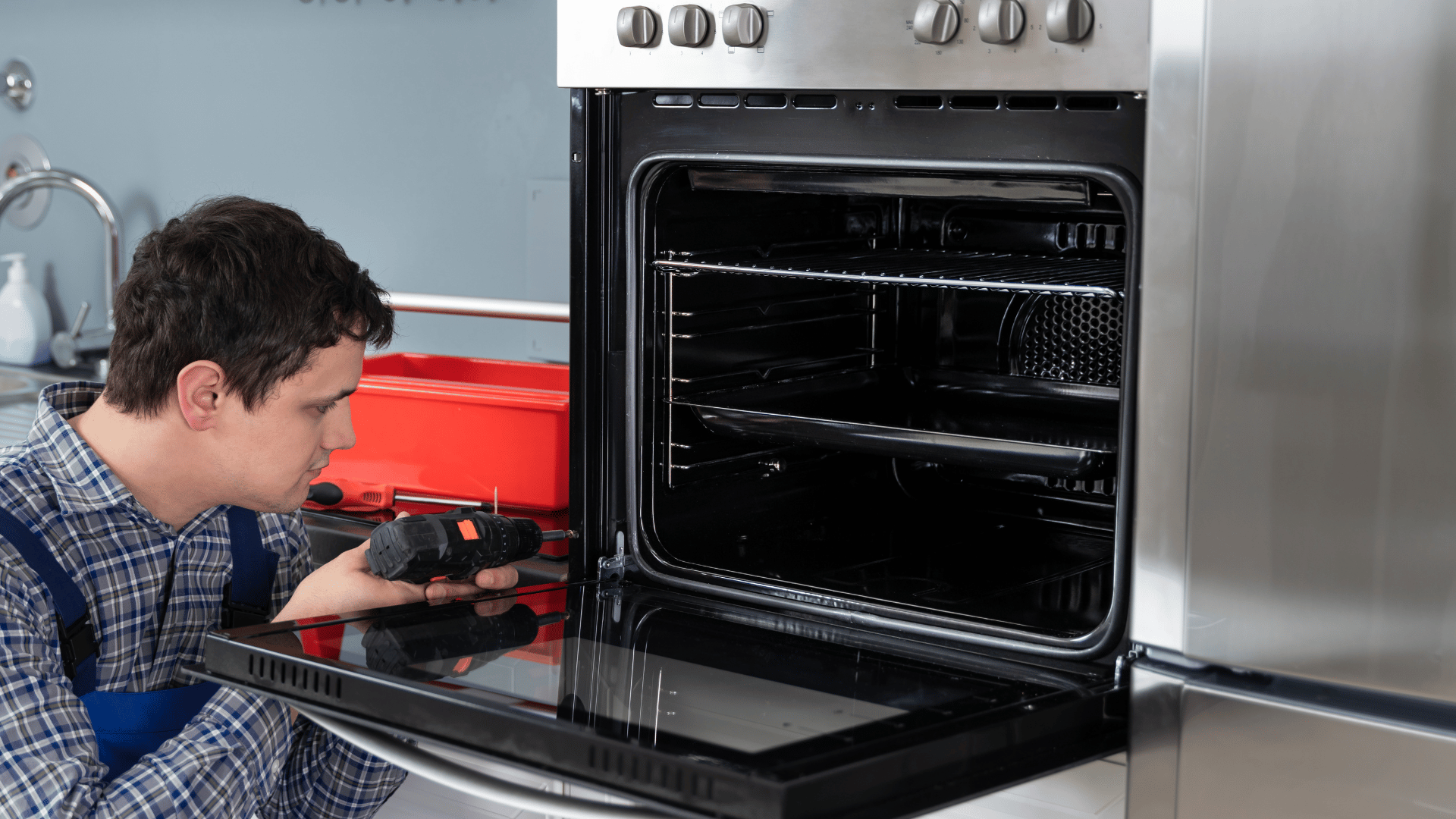
For gas ranges and ovens, the most common failure in 2026 remains the igniter. If you smell gas but the oven won't light, the igniter may be glowing but failing to reach the temperature necessary to open the safety valve. Electric ovens often face issues with "infinite switches" or blown thermal fuses, both of which require professional testing with a multimeter to ensure safety.
The Economics of Repair: 2026 Cost Estimates
Deciding whether to repair or replace an appliance often comes down to the "50% Rule": if the repair costs more than 50% of the price of a new unit and the machine is more than halfway through its expected lifespan, replacement is generally recommended.
The following table provides estimated costs for common appliance repairs in the Toms River area. These figures include both labor and standard parts but may vary based on brand exclusivity (e.g., Sub-Zero or Viking parts will be significantly higher).
| Appliance Type | Common Repair Issue | Est. Cost (Parts + Labor) | Lifespan Extension |
|---|---|---|---|
| Refrigerator | Compressor Replacement | $650 – $1,100 | 5–8 Years |
| Refrigerator | Ice Maker Assembly | $250 – $450 | 3–5 Years |
| Washing Machine | Drain Pump Replacement | $200 – $380 | 4–6 Years |
| Washing Machine | Control Board Replacement | $350 – $600 | 5–7 Years |
| Clothes Dryer | Heating Element | $180 – $320 | 3–5 Years |
| Dishwasher | Circulation Pump | $300 – $500 | 4–6 Years |
| Gas Range | Oven Igniter | $175 – $290 | 5–10 Years |
| Microwave | Magnetron Failure | $250 – $400 | 3–5 Years |
Note: Prices are based on 2026 regional market data for Ocean County, NJ. Diagnostic fees, typically ranging from $80 to $120, are often waived if the repair is performed.
How to Vet a Local Repair Technician
New Jersey has specific regulations regarding home service providers. When hiring for appliance repair in Toms River, NJ, residents should verify several key credentials to ensure they are protected from fraud or subpar workmanship.
- Registration and Licensing: Ensure the company is registered with the New Jersey Division of Consumer Affairs. While "appliance repair" doesn't always require a master plumber's license, any work involving gas lines or permanent electrical wiring must be performed by appropriately licensed individuals.
- Insurance Coverage: A reputable technician should carry both general liability insurance and workers' compensation. This protects the homeowner in the event of accidental property damage (such as a leaked water line during a dishwasher repair) or technician injury on the property.
- Manufacturer Certification: Some brands, particularly European imports like Miele or Bosch, require specialized training. Ask if the technician is "factory authorized," which ensures they have access to the most recent technical bulletins and OEM (Original Equipment Manufacturer) parts.
- Warranty Clarity: Always get the warranty in writing. In 2026, the industry standard in New Jersey is typically 90 days for labor and one year for parts. Be wary of companies that do not offer a written guarantee on their work.
Environmental Impacts on Appliances in Coastal New Jersey
Toms River's proximity to the Atlantic Ocean and the Barnegat Bay introduces unique variables to appliance longevity. Salt-air corrosion is a chemical process that can degrade metal components much faster than in inland areas.
The "Salt-Air" Factor
For homes in Ortley Beach or the North Dover sections near the water, outdoor-venting appliances are particularly vulnerable. Dryer vent hoods can corrode and seize in the "open" position, allowing pests or moisture to enter the home. Furthermore, the high humidity levels in Ocean County during the summer months can lead to "sweating" on refrigerator cabinets if the magnetic door gaskets are not perfectly sealed.
Energy Efficiency and 2026 Standards
With the rising cost of utilities in New Jersey, maintaining energy-efficient appliances is a financial necessity. Technicians in Toms River now emphasize the maintenance of Energy Star rated appliances. A dishwasher with a failing sensor may use 50% more water than necessary, while a dusty refrigerator compressor can increase monthly electric bills by $15–$30. Professional maintenance often includes "efficiency tuning," where sensors are calibrated to ensure the unit operates within its intended energy parameters.
DIY vs. Professional Intervention: Safety First
While YouTube and DIY forums provide many tutorials, certain appliance repairs in Toms River should never be attempted by an amateur. Safety risks involve high-voltage electricity, gas leaks, and physical injury from heavy machinery.
- Microwave Ovens: Even when unplugged, microwaves contain high-voltage capacitors that can hold a lethal electrical charge. Internal repairs should always be left to professionals.
- Gas Appliances: Any repair involving the gas valve, manifold, or supply line requires a leak test that most homeowners cannot perform accurately. In the densely populated neighborhoods of Toms River, a gas leak poses a significant community risk.
- Refrigerant Handling: Modern refrigerators use R-600a (isobutane) or older R-134a refrigerants. Federal law requires EPA certification to handle or recharge these substances, as they are either flammable or environmentally regulated.
Homeowners can safely handle tasks such as cleaning refrigerator coils, replacing water filters, leveling washing machines, and clearing debris from dishwasher spray arms. Beyond these basic maintenance steps, the complexity of 2026 appliance technology generally necessitates a professional diagnostic.
Frequently Asked Questions
What is the average response time for appliance repair in Toms River?
Most local companies in Toms River offer 24-to-48-hour response times for non-emergency calls. During the peak summer season (June–August), wait times may increase due to the influx of seasonal residents in the coastal areas. Emergency services for refrigerators or leaking washing machines are often available for an additional "urgent dispatch" fee.
Do I have to pay a diagnostic fee if I decide not to do the repair?
Yes, most technicians in Ocean County charge a "service call" or "diagnostic fee" that covers their travel and the time spent identifying the problem. This fee typically ranges from $80 to $125. However, the majority of reputable Toms River repair services will apply this fee toward the final cost of labor if you choose to proceed with the repair.
Is it hard to get parts for older appliances in 2026?
Due to "Right to Repair" legislation and improvements in 3D printing and supply chain logistics by 2026, parts for machines up to 10–12 years old are generally available. However, for "legacy" appliances (15+ years old), certain control boards or specialized cosmetic parts may be discontinued, making replacement the more viable option.
Should I buy a home warranty for my appliances in New Jersey?
Home warranties can be beneficial for residents with older appliances in high-value homes, but they often require the use of the warranty company's preferred vendors. If you have a specific local technician you trust in Toms River, check if they work with warranty providers like American Home Shield or Select Home Warranty before purchasing a policy.
Are smart appliances more expensive to repair?
Generally, yes. Smart appliances utilize more sensors and complex main logic boards (PCBs). In 2026, a standard dishwasher repair might involve a $50 mechanical part, whereas a smart dishwasher may require a $250 sensor module that integrates with your home's Wi-Fi network.
Practical Recommendation for Residents
If you are experiencing an appliance malfunction in Toms River, the most effective next step is to document the exact model number and any error codes displayed on the unit. Contact a locally-based service provider that offers "first-trip" resolution guarantees—meaning they carry a wide inventory of common parts on their trucks to avoid multiple service visits. For those in senior communities like Holiday City, ask for "community discounts," as many local providers offer reduced rates for high-density service areas. Regular maintenance, specifically annual dryer vent cleaning and refrigerator coil vacuuming, remains the best way to avoid the high costs of emergency repairs in the Jersey Shore climate.