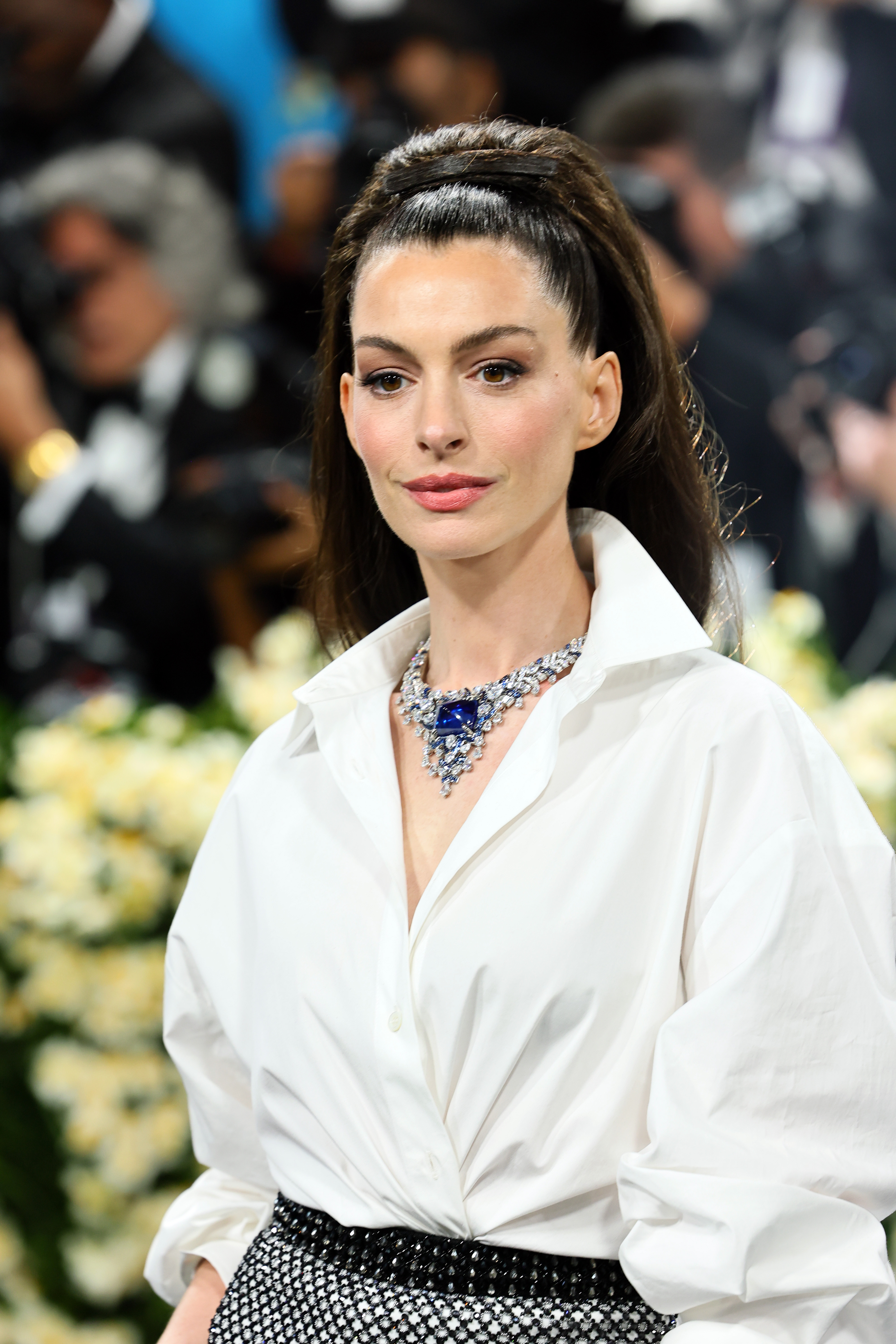
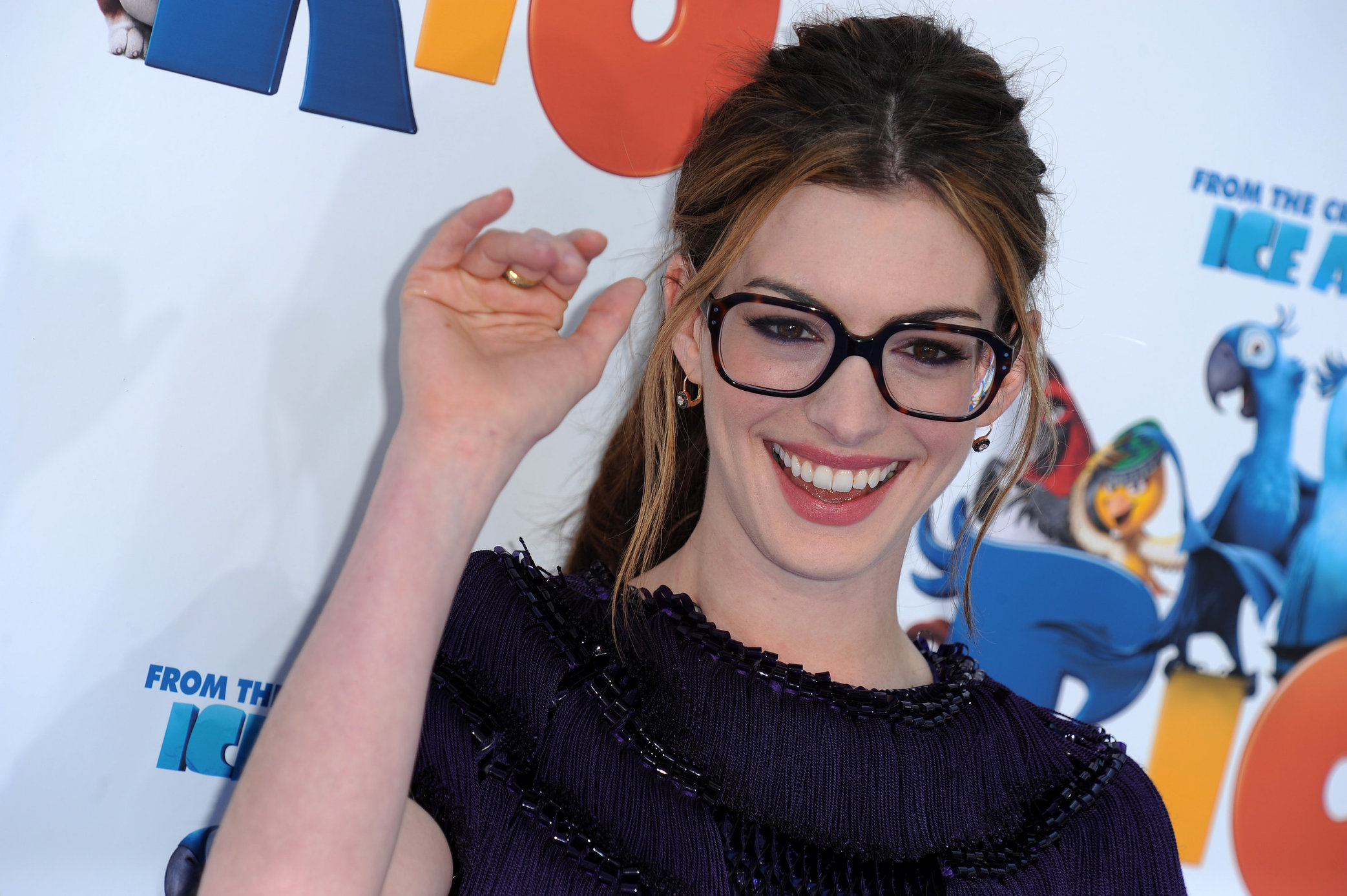
Anne Hathaway is not currently a strict vegetarian or vegan. While the Academy Award-winning actress followed a strict vegan diet for several years—most notably while filming The Dark Knight Rises and Les Misérables—she famously reintroduced fish and animal products into her diet during the production of Interstellar in 2014, shifting her long-term lifestyle toward balanced flexitarianism.
Few celebrity lifestyle choices have drawn as much sustained public curiosity as Anne Hathaway’s dietary shifts. Over the course of two decades, Hathaway transformed her physique for demanding roles, experimented with plant-based living, spoke candidly about feeling depleted on restrictive regimens, and eventually discovered an intuitive, sustainable routine.
For readers interested in plant-based nutrition, dietary sustainability, or the physical demands of Hollywood acting, Hathaway’s dietary timeline provides a grounded case study in why one-size-fits-all diets often fail and how individual nutritional requirements evolve over time.
The Origins of Anne Hathaway's Plant-Based Diet
Hathaway first transitioned toward vegetarianism and veganism in the late 2000s and early 2010s. Like many people who adopt a meat-free lifestyle, her initial motivation stemmed from a combination of environmental concerns, empathy for animal welfare, and a desire to maintain optimal physical health while handling grueling filming schedules.
Her commitment deepened significantly around 2011, when director Christopher Nolan cast her as Selina Kyle (Catwoman) in The Dark Knight Rises (2012). The role required intense martial arts training, gymnastics, and the ability to fit into a notoriously unforgiving catsuit. To achieve peak physical conditioning, Hathaway adopted an intensive fitness regimen paired with an entirely vegan, near-raw diet.
During this period, she worked with celebrity nutritionists and personal chefs to ensure she hit her macronutrient targets without consuming dairy, eggs, or meat. She publicly advocated for the benefits of plant foods, noting that a clean, plant-focused plate helped her maintain the stamina required for 14-hour stunt sequences. At the time of her September 2012 wedding to designer Adam Shulman, the couple served a completely vegan menu to their guests, reaffirming her public identity as one of Hollywood's prominent vegan ambassadors.
The Extreme Restrictions of Les Misérables
Shortly after wrapping The Dark Knight Rises, Hathaway accepted the role of Fantine in Tom Hooper’s cinematic adaptation of Les Misérables (2012). To accurately depict a character dying of tuberculosis in extreme poverty, Hathaway underwent a dramatic physical transformation, losing 25 pounds.
She achieved this deficit through an extraordinarily restrictive, near-starvation regimen:
- She lost the first 15 pounds before filming started using a strict detox protocol.
- She lost an additional 10 pounds during production by consuming little more than two thin squares of dried oatmeal paste per day.
While Hathaway emphasized in subsequent interviews that this extreme caloric deprivation was done under medical supervision for a short-term cinematic goal—and expressly warned fans never to replicate it—the experience took a profound physiological toll. Depleting her body while attempting to maintain a zero-animal-product diet left her physically exhausted, chemically unbalanced, and emotionally raw.
The Turning Point: Why Anne Hathaway Stopped Being Vegan
The definitive end of Hathaway’s strict vegan era occurred in Iceland in 2013 during the filming of Christopher Nolan’s science-fiction epic Interstellar.
The Physical Demands of Interstellar
Filming Interstellar required the cast to wear 40-pound spacesuits for hours in harsh Icelandic terrain, frequently submerged in freezing water or navigating rugged glacial fields. Hathaway later recounted that her body was struggling to keep up with the physical burden. Despite consuming a plant-based diet designed to provide energy, she felt chronically depleted, weak, and mentally fatigued—a state she frequently described as "brain fog."
Her co-star Matt Damon organized a dinner at a Michelin-starred restaurant in Reykjavik for the cast and crew. Damon announced that he would eat whatever the chef prepared without restrictions, while Hathaway faced a dilemma. Rather than requesting a strictly vegan alternative, she chose to test how her body would respond to fresh animal protein.
"I just asked, 'Is your fish fresh?' and the waiter said, 'Do you see that fjord?' And then I had a piece of salmon, and my brain felt like a computer rebooting." — Anne Hathaway, discussing her dietary transition during production of Interstellar
The Physiological Shift
The effect was instantaneous and telling. Hathaway reported that within minutes of eating the fresh Icelandic salmon, the persistent mental cloudiness lifted, and her vitality returned. She realized that her body was struggling to absorb or synthesize essential micronutrients—such as bioavailable long-chain omega-3 fatty acids (EPA and DHA), vitamin B12, or complete amino acid profiles—purely from the plant sources she had been consuming under high-stress conditions.
Recognizing that her well-being was compromised by ideological dietary rigidity, Hathaway formally abandoned strict veganism. The following day, she reported waking up with dramatically higher energy levels, leading her to permanently reintegrate animal proteins into her lifestyle.
Analyzing Hathaway’s Diet: Timeline of Changes
To understand Hathaway's nutritional path, it helps to examine how her approach evolved across key career milestones:
| Timeframe | Dominant Dietary Pattern | Primary Motivation | Reported Physical Impact |
|---|---|---|---|
| Early 2000s–2010 | Standard flexitarian / omnivore | General wellness and career entry | Normal baseline energy; unmonitored nutrition |
| 2011–2012 | Strict vegan / plant-based | The Dark Knight Rises prep; wedding | High stamina initially; low body fat |
| 2012 | Extreme caloric deprivation (vegan) | Les Misérables (Fantine role) | Severe nutrient depletion, fatigue, physical stress |
| 2013–2014 | Reintroduction of fish (pescatarian shift) | Interstellar filming in Iceland | Elimination of brain fog; restored vitality |
| 2015–Present | Anti-inflammatory flexitarian / paleo-leaning | Long-term wellness, family, sustained energy | Stable metabolic health, sustained focus, sustainable balance |
What Does Anne Hathaway’s Diet Look Like Today?
Since leaving strict veganism behind, Hathaway has developed an intuitive, anti-inflammatory nutritional philosophy. Rather than adhering to dogmatic dietary labels, her meals prioritize whole, minimally processed ingredients tailored to her current energy demands.
1. High-Quality Proteins
Hathaway continues to eat fish, particularly wild-caught varieties rich in omega-3 fatty acids like salmon, halibut, and cod. She also includes pasture-raised poultry, eggs, and occasionally red meat to ensure adequate heme iron, zinc, and B-vitamin intake, preventing the fatigue she experienced in her early thirties.
2. A Heavy Base of Vegetables and Plants
Leaving veganism did not mean abandoning vegetables. Plant foods still constitute the majority of Hathaway’s plate volume. She emphasizes:
- Cruciferous vegetables: Broccoli, Brussels sprouts, and kale for cellular detoxification and micronutrients.
- Complex carbohydrates: Sweet potatoes, yams, and brown rice for sustained glycogen replenishment.
- Healthy fats: Avocados, cold-pressed extra-virgin olive oil, nuts, and seeds.
3. Elimination of Alcohol
In 2018, Hathaway made a major lifestyle decision that had a greater impact on her health than her dietary labels: she gave up alcohol completely.
During an appearance on The Ellen DeGeneres Show and subsequent profiles, she explained that after the birth of her first son in 2016, she realized that even mild hangovers impaired her presence as a parent and diminished her professional focus. She committed to remaining sober until her children are adults and living on their own. She frequently cites total sobriety as the single most transformative choice she has made for her skin, sleep quality, and daily energy.
4. Hydration and Inflammation Control
To maintain gut health and steady energy, Hathaway avoids heavily processed seed oils, artificial additives, and excessive refined sugars. She drinks substantial amounts of water throughout the day, often paired with herbal teas, lemon water, and bone broth.
Nutritional Lessons from Anne Hathaway’s Experience
Hathaway's public diet journey highlights several practical realities that clinical nutritionists and dietitians frequently emphasize:
The Bioavailability Factor
While a well-planned vegan diet can meet human nutritional requirements, individual genetic variations, digestive efficiency, and metabolic demands vary wildly. Nutrients such as preformed omega-3s (DHA/EPA), vitamin B12, vitamin D3, choline, and heme iron are substantially more bioavailable in animal products than their plant-derived precursors (such as ALA from flaxseeds or non-heme iron from spinach). Under intense physical stress, conversion rates can falter, leading to the cognitive fatigue Hathaway experienced.
Avoiding the "All-or-Nothing" Trap
Many individuals believe they must either be 100% plant-based or completely careless about their diet. Hathaway’s path illustrates the power of a flexitarian approach: consuming mostly plants for longevity and environmental reasons while selectively utilizing animal proteins to support cellular energy, cognitive function, and musculoskeletal repair.
Role Requirements vs. Everyday Health
Actors undergo temporary, medically unsafe interventions to meet visual deadlines for the screen. Hathaway’s Les Misérables diet was an occupational hazard, not a lifestyle blueprint. Conflating Hollywood weight-loss tactics with healthy living creates unrealistic and dangerous expectations for everyday wellness.
Frequently Asked Questions
Is Anne Hathaway currently a vegan?
No. Anne Hathaway is not vegan. She officially ceased following a vegan diet in 2014 while filming Interstellar and has since maintained a balanced diet that includes fish, eggs, poultry, and other animal products alongside vegetables.
Why did Anne Hathaway stop eating a vegan diet?
Hathaway stopped eating vegan because she experienced chronic low energy, physical weakness, and persistent brain fog while filming demanding scenes in heavy spacesuits for Interstellar. After eating fresh salmon in Iceland, she felt an immediate restoration of mental clarity and physical vitality, prompting her to permanently reintroduce animal proteins.
What was Anne Hathaway’s diet for Catwoman?
For The Dark Knight Rises, Hathaway followed an intensive vegan, anti-inflammatory diet high in plant proteins, leafy greens, avocados, and whole grains, paired with rigorous daily martial arts, stunt training, and strength conditioning to build lean muscle while minimizing body fat.
How did Anne Hathaway lose weight for Les Misérables?
To play Fantine, Hathaway lost 25 pounds using an extreme, calorically deficient regimen that included eating two small thin squares of dried oatmeal paste per day during the final weeks of filming. Hathaway has repeatedly warned the public never to copy this protocol, emphasizing that it was physically destructive and done solely under professional monitoring for a short cinematic window.
Does Anne Hathaway drink alcohol?
No. Anne Hathaway gave up alcohol in late 2018. She chose sobriety primarily because hangovers interfered with her ability to be present for her children and maintain focus in her professional life.
Next Steps for Sustainable Nutrition
Anne Hathaway’s path away from strict dietary dogma toward intuitive, high-quality nourishment offers a clear blueprint for anyone reassessing their lifestyle. If you are struggling with low energy, mental fatigue, or nutrient deficiencies on a restrictive eating plan, consider these practical steps:
- Audit Your Micronutrients: Before eliminating entire food groups, schedule routine blood panels with your primary care provider to measure serum ferritin, vitamin B12, vitamin D, and your lipid profile.
- Prioritize Food Quality Over Labels: Instead of defining yourself strictly as "vegan," "keto," or "paleo," focus on minimizing ultra-processed foods, eliminating refined sugars, and ensuring adequate hydration.
- Listen to Biofeedback: If you experience chronic lethargy, sleep disruption, or brain fog, treat those symptoms as data. Adjust your macronutrient and micronutrient balance until your baseline energy remains steady without relying on stimulants.
Maintaining sustainable health is a lifelong process of iteration. As Anne Hathaway’s dietary history shows, true wellness comes from listening to your body's physiological needs rather than adhering indefinitely to an external dietary label.