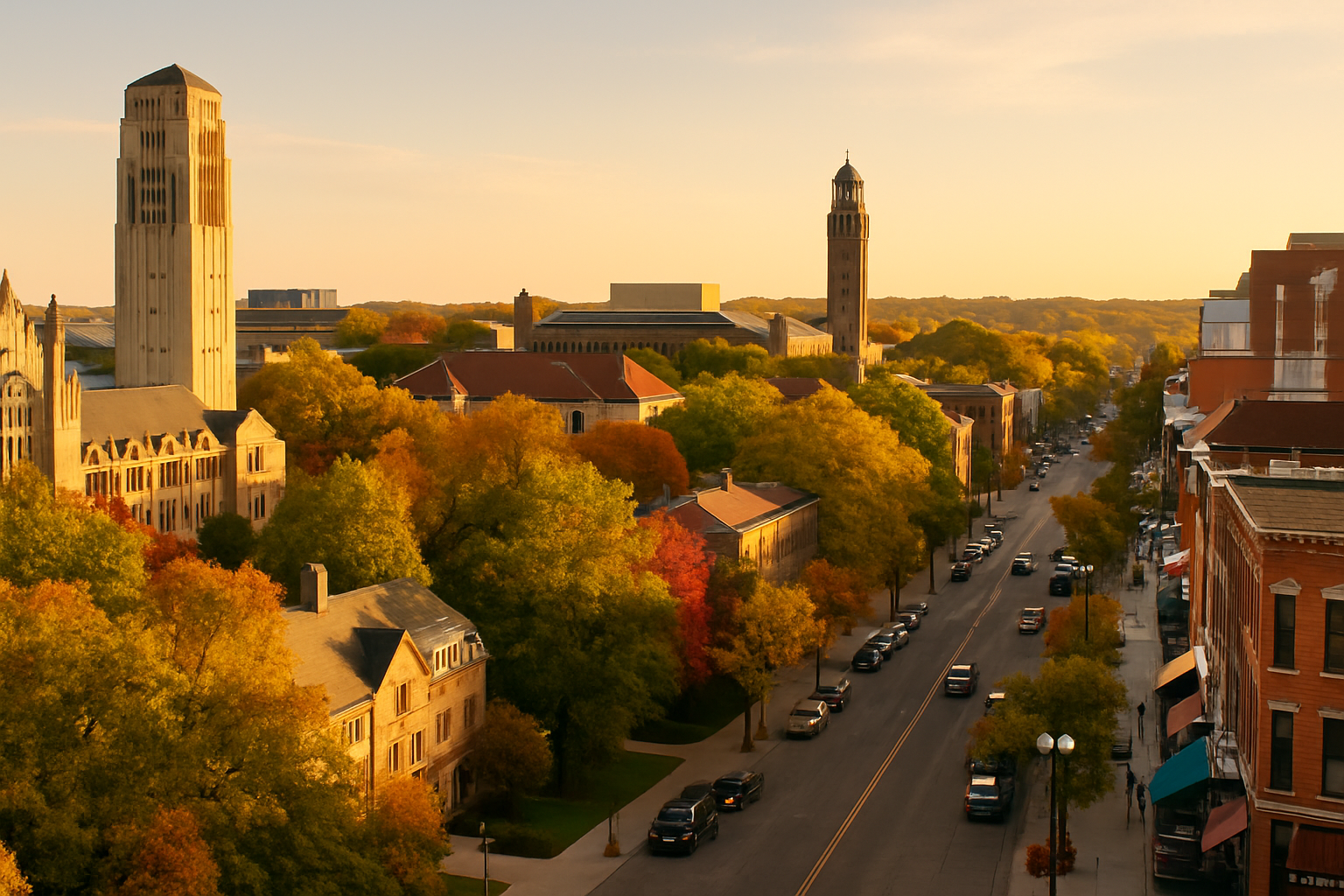
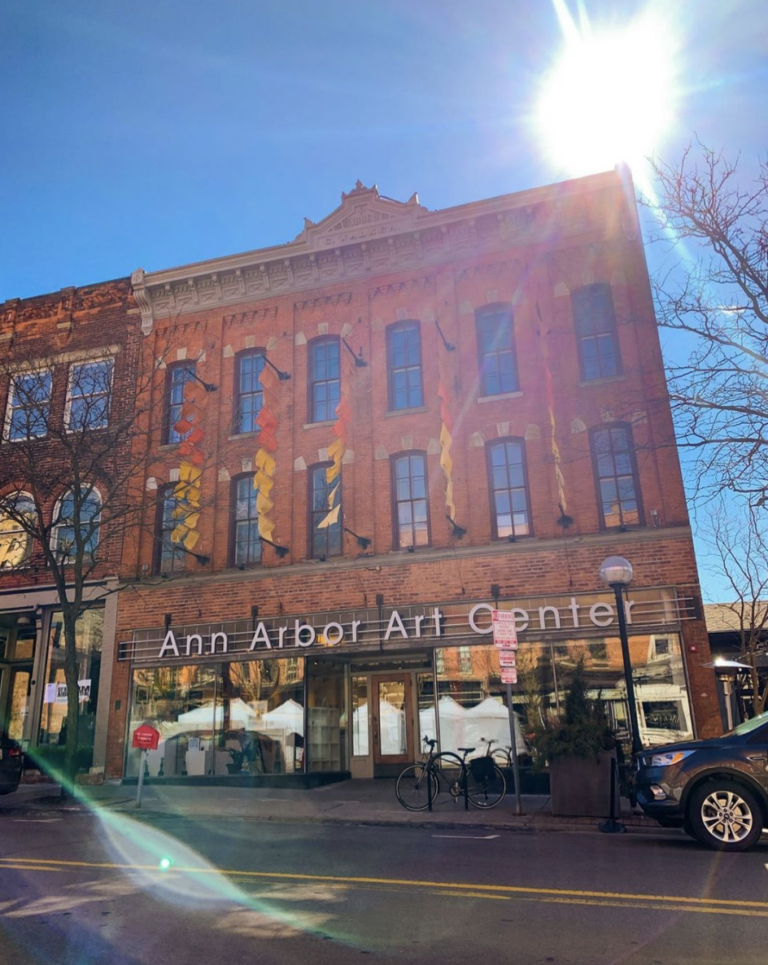
Ann Arbor, Michigan, serves as a premier cultural and intellectual hub in the American Midwest, defined by the presence of the University of Michigan and a commitment to environmental sustainability. Whether visiting for a football weekend, scouting a permanent relocation, or exploring its renowned culinary scene, this guide provides the logistical and cultural framework necessary to navigate the city in 2026.
Ann Arbor is a city that balances the energy of a major international university with the charm of a historic small town. Often referred to as "Tree Town" due to its dense canopy, the city is geographically centered around the Huron River and the sprawling University of Michigan (U-M) campus. For visitors and residents alike, the city offers a high density of museums, independent bookstores, and a dining scene that consistently punches above its weight class for a city of its size.
Navigating the Districts: Understanding Ann Arbor’s Layout
To understand Ann Arbor, one must view it as a collection of distinct districts, each offering a different atmosphere and functional purpose. Unlike many Midwestern cities, Ann Arbor is highly walkable within its core, though its topography becomes more varied as you move toward the residential periphery.
The Main Street District
The heart of downtown Ann Arbor is focused on Main Street, stretching roughly from William to Huron. This is the city’s primary commercial corridor, featuring high-end dining, local boutiques, and professional offices. In 2026, the city has continued its trend of prioritizing pedestrian-friendly infrastructure, making this area the social epicenter for evening activity and weekend strolls.
Kerrytown and the Farmers Market
Located just north of downtown, Kerrytown is one of the most historic sections of the city. It is characterized by cobblestone streets and the iconic Kerrytown Market & Shops. The Ann Arbor Farmers Market, operating year-round on Wednesdays and Saturdays, serves as a vital community gathering space. This district is also home to the world-famous Zingerman’s Delicatessen, which remains a primary pilgrimage site for food enthusiasts.
The State Street District
This area serves as the transition point between the city and the University of Michigan’s Central Campus. It is anchored by the historic Michigan Theater and the State Theatre. This district caters to a mix of students and faculty, offering a high concentration of bookstores, coffee shops, and apparel stores. It represents the "intellectual" core of the city’s retail landscape.
South University and the Campus Core
South University Avenue is the traditional heart of student life. While it has seen significant high-rise development over the last decade, it remains the primary location for student-oriented nightlife and quick-service dining. Directly adjacent is the Diag, the central open space of the University of Michigan, which serves as a landmark for campus navigation.
The University of Michigan: An Integral Presence
It is impossible to separate the identity of Ann Arbor from the University of Michigan. Founded in 1817 and moved to Ann Arbor in 1837, the university dictates much of the city's rhythm, economy, and cultural output.
Academic and Research Influence
The university is a top-tier public research institution, attracting students and faculty from across the globe. This international demographic is responsible for the city’s diverse culinary options and its sophisticated arts scene. The university's North Campus, located across the Huron River, focuses on engineering, architecture, and music, while Central Campus houses the humanities and social sciences.
Athletics and the "Big House"
Michigan Stadium, known as the "Big House," is the largest stadium in the United States. During the autumn football season, the city’s population nearly doubles on home game Saturdays. For visitors in 2026, planning around these dates is essential; hotel rates peak significantly, and traffic patterns are heavily modified by local law enforcement to accommodate the influx of fans.
Museums and Public Collections
The university provides the city with world-class museum facilities that are often free or low-cost to the public:
- U-M Museum of Art (UMMA): One of the largest university art museums in the country, featuring a diverse collection ranging from African art to modern photography.
- Museum of Natural History: Located in the Biological Sciences Building, it features extensive dinosaur exhibits and a state-of-the-art planetarium.
- Kelsey Museum of Archaeology: A specialized institution holding more than 100,000 artifacts from the Mediterranean and Near East.
Outdoor Recreation and Environmental Stewardship
Ann Arbor’s nickname, "Tree Town," is supported by an extensive park system and the presence of the Huron River. The city has set ambitious goals under its A2ZERO plan to achieve community-wide carbon neutrality by 2030, which is reflected in its commitment to green spaces and alternative transit.
The Huron River Water Trail
The Huron River is a designated National Water Trail. In 2026, Gallup Park and Argo Park remain the primary hubs for river recreation. Residents and visitors can rent kayaks, canoes, or tubes to navigate the river. The Argo Cascades, a series of man-made drops and pools, offer a controlled environment for recreational tubing that is highly popular during the summer months.
Nichols Arboretum and Botanical Gardens
Known locally as "The Arb," the Nichols Arboretum is a 123-acre preserve managed by the University of Michigan. It features a mix of curated collections, such as the historic Peony Garden, and naturalized landscapes with miles of hiking trails leading down to the river. For a more structured horticultural experience, the Matthaei Botanical Gardens on the eastern edge of the city offers large conservatories and themed outdoor gardens.
Bird Hills and Local Hiking
For those seeking a more rugged experience, Bird Hills Nature Area is the city’s largest park. It offers steep, wooded trails that provide a sense of isolation from the urban environment. The city’s dedication to maintaining these "natural areas" ensures that native Michigan flora and fauna remain protected within the city limits.
Culinary Excellence: Where to Eat and Drink
Ann Arbor’s food scene is characterized by a "farm-to-table" ethos, supported by the rich agricultural land of Washtenaw County. The city offers everything from historic diners to avant-garde fusion.
The Zingerman’s Community of Businesses
No guide to Ann Arbor is complete without mentioning Zingerman’s. Beyond the original deli in Kerrytown, the "community" includes a creamery, a bakehouse, and the Roadhouse—a full-service restaurant focusing on American regional food. Their commitment to sourcing high-quality ingredients has set the standard for the entire local food industry.
International and Contemporary Dining
- Frita Batidos: Located on West Washington, this spot offers Cuban-inspired street food (fritas) and tropical milkshakes (batidos). It is a staple of the local dining scene known for its communal seating and high-energy atmosphere.
- Pacific Rim by Kana: A long-standing favorite for pan-Asian fusion, offering a more formal dining experience near the Main Street corridor.
- The Gandy Dancer: Housed in the historic Michigan Central Depot (built in 1886), this restaurant specializes in seafood and remains a premier destination for formal events and Sunday brunch.
The Craft Beverage Scene
Ann Arbor and its immediate neighbor, Ypsilanti, host a variety of craft breweries and cocktail lounges. Jolly Pumpkin Artisan Ales is famous for its sour beers, while local distilleries like Ann Arbor Distilling Company utilize Michigan-grown grains and fruits to produce spirits that reflect the local terroir.
Practical Logistics: Parking, Transport, and Seasons
Transportation and Accessibility
Ann Arbor is located approximately 25 miles west of Detroit Metropolitan Airport (DTW), one of the world's major air hubs. For those traveling by rail, the Ann Arbor Amtrak Station provides daily service on the Wolverine line, connecting the city to Chicago and Detroit.
The Ann Arbor Area Transportation Authority (AAATA), known as "TheRide," operates the city’s bus system. In 2026, the city continues to expand its fare-free zones and electric bus fleet. For visitors, parking in downtown structures is generally managed by the Republic Parking System, with rates that are moderate compared to larger metropolitan areas but higher during peak event times.
Weather and Seasonal Expectations
Michigan weather is notoriously variable.
- Winter (December–March): Expect significant snowfall and temperatures frequently below freezing. The city is efficient at snow removal, but walking can be challenging.
- Spring (April–June): This is the season of the blooming peonies and the return of outdoor festivals. It is often rainy but aesthetically beautiful.
- Summer (July–August): Warm and humid. This is the peak time for the Ann Arbor Art Fair, one of the largest outdoor art fairs in the country.
- Autumn (September–November): Peak tourist season due to U-M football and fall foliage. This is arguably the most vibrant time to visit.
Summary of Key Districts and Destinations
| District | Primary Vibe | Key Attractions | Best For |
|---|---|---|---|
| Main Street | Sophisticated/Urban | Restaurants, Boutiques | Dining & Nightlife |
| Kerrytown | Historic/Quaint | Farmers Market, Zingerman's | Local Shopping & Foodies |
| State Street | Intellectual/Arts | Michigan Theater, U-M Museums | Culture & Books |
| South University | Energetic/Student | Campus Shops, Bars | Student Life & Fast Eats |
| Old West Side | Residential/Scenic | Historic Homes, Neighborhood Parks | Walking Tours |
Frequently Asked Questions
What is the best time of year to visit Ann Arbor?
While each season has its draws, autumn (September and October) is widely considered the best time to visit. The weather is cool, the fall foliage is at its peak, and the energy of the university is at its highest during football season. However, if you prefer a quieter experience with lower hotel rates, the summer months (excluding the Art Fair in July) offer a more relaxed pace.
Is Ann Arbor an expensive city to live in?
Compared to the national average and other cities in Michigan, Ann Arbor has a high cost of living, particularly regarding housing. The proximity to the university and the high quality of life drive property values and rents up. However, many of the city’s best amenities—such as the parks, the university’s Diag, and several museums—are free to the public.
How do I get around Ann Arbor without a car?
Ann Arbor is one of the most transit-friendly cities in the Midwest. The downtown and campus areas are highly walkable. TheRide bus system offers comprehensive coverage of the city, and ride-sharing services are readily available. For those staying within the central core, a car is often more of a liability than an asset due to parking constraints.
What should I know about the Ann Arbor Art Fair?
The Ann Arbor Art Fair is actually three separate independently juried fairs that take place simultaneously in July. It covers nearly 30 city blocks and attracts hundreds of thousands of visitors. If you plan to visit during this time, book your accommodations at least six months in advance and be prepared for significant crowds and street closures.
Are the University of Michigan museums open to the general public?
Yes. The Museum of Natural History, the U-M Museum of Art (UMMA), and the Kelsey Museum of Archaeology are all open to the general public. While some suggest a donation for entry, they are generally free, making them accessible resources for families and solo travelers.
Next Actions for Your Visit
To make the most of your trip to Ann Arbor, begin by checking the University of Michigan Events Calendar to see if any major conferences, concerts, or sporting events coincide with your dates. If you plan on dining at popular spots like the Gandy Dancer or Pacific Rim, secure reservations at least one week in advance. For those interested in the natural beauty of the area, a visit to the Destination Ann Arbor website provides current updates on trail conditions and seasonal park events.