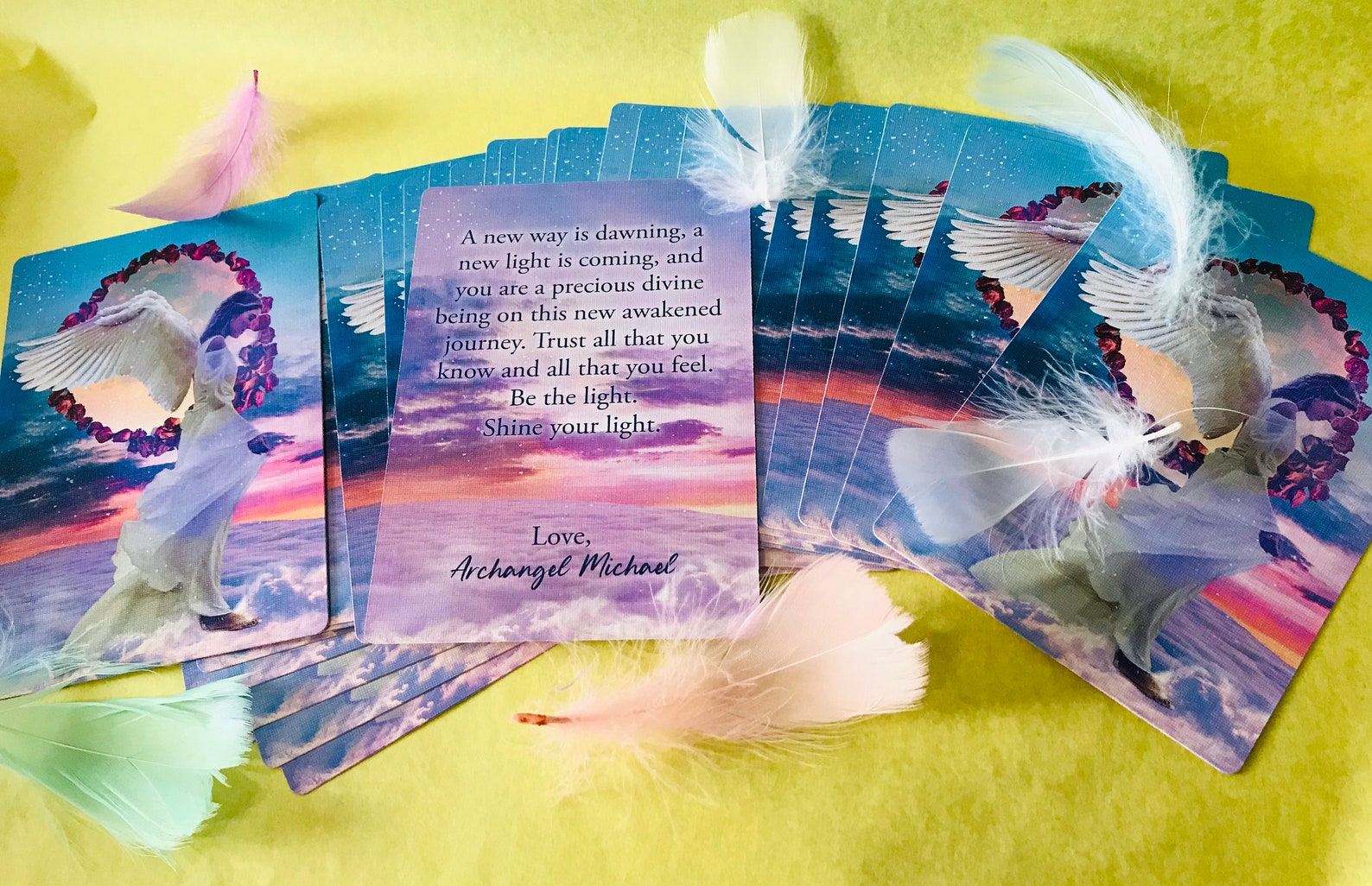
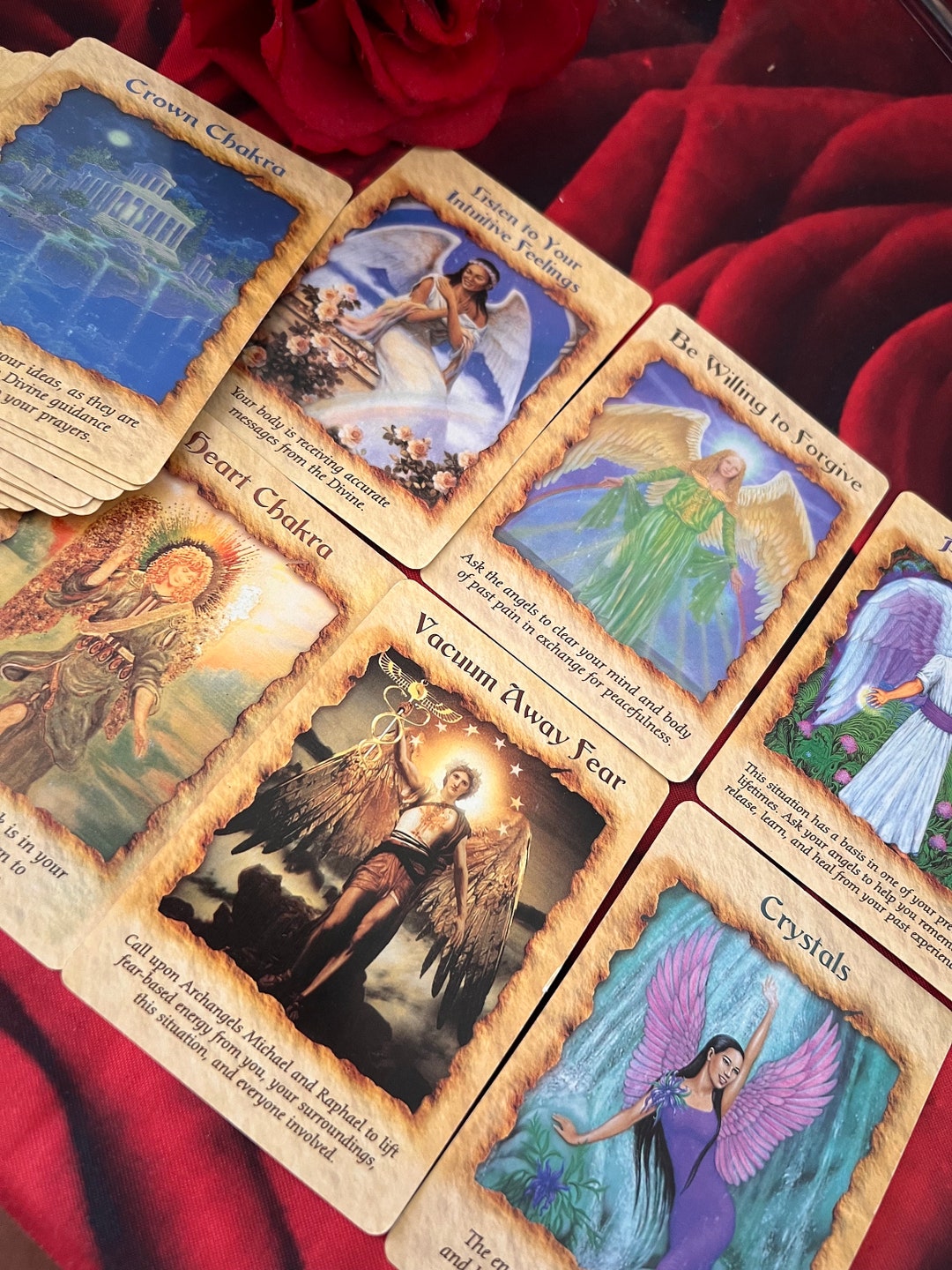
Angel healing cards serve as a symbolic tool for self-reflection and contemplative practice, functioning primarily as a psychological framework rather than a predictive or medical instrument. While they are not empirically proven to influence external events or provide literal supernatural intervention, many individuals report that the cards effectively facilitate emotional clarity, foster a meditative headspace, and encourage the exploration of personal intentions through the interpretation of archetypal imagery and thematic messages.
Understanding the Nature of Angel Healing Cards
Angel healing cards, often categorized within the broader genre of oracle cards, consist of illustrated decks accompanied by guidebooks. Unlike traditional tarot decks, which typically follow a standardized structure—such as the 78-card Rider-Waite-Smith system—angel cards are often non-systematized. This means the number of cards, the artistic style, and the thematic focus vary significantly between creators and publishers.
The primary function of these cards is to serve as a mirror for the user’s subconscious. By drawing a card, a user is presented with a prompt or a visual cue. The psychological mechanism at play is often described as the "Barnum Effect" or subjective validation, where individuals find personal meaning in vague or general statements because they project their current life circumstances, emotional stressors, or desires onto the imagery. This does not necessarily invalidate the experience; rather, it highlights that the effectiveness of the cards is rooted in how they stimulate the user’s cognitive processing.
The Role of Symbolism and Intention
For many users, the efficacy of angel healing cards is derived from the creation of a "sacred pause." In a fast-paced environment, setting aside time to shuffle, select, and contemplate a card requires a conscious deceleration. This process is functionally similar to mindfulness-based stress reduction (MBSR) techniques.
The imagery found on these cards—often featuring ethereal beings, soft color palettes, and nature scenes—is designed to elicit specific emotional responses. By focusing on a specific theme (e.g., "forgiveness," "patience," or "new beginnings"), the user is prompted to evaluate how that theme manifests in their daily life. This practice encourages:
- Externalization of Problems: Viewing a personal conflict through the lens of an archetypal image can reduce emotional intensity, allowing the user to view the situation from a detached, objective perspective.
- Narrative Construction: Users often weave the message on the card into their current life narrative, which can provide a sense of coherence or closure regarding unresolved feelings.
- Cognitive Reframing: When a user is feeling stuck, a randomly selected card can force a shift in perspective. If a user is anxious about a career decision and pulls a card themed around "trusting the process," the dissonance between their anxiety and the prompt creates an opportunity to consider a different, less stressful approach.
Comparative Analysis of Decision-Making Tools
To understand where angel healing cards fit into the spectrum of guidance tools, it is helpful to compare them with other common methods of reflection and decision-making.
| Tool | Primary Basis | Best Use Case | Empirical/Logical Status |
|---|---|---|---|
| Angel Healing Cards | Intuitive/Symbolic | Emotional processing | Subjective/Psychological |
| Journaling | Cognitive/Logical | Organizing thoughts | Proven self-regulation |
| Consulting a Mentor | Experience/Evidence | Complex decision-making | Objective/Relational |
| Professional Therapy | Clinical/Psychological | Mental health resolution | Evidence-based treatment |
As seen in the table above, the cards occupy a space distinct from clinical or professional advice. They lack the predictive accuracy or logical structure required for high-stakes decision-making, such as financial planning or medical treatment. However, they are highly effective as a supplementary tool for daily emotional maintenance and creative problem-solving.
Limitations and Practical Boundaries
It is essential to distinguish between spiritual guidance and objective reality. A significant limitation of using oracle or healing cards is the potential for "confirmation bias." A user may repeatedly draw cards that align with their preexisting beliefs, reinforcing potential fallacies or preventing them from considering uncomfortable but necessary truths.
Furthermore, users should be aware of the following boundaries when incorporating these cards into their routines:
- No Diagnostic Capacity: These cards are not diagnostic tools for mental health or physical illness. Relying on them to interpret symptoms or replace professional healthcare is unsafe and carries the risk of delaying necessary intervention.
- Avoidance of Accountability: If a user relies exclusively on the "guidance" of cards to make major life choices, they may inadvertently avoid taking personal accountability for their decisions. True guidance should always be balanced with evidence-based reasoning and personal autonomy.
- Commercial Variability: The quality and depth of these decks vary. Some are produced with clear, psychological themes, while others may be purely aesthetic or commercial products. A deck's efficacy is often tied to the clarity of its accompanying guidebook rather than the "vibrational" claims of the publisher.
Integrating Cards into a Daily Routine
For those who find value in the practice, integrating angel healing cards effectively requires consistency rather than searching for "correct" answers. A common, effective method involves treating the card pull as a thematic "anchor" for the day.
- Morning Setting: Pull a card upon waking to set an intention. If the card is "Patience," observe how instances of impatience arise during the day and use the card’s message as a reminder to adjust your reaction.
- Evening Review: Use a card at the end of the day to reflect on the events that occurred. Ask yourself how the day’s outcomes align with the concepts presented on the card.
- Journaling: Pairing the draw with a brief journal entry is the most effective way to quantify the value of the cards. By writing down your initial interpretation of the card and comparing it to how you felt throughout the day, you can track patterns in your own thinking over time.
Addressing Frequent Inquiries
Do the cards actually predict the future? No. There is no evidence that symbolic cards have any capacity to foretell future events. Their utility is limited to the present moment, helping the user gain perspective on their current state of mind.
How do I choose the "right" deck? Choose a deck that resonates with you aesthetically and conceptually. Since the utility of the deck is based on your interaction with its symbols, you should feel comfortable with the imagery. Read user reviews regarding the depth of the guidebook to ensure it provides enough material for meaningful reflection.
Is it necessary to have "psychic" ability to use them? No. Using these cards is a matter of interpretation and association, not supernatural skill. It is an exercise in human psychology and introspection that is accessible to anyone willing to reflect on the prompts.
Can these cards be used for group sessions? They can be used as a conversation starter in a group setting. By sharing a card and its message with others, you can invite dialogue about shared experiences, which often builds rapport and empathy among participants.
What should I do if a card seems to provide a negative message? Reframing is key. Even cards with "challenging" themes (such as loss or struggle) can be viewed as opportunities to address latent issues. If a card induces genuine distress, do not attempt to force a meaning; simply put the deck away.
Moving Toward Balanced Practice
The effectiveness of angel healing cards as a tool for guidance is subjective. If you approach them as a method for deepening self-awareness, exploring your own narrative, and creating moments of mindfulness, they can be a highly beneficial addition to a personal wellness routine. However, they should always remain a subordinate tool—a complement to, not a replacement for, logical decision-making, professional advice, and active engagement with the realities of your environment.
To make the most of this practice, treat each card pull as an opening to a question rather than a definitive answer. By maintaining this critical distance, you ensure that you remain the architect of your own life while utilizing the cards as a lens to view your internal landscape more clearly.