Moving out of the country as an American involves securing a long-stay visa or residency permit, managing complex worldwide tax obligations to the IRS, and coordinating international logistics for healthcare and finances. Success requires balancing your chosen destination's immigration requirements with the ongoing legal responsibilities of maintaining U.S. citizenship while living abroad.
The landscape for American expatriation has shifted significantly by 2026. What was once a niche pursuit for retirees or wealthy investors has evolved into a mainstream lifestyle choice for remote workers, families seeking lower costs of living, and individuals looking for a different social or political environment. While the dream of living in a villa in Tuscany or a beachfront condo in Costa Rica is appealing, the reality involves navigating a dense thicket of bureaucracy, financial reporting, and cultural adjustment.
Understanding the Motivations Behind the 2026 Expat Wave
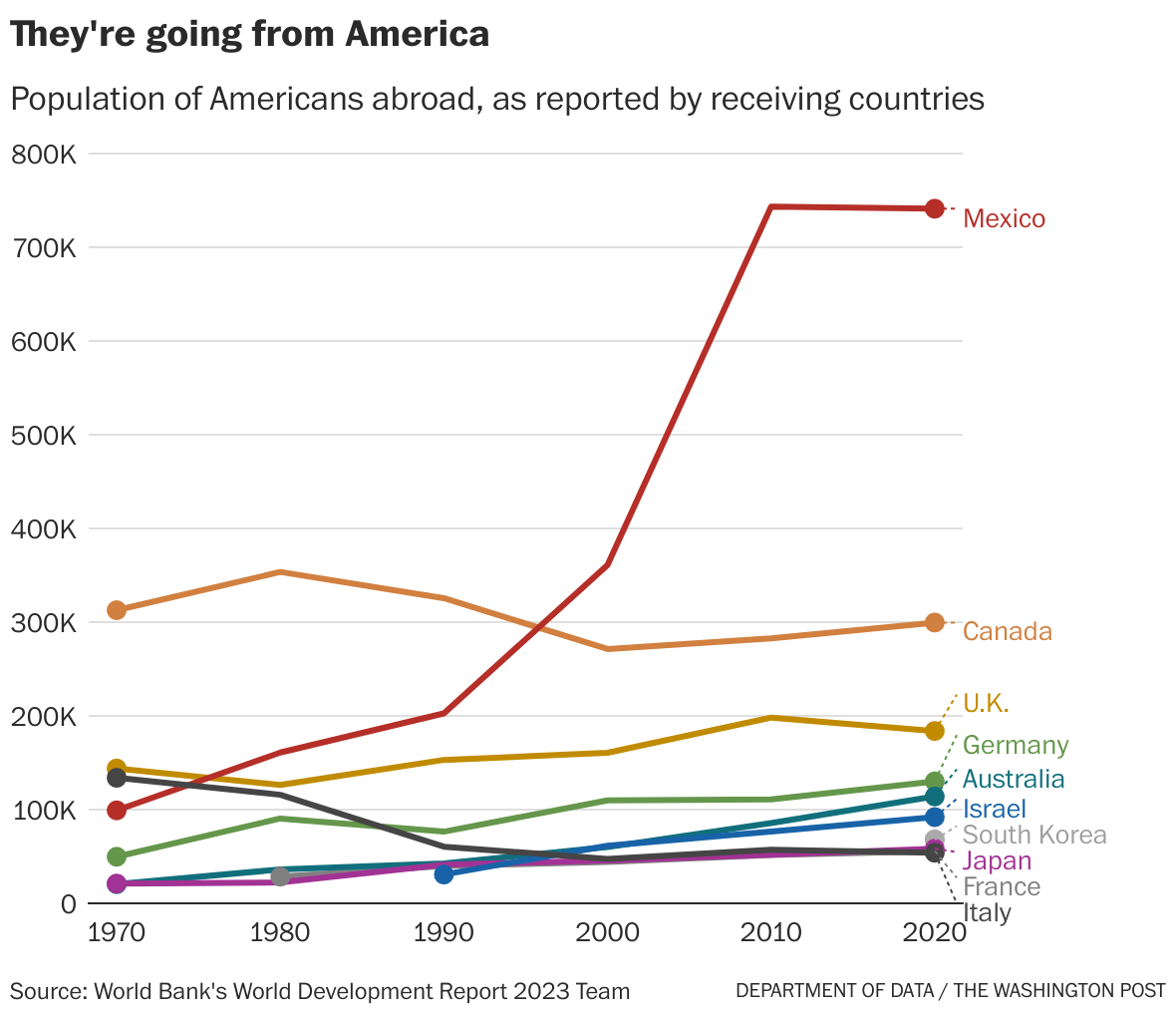
As of 2026, the data suggests that Americans are moving abroad at higher rates than in previous decades. The motivations are varied but generally fall into three categories: economic necessity, lifestyle optimization, and remote work flexibility. With the cost of housing and healthcare remaining high in the United States, many find that their dollars stretch significantly further in Southern Europe, Latin America, or Southeast Asia.
Furthermore, the "Digital Nomad" phenomenon has matured. Most countries now offer specific visa tracks for remote workers, making it legally simpler to live abroad while maintaining a U.S.-based salary. This has lowered the barrier to entry for younger professionals who previously would have waited until retirement to move. However, moving abroad is not merely a long-term vacation; it is a permanent change in legal status that requires meticulous planning.
Navigating Visa and Residency Requirements
The first and most critical hurdle for any American moving out of the country is securing the legal right to stay in their destination. Standard tourist visas (such as those for the Schengen Area in Europe) typically limit stays to 90 days within a 180-day period. To live abroad permanently, you must apply for a specific residency visa.
Popular Visa Categories in 2026
- Digital Nomad Visas: These are designed for individuals who earn income from employers or clients located outside the host country. Countries like Spain, Portugal, Greece, and Mexico have well-established programs as of 2026 that offer a path to temporary residency.
- Passive Income/Retirement Visas: Often called "D7" visas in Portugal or "Rentista" visas in Latin America, these require proof of a stable monthly income from pensions, social security, or investments.
- Investment Visas (Golden Visas): While many European countries have scaled back these programs due to EU pressure, some still offer residency in exchange for significant real estate purchases or capital transfers.
- Work Permits: These require a local employer to sponsor your move, proving that a local citizen could not fill the position. This remains the most difficult path for most expats.
The Application Process
Applying for these visas usually begins at a consulate or embassy within the United States. You will typically need a background check from the FBI, notarized financial statements, and a medical certificate. In 2026, many of these processes have moved to digital portals, but the requirement for physical "apostilled" documents (international certification of a document's authenticity) remains a standard, often time-consuming step.
The Financial Reality: U.S. Tax Obligations Abroad
One of the most significant shocks for Americans moving out of the country is the realization that the United States is one of only two countries (the other being Eritrea) that practices citizenship-based taxation. Regardless of where you live in the world, if you hold a U.S. passport, you must file a tax return with the IRS every year.
Key Tax Forms and Requirements
- Form 1040: Your standard annual tax return, reporting worldwide income.
- Foreign Earned Income Exclusion (FEIE): This allows you to exclude a certain amount of your foreign earnings from U.S. tax (approximately $120,000+, adjusted for inflation in 2026), provided you meet the Physical Presence Test or the Bona Fide Residence Test.
- Foreign Tax Credit (FTC): If you pay taxes to a foreign government, you can often claim a credit against your U.S. tax liability to avoid double taxation.
- FBAR (FinCEN Form 114): If the total value of your foreign bank accounts exceeds $10,000 at any point during the year, you must report these accounts to the Treasury Department. Failure to do so carries draconian penalties.
- FATCA (Form 8938): Similar to the FBAR, this is an IRS requirement for reporting foreign financial assets above certain thresholds.
The "Exit Tax" Warning
For high-net-worth individuals (specifically "covered expatriates") who choose to renounce their U.S. citizenship to avoid these tax burdens, the IRS imposes an Expatriation Tax. This treats all your property as if it were sold for its fair market value on the day before you expatriated. It is vital to consult with a specialized cross-border tax CPA before making any permanent decisions regarding citizenship.
Banking and Managing Assets Overseas
In 2026, many foreign banks remain hesitant to accept American clients due to the administrative burden of FATCA reporting. This can make opening a local bank account difficult in countries like France or Switzerland.
Many expats maintain a U.S.-based "anchor" bank account and a brokerage account. However, you must notify your financial institutions of your move. Some U.S. brokerages will close accounts if they discover the owner is living abroad due to compliance complexities. Utilizing international-friendly banks like HSBC or specialized expat accounts through institutions like Charles Schwab (International) is often the safest strategy.
Healthcare and Insurance Logistics
The U.S. healthcare system is decoupled from most international systems. Medicare generally does not provide coverage outside the United States. Consequently, Americans moving abroad must secure alternative coverage.
- Private International Health Insurance: Companies like Cigna Global or Bupa provide comprehensive plans that cover you in your host country and often include limited emergency coverage in the U.S.
- National Healthcare Systems: In many European and some Latin American countries, residents can "pay into" the public healthcare system through social security taxes or a monthly fee. Quality of care varies, and wait times for elective procedures in public systems often lead expats to maintain a supplemental private policy.
- Medical Evacuation Insurance: For those moving to more remote or developing regions, this coverage ensures you can be flown to a high-standard medical facility in the event of a catastrophic injury.
Comparison of Top Expat Destinations for Americans in 2026
The following table compares popular destinations based on common criteria for U.S. citizens.
| Destination | Primary Visa Path | Cost of Living (vs. US) | Healthcare Quality | Tax Treaty with US? |
|---|---|---|---|---|
| Portugal | D7 or Digital Nomad | 30-40% Lower | High (Public/Private) | Yes |
| Mexico | Temporary Resident | 50-60% Lower | Varies (High in cities) | Yes |
| Spain | Digital Nomad / NLV | 25-35% Lower | Excellent | Yes |
| Costa Rica | Rentista / Pensionado | 20-30% Lower | Good | No (Limited) |
| Thailand | LTR or Education | 60-70% Lower | High (Private) | Yes |
| Germany | Freelance / Work | 10-20% Lower | Excellent | Yes |
Practical Steps for a Successful Move
A successful move requires a timeline of at least 6 to 12 months. Start by decluttering your life in the United States. Shipping a standard household's worth of goods overseas can cost between $5,000 and $15,000 in 2026 prices, leading many to sell their furniture and start fresh.
The Documentation Phase: Gather your birth certificates, marriage licenses, and university diplomas. You will likely need these translated and apostilled. In 2026, the wait time for an FBI background check is relatively short, but the apostille process at the Department of State can still take several weeks.
The Housing Phase: It is highly recommended to rent for the first 6 to 12 months in your new country. The neighborhood that looks great on social media might have noise issues, poor infrastructure, or a lack of community that only becomes apparent through daily living.
Social Security and Pensions: If you are retiring abroad, the U.S. Social Security Administration can deposit your checks directly into many foreign bank accounts. The U.S. has "Totalization Agreements" with over 30 countries to ensure you don't pay social security taxes to two countries on the same income and to help you qualify for benefits by combining credits from both systems.
Common Pitfalls to Avoid
- Ignoring State Taxes: Moving out of the country does not automatically sever your ties with your home state. "Sticky" states like California, New York, and Virginia may continue to claim you as a tax resident unless you take specific steps to change your domicile to a state with no income tax (like Florida or Texas) before moving abroad.
- Underestimating Culture Shock: The "honeymoon phase" usually lasts 3-6 months. After that, the frustration of not speaking the language fluently or navigating local bureaucracy can lead to "expat burnout."
- The FATCA/FBAR Trap: Many Americans think that if they don't owe tax to the IRS (because of exclusions), they don't need to file. This is a mistake. The penalties for failing to file the informational FBAR forms can be more expensive than the taxes themselves.
Frequently Asked Questions
Can I still vote if I live outside the U.S.?
Yes, U.S. citizens residing abroad retain the right to vote in federal elections. You must register to vote and request an absentee ballot through the Federal Voting Assistance Program (FVAP). Your voting residence is typically the last place you lived in the U.S. before moving abroad, regardless of whether you still own property there.
Will I lose my U.S. citizenship if I get residency elsewhere?
No. Obtaining a residency permit or even permanent residency in another country has no impact on your U.S. citizenship. Even if you become a naturalized citizen of another country (dual citizenship), the U.S. generally allows you to keep your U.S. passport. You only lose citizenship if you formally renounce it at a U.S. embassy and pay the associated fees.
What happens to my 401(k) or IRA when I move?
You can generally leave your retirement accounts in the U.S. and continue to manage them. However, you cannot contribute to them unless you have "earned income" that is not excluded by the Foreign Earned Income Exclusion. Distributions from these accounts are usually taxable by the U.S., though tax treaties may dictate which country has the primary right to tax the income.
Is it difficult to bring pets when moving out of the country?
It depends on the destination. Most countries require a microchip, a rabies vaccination, and a health certificate signed by a USDA-accredited veterinarian within 10 days of travel. Some "rabies-free" jurisdictions, like Japan or New Zealand, have much stricter quarantine requirements that can take months of preparation.
How do I handle my cell phone number?
Many expats port their U.S. number to a VOIP service like Google Voice or specialized providers. This allows you to receive 2FA (two-factor authentication) codes for banking, which is essential because many U.S. banks will not send codes to international phone numbers.
Next Steps for Prospective Expats
If you are serious about moving out of the country in 2026, your immediate next action should be to consult with a cross-border tax professional. Understanding your future tax liability will dictate your budget and your choice of destination. Once the financial path is clear, begin the process of obtaining an FBI background check and researching the specific visa requirements for your top three destination countries.
Disclaimer: This article provides general information and does not constitute legal, financial, or tax advice. Laws regarding immigration and taxation are subject to change; always consult with qualified professionals regarding your specific situation.