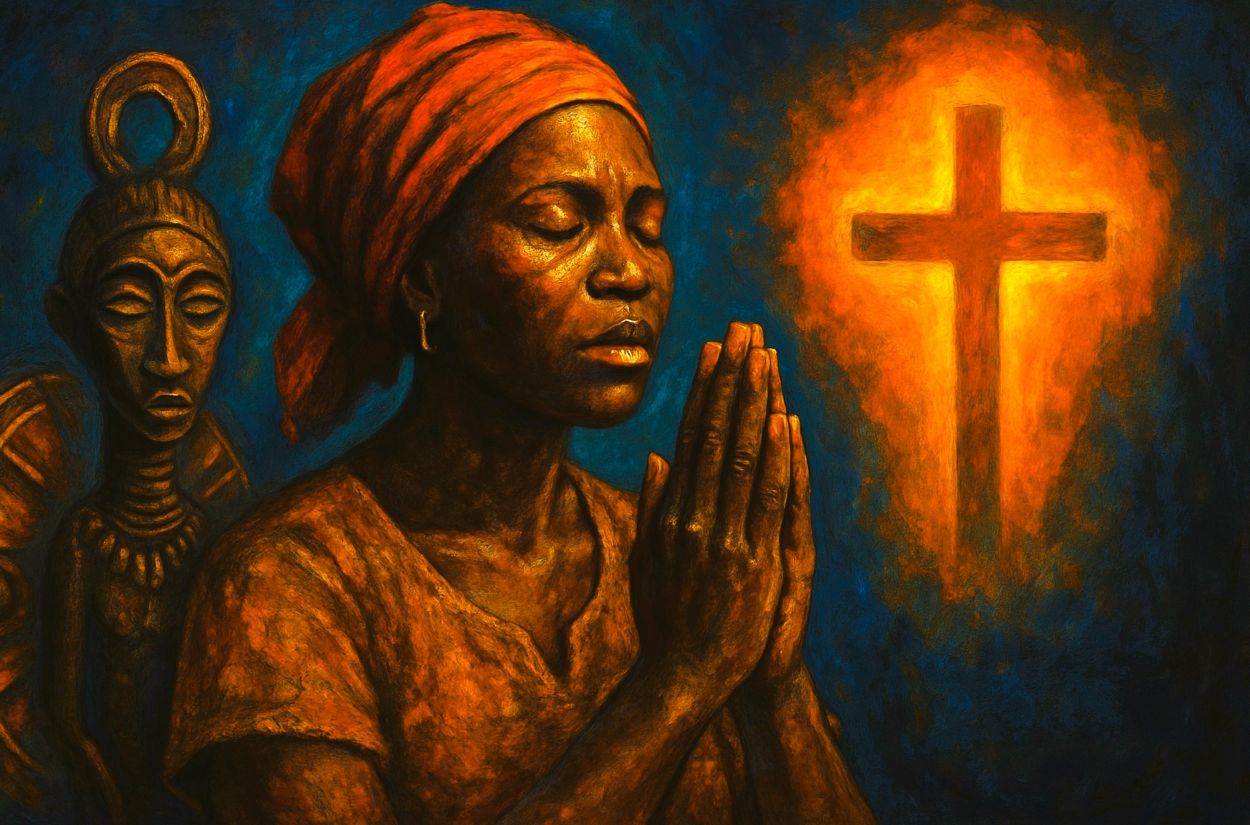
American Christian religions encompass a diverse spectrum of beliefs and organizational structures, categorized primarily into Protestantism, Catholicism, and Eastern Orthodoxy. While these traditions share a foundation in the life and teachings of Jesus Christ, they differ significantly in their interpretations of scripture, ecclesiastical authority, liturgical practices, and social engagement within the United States.
The Landscape of Christianity in the United States
As of 2026, the American religious landscape remains a complex tapestry shaped by centuries of immigration, social reform, and internal schism. While the number of Americans identifying as "religiously unaffiliated" (often called "nones") has stabilized, Christianity continues to be the majority faith, represented by thousands of distinct denominations and independent congregations.
To understand American Christian religions, one must look beyond the simple label of "Christian" and examine the specific traditions that define the American experience. These are generally grouped into four major "families": Protestantism (further divided into Evangelical, Mainline, and Historically Black churches), Catholicism, Eastern/Oriental Orthodoxy, and Restorationist movements.
Each of these traditions provides a different answer to fundamental questions: Who holds the ultimate authority? How is a person saved? What is the role of the church in the modern world? In the sections that follow, we will explore the specific characteristics, histories, and current statuses of these groups.
The Protestant Tradition: A Tripartite Reality
Protestantism is the largest segment of American Christianity. However, it is not a monolithic block. In the American context, historians and sociologists typically divide Protestants into three distinct sub-groups based on their theology, culture, and social history.
1. Evangelical Protestantism
Evangelicalism is characterized by a high view of Biblical authority (often citing biblical inerrancy), an emphasis on the "born again" experience of personal conversion, and a mandate for evangelism (sharing the faith).
In 2026, Evangelicalism remains a potent force, though it has seen a shift toward non-denominationalism. Many believers now attend large, independent megachurches rather than traditional denominational affiliates. Key denominations within this group include the Southern Baptist Convention (SBC), the Assemblies of God, and the Presbyterian Church in America (PCA). These groups often hold more conservative views on social issues and emphasize individual spiritual growth and community support.
2. Mainline Protestantism
Mainline Protestant denominations were once the dominant cultural and social institutions in the United States. These churches generally take a more liberal or "progressive" approach to scripture and social issues. They emphasize social justice, community service, and ecumenical cooperation (working with other faiths).
Commonly referred to as the "Seven Sisters of American Protestantism," these include:
- The United Methodist Church (UMC)
- The Evangelical Lutheran Church in America (ELCA)
- The Episcopal Church
- The Presbyterian Church (USA)
- The American Baptist Churches USA
- The United Church of Christ (UCC)
- The Christian Church (Disciples of Christ)
By 2026, these denominations have faced significant demographic challenges, but they remain influential in urban centers and in the spheres of higher education and social advocacy.
3. Historically Black Protestant Churches
The Black Church in America is a unique category born out of the necessity for spiritual and physical liberation during the eras of slavery and Jim Crow. These churches have historically served as the bedrock of African American community life, providing a platform for political organization and civil rights advocacy.
Key denominations include the African Methodist Episcopal (AME) Church, the National Baptist Convention, USA, Inc., and the Church of God in Christ (COGIC). Their worship styles often emphasize emotive preaching and gospel music, and their theology frequently highlights the theme of liberation.
The Roman Catholic Church in America
The Roman Catholic Church is the largest single Christian denomination in the United States. Unlike the decentralized Protestant groups, the Catholic Church operates under a unified global hierarchy headed by the Pope in Rome.
In the U.S., the United States Conference of Catholic Bishops (USCCB) coordinates the church's activities. American Catholicism is characterized by its liturgical tradition—the Mass—and its extensive network of social services, including hospitals, universities, and charities (such as Catholic Charities USA).
As of 2026, the demographics of American Catholicism are shifting. While traditional strongholds in the Northeast and Midwest remain, the growth of the church is increasingly driven by Hispanic and Latino communities in the South and West. This "browning" of the American Catholic Church has brought new vibrant traditions, languages, and cultural priorities to the forefront of parish life.
Eastern and Oriental Orthodoxy
Though smaller in number compared to Protestants and Catholics, the Orthodox traditions represent an ancient and growing presence in the U.S. These churches trace their lineage back to the earliest Christian communities in the Eastern Mediterranean, Eastern Europe, and Africa.
- Eastern Orthodoxy: Includes the Greek Orthodox Archdiocese of America and the Orthodox Church in America (OCA). They are known for their ornate icons, ancient liturgies (primarily the Liturgy of St. John Chrysostom), and an emphasis on "theosis" (the process of becoming like God).
- Oriental Orthodoxy: Includes the Coptic Orthodox Church, the Armenian Apostolic Church, and the Ethiopian Orthodox Tewahedo Church. These churches diverged from the broader body of Christianity in the 5th century and maintain distinct theological and liturgical traditions.
In 2026, these churches continue to attract "converts" from other Christian backgrounds who are drawn to the perceived stability and historical depth of Orthodox theology and practice.
Restorationist and Nontrinitarian Movements
Several significant religious movements originated in the United States during the 19th century, often referred to as the "Great Awakenings." These groups sought to "restore" the original New Testament church, often adding new scriptures or unique doctrinal interpretations.
The Church of Jesus Christ of Latter-day Saints (LDS)
Commonly known as the Mormons, the LDS Church is a major American-born religion headquartered in Salt Lake City, Utah. They believe in the Bible but also the Book of Mormon, which they view as another testament of Jesus Christ. Their focus on family, lay ministry, and missionary work has led to significant global and domestic growth.
Jehovah’s Witnesses
Known for their door-to-door ministry, Jehovah's Witnesses believe in a strictly monotheistic view of God (Jehovah) and reject the traditional doctrine of the Trinity. They are organized through the Watch Tower Bible and Tract Society and are distinct for their refusal to participate in political or military affairs.
Seventh-day Adventists
This group is known for its emphasis on the imminent second coming of Jesus and the observance of the Sabbath on Saturday rather than Sunday. They are also widely recognized for their contributions to healthcare and their promotion of a "healthy lifestyle" (often including vegetarianism).
Comparing American Christian Traditions
The following table highlights the key differences in authority, belief, and practice among the major American Christian groups as they stand in 2026.
| Tradition | Primary Authority | View of Salvation | Typical Worship Style |
|---|---|---|---|
| Catholicism | Scripture, Sacred Tradition, & the Magisterium (Pope/Bishops) | Grace through Faith, Sacraments, and Works | Formal Liturgy (The Mass) |
| Evangelical Protestant | Scripture alone (Sola Scriptura) | Personal conversion ("Born Again") through faith | Informal; Contemporary Music; Preaching-heavy |
| Mainline Protestant | Scripture, Reason, and Tradition | Faith-based; emphasis on social transformation | Traditional Hymns; Formal Liturgy; Moderate Preaching |
| Eastern Orthodoxy | Holy Tradition (Scripture, Councils, Fathers) | Theosis (Union with God) | Highly Ritualized; Use of Icons; Incense |
| LDS (Mormonism) | Bible, Book of Mormon, & Modern Prophets | Faith, Repentance, and Covenants (Ordinances) | Structured; Lay-led; Family-centric |
Current Trends and the "Post-Denominational" Era
By 2026, a significant trend in American Christian religions is the rise of the "Post-Denominational" identity. Many younger Christians feel less loyalty to specific denominational brands (like "Methodist" or "Baptist") and instead seek out local congregations based on the quality of the community, the style of worship, or the church's stance on specific social issues.
This has led to the proliferation of non-denominational churches. These congregations often function as autonomous entities, though many join informal networks for the sake of resource-sharing and mission work. While this provides flexibility, it also means that the oversight and accountability structures found in traditional denominations are sometimes replaced by more charismatic, individual leadership.
Furthermore, the "Great Dechurching"—a period where many Americans have stopped attending services regularly—has forced churches of all stripes to innovate. In 2026, digital ministry (hybrid services combining in-person and online participation) is no longer a novelty but a requirement for survival.
Social and Political Influence
Christianity remains a significant factor in American public life. However, the influence is bifurcated. Conservative Christians (largely Evangelical and some Catholics) often focus on issues of religious liberty, the protection of the unborn, and traditional family structures. Progressive Christians (largely Mainline and some Black Church traditions) focus on systemic racism, environmental stewardship, and economic inequality.
This internal diversity means that there is no "Christian vote" or single "Christian perspective" on American policy. Instead, Christian denominations often find themselves on opposite sides of the nation's most pressing debates, reflecting the broader polarization of the country.
Frequently Asked Questions
What is the difference between Evangelical and Mainline Protestants?
The primary difference lies in their approach to the Bible and social issues. Evangelicals generally believe the Bible is the inerrant Word of God and emphasize personal conversion. Mainline Protestants tend to view the Bible as a historical and metaphorical text that requires modern interpretation, often prioritizing social justice and inclusivity over doctrinal strictness.
Is the Roman Catholic Church the largest denomination in the U.S.?
Yes. While there are more Protestants in total, they are split among hundreds of different denominations. The Roman Catholic Church remains the largest single organized religious body in the United States, with a presence in almost every county in the nation.
Why are there so many different Christian denominations in America?
This is largely due to the U.S. history of religious freedom and the "marketplace of religion." Without a state-sponsored church, groups were free to splinter over theological disagreements, cultural differences, or social issues (such as the split of many denominations over slavery in the 19th century).
What are non-denominational churches?
Non-denominational churches are independent congregations that choose not to align with a traditional denominational hierarchy (like the Southern Baptists or United Methodists). They often have Evangelical theological leanings but prioritize local autonomy in their governance and worship styles.
Are Eastern Orthodox churches the same as Catholic churches?
No. While they share a similar ancient history and a liturgical style of worship, they have been administratively separate since the Great Schism of 1054. The Orthodox do not recognize the supreme authority of the Pope, and there are subtle but important theological differences regarding the Holy Spirit and the nature of original sin.
How has immigration affected American Christianity?
Immigration has been a primary driver of religious vitality. For example, the growth of the Catholic Church is heavily influenced by arrivals from Latin America and the Philippines. Similarly, many "Historically Black" or "Evangelical" congregations are now being bolstered by immigrants from Nigeria, Ghana, and South Korea, leading to a more multi-ethnic religious landscape in 2026.
Choosing a Path: How to Research Local Congregations
If you are looking to engage with an American Christian religion, the best approach is to research the specific "family" of churches that aligns with your theological and social values.
- Define Your Priorities: Do you prefer a formal, ancient liturgy (Catholic or Orthodox) or a contemporary, music-driven service (Evangelical/Non-denominational)?
- Examine the Doctrine: Look at the "Statement of Faith" on a church’s website. This will tell you their views on the Bible, the nature of God, and human salvation.
- Consider the Community: Many people choose a church based on the "fruit" of the ministry—how they treat the poor, their programs for children, and how they foster community among members.
- Visit in Person: Most American churches are welcoming to visitors. Attending a service is the most effective way to understand the "culture" of a specific denomination or local body.
Understanding the landscape of American Christian religions is not just an academic exercise; it is a way to understand the foundational values that continue to drive millions of people and shape the cultural identity of the United States in 2026.