American animated series refer to episodic television and streaming content produced in the United States, spanning a vast range of demographics from preschool education to mature adult satire. In 2026, these series are primarily distributed through major streaming platforms such as Disney+, Netflix, and Max, utilizing diverse visual styles—including 2D, 3D, and hybrid animation—to deliver complex narratives to a global audience.
The landscape of American animation has undergone a radical transformation over the last century. What began as short-form theatrical comedy has evolved into a multi-billion dollar industry that rivals live-action cinema in cultural impact and technical sophistication. For viewers in 2026, navigating this landscape requires an understanding of the various genres, the technology behind the screen, and the shifting availability of content across competing digital platforms.
The Evolution of the American Animated Series
The journey of American animation on television is often categorized into distinct eras. Understanding these periods helps clarify why modern series look and feel the way they do today.
The Golden Age and the Transition to Television
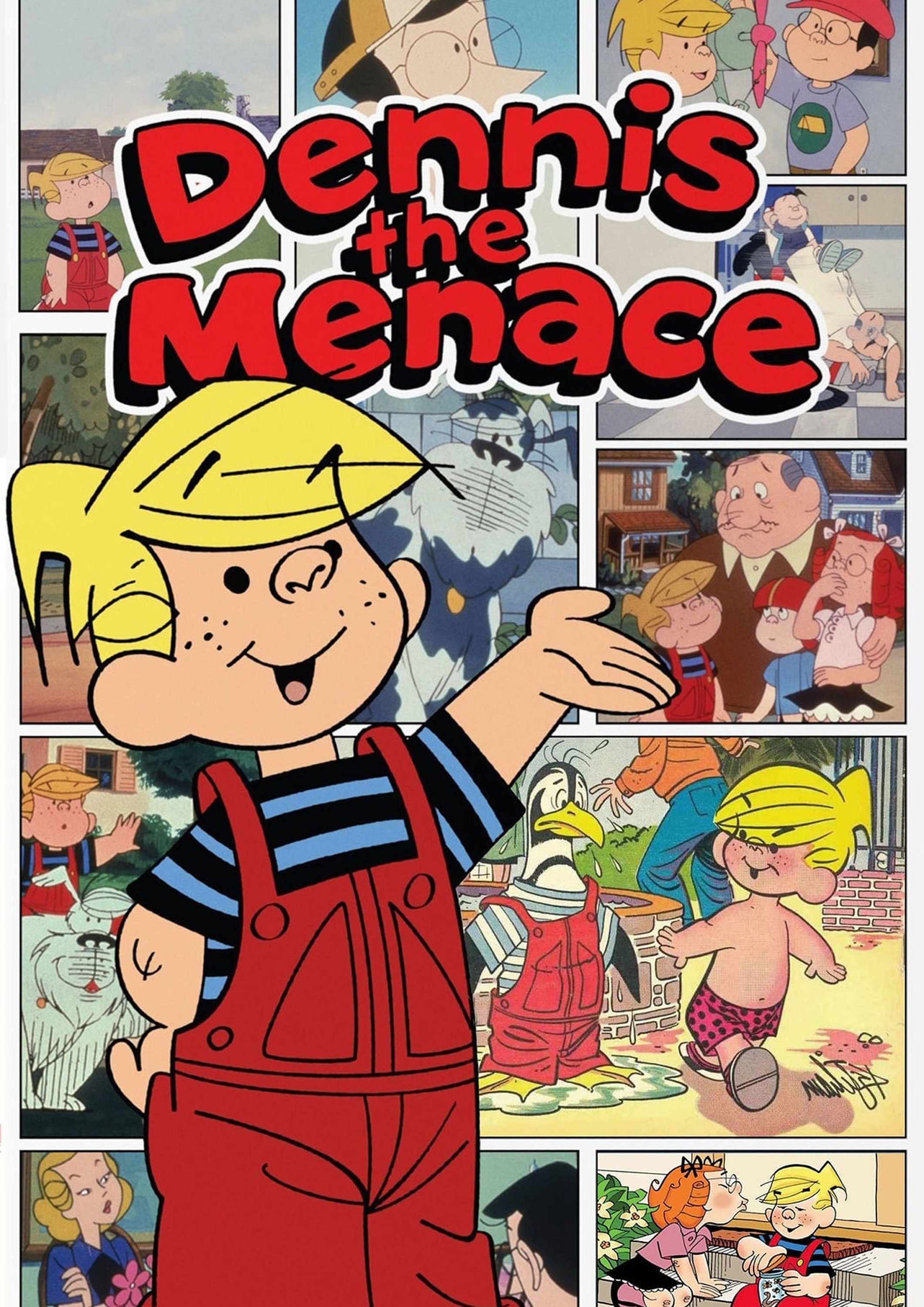
In the mid-20th century, animation moved from movie theaters to living rooms. Studios like Hanna-Barbera pioneered "limited animation" techniques to cope with the lower budgets of television compared to theatrical shorts. Shows like The Flintstones (1960) proved that animation could work in a prime-time sitcom format, while Saturday morning cartoons became a cultural staple for children throughout the 1970s and 1980s.
The Second Renaissance (1990s)
The 1990s marked a pivotal shift toward "creator-driven" content. Networks like Nickelodeon and Cartoon Network allowed artists more creative control, leading to idiosyncratic hits like The Ren & Stimpy Show and Dexter’s Laboratory. Concurrently, The Simpsons revolutionized the medium by proving that adult-oriented animated sitcoms could achieve massive commercial success and longevity.
The Streaming Revolution (2010s to 2026)
By 2026, the traditional "Saturday morning" model is entirely obsolete. The rise of Subscription Video on Demand (SVOD) services has removed the constraints of time slots and broadcast standards. This freedom has birthed "prestige animation"—series with high production values, serialized storytelling, and themes that appeal to all ages. Shows like Arcane and Blue Eye Samurai have set new benchmarks for visual fidelity and narrative depth, blurring the lines between "cartoons" and cinematic art.
Defining Major Genres and Demographics
To understand the breadth of American animated series in 2026, one must categorize them by their intended audience and narrative goals.
Preschool and Educational Series
This segment focuses on developmental milestones, social-emotional learning, and basic academics. While historically seen as simple, modern preschool series utilize advanced 3D modeling and psychological research to engage toddlers. Franchises like Cocomelon and Paw Patrol dominate this space, often accompanied by massive merchandising ecosystems.
Family and "All-Ages" Programming
The hallmark of modern American animation is the "all-ages" series. These shows are designed with "dual-addressing" in mind—providing slapstick or adventure for children while offering complex lore and emotional resonance for adults. Series such as Gravity Falls and The Owl House established a template for this, featuring mystery-solving and character growth that keeps multiple generations engaged.
Adult Animation
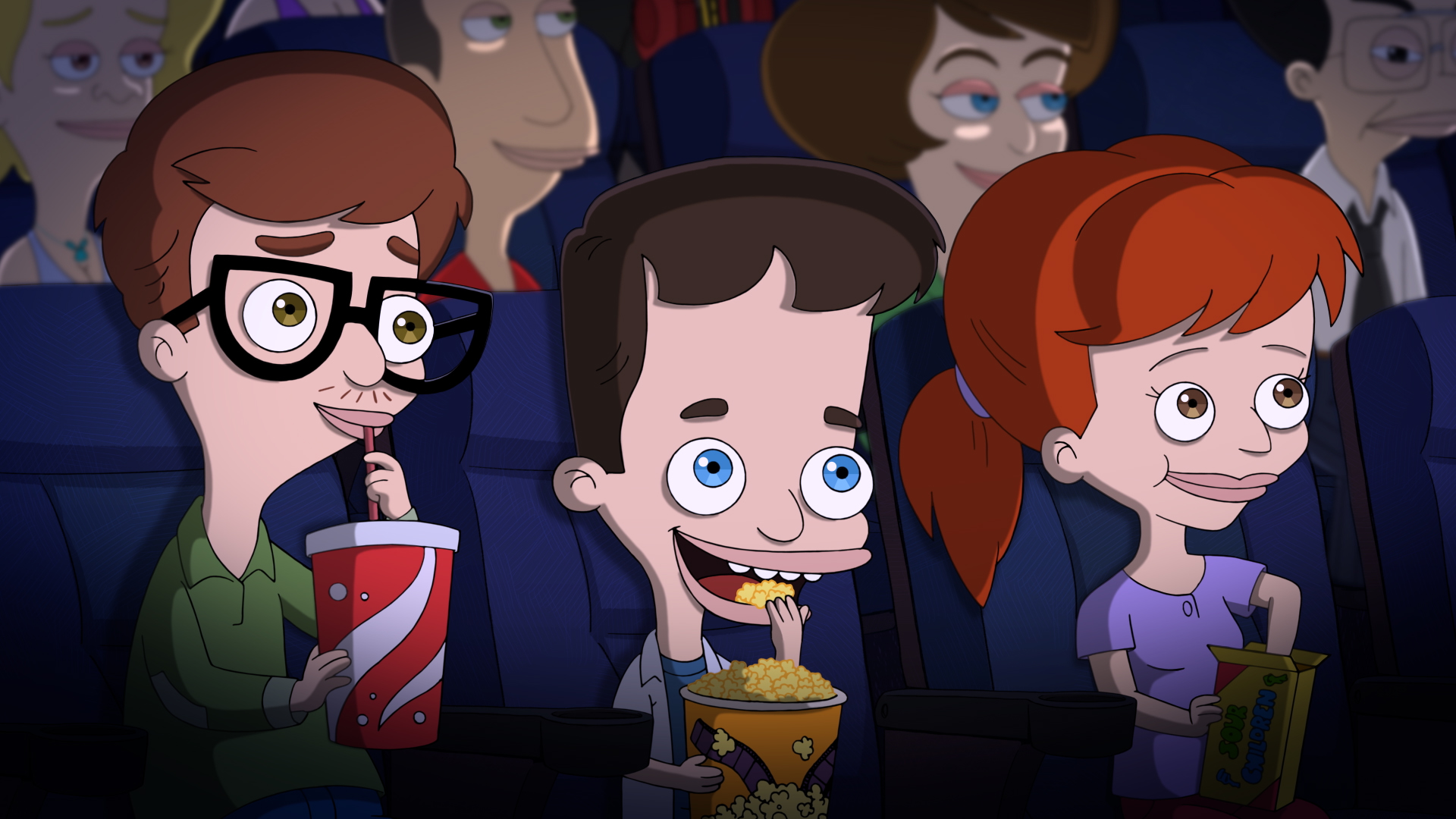
No longer confined to the "family sitcom" trope of the early 2000s, adult animation in 2026 is incredibly diverse. It is currently divided into three main sub-categories:
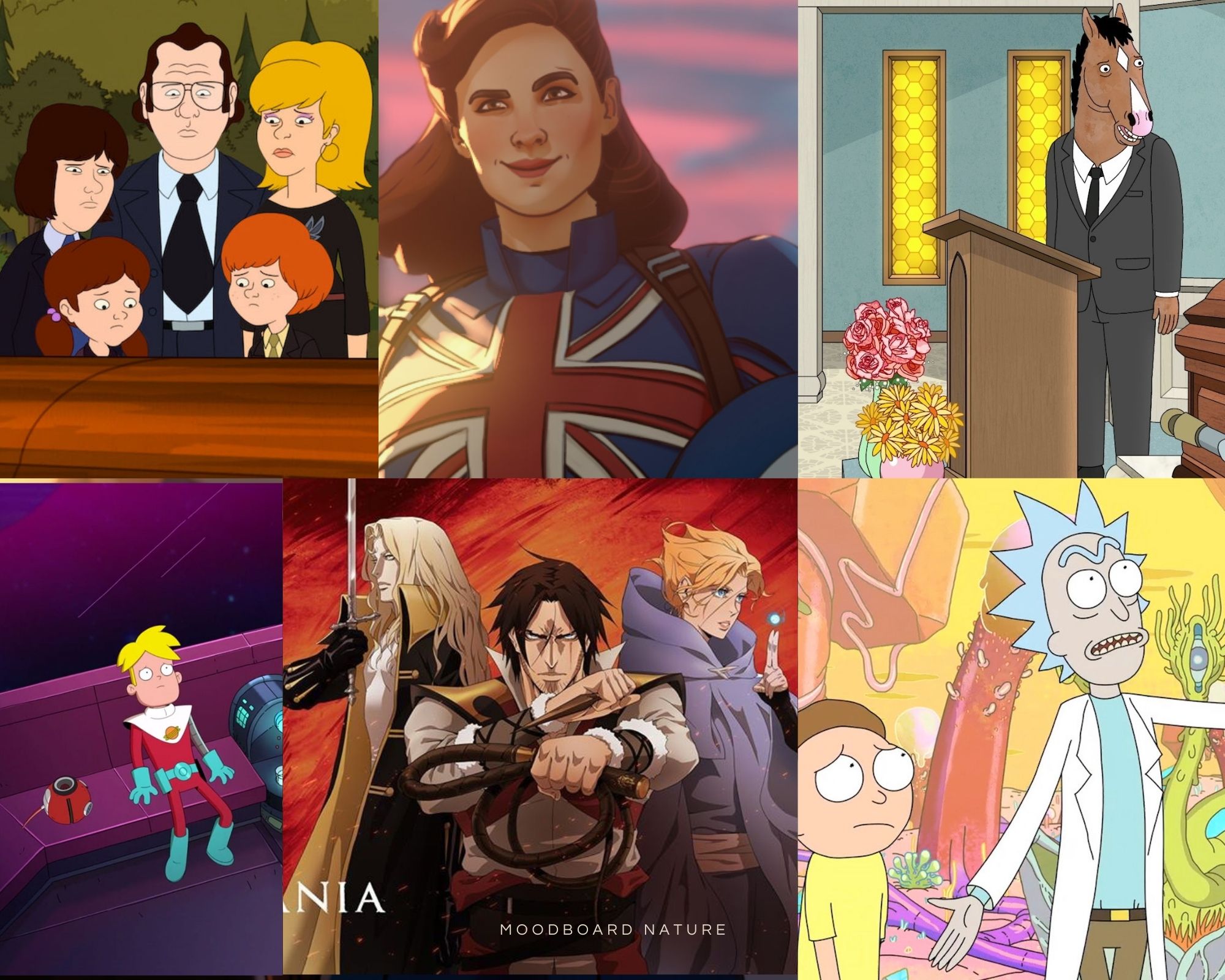
- Adult Comedy: Fast-paced, satirical, and often cynical (e.g., Rick and Morty, South Park).
- Action/Drama: Serious narratives with high stakes, often adapted from comic books or video games (e.g., Invincible, Castlevania).
- Experimental/Indie: Short-form or stylistically unique projects often found on platforms like Adult Swim or Netflix’s Love, Death & Robots.
The Production Pipeline: How Series are Made in 2026
The production of an American animated series is a global endeavor involving hundreds of artists and several years of development.
- Pre-Production: This stage involves writing scripts, designing characters, and creating "storyboards." In 2026, many studios use VR-based storyboarding tools to visualize 3D environments early in the process.
- Voice Acting: Unlike live-action, dialogue is typically recorded before the animation begins. This allows animators to sync character mouth movements (lip-sync) to the actor’s performance.
- Animation/Production: While the creative direction remains in the U.S. (hubs like Los Angeles, New York, and Austin), much of the technical "in-betweening" and rendering is often outsourced to specialized studios in Canada, South Korea, or Ireland.
- Post-Production: This includes adding sound effects (Foley), the musical score, and final color grading. In 2026, AI-assisted rendering has significantly reduced the time required for complex lighting and texture passes in 3D series.
Distribution Platforms: The 2026 Landscape
The primary way viewers access American animated series today is through streaming services. Each platform has carved out a specific niche within the animation industry.
Disney+ (The Legacy Leader)
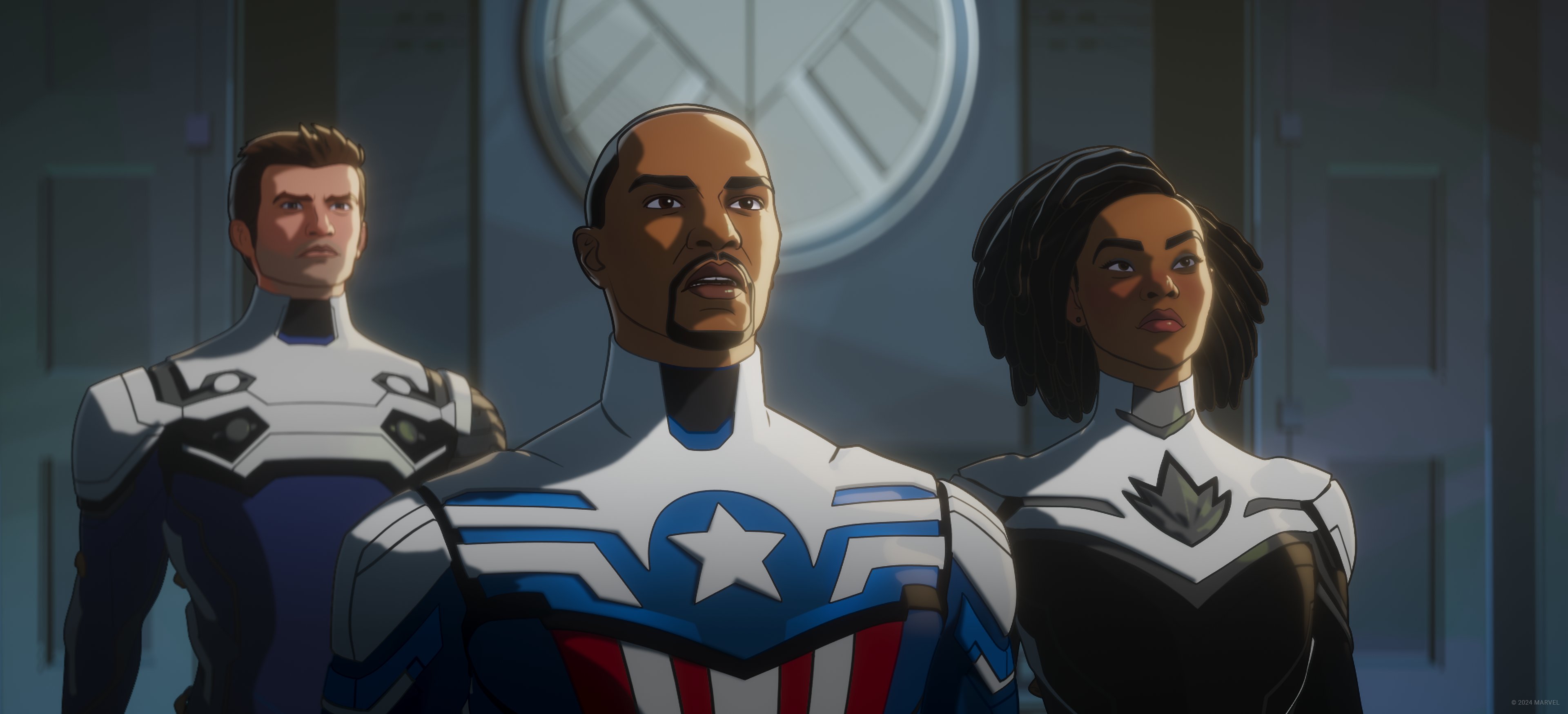
Disney+ remains the home of the most recognizable franchises, including the entire libraries of Disney Television Animation, Pixar, Marvel, and Star Wars. In 2026, their focus is on expanding cinematic universes through animated spin-offs that are considered "canon" to their live-action counterparts.
Netflix (The Global Experimentalist)
Netflix has become the premier destination for diverse, international-facing American animation. They have invested heavily in high-end adult dramas and "limited series" that might not fit the multi-season requirements of traditional television.
Max (The Home of Classics and Adult Swim)
Under the Warner Bros. Discovery umbrella, Max (formerly HBO Max) holds the massive library of Looney Tunes, Hanna-Barbera, and DC Comics. It also serves as the streaming home for Adult Swim, the primary brand for subversive and alternative adult animation in the United States.
Comparison of Major Animation Platforms (2026 Status)
| Platform | Primary Strength | Key Franchises | 2026 Pricing (Est. Monthly) |
|---|---|---|---|
| Disney+ | Family, Marvel, Star Wars | The Simpsons, What If...? | $15.99 (Ad-Free) |
| Netflix | Adult Drama, Indie, Anime-Style | Arcane, Love, Death & Robots | $17.49 (Standard) |
| Max | DC Universe, Adult Swim, Looney Tunes | Harley Quinn, Rick and Morty | $16.99 (Ad-Free) |
| Paramount+ | Nickelodeon, Star Trek | SpongeBob, Star Trek: Lower Decks | $12.99 (with Showtime) |
| Apple TV+ | High-Quality All-Ages Films/Series | Snoopy in Space, Central Park | $9.99 |
Emerging Trends in American Animation
As of 2026, several key trends are defining the future of the medium:
- Video Game Adaptations: Following the massive success of Arcane and The Last of Us (live-action), studios are increasingly looking to gaming IP for animated series. The visual language of games translates naturally to animation, allowing for faithful and expansive world-building.
- The "Spider-Verse" Effect: Series are moving away from the "smooth" look of traditional CGI toward more stylized, painterly aesthetics that mimic 2D art, comic books, or stop-motion.
- Global Collaborations: American showrunners are frequently collaborating with Japanese anime studios (MAPPA, Wit Studio) or French studios (Fortiche) to create hybrid styles that appeal to a globalized fan base.
- Interactive Narrative: Some platforms are experimenting with "choose-your-own-adventure" animated specials, leveraging streaming technology to allow viewers to influence the plot in real-time.
Accessibility and Parental Controls
With the sheer volume of content available in 2026, managing access is a priority for households. Most American animated series are rated by the TV Parental Guidelines Monitoring Board.
- TV-Y / TV-Y7: Designed for all children; TV-Y7 may contain mild fantasy violence.
- TV-G / TV-PG: General audience or parental guidance suggested. Often contains "all-ages" content with some thematic complexity.
- TV-14: May contain strong language, suggestive themes, or intense violence. Many modern action series fall into this category.
- TV-MA: Specifically for mature audiences. These series (like South Park or Hazbin Hotel) are not intended for children and often require PIN-protected profiles on streaming services.
Frequently Asked Questions
Which American animated series has the longest runtime?
As of 2026, The Simpsons remains the longest-running American animated series and scripted prime-time show in history. Having premiered in 1989, it has surpassed 800 episodes, continuing to air new seasons on Fox and streaming on Disney+.
Why are some American series called "Anime"?
While "Anime" technically refers to animation produced in Japan, many American series (like Avatar: The Last Airbender or Castlevania) adopt the visual tropes, pacing, and serious tone associated with Japanese animation. In the industry, these are often referred to as "anime-influenced" or "western anime."
How much does it cost to produce a single episode?
Production costs vary wildly. A standard 11-minute segment for a children's show might cost $250,000 to $500,000, while high-end "prestige" adult animation like Arcane can cost upwards of $5 million to $10 million per episode due to the complexity of the assets and the length of the production cycle.
Are Saturday morning cartoons still a thing?
No. The traditional "Saturday morning" block on broadcast networks effectively ended in 2014 when the last major network (The CW) replaced its animation block with live-action educational programming. In 2026, children's animation is consumed on-demand via streaming or through dedicated 24/7 cable channels like Cartoon Network and Nickelodeon.
Is AI being used to make animated series in 2026?
AI is primarily used as a tool for efficiency—such as automating "in-betweening," cleaning up line work, or managing large-scale crowd simulations. However, due to copyright regulations and union agreements (including those from the Animation Guild), the core creative work of writing, character design, and lead animation remains human-driven.
Next Steps for Viewers
To get the most out of American animated series in 2026, start by identifying your preferred genre. If you enjoy deep lore and serialized storytelling, look for "Prestige All-Ages" shows on Disney+ or Netflix. For those seeking sophisticated comedy or intense action, explore the "Adult Animation" sections of Max. Always check the content ratings—especially on platforms like Netflix where adult and children's content sit side-by-side—and utilize built-in "Watchlists" to keep track of new season premieres, as the streaming landscape moves quickly.