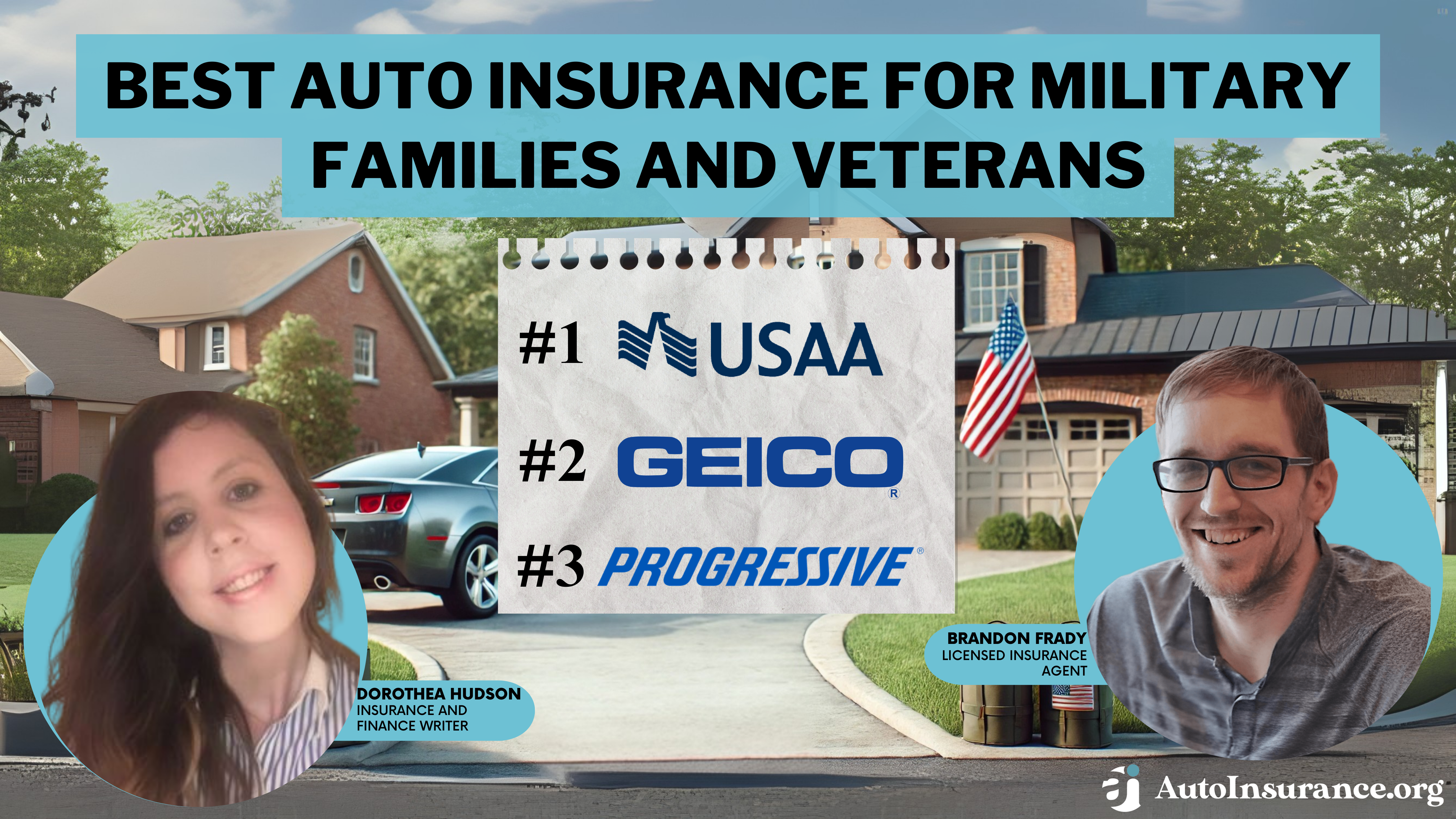
Finding auto insurance as a veteran often involves navigating specific carrier programs and regional offerings, such as those provided under the AMCO Insurance brand. AMCO, a subsidiary of Allied Insurance which was acquired by Nationwide Mutual Insurance Company, operates primarily as a regional provider. Veterans and service members seeking coverage through AMCO should understand how these policies are structured, their eligibility requirements, and how the transition to Nationwide-branded products affects their long-term coverage options.
Because AMCO operates under the broader Nationwide umbrella, "AMCO auto insurance for veterans" generally refers to policies issued by this entity that may offer specific discounts or eligibility considerations for military personnel. While AMCO itself does not operate a standalone, nationwide veterans-only insurance program, policyholders often gain access to the collective benefits, bundling options, and military-specific underwriting guidelines maintained by the parent organization.
Navigating AMCO’s Relationship with Nationwide
To understand the current state of AMCO auto insurance for veterans in 2026, one must first recognize the corporate structure. AMCO Insurance Company is a member of the Nationwide group of companies. For many years, Nationwide has used various subsidiary brands like AMCO to offer localized service in specific geographic regions.
When you apply for an auto insurance policy through an agent representing AMCO, you are entering into a contract backed by the financial strength of the Nationwide group. This is a critical distinction for veterans because it means that while your policy documents might bear the AMCO name, your claims handling, customer service, and access to military-specific discounts are often integrated into the wider Nationwide infrastructure. If you are a veteran searching for "AMCO," it is highly likely that your local agent will evaluate your needs using Nationwide’s comprehensive suite of military-friendly products.
Evaluating Eligibility and Military Discounts
Auto insurance carriers typically provide discounts to veterans, active-duty personnel, and sometimes family members, based on specific risk-mitigation factors. When you inquire about coverage, you should specifically ask your agent about how your military status impacts your premium.
Common Military-Related Insurance Benefits
Most providers in the Nationwide family—including those under the AMCO label—recognize the unique lifestyle of military families. Benefits often include:
- Deployment Discounts: If you are a member of the National Guard or Reserves and are called to active duty, some policies allow for significant premium reductions while the vehicle is in storage.
- Garaging Flexibility: If you are stationed overseas and your vehicle is stored at a primary residence in the United States, you may qualify for a "storage" policy, which maintains continuous coverage while significantly reducing the cost by removing liability and collision components.
- Multi-Policy Bundling: Veterans who bundle home or renters insurance with their auto policy often receive a multi-policy discount. This is one of the most effective ways to lower your total insurance expenditure.
- Safe Driver Programs: Military personnel are often viewed favorably by underwriters due to the emphasis on discipline and safety. Maintaining a clean driving record remains the most impactful factor in lowering your premiums, regardless of your service status.
Steps to Securing an Auto Insurance Policy
If you are a veteran looking to secure a policy through an agent who writes for AMCO or similar Nationwide subsidiaries, the process requires gathering specific documentation to ensure you receive all applicable credits.
1. Preparation of Records
Before contacting an agent, prepare your vehicle identification number (VIN), current mileage, and information regarding your military history. While you do not always need to provide a DD-214 for basic enrollment, having your service dates available can help the agent confirm if you qualify for affinity group discounts.
2. Assessing Coverage Needs
Do not focus solely on the premium cost. Veterans should evaluate their coverage limits based on their assets. If you have significant savings or home equity, consider higher liability limits than your state’s minimum requirement to protect your financial future.
3. Requesting a Comparative Quote
Ask your agent to compare the AMCO/Nationwide offering against other options they represent. Because insurance regulations vary by state, the "best" policy for a veteran in Iowa may differ significantly from one in North Carolina. Ensure the agent is explicitly reviewing your eligibility for military-specific rate adjustments.
4. Continuous Coverage Maintenance
One of the most common mistakes veterans make is allowing a lapse in coverage, particularly during permanent change of station (PCS) moves. A lapse in insurance can lead to higher premiums later. Communicate your PCS timeline to your agent early to ensure your coverage is active and accurate for your new location.
Comparing Insurance Options for Veterans
When selecting an auto insurance provider, it is helpful to compare how regional subsidiaries like AMCO stack up against national carriers or military-specific providers like USAA.
| Feature | Regional/Subsidiary (e.g., AMCO) | National/Direct Providers | Military-Focused Providers |
|---|---|---|---|
| Personalized Service | High (Local Agent) | Moderate (Call Centers) | High (Specialized) |
| Regional Expertise | Exceptional | General | Varies |
| Military Focus | Secondary | Standardized | Primary |
| Bundling Potential | Strong | Extensive | Moderate |
For veterans who value a local agent relationship, the AMCO/Nationwide model is often superior to large direct-to-consumer insurers. You gain the advantage of an advocate who understands the local regulatory environment while maintaining the backing of a major national carrier.
Common Pitfalls for Veterans Seeking Coverage
Transitioning into civilian life or moving between duty stations often introduces complexity into your insurance file. Being aware of the following issues can save you money and protect you from coverage gaps.
Overlooking the "Garaged At" Address
Your insurance premium is heavily dependent on the zip code where the vehicle is primarily garaged. If you are a veteran living in a rural area but commuting to an urban center, ensure your policy reflects your primary residence. Incorrect garaging information can lead to denied claims or policy cancellation.
Assuming All Discounts Apply Automatically
Discounts are rarely applied automatically. You must confirm that your agent has coded your account for any military or veteran-related affiliations. It is your responsibility to verify the "Declarations Page" of your policy to ensure all promised discounts are reflected.
Failing to Update Drivers
If your children are now at driving age or if other veterans share your vehicle, ensure they are listed on the policy. Excluding frequent drivers can result in a denial of coverage in the event of an accident.
Troubleshooting Insurance Issues
If you encounter difficulties during your application or during a claims process, there are specific steps you should take:
- Escalation to the Agency Principal: If your local agent is unresponsive, contact the agency principal. They have a direct line to the regional carrier representatives and can often resolve documentation issues faster.
- Reviewing the Policy Contract: If a claim is denied, consult your policy contract directly. Ensure you understand the definitions of "perils" and "covered losses."
- State Insurance Commissioner: As a final resort, if you believe you have been treated unfairly or that the insurance company is in violation of state regulations, you can file a complaint with your state's Department of Insurance. Every state maintains an office dedicated to consumer protection in insurance matters.
Professional Advice Limitation
The financial and insurance landscape is subject to change based on state laws and internal company underwriting guidelines. This information is intended for educational purposes and does not constitute professional financial or legal advice. Because insurance contracts are legally binding, always consult with your licensed insurance agent to confirm how current regulations apply to your specific vehicle, location, and military service record.
Frequently Asked Questions
Does AMCO Insurance offer a specific "Veteran's Discount"?
AMCO, through the Nationwide group, typically utilizes a variety of discounts. While there is no universal "veteran discount" mandated across all states, many agents can apply specific credits based on your affiliation with certain groups or your history of safe driving. Always provide your service details during the quote process to allow the agent to verify eligibility.
How does my military service history affect my auto insurance premiums?
In many jurisdictions, insurance carriers use credit-based insurance scores and driving history to determine premiums. While military status itself may not be a primary rating factor, the responsibility, maturity, and safety awareness associated with military service often correlate with better driving records, which can indirectly lead to lower premiums.
Can I keep my AMCO insurance if I move to a different state?
Insurance is regulated at the state level. If you move, your current policy may need to be rewritten or transferred to a different Nationwide subsidiary depending on the state’s licensing. Contact your agent at least 30 days before your move to ensure seamless coverage.
What documents do I need to prove my veteran status?
Typically, you may need a copy of your military ID, your DD-214, or documentation of membership in a military-related organization. Keep these documents in a secure place; you may be required to resubmit them if your policy is audited or if you move to a new region.
Does AMCO provide coverage for vehicles stored during deployment?
Yes, most policies within the Nationwide family allow for "storage" or "comprehensive-only" coverage. This keeps your policy active (preventing a lapse) while removing the premium costs associated with driving risks. You must notify your agent before your departure to switch the coverage status.
Final Recommendation
When researching AMCO auto insurance for veterans, the most effective approach is to contact a local independent insurance agent who represents the Nationwide group. By providing them with your specific service history and vehicle information, you allow them to act as a bridge between your needs and the carrier's underwriting guidelines. Ensure that you discuss your long-term mobility plans—such as potential deployments or relocations—so that the agent can recommend a policy structure that remains flexible and affordable regardless of where your service takes you.