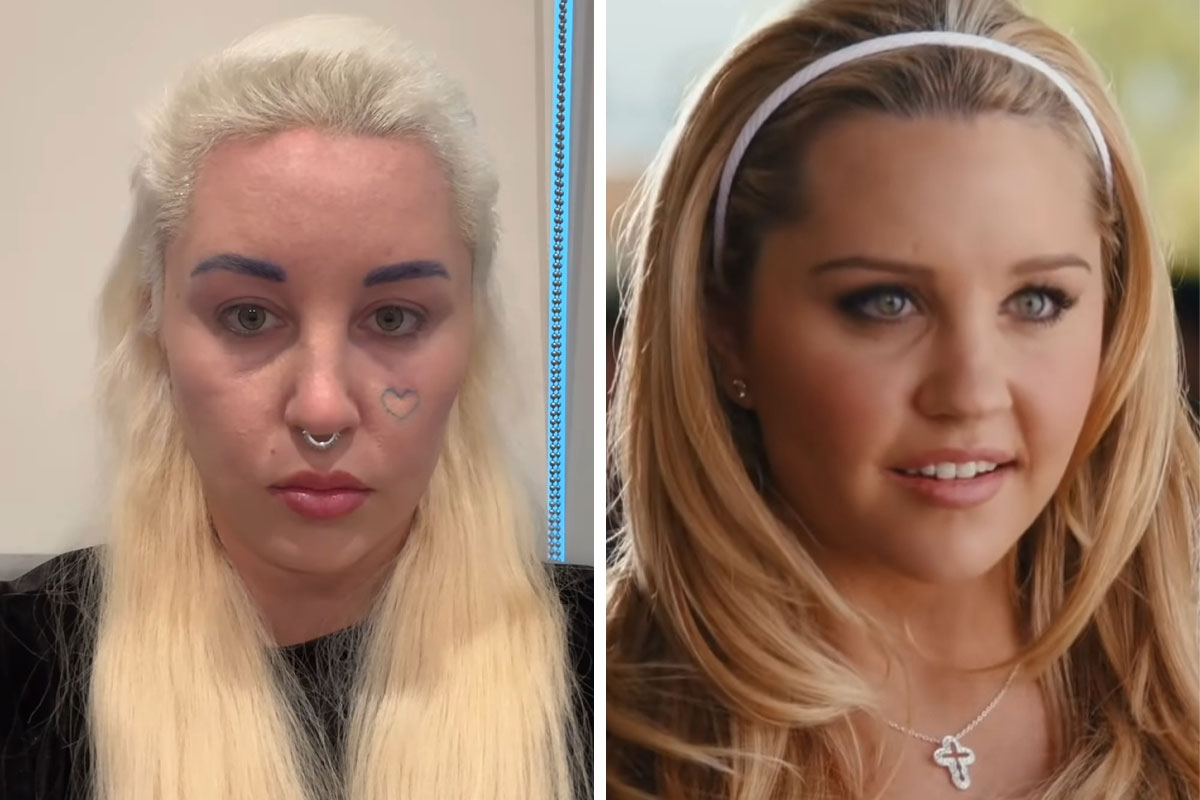
Amanda Bynes’ diagnosis of bipolar disorder and schizoaffective disorder became public knowledge following a series of psychiatric interventions in 2014. Her journey involves a decade of legal conservatorship, clinical treatment, and public recovery efforts. Understanding her case requires examining the intersection of California mental health law, clinical symptomology, and the challenges of maintaining stability under intense media scrutiny.
The Evolution of a Public Mental Health Crisis
The transition of Amanda Bynes from a celebrated child actress to a figure of concern began in 2012. This period was marked by a series of legal issues, including a DUI arrest and hit-and-run allegations. However, the nature of these incidents shifted from standard "rebellious" behavior to signs of a more profound psychological break. By 2013, her behavior had become increasingly erratic, culminating in an incident where she started a small fire in a residential driveway in Thousand Oaks, California.
This specific event triggered a 5150 involuntary psychiatric hold, a section of the California Welfare and Institutions Code that allows a person experiencing a mental health crisis to be detained for 72 hours if they are deemed a danger to themselves or others, or are "gravely disabled." It was during this hospitalization that professional evaluations began to point toward a complex mood disorder. While initial reports were speculative, the subsequent legal maneuvers by her parents, Lynn and Rick Bynes, signaled that the situation required long-term clinical and legal oversight rather than a simple short-term intervention.
The public nature of her crisis was exacerbated by her use of social media at the time. Bynes utilized Twitter (now X) to post fragmented, often inflammatory messages that displayed classic signs of pressured speech and manic ideation. These digital footprints provided a raw, unfiltered look at a person navigating the onset of a major psychiatric condition while in the global spotlight.
Confirming the Diagnosis: Amanda Bynes’ Personal Disclosure
For over a year, the public and media speculated about the specific nature of Bynes’ health. In November 2014, Bynes herself confirmed the nature of her struggles via social media. She stated that she had been diagnosed with bipolar disorder and manic depression, and further clarified that she was seeing a psychologist and a psychiatrist regularly to manage her symptoms.
Later reports and court filings associated with her legal proceedings introduced the term schizoaffective disorder. This diagnosis is often misunderstood but is critical to understanding Bynes’ specific experience. Schizoaffective disorder is a chronic mental health condition characterized by symptoms of schizophrenia, such as hallucinations or delusions, and symptoms of a mood disorder, such as mania or depression.
Distinguishing Between Bipolar and Schizoaffective Disorder
It is common for patients to receive a bipolar diagnosis initially, only for it to be refined as schizoaffective disorder if psychotic symptoms persist during periods of relatively stable mood. In Bynes’ case, the combination of high-energy "manic" phases and reported breaks from reality fits the clinical profile of schizoaffective disorder, bipolar type.
| Feature | Bipolar Disorder (Type I) | Schizoaffective Disorder |
|---|---|---|
| Primary Mood Symptoms | Severe mania and major depression. | Mania or depression present for the majority of the illness. |
| Psychotic Symptoms | Only occur during a manic or depressive episode. | Psychotic symptoms (delusions/hallucinations) occur even when mood is stable. |
| Functional Impact | Periods of high functioning between episodes. | Often requires more intensive, continuous support systems. |
| Treatment Path | Mood stabilizers (Lithium, Valproate) and therapy. | Antipsychotics combined with mood stabilizers and therapy. |
The Role of the California Conservatorship (2013–2022)
Following her initial hospitalization in 2013, Bynes’ parents sought a probate conservatorship. In California, this is a legal arrangement where a judge appoints a "conservator" to care for an adult who cannot care for themselves or manage their own finances. For Bynes, this was not merely about money; it was a "conservatorship of the person," meaning her mother had the legal authority to make decisions regarding her medical care, housing, and general well-being.
The conservatorship provided a protective bubble that allowed Bynes to retreat from the spotlight. During this time, she enrolled in the Fashion Institute of Design & Merchandising (FIDM). The structure of the legal arrangement ensured she remained compliant with medication and therapy, which are the cornerstones of managing schizoaffective and bipolar disorders. Unlike many other high-profile conservatorships, Bynes’ parents repeatedly stated that the goal was always her independence, provided she remained stable and healthy.
The legal arrangement lasted nearly nine years. By early 2022, Bynes filed to terminate the conservatorship. With the full support of her parents and her medical team, a judge ended the arrangement in March 2022. The court determined that the "protections of the court" were no longer necessary, marking a significant milestone in her recovery journey.
Challenges in Post-Conservatorship Life
The termination of a long-term legal guardianship is a profound transition. For Bynes, the years 2023 and 2024 brought new challenges that highlighted the recurring nature of her condition. In March 2023, she was found wandering the streets of Los Angeles without clothes, reportedly in the midst of a psychotic episode. Demonstrating a high level of self-awareness even in a crisis, Bynes herself flagged down a car and called 911.
This led to another series of psychiatric holds and a stay in an inpatient facility. Mental health professionals note that for those with schizoaffective disorder, "relapse" is not a sign of failure but a characteristic of the disease. Managing such a condition is a lifelong process that involves fine-tuning medication dosages and managing external stressors.
By late 2023 and into 2024, Bynes took a more measured approach to her public life. She briefly launched a podcast but opted to discontinue it after just one episode, citing a desire to focus on more consistent, low-stress work, such as obtaining a manicurist license. This decision reflected a mature understanding of her own triggers—the high-pressure environment of the entertainment industry can be detrimental to someone needing psychological stability.
Therapeutic Approaches and Treatment Modalities
The management of a bipolar or schizoaffective diagnosis, particularly for someone like Amanda Bynes, involves a multi-modal approach. In 2026, the standard of care for these conditions remains focused on a combination of pharmacological and psychosocial interventions.
- Pharmacotherapy: The use of second-generation antipsychotics (SGAs) is often the first line of defense for schizoaffective disorder. These medications help regulate dopamine and serotonin levels to mitigate hallucinations and delusions. For the bipolar component, mood stabilizers such as Lithium or Lamotrigine are frequently utilized to prevent the "highs" of mania and the "lows" of depression.
- Psychotherapy: Cognitive Behavioral Therapy (CBT) is highly effective in helping patients recognize the early warning signs of an episode. For Bynes, this might involve identifying "prodromal" symptoms—small changes in sleep patterns or speech that signal a pending manic phase.
- Social Support and Routine: Stability is often found in the mundane. Bynes’ pursuit of fashion school and later, nail technology, provides the "social rhythm" necessary to keep the brain’s internal clock regulated. Disrupted sleep and erratic schedules are major triggers for manic episodes.
- Dual Diagnosis Treatment: Many individuals with these disorders struggle with substance use as a form of self-medication. Bynes has been open about her past struggles with marijuana and prescription stimulants (like Adderall), which can exacerbate psychotic symptoms. Long-term sobriety is a critical component of her clinical stability.
The Intersection of Celebrity and Mental Health Stigma
Amanda Bynes’ case has served as a catalyst for a broader cultural conversation regarding how the media treats celebrities in the midst of mental health crises. During her 2013-2014 episodes, much of the coverage was sensationalist, often mocking her appearance or her social media posts.
However, the "Free Britney" movement and the subsequent re-examination of early 2000s celebrity culture shifted the perspective. By the time Bynes’ conservatorship ended in 2022, the public sentiment had shifted toward empathy and support. This cultural shift is vital; when a public figure is open about a bipolar diagnosis, it reduces the stigma for the millions of non-celebrities living with the same condition. It frames the struggle not as a "downfall," but as a manageable health condition.
Key Milestones in Amanda Bynes' Mental Health Journey
| Year | Event | Significance |
|---|---|---|
| 2012 | Initial Legal Issues | First signs of behavioral changes and substance misuse. |
| 2013 | Thousand Oaks Fire | Leads to first 5150 hold and start of conservatorship. |
| 2014 | Public Disclosure | Bynes confirms bipolar diagnosis on social media. |
| 2018 | Paper Magazine Interview | First major interview discussing her sobriety and mental health. |
| 2022 | Conservatorship Termination | Court returns full autonomy to Bynes with family support. |
| 2023 | Voluntary 911 Call | Public episode results in stabilization and new treatment plan. |
| 2024 | Focus on New Career | Transition away from media projects toward technical certifications. |
FAQ: Understanding the Specifics of the Bynes Case
What is the difference between a 5150 and a 5250 hold?
A 5150 hold is an initial 72-hour involuntary detention for psychiatric evaluation. If the medical team determines at the end of those 72 hours that the person still meets the criteria (danger to self, danger to others, or gravely disabled), they can file a 5250 hold, which extends the involuntary stay for an additional 14 days of intensive treatment. Bynes has undergone both during various points of her journey.
Can bipolar disorder be cured?
No, there is currently no "cure" for bipolar disorder or schizoaffective disorder. They are chronic, lifelong conditions. However, they are highly treatable. With the right combination of medication, therapy, and lifestyle adjustments, individuals can lead productive, fulfilling lives. "Recovery" in this context refers to managing symptoms so they do not interfere with daily functioning.
Why was Amanda Bynes’ conservatorship different from Britney Spears’?
The primary difference was the level of cooperation and the stated end goals. In Bynes’ case, her parents consistently communicated that the conservatorship was a temporary measure intended to stabilize her health. Bynes herself rarely fought the arrangement in court until she felt she was ready for independence, at which point her parents supported her petition to end it. It was a collaborative medical-legal strategy rather than an adversarial one.
How do drugs like Adderall affect someone with a bipolar diagnosis?
Stimulants like Adderall can be extremely dangerous for individuals with bipolar or schizoaffective disorder. They can trigger or worsen manic episodes and potentially induce psychosis. Bynes has admitted in past interviews that her use of Adderall contributed significantly to her initial "downward spiral" in the early 2010s.
Is schizoaffective disorder hereditary?
There is a strong genetic component to both bipolar and schizoaffective disorders. While specific "genes" for these conditions haven't been isolated, having a close relative with a mood or psychotic disorder increases the risk. However, environmental factors and stressors also play a significant role in "triggering" the onset of the condition.
Final Recommendations for Managing Similar Diagnoses
For individuals or families navigating a bipolar or schizoaffective diagnosis, the Amanda Bynes case offers several practical takeaways. First, early intervention is critical. The use of a 5150 hold, while traumatic, can often be the necessary step to prevent a tragedy and begin the path to a correct diagnosis.
Second, the importance of a consistent support system cannot be overstated. Bynes’ relative stability during the 2014-2022 period was largely due to the structured environment provided by her family and her medical team. Finally, it is essential to prioritize long-term compliance with psychiatric care. Mental health conditions are dynamic; treatment plans must be regularly reviewed and adjusted by professionals to account for changes in life circumstances and aging.
If you or someone you know is experiencing a mental health crisis, contact the National Alliance on Mental Illness (NAMI) or the Substance Abuse and Mental Health Services Administration (SAMHSA) for resources and immediate support.