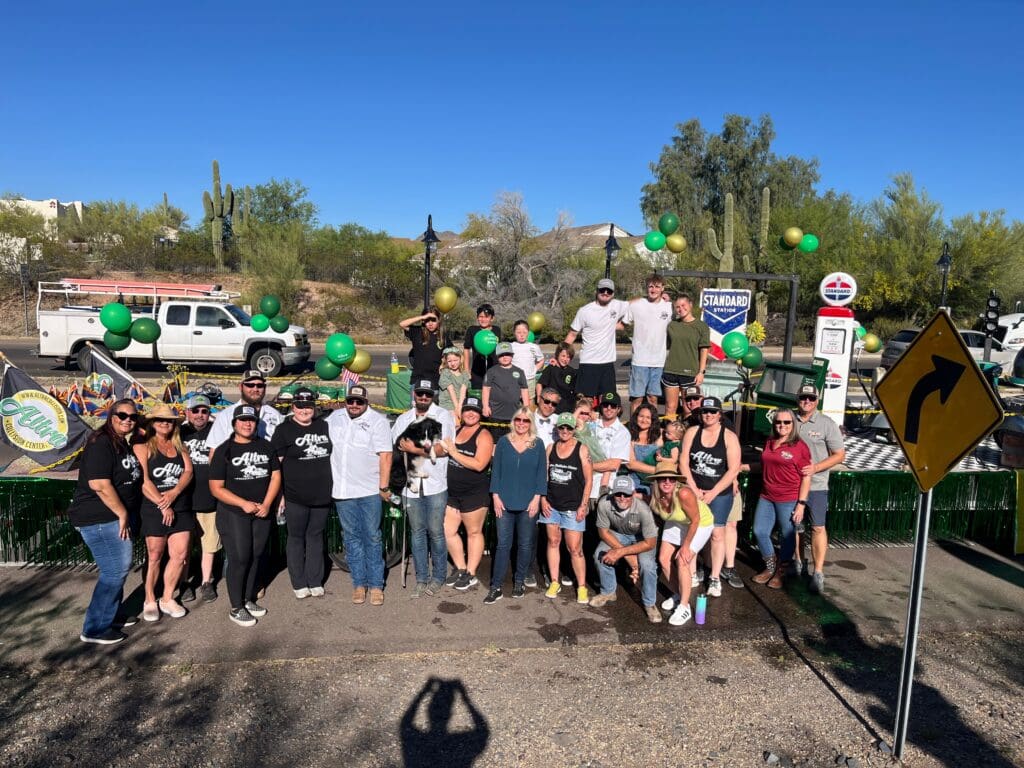
Altra Collision Center in Phoenix provides comprehensive auto body restoration services, specializing in structural repair, precision paint matching, and insurance claim coordination. As a dedicated facility in the Phoenix metropolitan area, it assists vehicle owners in navigating the complexities of post-accident recovery, ensuring that vehicles are restored to original manufacturer specifications through advanced diagnostic and repair technologies.
Professional Collision Services at Altra Collision Center
When a vehicle sustains damage in the high-traffic environment of Phoenix, the complexity of the repair depends on the point of impact and the speed of the collision. Altra Collision Center focuses on a multi-tiered approach to restoration. This begins with a thorough teardown of the affected area. Unlike superficial estimates that only account for visible damage, a professional collision center performs a "blueprint" of the damage, identifying hidden structural compromises or broken internal components that could affect the vehicle's safety in the future.
The scope of services at Altra typically encompasses sheet metal repair, plastic bumper restoration, and the replacement of specialized components such as headlights and sensors. In 2026, vehicles are increasingly reliant on exterior-mounted technology. Therefore, a significant portion of the collision service involves ensuring that these components are not only physically replaced but are also electronically integrated back into the vehicle's central computer system.
Beyond major accident repair, the center addresses cosmetic issues that are common in the Arizona climate. The intense Phoenix sun and desert environment contribute to unique paint degradation and clear coat failure. Altra’s refinishing services are designed to address both accident-related damage and environmental wear, utilizing UV-resistant coatings that are specifically engineered to withstand the extreme thermal cycles of the Southwest.
Navigating the Insurance Claims Process in Phoenix
One of the primary hurdles for any motorist after an accident is dealing with insurance adjusters and the administrative burden of a claim. Altra Collision Center acts as an intermediary, facilitating communication between the vehicle owner and the insurance carrier. Under Arizona law, specifically within the framework of A.R.S. § 20-468, consumers have the right to choose their own repair facility. Insurance companies may suggest "preferred" or "direct repair" shops, but the final decision rests entirely with the vehicle owner.
The process usually begins with an initial estimate provided by the insurance company. However, these initial quotes are often based on a visual inspection without disassembly. Altra Collision Center professionals work to provide a "supplemental estimate" when additional damage is discovered during the repair process. This ensures that the insurance company covers the full cost of a safe and proper repair, rather than just the visible surface damage.
Furthermore, the shop assists in documenting the repair for the sake of the vehicle's history. In 2026, vehicle history reports are more detailed than ever. Having a professional shop like Altra handle the documentation ensures that the repairs are recorded as performed to industry standards, which can help mitigate the "diminished value" that occurs after an accident. They help owners understand the nuances of "Total Loss" thresholds, which in Arizona are generally determined by whether the cost of repairs plus the salvage value exceeds the actual cash value of the vehicle.
Structural Integrity and Precision Frame Straightening
The frame or unibody of a vehicle is its skeleton, designed to protect occupants by absorbing and diverting energy during a crash. Even a minor offset in the frame can lead to improper tire wear, poor handling, and compromised safety in subsequent impacts. Altra Collision Center utilizes precision frame-straightening equipment to return a vehicle’s structure to within millimeters of its original factory dimensions.
Modern frame repair involves the use of computerized measuring systems. These systems use laser or ultrasound technology to compare the current state of the vehicle's frame against a database of manufacturer-provided specifications. If the frame is bent, hydraulic pulling equipment is used to gradually and precisely "cold-pull" the metal back into alignment. This process is critical because heat-treating high-strength steel (common in vehicles manufactured between 2020 and 2026) can actually weaken the metal, making it brittle and unsafe.
By adhering to these strict structural standards, Altra ensures that the vehicle’s "crumple zones" remain functional. Crumple zones are specifically engineered areas of the car designed to deform in a controlled manner. If a repair is performed incorrectly—such as by over-welding or using the wrong type of replacement steel—those zones may not perform correctly in the future, increasing the risk of injury to the occupants.
The Science of Automotive Refinishing and Paint Matching
Achieving a seamless paint match is one of the most difficult aspects of auto body work. Vehicles today use complex paint systems, including tri-coat pearls, metallic flakes, and specialized tints. At Altra Collision Center, the refinishing process begins with computerized color matching. Technicians use a spectrophotometer to analyze the existing paint on the vehicle, accounting for any slight fading that has occurred due to Phoenix's intense UV exposure.
Once the formula is determined, the paint is mixed in-house to ensure an exact match. The application process occurs in a controlled environment known as a downdraft spray booth. This booth serves two purposes: it prevents dust and contaminants from landing on the wet paint, and it uses a high-volume airflow system to pull overspray away from the vehicle, ensuring a smooth, glass-like finish.
After the base coat and clear coat are applied, the vehicle undergoes a baking cycle. The spray booth is heated to specific temperatures that accelerate the molecular cross-linking of the paint, creating a durable, chemical-resistant finish. This is especially important in 2026, as modern waterborne paints require precise humidity and temperature control to cure correctly. A professional finish from Altra is not just about aesthetics; it provides the primary barrier against oxidation and rust.
ADAS Calibration: Essential Safety in 2026
By 2026, nearly every vehicle on the road is equipped with some form of Advanced Driver Assistance Systems (ADAS). This includes automatic emergency braking, lane-keeping assist, adaptive cruise control, and blind-spot monitoring. These systems rely on a network of cameras, radar sensors, and ultrasonic sensors often located behind the bumpers, windshields, and side mirrors—the very areas most likely to be damaged in a collision.
Altra Collision Center recognizes that a repair is not complete until these systems are calibrated. Even a one-degree misalignment of a radar sensor can result in the system "seeing" an object in the wrong lane, leading to ghost braking or a failure to warn the driver of an impending collision. Calibration can be either static (performed in the shop using specialized targets and lasers) or dynamic (performed by driving the vehicle under specific conditions while connected to a diagnostic tool).
Failing to calibrate ADAS after a collision repair is a significant safety risk and a common point of failure for "budget" shops. Altra’s commitment to technical depth means they utilize the latest diagnostic software to ensure that the vehicle's electronic brain is fully synchronized with its physical body. This restores the vehicle's active safety features to their intended operational state.
Comparison of Collision Repair Providers in Phoenix
Choosing the right facility involves comparing the benefits of independent shops like Altra against dealership service centers or large national chains.
| Feature | Altra Collision Center (Independent) | Dealership Body Shops | National Collision Chains |
|---|---|---|---|
| Personalized Service | High; direct access to technicians. | Moderate; handled by service advisors. | Low; standardized corporate process. |
| Parts Options | OEM, high-quality aftermarket, or recycled. | Primarily OEM (Original Equipment Manufacturer). | Often dictated by insurance contracts. |
| Insurance Relations | Works with all major carriers; independent. | Often limited to specific manufacturer programs. | High; usually "direct repair" partners. |
| Technology Focus | Focused on precision and specific local needs. | Focused on a single brand of vehicle. | High-volume, standardized equipment. |
| Turnaround Time | Variable; prioritized based on quality. | Often longer due to high mechanical volume. | Faster; optimized for high volume/throughput. |
Understanding Repair Costs and Estimates
The cost of collision repair in Phoenix is influenced by labor rates, material costs, and the complexity of the vehicle's technology. In 2026, labor rates for specialized bodywork have seen adjustments due to the requirement for technicians to hold certifications in electronics and advanced metallurgy. When receiving an estimate from Altra Collision Center, the quote is typically broken down into several categories:
- Labor: This includes body labor, paint labor, and mechanical labor. Each has a different hourly rate based on the skill level required.
- Parts: The cost of the actual components. Owners often have a choice between OEM parts (made by the vehicle manufacturer) and CAPA-certified aftermarket parts, depending on their insurance policy and budget.
- Paint and Materials: This is usually calculated based on the number of hours spent in the paint booth and covers the cost of primers, base coats, clear coats, and sandpaper.
- Sublet Charges: These are specialized services that may be performed by third-party experts, such as glass replacement or specific dealer-only software flashes, though Altra performs most services in-house.
It is important for consumers to understand that the lowest estimate is not always the best. A lower price often indicates that a shop is skipping steps like ADAS calibration, using inferior materials, or "straightening" parts that should be replaced for safety reasons.
Common Mistakes to Avoid After an Accident
After a collision, many drivers make errors that can complicate their repair or insurance claim. One common mistake is waiting too long to get an estimate. In the Phoenix heat, exposed metal can begin to oxidize quickly, and internal fluids may leak, causing secondary damage to the engine or electrical systems.
Another mistake is accepting a "settlement check" from an insurance company before a professional shop has performed a teardown. Once you cash a check labeled as a full settlement, it can be much harder to get the insurance company to pay for "supplemental" damages found later. It is always advisable to have the vehicle towed directly to a facility like Altra Collision Center, where the technicians can document the damage thoroughly before any financial agreements are finalized.
Lastly, drivers often overlook the importance of the warranty. Professional shops like Altra typically offer a limited lifetime warranty on their workmanship and paint. This provides peace of mind that if a clear coat begins to peel or a body panel becomes misaligned six months down the road, the shop will stand by its work.
Frequently Asked Questions
Do I have to go to the shop my insurance company recommends?
No. In Arizona, you have the legal right to choose any collision repair facility you prefer. While insurance companies have "preferred" shops, these relationships are often based on cost-saving agreements. Choosing an independent shop like Altra Collision Center allows you to ensure the focus remains on the quality of the repair rather than the insurance company's bottom line.
How long will my collision repair take?
The duration depends on the severity of the damage and parts availability. A minor bumper repair might take 3 to 5 business days, while major structural repairs involving ADAS calibration can take 2 to 4 weeks. In 2026, global supply chains for specialized sensors and microchips can occasionally influence these timelines, but Altra provides regular updates throughout the process.
What is the difference between OEM and aftermarket parts?
OEM (Original Equipment Manufacturer) parts are made by the company that built your car and are identical to the parts originally installed. Aftermarket parts are made by third-party companies. While many aftermarket parts are high quality (especially those that are CAPA-certified), OEM parts are often preferred for critical structural components and complex electronic sensors to ensure perfect fit and function.
Will the paint on the new parts match the rest of my car?
Yes. Professional shops use computerized color matching and spectrophotometers to account for the aging and fading of your vehicle's original paint. By blending the new paint into the adjacent original panels, technicians create a seamless transition that makes the repair invisible to the naked eye.
Is my car considered a "total loss" if the airbags deploy?
Not necessarily. While airbag deployment is expensive to repair, it is just one factor in the total cost. A vehicle is considered a total loss only when the cost of repair plus the salvage value exceeds the vehicle's actual cash value. In 2026, many high-value vehicles are worth repairing even after airbag deployment because of their high resale value.
Next Steps for Vehicle Owners
If you have been involved in an accident in Phoenix, your first priority should be safety and documentation. Once a police report has been filed and you have exchanged information with other parties, contact Altra Collision Center to arrange for a professional inspection. You should inform your insurance company of your choice of shop immediately to streamline the claims process.
Before authorizing any work, review the itemized estimate provided by the technicians. Ensure it includes a scan of the vehicle's electronic systems and a commitment to using parts that meet your safety expectations. By choosing a facility that prioritizes technical accuracy and structural integrity, you ensure that your vehicle remains a safe and reliable asset for years to come.