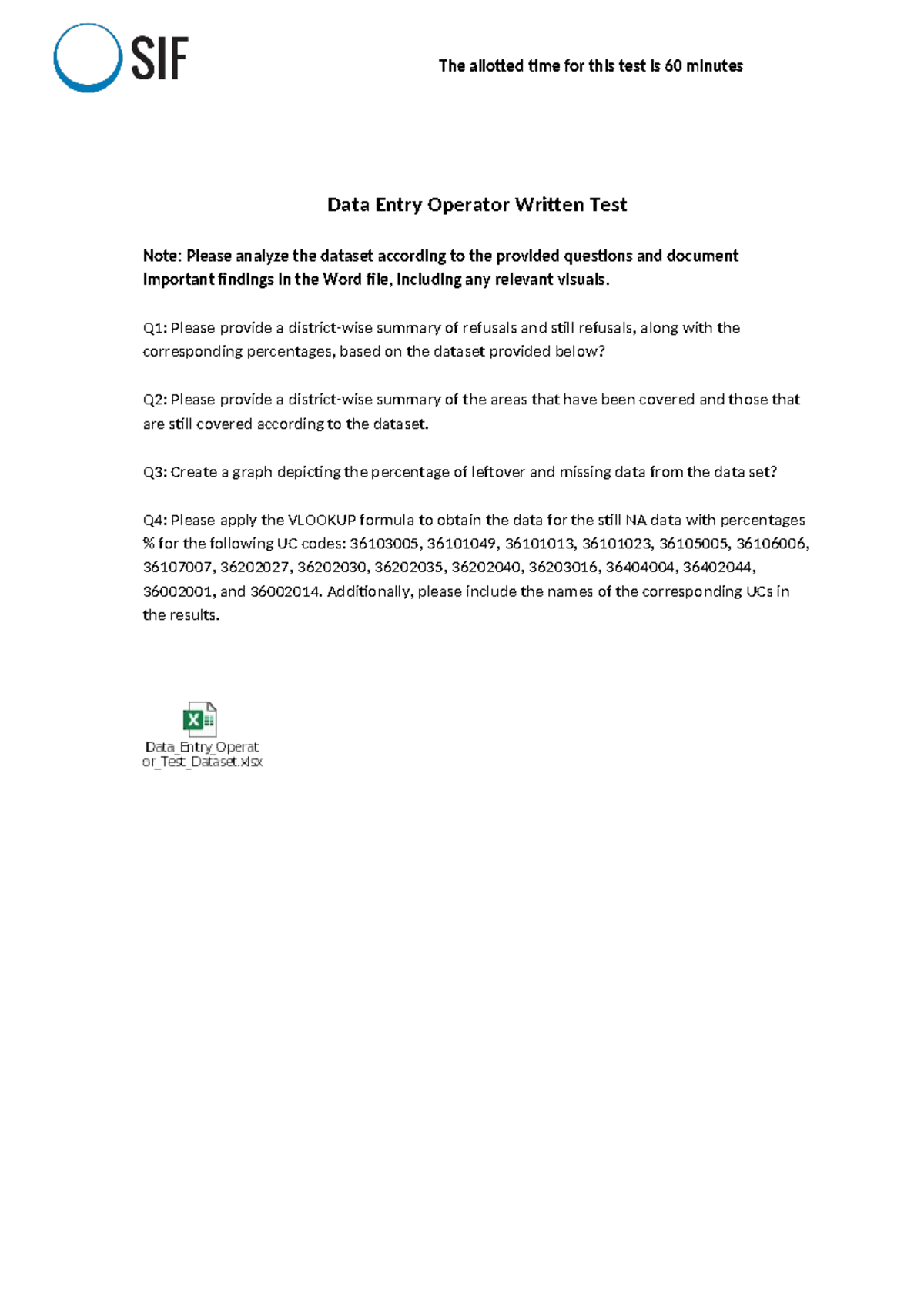
In the context of workers’ compensation, the "allotted time" refers to three critical phases: the reporting window to notify an employer (usually 2 to 30 days), the statute of limitations to file a formal claim with a state board (typically 1 to 3 years), and the maximum duration for receiving wage-replacement benefits. Failure to meet these specific deadlines can result in a permanent forfeiture of your right to benefits.
Understanding the Multi-Layered Timelines of Workers’ Compensation
Workers' compensation is not governed by a single, monolithic clock. Instead, it is a series of cascading deadlines that begin the moment an injury occurs or an illness is diagnosed. As of 2026, while many states have moved toward digital filing systems to expedite the process, the underlying statutory requirements for "allotted time" remain rigid.
Navigating these timelines requires an understanding of the distinction between "notice" and "claim filing." Providing notice is an internal administrative step within your company, while filing a claim is a legal action taken with a state government agency. Both have separate, non-negotiable expiration dates. Furthermore, once a claim is accepted, the "allotted time" shifts to focus on how long a worker can remain on disability benefits before they are expected to return to work or transition to permanent disability status.
1. The Immediate Clock: Reporting the Injury to the Employer
The first allotted time frame a worker encounters is the reporting deadline. This is the period during which an employee must inform their supervisor or management that a work-related injury has occurred.
Why the Reporting Window is Short
Legislatures keep the reporting window narrow to prevent fraudulent claims and to allow employers to investigate the scene of the accident immediately. If an employee waits three weeks to report a slip-and-fall, the employer may argue that the floor conditions have changed or that the injury actually happened over the weekend at the employee's home.
Variations by Jurisdiction
The allotted time for reporting varies significantly by state:
- California: Generally requires notice within 30 days.
- Texas: Requires notice within 30 days of the injury or the date the employee knew the injury was work-related.
- Florida: Strict 30-day reporting window.
- New York: Notice must be given in writing within 30 days.
Failure to report within these windows does not always result in an automatic denial, but it creates a "rebuttable presumption" that the injury was not work-related, placing a heavy burden of proof on the worker to explain the delay.
2. The Statute of Limitations: Filing a Formal Claim
Even if you report the injury to your boss immediately, you have not yet "filed a claim" in the legal sense. The second allotted time frame is the statute of limitations for filing a formal application for adjudication with the state’s workers’ compensation board or commission.
Filing Deadlines and the "Date of Injury"
In most cases, the statute of limitations is one to two years from the date the accident occurred. However, the definition of "date of injury" can be complex. For a traumatic event, such as a broken leg from a falling crate, the date is obvious. For other injuries, the clock starts based on the "Discovery Rule."
The Discovery Rule for Occupational Diseases
As of 2026, courts increasingly recognize that illnesses like mesothelioma, carpal tunnel syndrome, or repetitive stress injuries do not have a single "accident date." In these instances, the allotted time for filing begins on the date the employee:
- Knew (or should have known) they had a medical condition.
- Knew (or should have known) the condition was caused by their employment.
This is a vital protection for workers in industrial sectors where chemical exposure or physical wear-and-tear manifests years after the initial exposure.
3. Allotted Time for Medical Evidence and Evaluation
Once a claim is initiated, there is an allotted time for the medical evaluation process. This is often dictated by the "Waiting Period" and the "Maximum Medical Improvement" (MMI) timeline.
The Waiting Period
Most states have a waiting period of 3 to 7 days before wage-replacement benefits (Indemnity Benefits) begin. If the disability lasts beyond a certain threshold (often 14 to 21 days), the worker is usually paid retroactively for that initial waiting period. This prevents the system from being overwhelmed by minor injuries that only require a day or two of rest.
Reaching Maximum Medical Improvement (MMI)
The allotted time for "Temporary Total Disability" (TTD) benefits is usually capped by the point of MMI. This is a medical determination made by a physician stating that the worker's condition has stabilized and is not expected to improve further with additional treatment. Once MMI is reached, the allotted time for temporary benefits ends, and the worker is evaluated for Permanent Partial Disability (PPD) or Permanent Total Disability (PTD) if they still have functional limitations.
4. Comparison of Allotted Filing Times by Major Jurisdiction
The following table outlines the allotted time for notice and formal filing in several high-population states as of 2026. Note that these are general guidelines and specific exceptions (such as for minors or mentally incapacitated individuals) may apply.
| State | Allotted Time for Notice (Reporting) | Statute of Limitations (Formal Filing) | Common Exceptions |
|---|---|---|---|
| California | 30 Days | 1 Year | Discovery rule for cumulative trauma. |
| Texas | 30 Days | 1 Year | Tolled if the employer fails to file a report. |
| Florida | 30 Days | 2 Years | 1 year from the last payment or medical care. |
| New York | 30 Days | 2 Years | Occupational disease discovery (2-year rule). |
| Illinois | 45 Days | 3 Years | 2 years from the date of last compensation. |
| Pennsylvania | 120 Days | 3 Years | Notice after 21 days affects retroactive pay. |
| Georgia | 30 Days | 1 Year | 1 year from the date of the last medical care. |
5. The Allotted Time to Receive Benefits
How long can a worker receive payments? This "allotted time" is perhaps the most critical for long-term financial planning. Benefits are categorized based on the severity and duration of the disability.
Temporary Total Disability (TTD)
TTD benefits are designed to provide income while a worker is completely unable to work but expected to recover. Most states cap these benefits at a specific number of weeks (e.g., 104 weeks in California, 400 weeks in Georgia, or 500 weeks in Pennsylvania). If the worker is still unable to work after this allotted time, they must undergo a rigorous medical re-evaluation to qualify for permanent status.
Permanent Partial Disability (PPD)
If an injury leaves a permanent impairment (like the loss of a finger or reduced range of motion in the shoulder) but the worker can still perform some tasks, they receive PPD. The allotted time for these payments is often determined by a "Schedule of Injuries." For example, a state statute might allot 50 weeks of pay for the loss of a thumb and 200 weeks for the loss of an arm.
Permanent Total Disability (PTD)
For the most severe injuries (paralysis, total blindness, loss of two limbs), the allotted time for benefits may be the remainder of the worker's life. However, these claims are frequently reviewed by insurance carriers to determine if medical advancements or vocational rehabilitation could return the individual to some form of gainful employment.
6. Appealing a Denied Claim: The Window of Opportunity
If an insurance carrier denies a claim, the worker has a very narrow allotted time to file an appeal. In 2026, most states require a "Request for Hearing" or "Notice of Dispute" to be filed within 30 to 90 days of the denial notice.
The Administrative Law Process
The appeal process usually involves several stages:
- Mediation/Conciliation: An informal attempt to resolve the dispute with a state mediator.
- Formal Hearing: A trial-like proceeding before an Administrative Law Judge (ALJ).
- Board Review: An appeal to a panel of commissioners if the ALJ’s decision is contested.
- Judicial Review: Taking the case to the state’s appellate court system.
Each of these stages has its own allotted time for filing briefs, submitting medical evidence, and responding to motions. Missing a deadline for an appellate brief can result in the dismissal of the entire claim, regardless of the injury's severity.
7. Tolling and Exceptions: When the Clock Pauses
There are rare circumstances where the "allotted time" for workers' compensation can be extended or "tolled."
- Minority: If the injured worker is a minor, the statute of limitations may not begin until they reach the age of 18.
- Mental Incapacity: If the injury results in a coma or severe mental trauma that prevents the worker from understanding their legal rights, the clock may be paused until they regain capacity.
- Employer Misconduct/Fraud: If an employer or insurance adjuster intentionally misleads a worker about their rights or tells them "we've already filed the claim" when they haven't, the court may invoke "equitable tolling" to allow a late filing.
- Payment of Benefits: In many jurisdictions, if the insurance company voluntarily pays for medical treatment or wage replacement, the statute of limitations is extended. The clock often resets, giving the worker one or two years from the date of the last payment to file a formal claim.
8. Allotted Time for Death Benefits
In the tragic event of a workplace fatality, the surviving dependents (spouses, children, or sometimes dependent parents) have an allotted time to file for death benefits. These statutes are often different from standard injury claims.
In many states, a death benefit claim must be filed within one to two years of the date of death. However, there is often a secondary requirement: the death must have occurred within a certain timeframe of the original injury (e.g., the worker must die within 300 to 500 weeks of the accident for the death to be legally linked to the workplace incident). These benefits typically include funeral expenses (capped at a specific dollar amount) and a percentage of the deceased worker’s average weekly wage for a set number of years.
FAQs: Frequently Asked Questions
What happens if I missed the 30-day reporting deadline?
While missing the reporting deadline makes your case significantly harder, it is not always a "death sentence" for your claim. If you can prove that the employer had "actual knowledge" of the injury (e.g., your supervisor saw you fall) or if you can show that the delay didn't prejudice the employer's ability to investigate, a judge may allow the claim to proceed. However, you should report the injury in writing as soon as you realize the mistake.
Does the allotted time for filing a claim change if I change jobs?
No. The statute of limitations is tied to the date of the injury and the employer you were working for at that time. Even if you have left that company, you can still file a claim as long as you are within the state’s allotted time (statute of limitations) and you reported the injury properly while employed or within the discovery window.
Can my employer extend the allotted time for my benefits?
Employers generally do not have the authority to extend the duration of workers' compensation benefits, as these are set by state law and administered by insurance carriers. However, an employer can offer "light duty" or "modified work" which may allow you to continue earning a paycheck even after your TTD benefits have expired.
Is the allotted time different for federal employees?
Yes. Federal employees fall under the Federal Employees' Compensation Act (FECA). The allotted time for notice is generally 30 days to be eligible for Continuation of Pay (COP), and the formal claim must be filed within three years of the injury. The process is managed by the U.S. Department of Labor's Office of Workers' Compensation Programs (OWCP).
How is "allotted time" calculated for a "Cumulative Trauma" claim?
For cumulative trauma (like carpal tunnel or back degradation over time), the allotted time usually starts on the "date of disability." This is often defined as the first day you had to miss work due to the pain or the day a doctor told you that your condition was work-related.
What if my symptoms come back after my claim was closed?
Most states have an "allotted time" to petition to reopen a claim due to a "change in condition." This is typically within a few years of the last benefit payment. If your condition worsens significantly after the case is closed, you must act quickly to file a petition for additional medical treatment or disability benefits.
Final Recommendation for Injured Workers
The most important action you can take is to document everything in writing immediately. Do not rely on a verbal conversation with a foreman or a "handshake agreement" that the company will take care of your medical bills.
- Report the injury via email or a formal incident report within 24 hours of the occurrence.
- Seek medical attention from an authorized provider and explicitly state that the injury is work-related.
- Consult the state's workers' compensation board website to verify the exact statute of limitations for your specific jurisdiction.
- File the formal claim (often called a Form 18, Form C-3, or Application for Adjudication) with the state agency as soon as possible, even if the insurance company is already paying for your doctor visits. This "protects the record" and ensures that you do not run out of allotted time.