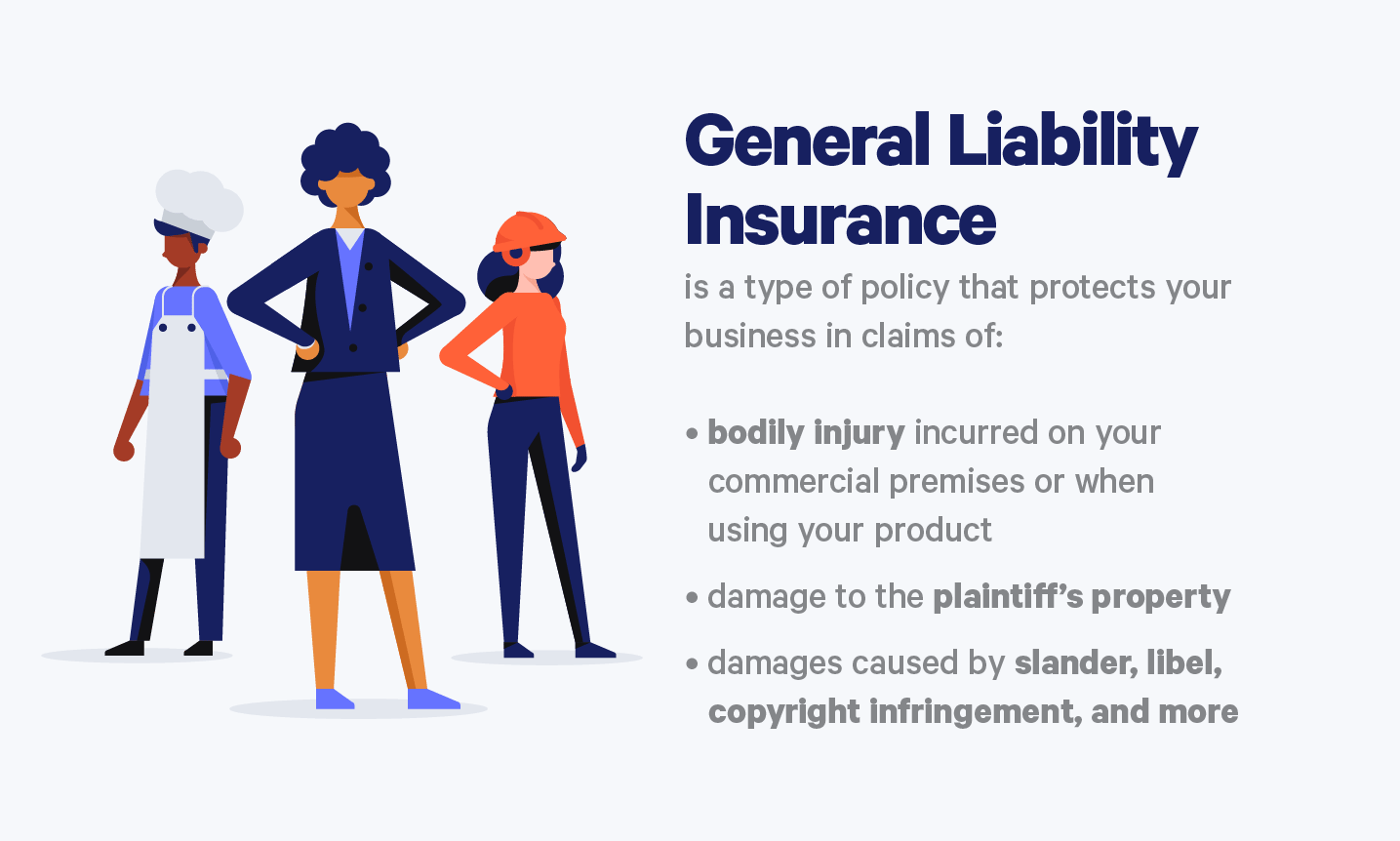
Allstate general liability insurance provides essential financial protection for businesses against third-party claims of bodily injury, property damage, and personal or advertising injury. In 2026, it remains a foundational coverage for small business owners, covering legal defense costs and settlement fees to safeguard a company’s assets from litigious risks and unforeseen accidents.
What is Allstate General Liability Insurance?
General liability insurance, often referred to as commercial general liability (CGL), is the most common form of business insurance. For clients of Allstate, this policy serves as a shield against the most frequent risks encountered during daily operations. Whether you operate out of a physical storefront, a home office, or a client’s job site, the potential for accidents is ever-present.
Allstate’s approach to general liability focuses on small to medium-sized enterprises (SMEs). The policy is designed to address "slip-and-fall" incidents, damage caused by your products, and legal disputes arising from your marketing efforts. As of 2026, Allstate has integrated more advanced digital management tools, allowing business owners to access their Certificate of Insurance (COI) instantly, which is often a prerequisite for signing contracts or leasing commercial space.
The primary function of this insurance is not just to pay for damages, but to provide a robust legal defense. In the American legal landscape, the cost of defending a meritless lawsuit can be high enough to bankrupt a small company. Allstate’s general liability policies typically include "duty to defend" provisions, meaning the insurer manages and pays for legal counsel if a covered claim is filed against your business.
Core Coverage Areas Under Allstate Policies
To understand the value of an Allstate general liability policy, one must break down the three primary pillars of coverage: Bodily Injury, Property Damage, and Personal/Advertising Injury.
Bodily Injury and Medical Expenses
This is the most critical component of the policy. If a customer, vendor, or passerby is injured on your premises or as a result of your business operations, you could be held liable for their medical bills, lost wages, and pain and suffering.
For example, if a client visits your office and trips over a loose piece of carpeting, resulting in a broken hip, Allstate’s general liability insurance would cover the emergency room costs, follow-up surgeries, and physical therapy. Furthermore, it provides a small "medical payments" limit (often $5,000 to $10,000) that can be paid out regardless of fault, which often helps settle minor injuries quickly before they escalate into full-scale lawsuits.
Property Damage Liability
Property damage coverage applies when you or your employees accidentally damage someone else’s property. This is particularly vital for contractors, landscapers, and cleaning services who perform work at a client’s location.
If a plumber insured through Allstate accidentally bursts a pipe while repairing a sink, causing thousands of dollars in water damage to a client’s hardwood floors, the property damage portion of the policy would cover the repair costs. It is important to note that this covers third-party property, not your own business equipment. Your own tools and buildings would require separate commercial property insurance.
Personal and Advertising Injury
In the digital age of 2026, reputation and intellectual property are more vulnerable than ever. This section of the Allstate policy protects your business against non-physical damages, including:
- Libel and Slander: Oral or written statements that damage a third party’s reputation.
- Copyright Infringement: Accidental use of a protected image or slogan in your advertising.
- Invasion of Privacy: Mishandling client information in a way that breaches their privacy rights (though this is often supplemented by specific Cyber Liability riders).
- Wrongful Eviction: If you are a landlord or property manager, this covers claims arising from disputes with tenants regarding their right to occupy a space.
The Business Owners Policy (BOP) Advantage
While you can purchase general liability as a standalone policy, Allstate frequently recommends bundling it into a Business Owners Policy (BOP). For many small business owners in 2026, the BOP is the most cost-effective way to achieve comprehensive protection.
A BOP typically combines three essential coverages into one package:
- General Liability: Coverage for third-party injuries and damage.
- Commercial Property Insurance: Protection for your building, inventory, furniture, and equipment.
- Business Interruption Insurance: Compensation for lost income if your business is forced to close temporarily due to a covered peril, such as a fire or windstorm.
By bundling these through Allstate, business owners often see a reduction in total premium costs compared to buying each policy individually. Additionally, having a single policy simplifies administrative tasks, as there is only one renewal date and one point of contact for claims.
Analyzing the Cost of Allstate General Liability
The cost of insurance is never a fixed number; it is a reflection of the specific risks associated with your industry and operations. Allstate utilizes a sophisticated underwriting process to determine premiums. Several key factors influence what you will pay in 2026:
| Factor | Impact on Premium | Why It Matters |
|---|---|---|
| Industry Risk | High | A roofing contractor has a much higher risk profile than a consultant or an accountant. |
| Location | Medium | Businesses in high-litigation states or dense urban areas often face higher premiums. |
| Claims History | High | A history of frequent claims suggests a lack of safety protocols, leading to higher rates. |
| Coverage Limits | Medium | Moving from a $1M limit to a $2M limit increases the premium, though usually not linearly. |
| Number of Employees | Low to Medium | Larger teams generally increase the statistical likelihood of an accident occurring. |
| Gross Sales | Medium | Higher revenue often correlates with higher "exposure" in the eyes of an underwriter. |
On average, a small professional services firm might pay between $400 and $800 annually for a standard Allstate general liability policy. In contrast, a construction firm or a restaurant might see premiums ranging from $1,200 to $3,500 or more, depending on the scale of their operations.
Key Exclusions: What Is Not Covered?
No single insurance policy covers every possible mishap. It is vital for business owners to understand the boundaries of Allstate’s general liability coverage to avoid "insurance gaps." The following are typically excluded and require separate policies:
- Professional Errors (E&O): If you give bad advice or make a technical error in your professional service (e.g., an architect’s structural mistake), general liability will not cover it. You need Professional Liability insurance.
- Employee Injuries: Injuries sustained by your own staff are strictly the domain of Workers' Compensation insurance, which is legally required in most states.
- Vehicular Accidents: Accidents involving company-owned vehicles or personal vehicles used for business purposes require Commercial Auto Insurance.
- Intentional Acts: If you or an employee intentionally cause harm or damage, the policy is voided.
- Data Breaches: While "advertising injury" covers some privacy issues, a massive data hack requires specialized Cyber Liability Insurance.
Why Choose Allstate in 2026?
Allstate distinguishes itself from "insurtech" startups by maintaining a massive network of local agents. In 2026, while AI and digital portals handle the paperwork, the value of a human agent who understands the local economic climate and specific state regulations cannot be overstated.
Personalized Risk Assessment
Allstate agents are trained to perform deep-dive risk assessments. They don't just look at your industry; they look at your specific workflow. For instance, if you are a retail shop owner, an Allstate agent might identify that your sidewalk is prone to icing in the winter and suggest specific endorsements or safety measures that can help lower your liability risk.
Financial Stability
Allstate is a Fortune 100 company with high ratings from independent agencies like A.M. Best and Moody’s. In an era where smaller insurers may struggle with the increasing frequency of "nuclear verdicts" (exceptionally high jury awards), Allstate’s capital reserves provide peace of mind that they can fulfill their "duty to defend" and pay out substantial claims if necessary.
Claims Technology
By 2026, Allstate has refined its mobile claims platform. Business owners can now upload photos of damage, record witness statements, and track the status of a liability claim in real-time. This reduces the administrative burden on the business owner, allowing them to focus on running their company while the insurer handles the legalities.
Step-by-Step: Getting Insured with Allstate
If you have determined that Allstate is the right fit for your general liability needs, the process generally follows these steps:
- Information Gathering: Collect your Federal Tax ID (EIN), gross annual sales projections, payroll estimates, and details about your business location.
- Consultation: Speak with a local Allstate business agent or use their online quoting tool. Be honest about your operations; misrepresenting your business type can lead to claim denials later.
- Policy Selection: Decide between a standalone general liability policy or a BOP. Review the limits (e.g., $1 million per occurrence / $2 million aggregate) and the deductible.
- Review Endorsements: Consider adding riders for specific needs, such as "Hired and Non-Owned Auto" if your employees drive their personal cars for business.
- Binding the Policy: Once you pay the initial premium, the policy is "bound," and your coverage begins.
- Acquiring a COI: Download your Certificate of Insurance via the Allstate Business portal to provide to clients or landlords as proof of coverage.
Common Mistakes to Avoid
Many business owners treat insurance as a "set it and forget it" task. To ensure your Allstate general liability policy remains effective:
- Underestimating Limits: Inflation and rising legal costs mean that a $500,000 limit, which might have been sufficient a decade ago, is often inadequate in 2026. Most modern contracts require at least $1,000,000 in coverage.
- Failing to Update the Agent: If you expand into a new line of business (e.g., a bakery starts offering delivery services), your risk profile changes. If you don't update Allstate, you may not be covered for incidents occurring in that new service area.
- Ignoring Subcontractors: If you hire subcontractors, ensure they have their own general liability insurance. If they don't, and an accident occurs, the claim may fall back on your Allstate policy, potentially spiking your premiums or exceeding your limits.
Frequently Asked Questions
1. Does Allstate general liability insurance cover my employees?
No. General liability is designed for third-party claims (customers, vendors, or the public). To cover your employees for job-related injuries or illnesses, you must purchase a separate Workers' Compensation policy.
2. Is a general liability policy required by law in 2026?
Technically, most states do not mandate general liability insurance by law. However, it is practically required. Most commercial landlords will not lease you space without it, and many professional contracts require a COI before you can begin work.
3. What is the difference between "Per Occurrence" and "Aggregate" limits?
The "Per Occurrence" limit is the maximum Allstate will pay for a single claim. The "Aggregate" limit is the total amount the policy will pay for all claims combined during the policy period (usually one year). If you have a $1M/$2M policy, Allstate will pay up to $1M for one incident and a total of $2M for the year.
4. Can I add "Additional Insureds" to my Allstate policy?
Yes. It is very common for a client or a landlord to ask to be added as an "Additional Insured." This provides them with coverage under your policy for claims arising out of your work. Allstate typically allows this through a simple endorsement, though there may be a small administrative fee.
5. Does this policy cover my business tools if they are stolen?
No. Standard general liability only covers damage you cause to other people's property. To protect your own tools, equipment, or inventory from theft or damage, you need Commercial Property insurance or an "Inland Marine" rider.
Final Recommendation
For small business owners in 2026, Allstate general liability insurance represents a balance of traditional reliability and modern convenience. It is an ideal choice for entrepreneurs who value the guidance of a local agent and the security of a well-capitalized national carrier. To get the most value, we recommend requesting a quote for a Business Owners Policy (BOP) rather than a standalone liability policy, as this ensures your physical assets and income are protected alongside your legal liabilities. Before signing, review your industry-specific risks with an agent to ensure your limits are sufficient for the current economic and legal environment.