The allowance for bad debt is a contra-asset account used by businesses to estimate the portion of accounts receivable that will likely remain uncollectible. By creating this reserve, companies adhere to the accrual basis of accounting, specifically the matching principle, ensuring that potential losses are recognized in the same period as the related revenue, thereby providing a more accurate picture of financial health.
Understanding the Concept of Bad Debt
In the world of corporate finance, few things are as certain as the risk that not every customer will pay their invoice. When a business sells goods or services on credit, it records a sale and an equivalent amount in accounts receivable. However, external factors such as economic downturns, client bankruptcy, or simple business disputes mean that a percentage of these receivables will never materialize into cash.
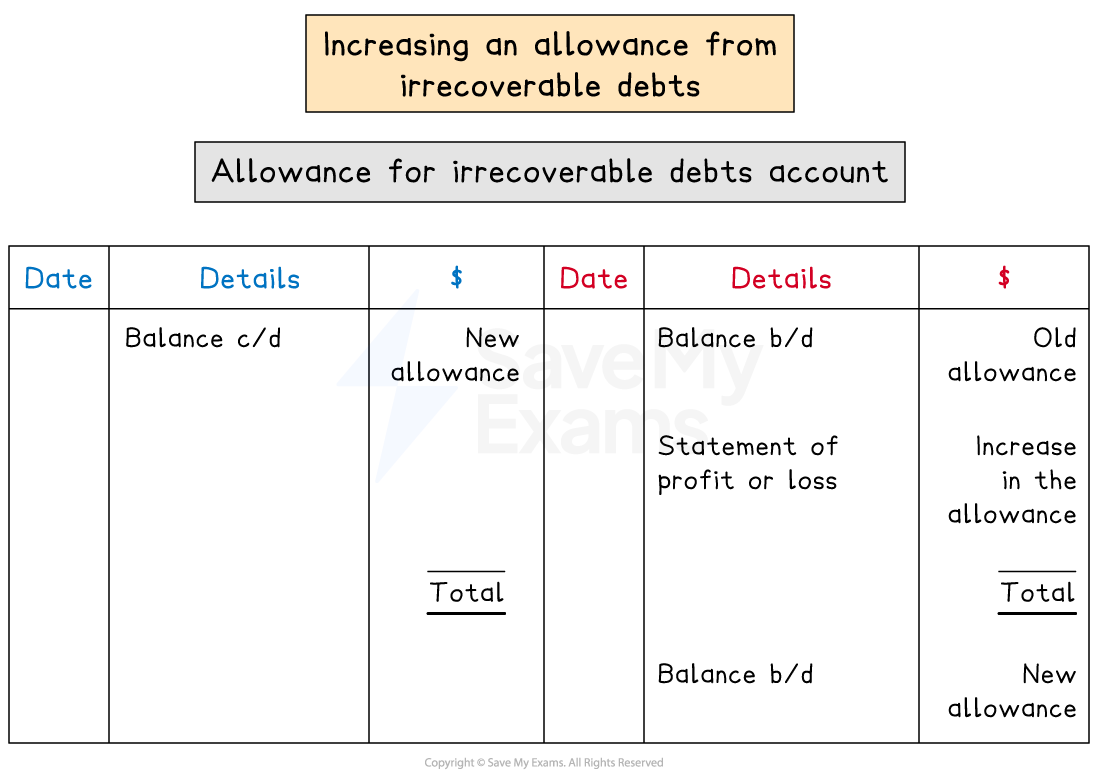
The "allowance for bad debt," often referred to as the allowance for doubtful accounts, represents a management estimate of this uncollectible portion. This is not a specific invoice being written off—which occurs only when a specific debt is deemed definitively uncollectible—but rather a statistical hedge against future uncertainty. It acts as a financial buffer, reducing the reported value of total accounts receivable on the balance sheet to reflect the net realizable value.
The Accounting Mechanics: The Matching Principle
The necessity of the allowance for bad debt is rooted in the Generally Accepted Accounting Principles (GAAP). Under the accrual accounting method, revenue must be recognized when it is earned, regardless of when cash is actually received. If a company sells $100,000 worth of goods in December but expects that $2,000 of that will never be paid, waiting until the following year to write off the bad debt would violate the matching principle.
The matching principle dictates that expenses should be reported in the same period as the revenue they help generate. By estimating bad debt and recording an entry in the same period the sale is made, the company effectively "matches" the expense of the potential loss against the revenue earned from that sale. This prevents an artificial inflation of earnings and provides stakeholders with a conservative, realistic view of the company's profitability.
Methods of Estimating the Allowance
Companies generally use one of two primary methods to estimate their bad debt allowance. Both require a historical analysis of payment patterns and current economic conditions.
1. Percentage of Credit Sales Method
This is a straightforward approach that calculates the allowance as a specific percentage of total credit sales for the period. For instance, if a company has historically found that 1% of its credit sales result in uncollectible debt, and it has $500,000 in credit sales for the year, it would record $5,000 as bad debt expense. This method focuses on the income statement, aiming to match current expenses to current revenues.
2. Aging of Accounts Receivable Method
This approach is more granular and focuses on the balance sheet. The company categorizes its outstanding receivables by how long they have been past due (e.g., 0–30 days, 31–60 days, 61–90 days, and over 90 days). Each category is assigned a different percentage of estimated uncollectibility. Generally, the longer an invoice has been outstanding, the higher the probability that it will become bad debt.
| Age of Receivable | Amount Outstanding | Estimated % Uncollectible | Expected Bad Debt |
|---|---|---|---|
| 0–30 days | $200,000 | 1% | $2,000 |
| 31–60 days | $50,000 | 5% | $2,500 |
| 61–90 days | $20,000 | 15% | $3,000 |
| Over 90 days | $10,000 | 50% | $5,000 |
| Total | $280,000 | — | $12,500 |
Distinguishing Allowance from Direct Write-off
It is critical to distinguish between the allowance method and the direct write-off method. Under the direct write-off method, a company only records a bad debt expense when it determines a specific account is definitively uncollectible.
While the direct write-off method is simpler, it is generally not accepted under GAAP for material amounts because it fails to match expenses to the period in which the associated revenue was recognized. Furthermore, it often causes an overstatement of assets on the balance sheet until the moment the debt is actually removed. The allowance method is the standard for mid-to-large-sized businesses, ensuring transparency and adherence to formal financial reporting standards.
Impact on Financial Statements
The allowance for bad debt affects three main areas of financial reporting:
- Balance Sheet: It appears as a contra-asset account. If a company has $1,000,000 in accounts receivable and a $50,000 allowance, the balance sheet will show a net accounts receivable of $950,000. This is the figure that represents the amount the company realistically expects to collect.
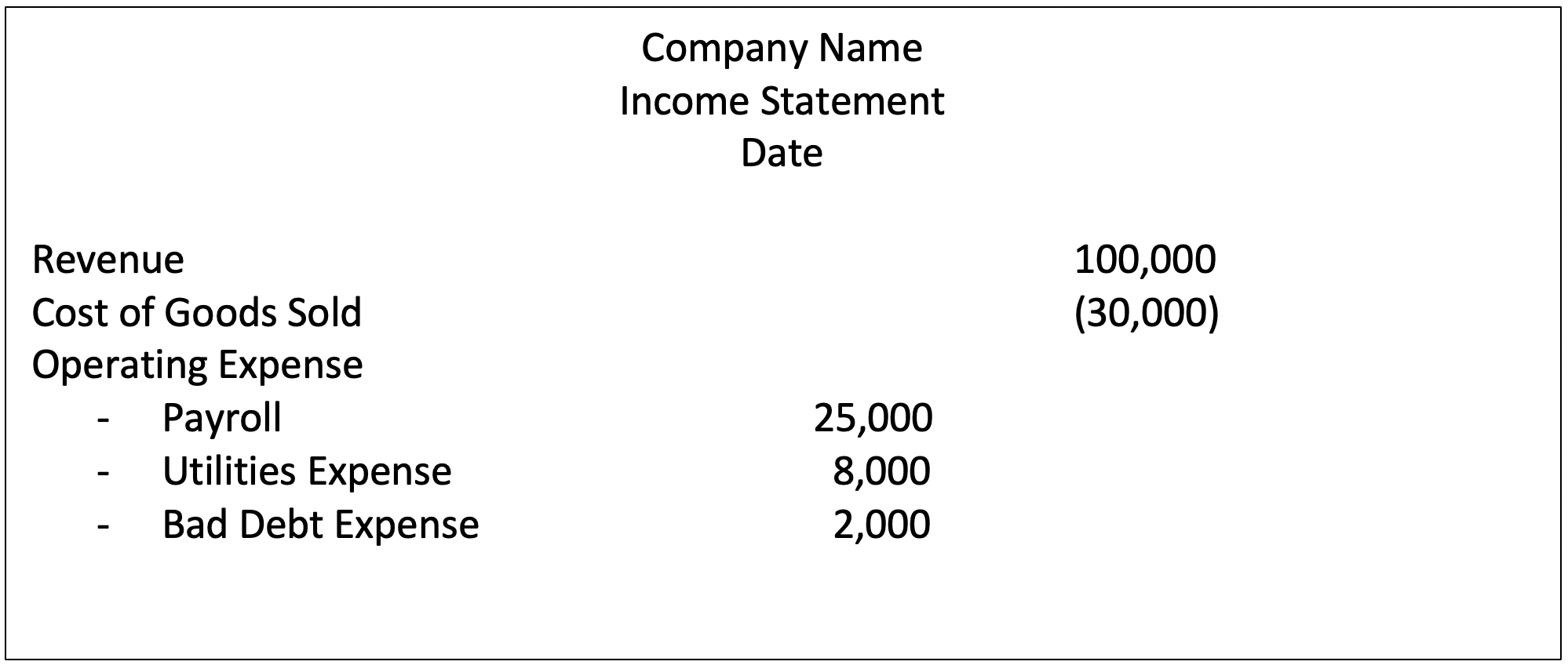
- Income Statement: The adjustment is recorded as "Bad Debt Expense." This reduces net income, reflecting the cost of doing business on credit.
- Statement of Cash Flows: Since the creation of the allowance is a non-cash accounting entry, it is typically added back to net income in the operating activities section when using the indirect method to determine cash flow from operations.
Practical Considerations for Businesses
Implementing an allowance for bad debt requires ongoing vigilance. As the economic environment shifts, the historical percentages used to calculate the allowance may no longer be accurate. For example, if a specific industry faces a downturn, the risk of default across the board may rise.
Businesses should perform a periodic review of their "Allowances for Doubtful Accounts" to ensure that the estimates are reasonable. Auditors often pay close attention to this account, as it is a subjective area where management could potentially manipulate earnings by underestimating losses to make the company appear more profitable. Maintaining clear, documented justification for the percentages used—based on historical collection data—is essential for compliance and transparency.
Common Mistakes in Managing Bad Debt
Even well-managed companies can fall into common traps when establishing their allowance:
- Ignoring Economic Trends: Using historical data from a period of high economic growth to estimate future losses during a recession will likely lead to an underestimation of bad debt.
- Lack of Documentation: Auditors require evidence for the chosen percentages. Failing to maintain records of aged receivables or collection history makes it difficult to defend the account balance.
- Failure to Update Estimates: The allowance should not be a "set it and forget it" figure. Periodic adjustments are required as the composition of the accounts receivable balance changes.
- Misclassifying Write-offs: Confusing the act of writing off an account with the act of adjusting the allowance can lead to double-counting or inaccurate expense reporting.
Frequently Asked Questions
Is the allowance for bad debt a cash expense? No. Creating or adjusting the allowance is a non-cash accrual entry. It involves increasing a contra-asset account and recording an expense on the income statement, but no actual cash leaves the company’s bank account at that time.
What happens when a customer finally pays a debt that was already written off? If a specific debt was previously written off against the allowance and the customer later pays, the company must reverse the write-off. This involves debiting accounts receivable and crediting the allowance account, then recording the cash receipt as a reduction of the accounts receivable balance.
Does the allowance method apply to all businesses? While large companies are required to use the allowance method under GAAP to maintain consistency, very small businesses that do not have significant credit sales may use the direct write-off method. However, if accounts receivable are material to the financial statements, the allowance method is considered best practice.
How often should the allowance be updated? Most businesses review and adjust their allowance at the end of each reporting period—monthly, quarterly, or annually. The frequency should align with the size of the accounts receivable portfolio and the level of risk associated with the customer base.
Why do auditors focus on the allowance for bad debt? Because the allowance is based on an estimate, it is prone to management bias. Auditors review the methodology and the assumptions behind the percentages to ensure that management is not manipulating the company's net income by creating an intentionally low or high reserve.
Next Steps for Financial Management
To maintain robust internal controls, start by conducting a comprehensive aging analysis of your current accounts receivable. Once the aging schedule is complete, apply consistent percentages—backed by historical collection data—to each aging bucket. Ensure these calculations are documented and reviewed by your accounting department to maintain compliance with financial standards. If your bad debt expense exceeds expectations consistently, it may be time to revisit your credit granting policies to reduce risk at the source.