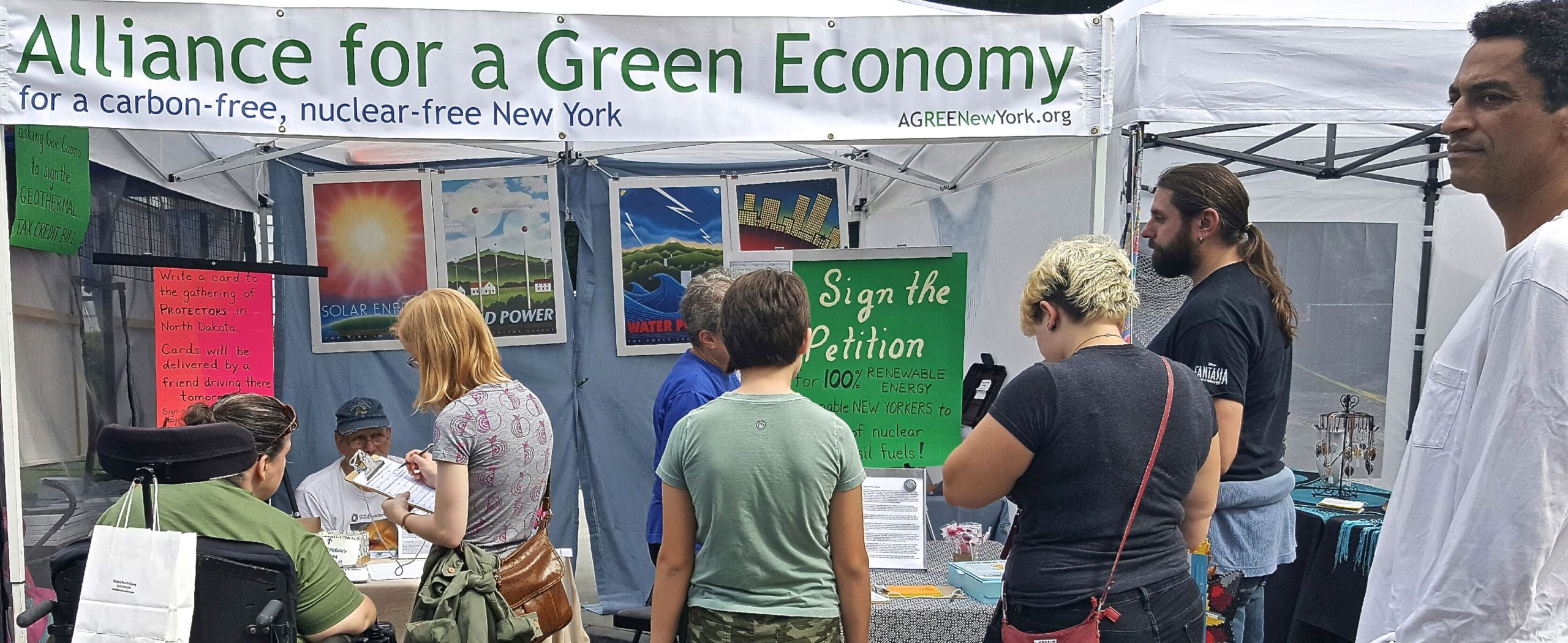
Securing life insurance as a green homeowner requires evaluating how specialized home infrastructure, such as solar arrays, geothermal systems, and eco-friendly construction materials, affects your financial profile and coverage needs. "Alliance contact life insurance" typically refers to identifying the primary communication channels or regional brokerage networks—such as the Alliance of Insurance Agents or specific carrier-affiliated "Alliances"—to ensure that your unique property investments are properly accounted for in your total financial planning.
Understanding the Intersection of Sustainability and Insurance
For homeowners who have invested heavily in sustainable technology, the primary goal of financial planning is to ensure that these assets are protected while simultaneously leveraging them to optimize life insurance premiums. In 2026, many insurance carriers have adjusted their underwriting guidelines to better account for the increased property value and potential liability associated with green residential technology.
When seeking an "Alliance contact" to discuss your life insurance needs, you are generally looking for a broker or a direct carrier representative who understands "green" assets. These professionals must distinguish between standard residential insurance—which covers the home structure—and life insurance, which provides the liquidity your beneficiaries need to maintain or sell that property in the event of your passing. If your home has significant equity tied to green upgrades, your life insurance strategy must ensure that your heirs can afford the ongoing maintenance or the potential estate tax burden associated with a high-value, high-efficiency home.
The Role of the Alliance in Your Insurance Strategy
The term "Alliance" often refers to professional networks of independent insurance agents who aggregate policies from multiple carriers. For a green homeowner, working through an alliance is often superior to a single-carrier approach. An alliance agent acts as a fiduciary-adjacent party, scanning the market for carriers that offer specific discounts or riders for "green" policyholders.
In 2026, the marketplace for life insurance has become increasingly granular. Some carriers now offer "Eco-Premium" incentives, where homeowners who can prove a specific standard of energy efficiency (such as LEED certification or a HERS index score below a certain threshold) may be eligible for favorable underwriting classifications. By contacting an alliance-affiliated agent, you can aggregate your home insurance, umbrella coverage, and life insurance, potentially unlocking multi-policy discounts that account for the modern, high-value nature of sustainable homes.
Identifying Your Coverage Requirements
Before making an "alliance contact" to discuss your life insurance, you must establish a clear financial baseline. Green homeowners often have specific financial considerations that differ from the average consumer:
- Estate Liquidity: If your home is your largest asset, your life insurance must cover the "exit cost." This includes the capital required for heirs to pay off a mortgage or cover potential maintenance costs until a sale is finalized.
- Liability Offsetting: Does your home produce energy? If you have grid-tied solar panels, you may have specific liability insurance requirements. Your life insurance policy should serve as a safety net if your estate is sued for incidents related to home-energy infrastructure.
- Debt Management: If you financed your green retrofits (e.g., through a PACE loan or a home equity line of credit), your life insurance benefit should be sufficient to clear these specific debts.
Comparison of Financial Protection Strategies for Green Homeowners
| Asset Type | Insurance Concern | Recommended Coverage Strategy |
|---|---|---|
| Solar PV Systems | Property damage/liability | Term life insurance to cover remaining equipment debt |
| Geothermal HVAC | High repair/replacement costs | Universal life with a cash-value growth component |
| LEED Certified Home | High resale value | Whole life policy for estate tax liquidity |
| Battery Storage | Fire risk/Safety requirements | Increased umbrella coverage + life insurance |
Steps to Contact and Consult with Insurance Professionals
When you are ready to reach out to an alliance network, follow this structured approach to ensure you receive advice tailored to your sustainable lifestyle.
1. Gather Your Documentation
Before the initial meeting, organize the following:
- Energy Efficiency Certifications: Documents showing your HERS score, LEED or Passive House certification.
- Asset Appraisals: Updated property appraisals that account for the premium value of your green infrastructure.
- Loan Details: Statements for any specialized financing used for your retrofits.
2. Verify Credentials
Ensure that the alliance member you are contacting has experience with "High-Net-Worth" (HNW) or "Specialized Residential" insurance. Ask them directly: "Do you have experience underwriting policies for clients with substantial investment in renewable energy infrastructure?"
3. Conduct a Needs Assessment
During your consultation, ask the agent to perform a "Gap Analysis." This will help determine if your current life insurance coverage is sufficient to cover the specific, non-depreciating value of your green upgrades.
Frequently Asked Questions (FAQ)
Does my solar panel system affect my life insurance premiums? Generally, your life insurance premium is based on health and age, not your home’s infrastructure. However, by using an alliance agent to bundle your home and life insurance, you may qualify for discounts that reduce the overall cost of your financial portfolio.
Can I get a discount on life insurance for having a green home? Direct discounts on life insurance specifically for "green homes" are rare. However, many insurers in 2026 are launching ESG (Environmental, Social, and Governance) initiatives that favor policyholders with sustainable investments, which can sometimes lead to lower overall administrative fees.
Should I list my solar panels as an asset in my life insurance application? While you do not typically list specific home appliances, you should disclose the increased property value. A high-value home necessitates a larger death benefit to ensure your family can maintain or manage the property effectively.
What happens to my green home's insurance if I pass away? If your insurance is through an alliance-managed policy, your beneficiaries should contact the agent immediately. A well-structured policy will provide the liquidity to cover the mortgage and the ongoing maintenance costs of complex systems like geothermal pumps or battery arrays.
Is there a specific "Green Homeowner" life insurance product? There is no single "Green Homeowner" life insurance product. Instead, the strategy involves choosing a high-quality carrier that recognizes the modern value of sustainable homes and integrating that into a comprehensive financial plan through an alliance brokerage.
Professional Advice Limitations
The information provided here is for educational purposes and does not constitute financial, legal, or tax advice. Life insurance is a complex financial instrument. You should consult with a certified financial planner (CFP) or a licensed insurance professional to discuss your unique circumstances and the specific statutes applicable in your jurisdiction as of 2026.
Recommended Next Action
Your first step should be to compile your home’s energy efficiency documentation and contact a regional insurance alliance that specializes in high-value or sustainable residential properties. Request a "Portfolio Review" that explicitly includes both your home’s physical infrastructure and your long-term life insurance needs.