Not all Transformers movies are connected within a single, linear continuity. While the franchise began with a unified series directed by Michael Bay, subsequent entries—including prequels and spin-offs—have introduced reboots, divergent timelines, and standalone narratives, leading to a complex collection of films that operate under different storytelling frameworks.
The Evolution of the Transformers Cinematic Universe
To understand how the Transformers films are connected, one must first look at the production history of the franchise. The live-action film series, produced by Paramount Pictures in association with Hasbro, has undergone significant structural changes since the release of the first film in 2007. Initially, the franchise functioned as a single, cohesive universe, but as the scope of the films expanded, the creative team shifted toward a multi-timeline approach.
The primary point of confusion for many viewers stems from the transition between the "Bayverse"—the original five films directed by Michael Bay—and the more recent, stylistically distinct entries. When analyzing the connectivity of these movies, it is helpful to categorize them based on their narrative architecture: the Original Continuity, the Reboot Era, and the Prequel/Spin-off category.
The Original Continuity: The Bayverse (2007–2017)
The first five live-action Transformers films form a singular, interconnected saga. This sequence, often referred to by fans as the "Bayverse," is defined by a consistent overarching plot involving the conflict between the Autobots and the Decepticons on Earth, often centered around human protagonists Sam Witwicky and, later, Cade Yeager.
- Transformers (2007): Establishes the arrival of the Transformers on Earth and the search for the AllSpark.
- Transformers: Revenge of the Fallen (2009): Continues the story, introducing the concept of the Primes and the Sun Harvester.
- Transformers: Dark of the Moon (2011): Shifts the focus to the Space Race and the hidden history of the Autobots on the Moon.
- Transformers: Age of Extinction (2014): Features a soft reset of the human cast while maintaining continuity with previous events, introducing the Dinobots and the creators of the Transformers.
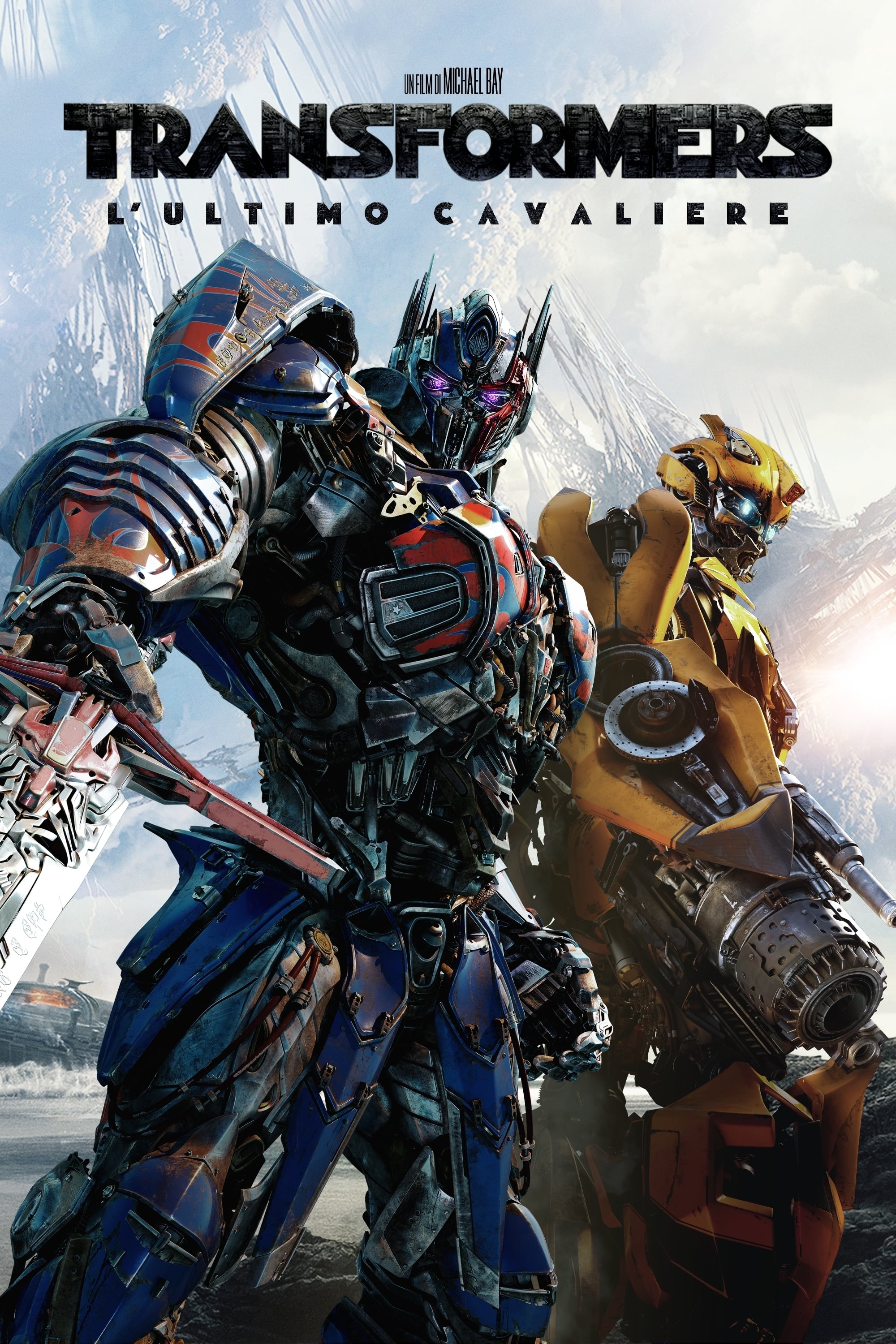
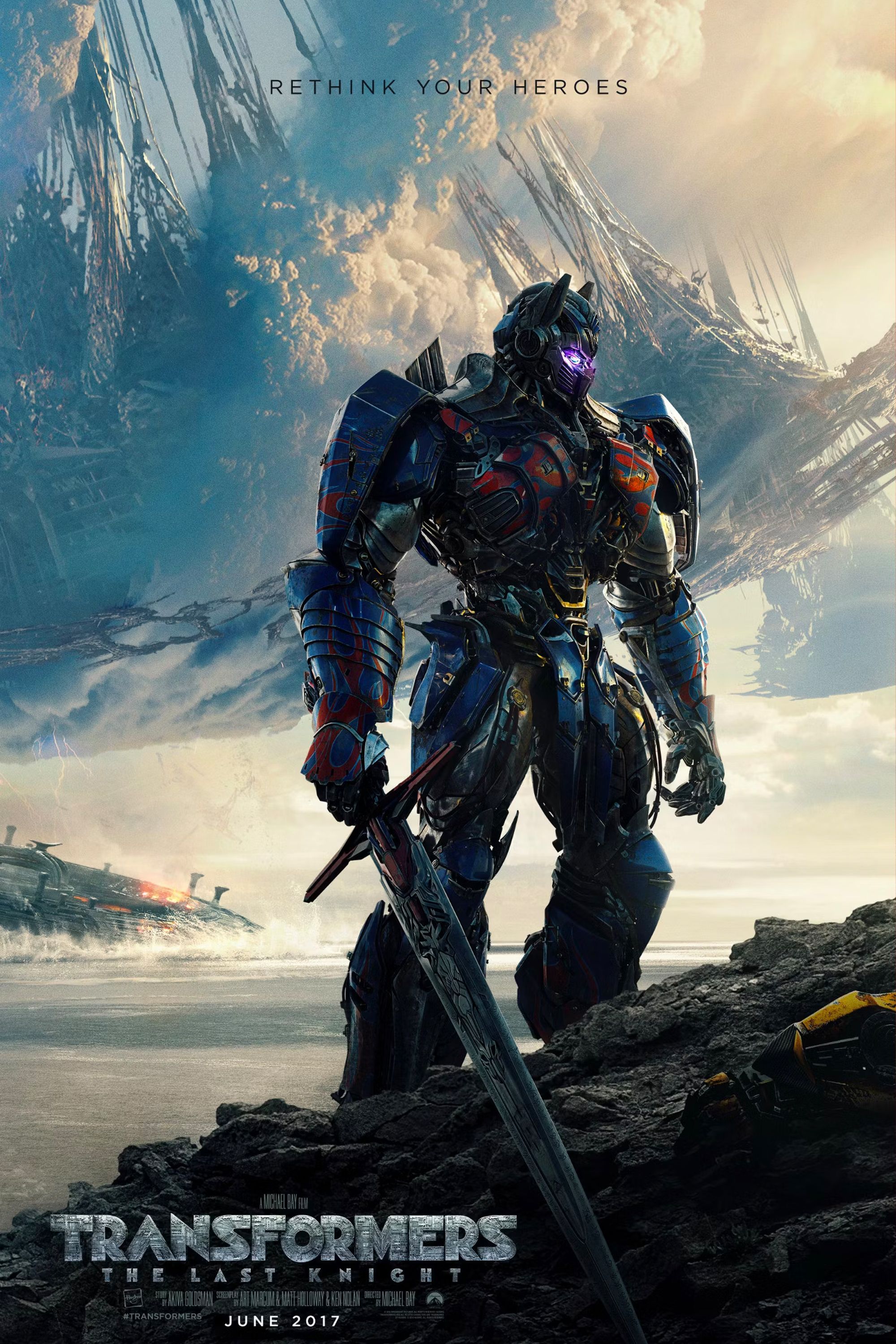
- Transformers: The Last Knight (2017): Ties the Transformers’ history to Earth’s folklore, specifically the Arthurian legends, while concluding the direct narrative arc of the first five films.
These five films are strictly connected. Events in Revenge of the Fallen are direct consequences of Transformers, and the geopolitical climate of the later films is heavily influenced by the public exposure of Cybertronian existence in the earlier chapters.
The Reboot Era and Divergent Timelines
Following the release of The Last Knight, the studio sought to revitalize the franchise. This led to the creation of Bumblebee (2018). While initially marketed as a prequel to the 2007 film, its narrative choices—most notably the design of the Transformers and the specific timeline of their arrival on Earth—conflicted with the established history of the Bayverse.
Consequently, Bumblebee is now widely considered the starting point of a "Rebooted Universe." This new timeline does not share the same historical events as the 2007–2017 series. Following Bumblebee, the film Transformers: Rise of the Beasts (2023) continued this new continuity, further distancing itself from the previous narrative constraints by introducing elements like the Maximals and the Predacons, which were not part of the original five-film saga.
Comparative Analysis of Continuity Segments
The following table outlines how different segments of the franchise relate to one another, highlighting the shift from a singular continuity to a multiverse-style approach.
| Film Grouping | Years Released | Continuity Status | Connection Style |
|---|---|---|---|
| Bayverse Saga | 2007–2017 | Linear/Unified | Sequential narrative arc |
| Reboot Universe | 2018–Present | Independent | New, separate timeline |
| Standalone/Prequel | Varies | Ambiguous | Narrative overlap but disconnected canon |
The Role of "Transformers One" and Animated Expansions
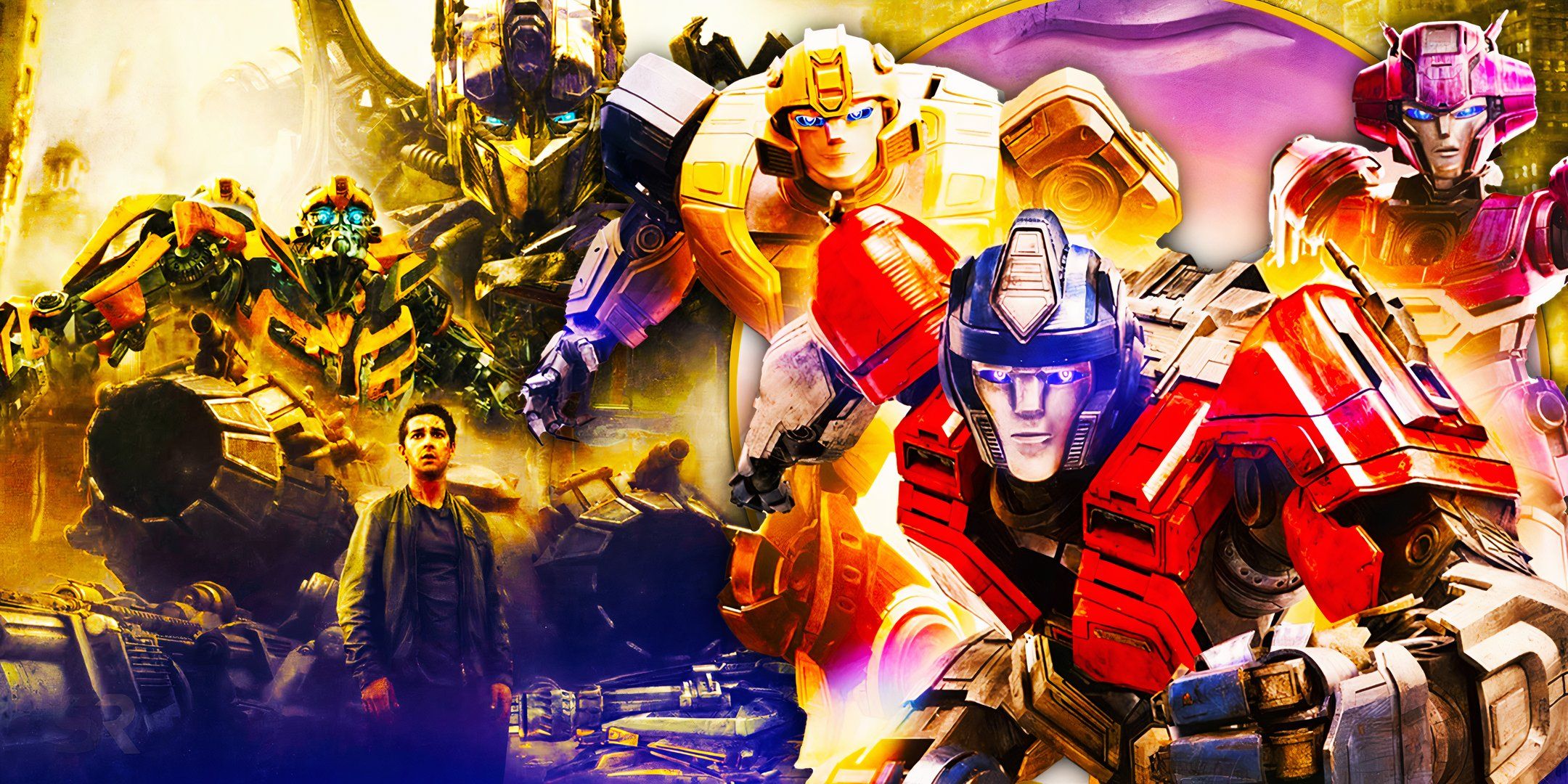
In 2024, the release of Transformers One introduced an entirely new dimension to the discussion of connectivity. As an animated feature film, Transformers One serves as an origin story for Optimus Prime and Megatron set entirely on Cybertron. Because it exists outside of the live-action aesthetic and narrative constraints, it functions as a standalone piece of mythology. While it provides "canonical" background for characters, it does not fit into the live-action timelines. This confirms that the Transformers brand operates as a collection of different "universes," much like the source material in the comic books or the various animated series produced over the last four decades.
Why the Confusion Persists
The perception that all Transformers movies are connected is largely due to the shared naming convention and the reuse of iconic characters like Optimus Prime, Bumblebee, and Megatron. To a casual viewer, seeing the same characters in different films implies a chronological connection. However, the franchise frequently employs "soft reboots." A soft reboot maintains certain elements (like character names and basic personality traits) but resets the history and circumstances of those characters.
Understanding this distinction is vital for viewers who want to experience the story in order. If you watch the movies as a single block, the inconsistencies in history (such as when the Transformers first arrived on Earth) become glaring. By viewing them as distinct narrative clusters, the storytelling decisions in films like Rise of the Beasts make much more sense, as they are not beholden to the specific plot points established in 2007.
Frequently Asked Questions
1. Should I watch the Transformers movies in release order to understand the story? Not necessarily. While release order is the standard way to consume a franchise, doing so for the Transformers series will result in narrative whiplash because the continuity shifts significantly after 2017. It is more effective to watch the 2007–2017 films as one unit and the 2018–present films as a separate, newer unit.
2. Is Bumblebee (2018) a prequel to the first Transformers movie? Although it was originally developed with that intent, the film eventually diverged from the established continuity of the 2007 movie. Most fans and the production team now treat Bumblebee as the beginning of a separate, rebooted film universe rather than a direct prequel to the Michael Bay films.
3. Are there any post-credits scenes that connect the two universes? No. There are no post-credits sequences that act as a bridge between the Bayverse and the Reboot Universe. Each segment is functionally self-contained. The films focus on building their own internal logic rather than creating a shared crossover narrative.
4. Why are there so many different Transformers timelines? The Transformers franchise is based on decades of multi-media history, including comics, cartoons, and toys. Each iteration often reimagines the origin story. The film studios have adopted this "multiverse" approach to allow directors more creative freedom without being trapped by the complex and sometimes contradictory history of the earlier films.
5. Does watching Transformers One help me understand the live-action movies? Transformers One provides context for the personalities and historical rivalry between the lead characters, which can enrich your experience of the live-action films. However, it is not required viewing, as the live-action films explain the necessary character motivations within their own specific scripts.
Recommendations for Viewers
If your goal is to understand the full scope of the Transformers live-action output, begin with the original 2007 film and follow it through The Last Knight. This will provide you with the complete "Bayverse" experience. Once you have finished that, start a new viewing session with Bumblebee and Rise of the Beasts to experience the modern, rebooted approach to the characters.
For those who prefer a more streamlined experience, focus on the Reboot Universe. The storytelling in the newer films is often cited by critics and audiences as being more character-driven and coherent compared to the high-octane, action-heavy approach of the earlier films. Regardless of the path you choose, remember that these stories are reimagined versions of classic icons, and treating them as distinct artistic iterations will provide the most satisfying viewing experience.