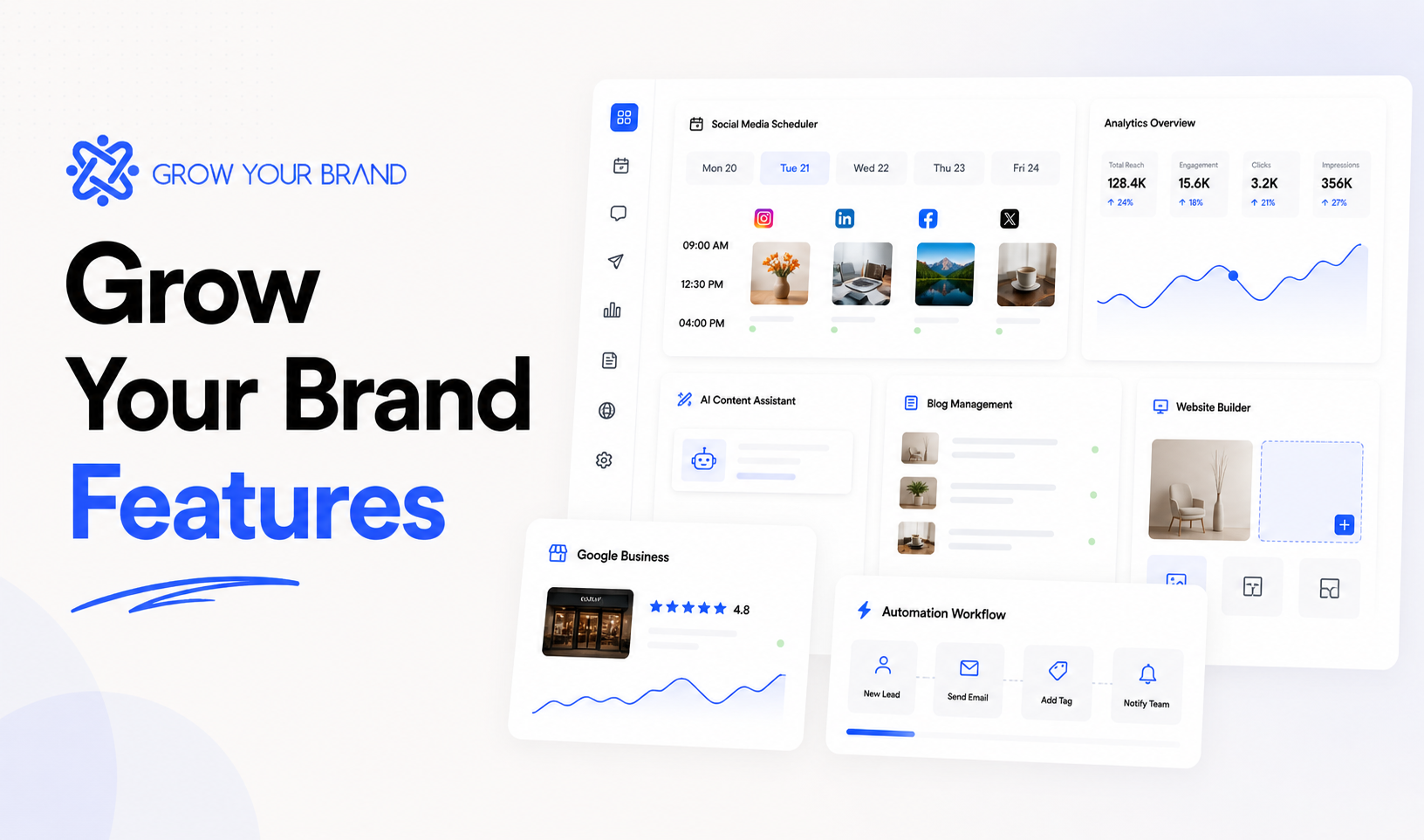
An all-in-one marketing platform is a unified software suite that consolidates essential digital tools—including CRM, email marketing, social media management, automation, and analytics—into a single interface. By centralizing data and workflows, these platforms eliminate "tool sprawl," improve lead attribution, and enable businesses to execute complex, omnichannel strategies with significantly higher efficiency.
The Evolution of Marketing Consolidation in 2026
The marketing technology landscape has shifted from a fragmented "best-of-breed" approach toward a more cohesive "Marketing Operating System" model. In 2026, the primary challenge for businesses is no longer finding a tool for a specific task, but rather ensuring that data flows seamlessly between those tasks. An all-in-one marketing platform serves as the central nervous system for a company’s growth efforts, connecting the dots between the first touchpoint and the final sale.
Historically, marketers managed separate subscriptions for email, landing pages, and customer relationship management (CRM). This often led to "data silos," where information gathered in one tool was invisible to another. Today, integrated platforms use a unified data layer, meaning a customer’s interaction with a LinkedIn ad immediately updates their profile in the CRM and triggers a personalized follow-up via SMS or email. This level of synchronization is no longer a luxury but a baseline requirement for maintaining competitiveness in a high-speed digital economy.
Core Components of a Modern Integrated Suite
To be truly "all-in-one," a platform must go beyond simple feature lists. It requires deep integration where each module informs the others. When evaluating these systems, four "pillars" define their effectiveness:
1. The Unified Customer Relationship Management (CRM)
The CRM is the foundation. Unlike standalone CRMs, the version found in an all-in-one platform is "marketing-aware." It doesn't just store contact details; it records every digital footprint, from page views to webinar attendance. In 2026, these CRMs utilize identity resolution to track users across devices, ensuring that a lead's journey is mapped accurately even if they switch from a mobile browser to a desktop application.
2. Omnichannel Automation Engines
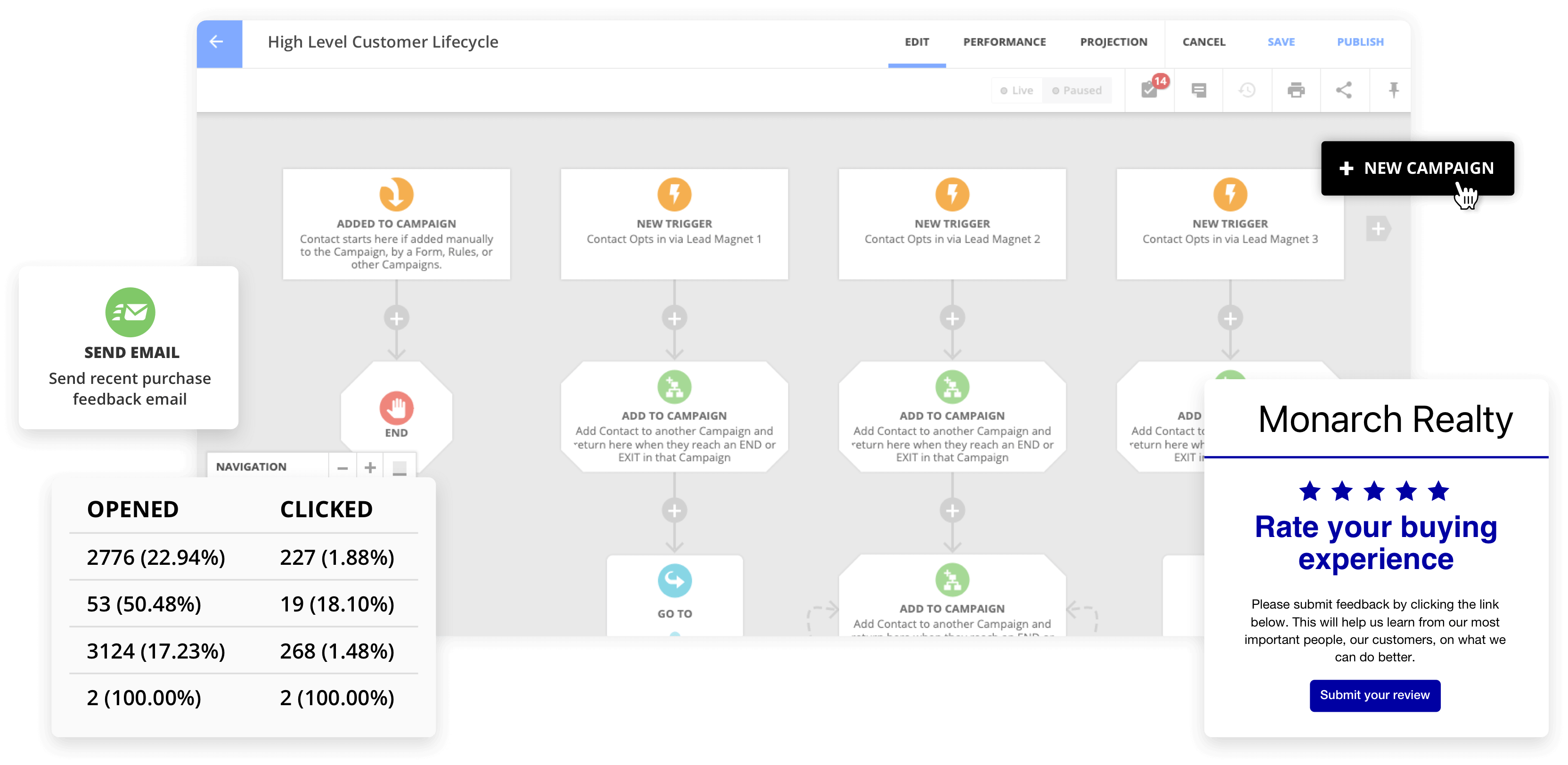
Automation has moved past simple "if-this-then-that" sequences. Modern platforms allow for multi-path journeys that adapt in real-time. For example, if a prospect ignores an email but engages with a retargeting ad, the system can automatically pivot the next communication to a different channel, such as WhatsApp or a personalized direct mail trigger. This ensures the brand remains relevant without being repetitive.
3. AI-Driven Content and Optimization
By 2026, generative AI is deeply embedded within these platforms. It is used for more than just writing copy; it is used for predictive content delivery. The platform analyzes which headlines, images, and send times result in the highest conversions for specific segments and automatically adjusts campaigns. This reduces the manual burden of A/B testing, allowing marketers to focus on high-level strategy rather than micro-adjustments.
4. Advanced Attribution and Analytics
One of the greatest advantages of a centralized platform is the ability to see the full "closed-loop" reporting. Because the platform manages both the top-of-funnel (ads/social) and the bottom-of-funnel (sales/CRM), it can provide accurate multi-touch attribution. Marketers can see exactly which blog post or social interaction contributed to a high-value sale, enabling better budget allocation.
All-in-One vs. Best-of-Breed: Making the Strategic Choice
The decision to move to an integrated platform often involves a trade-off between depth and breadth. Understanding this tension is critical for long-term scalability.
- The Best-of-Breed Approach: This involves picking the absolute best tool for every category (e.g., the best specialized email tool, the best specialized SEO tool). While this offers maximum features, it creates high "integration debt." Teams often spend more time fixing API connections and reconciling disparate data sets than actually marketing.
- The All-in-One Approach: These platforms provide 80-90% of the functionality of specialized tools but deliver 100% data harmony. For most small to mid-sized enterprises (SMEs) and even large corporations, the gain in departmental speed and data accuracy far outweighs the loss of niche, high-end features found in specialized software.
According to research from organizations like the Marketing Technology Council, companies using integrated suites report a 25% reduction in administrative overhead compared to those managing more than five separate marketing vendors.
Critical Requirements for Selection in 2026
When auditing potential platforms, you must look beyond the marketing site's promises and evaluate the technical infrastructure.
Data Portability and Open APIs
Even though you are choosing an "all-in-one" solution, you should never be trapped in a "walled garden." Ensure the platform has a robust, well-documented API. As your business grows, you may need to connect specialized ERP (Enterprise Resource Planning) or proprietary billing systems. A platform that doesn't play well with others will eventually become a bottleneck.
Privacy and Compliance Frameworks
With the global tightening of data privacy laws, your platform must handle consent management natively. It should be able to track opt-ins across every channel and automatically purge or anonymize data according to regional regulations like GDPR, CCPA, or updated 2026 standards. Platforms that offer "privacy by design" reduce the legal risk for your organization.
Scalability of User Seats and Data Volume
Many platforms look affordable at the entry level but implement aggressive pricing "cliffs" as your database grows. Analyze the cost of scaling from 10,000 to 100,000 contacts. Furthermore, check the "seat" limitations; a marketing platform is most effective when sales, customer success, and marketing all have visibility into the same data.
Comparative Analysis of Platform Tiers
The following table outlines the typical expectations for all-in-one marketing platforms based on the scale of the business and the technical requirements.
| Feature Category | Starter / Soloist Tier | Growth / SME Tier | Enterprise Tier |
|---|---|---|---|
| Primary Focus | Lead Capture & Email | Automation & Conversion | Scalability & Attribution |
| CRM Capacity | Basic Contact Lists | Segmented Lead Scoring | Global Account Management |
| AI Capabilities | Content Assistance | Predictive Send Times | Autonomous Campaign Optimization |
| Support Levels | Documentation/Chat | Priority Email/Phone | Dedicated Account Manager |
| Integration Needs | Native Zapier/Plug-ins | Bi-directional Syncs | Custom API / SDK Access |
| Typical Monthly Cost | $50 - $200 | $500 - $2,500 | $5,000+ |
Step-by-Step Implementation Strategy
Migrating to an all-in-one marketing platform is a significant operational shift. Following a structured roadmap prevents data loss and team burnout.
- Inventory Your Current Stack: List every tool you currently pay for, including small "add-ons" for pop-ups, form builders, or link shorteners. Most of these will be replaced by the new platform.
- Data Cleansing: Before importing data into the new CRM, perform a thorough "scrub." Remove inactive subscribers, fix formatting errors in names and addresses, and eliminate duplicates. Importing "dirty" data into a new system will only lead to inaccurate AI predictions later.
- Map Your Customer Journey: Define the stages a lead takes from "Stranger" to "Customer." Build these stages into the platform's lifecycle settings before you start building campaigns.
- The "Pilot" Campaign: Do not move everything at once. Pick one high-value campaign—such as a lead magnet or an email nurture sequence—and build it entirely within the new platform. This allows you to test the automation logic and tracking without risking your entire revenue stream.
- Training and Adoption: The platform is only as good as the people using it. Schedule mandatory training sessions for every department that will touch the software. Ensure the sales team knows how to read the marketing engagement data within the CRM.
Common Pitfalls to Avoid
Even with the best software, implementation can fail due to strategic errors. One of the most common mistakes is feature overwhelm. Because these platforms do so much, teams often try to turn on every feature in the first week. This leads to complex, broken automations and a frustrated staff. Focus on the core features—CRM and Email—first, then layer in social media, SMS, and advanced AI features as you gain proficiency.
Another pitfall is ignoring mobile responsiveness in the platform's page builders. While most platforms in 2026 prioritize "mobile-first" design, it is still vital to manually verify that every landing page and email template renders correctly across various devices and dark-mode settings.
Frequently Asked Questions
Is an all-in-one platform more expensive than buying separate tools?
Initially, the "sticker price" of an all-in-one platform can seem higher than a single email tool. However, when you aggregate the costs of a separate CRM, landing page builder, social media scheduler, and the "integration software" (like Zapier) needed to connect them, the all-in-one platform almost always results in a lower total cost of ownership (TCO). Furthermore, you save significant costs in terms of human labor and reduced technical troubleshooting.
How long does it typically take to migrate to a new integrated platform?
For a small business with a clean database, migration can take 2 to 4 weeks. For mid-sized enterprises with complex automation needs and large datasets, the process can take 3 to 6 months. This timeline includes data mapping, building out new templates, and ensuring all team members are trained.
Can I still use my favorite specialized tool alongside an all-in-one platform?
Yes. Most modern platforms, such as HubSpot or Salesforce Marketing Cloud, offer "app marketplaces" where you can integrate specialized tools (like a specific webinar platform or an advanced SEO suite). The goal of the all-in-one platform is to be the "hub," but it can still have "spokes" that connect to specialized third-party software.
Does an all-in-one platform help with SEO?
While SEO is largely a manual and strategic process, these platforms provide the technical infrastructure to support it. They typically include built-in SEO auditors for landing pages, automatic sitemap generation, and integration with search consoles. More importantly, they help you track how SEO-driven traffic converts into leads, providing a clearer ROI than standalone SEO tools.
What is the impact of AI on these platforms in 2026?
AI has shifted from being a "sidebar feature" to the core engine of the platform. In 2026, AI manages dynamic segmenting, where it automatically moves users into different marketing buckets based on their real-time behavior. It also handles "autonomous testing," where the system tests thousands of variations of a page or email simultaneously to find the optimal conversion path.
Final Recommendation for 2026
For businesses looking to scale in 2026, the transition to an all-in-one marketing platform is a strategic necessity rather than a technical upgrade. The ability to have a single "source of truth" for customer data allows for the level of personalization and speed that modern consumers expect.
If you are currently struggling with data silos or high subscription costs across multiple vendors, your next action should be to conduct a "stack audit." Identify the total cost of your current fragmented tools and compare it against a mid-tier integrated platform. The efficiency gains in reporting and campaign execution will likely provide an immediate and measurable return on investment.