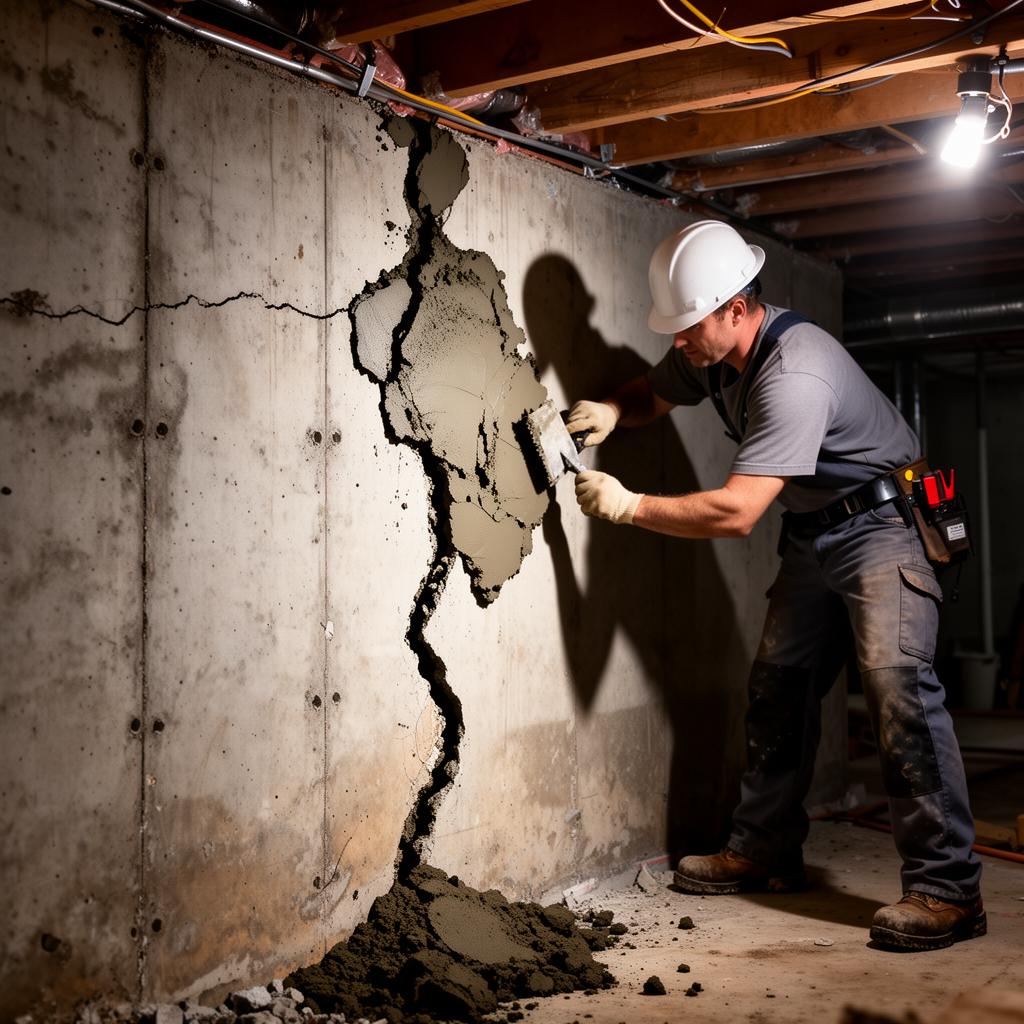
Align Concrete Lifting LLC provides specialized structural stabilization and concrete restoration services using high-density polyurethane injection and piering systems. These remediation services address foundation settlement, uneven slabs, and structural instability in residential and commercial properties, offering a non-invasive, durable alternative to traditional concrete replacement and heavy excavation methods.
Understanding Structural Remediation and Concrete Lifting in 2026
Structural remediation is a comprehensive engineering and construction approach aimed at restoring the integrity of a building or infrastructure element that has suffered from settlement, erosion, or environmental degradation. In 2026, the industry has moved toward minimally invasive technologies that prioritize speed, environmental safety, and long-term soil stabilization. Align Concrete Lifting LLC operates at the intersection of geotechnical engineering and practical repair, focusing on the two most common structural failures: sinking concrete slabs and failing foundations.
The primary goal of these services is to return a structure as close to its original grade as possible, a process often referred to in the industry as "alignment." When soil loses its load-bearing capacity due to moisture fluctuations, poor compaction, or erosion, the heavy structures above them—whether a driveway, a warehouse floor, or a home’s foundation—begin to shift. This movement leads to secondary damage, including wall cracks, sticking windows, and safety hazards. Professional remediation addresses the root cause of the movement rather than merely masking the cosmetic symptoms.
The Technical Process of Polyurethane Concrete Lifting
Often called "polyjacking," polyurethane concrete lifting is the modern successor to traditional mudjacking. This process involves injecting a specialized, multi-part polymer foam beneath a sunken concrete slab. As the chemical reaction occurs, the foam expands rapidly, filling voids and providing the upward pressure necessary to lift the concrete.
Precision Injection and Expansion
The process begins with the drilling of small, penny-sized holes in the affected concrete. Through these ports, high-density polyurethane is injected. The material used by Align Concrete Lifting LLC is specifically engineered to handle high loads and resist moisture. Unlike traditional mudjacking slurry, which is heavy and can further compress underlying soil, polyurethane is lightweight—roughly 3 to 5 pounds per cubic foot—meaning it does not add significant weight to an already unstable soil base.
Soil Stabilization and Void Filling
Beyond simply lifting the slab, the foam expands into the microscopic voids of the soil itself. This "permeation grouting" effect stabilizes the ground, creating a solid, waterproof base that prevents future erosion. Because the foam is closed-cell, it does not wash away or break down over time, even in areas with high water tables or significant seasonal rainfall.
Curing and Return to Service
One of the most significant advantages of polyjacking in 2026 is the speed of recovery. While traditional concrete replacement requires days for pouring and curing, polyurethane-lifted slabs are ready for full weight-bearing loads within 15 to 30 minutes of application. This makes it the preferred choice for high-traffic commercial environments and essential residential access points like garage floors and main entryways.
Comprehensive Foundation Repair Strategies
While concrete lifting addresses horizontal surfaces, foundation repair focuses on the vertical load-bearing elements of a structure. When a home’s foundation settles, it is usually due to the "active zone" of the soil—the upper layers that expand and contract with moisture. Align Concrete Lifting LLC utilizes structural remediation techniques that bypass these unstable layers.
Piering Systems: Helical and Push Piers
For deep-seated foundation issues, piering is the gold standard. Push piers use the weight of the building itself to drive high-strength steel tubes down into load-bearing strata or bedrock. Once the piers reach a predetermined pressure or "refusal," heavy-duty brackets transfer the weight of the home from the unstable soil to the piers.
Helical piers, on the other hand, are screwed into the ground independently of the building's weight. These are particularly effective for lighter structures, such as porches or additions, or in soil conditions where the building’s weight is insufficient to drive a push pier. The installation of these systems is monitored using hydraulic torque gauges to ensure each pier can support the calculated load of the structure.
Foundation Wall Stabilization
In addition to settlement, foundations often suffer from lateral (sideways) pressure. Hydrostatic pressure from saturated soil can cause basement or crawlspace walls to bow inward. Remediation services for this include the installation of carbon fiber straps or steel wall braces. Carbon fiber is particularly favored in 2026 for its high tensile strength and low profile, allowing homeowners to paint over the repair without losing interior square footage.
Indicators That Professional Remediation is Required
Structural issues rarely improve on their own; typically, the longer a problem persists, the more expensive the eventual repair becomes. Property owners should monitor their structures for specific "red flags" that indicate soil failure or foundation movement.
- Fractures in Exterior Masonry: Diagonal cracks in brickwork or "stair-step" cracks in mortar joints are classic signs of foundation settlement.
- Interior Drywall Cracks: Look for cracks radiating from the corners of door frames and windows, or horizontal cracks where the wall meets the ceiling.
- Uneven or Bouncing Floors: If a floor feels "spongy" or if a ball rolled across the floor consistently moves toward one wall, the subfloor or foundation may have shifted.
- Separation of Additions: Chimneys or room additions that appear to be "pulling away" from the main structure indicate a localized foundation failure.
- Poor Drainage and Soil Voids: Visible gaps between the soil and the foundation, or areas where water pools against the house, often lead to the erosion that necessitates concrete lifting.
Comparison of Remediation Methods
When evaluating structural repair options, it is essential to compare the longevity, cost-effectiveness, and impact on the property.
| Method | Primary Use | Durability | Time to Completion | Landscape Impact |
|---|---|---|---|---|
| Polyjacking | Slabs, driveways, sidewalks | Permanent (waterproof) | 1–3 hours | Minimal (small holes) |
| Mudjacking | Heavy industrial slabs | Moderate (can erode) | 1–2 days | Moderate (larger holes) |
| Piering | Foundation settlement | Lifetime (structural) | 3–7 days | High (excavation req.) |
| Replacement | Severely crumbled concrete | 20–30 years | 5–10 days | Very High (heavy machinery) |
| Carbon Fiber | Bowing foundation walls | Permanent (tensile) | 1 day | None (interior) |
The Science of Soil and Structural Loads
The effectiveness of Align Concrete Lifting LLC's services is rooted in geotechnical science. Soil is not a static platform; it is a complex mixture of minerals, air, and water. In many regions, expansive clays pose the greatest threat to structural stability. These clays swell when wet and shrink when dry, creating a constant "heaving" motion that can snap concrete foundations.
Structural remediation works by either stabilizing the moisture content of this soil or by bypassing the unstable soil entirely. When high-density foam is injected, it acts as a root system, interlocking with the soil particles to increase the overall shear strength of the ground. In foundation piering, the goal is to reach the "stable zone," the depth at which moisture levels remain constant year-round, ensuring that the building remains level regardless of surface weather conditions.
For more technical information on soil behavior and foundation standards, the American Society of Civil Engineers (ASCE) provides extensive documentation on residential foundation design and repair criteria.
Cost Factors in 2026
The cost of foundation repair and concrete lifting is highly variable and depends on several site-specific factors. Property owners should be wary of "flat-rate" quotes, as structural work requires a custom approach based on the building's weight and the soil's condition.
- Depth of Settlement: For piering, the depth required to reach stable soil determines the amount of steel used and the labor hours involved.
- Amount of Material: In polyjacking, the volume of polyurethane foam required is based on the size of the void beneath the slab. Large voids beneath warehouse floors will naturally cost more than a single sidewalk section.
- Accessibility: If the repair area is difficult to reach with equipment, or if interior flooring must be removed to access the foundation, labor costs will increase.
- Engineering Requirements: Many municipalities in 2026 require a structural engineer’s "seal of approval" or a geotechnical report before major remediation can begin. This ensures the repair plan is safe but adds to the initial project cost.
While the upfront cost of remediation can be significant, it is a fraction of the cost of a total foundation replacement, which can easily reach six figures for a standard residential home. Furthermore, addressing these issues is essential for maintaining property value; most lenders will not finance a home with documented, unaddressed structural failures.
Environmental and Safety Considerations
In 2026, environmental impact is a primary concern for homeowners and contractors alike. The polyurethane resins used in modern concrete lifting are formulated to be environmentally inert once cured. They do not leach chemicals into the groundwater or soil. According to the Environmental Protection Agency (EPA), modern closed-cell foams have significantly reduced or eliminated ozone-depleting blowing agents, making them a "green" choice compared to the carbon-heavy process of manufacturing and transporting new concrete.
Safety is also a paramount concern. Uneven concrete is a major liability for businesses and homeowners due to trip-and-fall risks. Structural remediation eliminates these hazards, often helping property owners avoid costly legal issues or insurance premium hikes.
Choosing Between Repair and Replacement
A common question for clients of Align Concrete Lifting LLC is whether to repair or replace. Generally, concrete should be repaired if it is structurally sound but has merely shifted. If the concrete is "spiderwebbed" with deep cracks, crumbling, or showing signs of internal reinforcement (rebar) corrosion, replacement may be necessary.
Structural remediation is best suited for concrete that is still in large, solid sections. If the integrity of the material itself has failed, lifting it will only result in those pieces separating further. A professional assessment will determine if the concrete can withstand the pressures of lifting or if the foundation walls are too degraded to support piering brackets.
Frequently Asked Questions
How long does a typical concrete lifting repair last?
Polyurethane concrete lifting is considered a permanent repair. Because the foam is a closed-cell plastic, it does not biodegrade, wash away, or shrink over time. As long as the underlying soil is properly stabilized during the injection process, the slab should remain in its aligned position for the life of the structure.
Will my insurance cover foundation repair or concrete lifting?
Standard homeowners insurance policies typically do not cover foundation repair caused by "earth movement" or settlement. However, if the structural damage was caused by a covered peril, such as a sudden pipe burst or a specific disaster event, there may be a case for a claim. It is essential to consult with your insurance provider and have a professional inspection from a firm like Align Concrete Lifting LLC to document the cause of the failure.
Can foundation repair be done in the winter?
Yes, foundation repair and concrete lifting can often be performed year-round. While extreme frost can make excavation more difficult for piering, the polyurethane used in concrete lifting is heated within the delivery truck and remains effective even in colder temperatures. Structural remediation is frequently performed in the winter to stabilize buildings before the heavy moisture of the spring thaw.
How do I know if I need push piers or helical piers?
The choice between push piers and helical piers is usually determined by the weight of the structure and the soil profile. Push piers are generally used for heavy residential homes and commercial buildings because they require the building's weight to be driven into the ground. Helical piers are ideal for lighter structures like decks or in situations where the soil is very soft for a significant depth.
Is the polyurethane foam safe for the environment?
Modern high-density polyurethane is environmentally friendly. Once the two-part liquid components mix and expand into a solid foam, they become inert. The material does not release toxins into the surrounding soil and is resistant to rot and microbial growth, ensuring it doesn't negatively impact the local ecosystem.
Final Recommendation for Property Owners
If you suspect structural instability or notice uneven concrete surfaces, the first step is to seek a professional evaluation. Ignoring these signs typically leads to more extensive damage, such as broken utility lines, severe structural racking, and a significant decrease in property value. Align Concrete Lifting LLC recommends an immediate inspection of any crack wider than 1/8th of an inch or any slab that has settled more than half an inch. Early intervention with polyurethane stabilization or piering can save tens of thousands of dollars in long-term reconstruction costs.