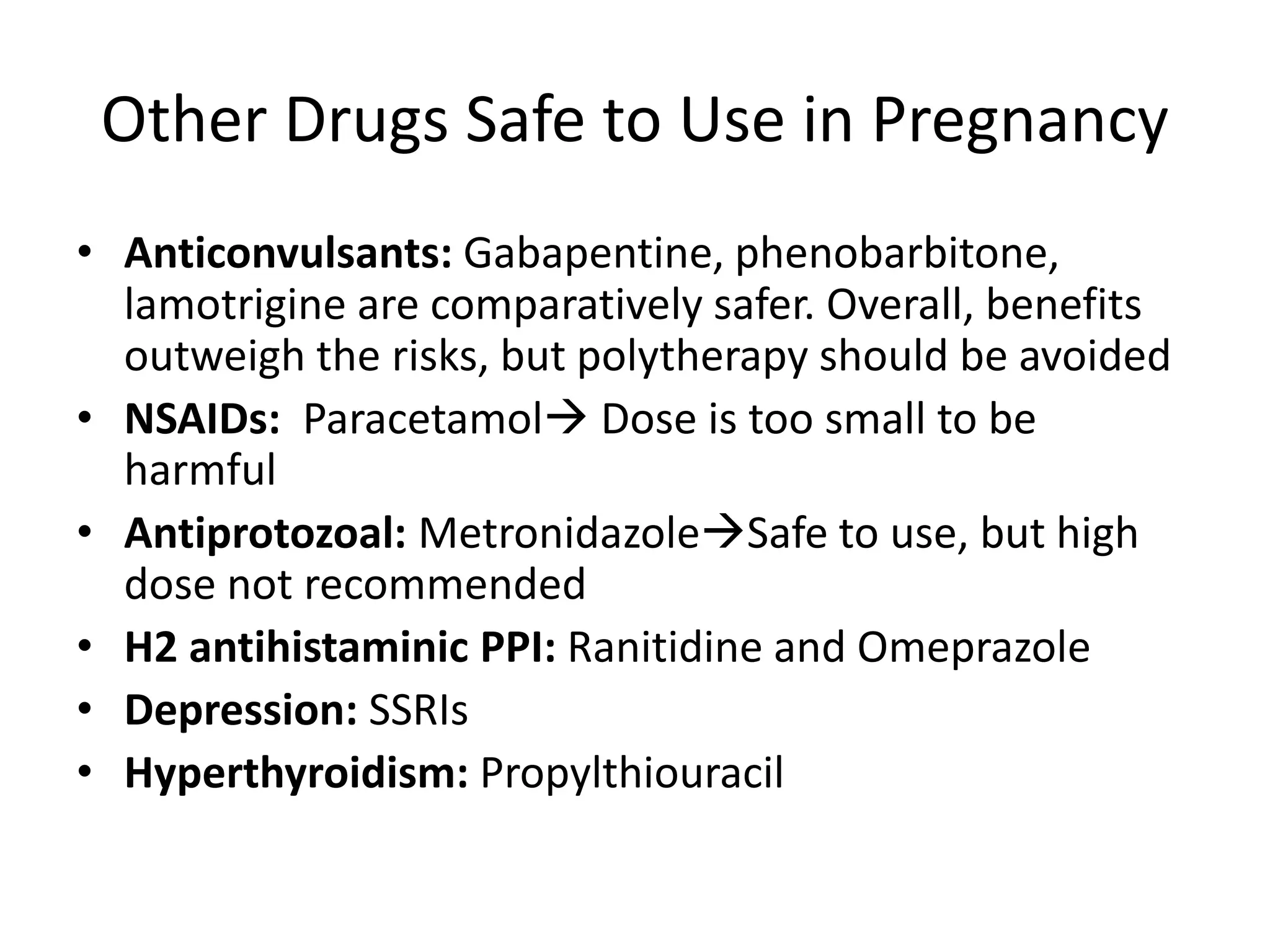
Taking Aleve (naproxen) during pregnancy is generally discouraged by healthcare professionals due to significant risks to fetal development. While it should be avoided entirely after 20 weeks of gestation to prevent fetal kidney issues and low amniotic fluid, even early-term use is associated with an increased risk of miscarriage and congenital heart defects.
Understanding Aleve and Its Mechanism of Action
Aleve is the brand name for naproxen sodium, a potent medication belonging to the class of drugs known as non-steroidal anti-inflammatory drugs (NSAIDs). In clinical practice, naproxen is primarily used to reduce inflammation, alleviate pain, and lower fever. It achieves these effects by inhibiting enzymes known as cyclooxygenase-1 (COX-1) and cyclooxygenase-2 (COX-2). These enzymes are responsible for the production of prostaglandins—lipid compounds that signal pain and trigger inflammation in the body.
While the inhibition of prostaglandins is beneficial for a non-pregnant adult suffering from arthritis or menstrual cramps, it presents a complex physiological challenge during pregnancy. Prostaglandins play a vital role in maintaining the pregnancy and facilitating fetal development. They are involved in the implantation of the embryo, the maintenance of the uterine lining, and the regulation of fetal blood flow. By blocking these compounds, Aleve can inadvertently disrupt the delicate biological environment necessary for a healthy pregnancy.
The 2026 Clinical Landscape: FDA and ACOG Guidelines
As of 2026, the guidance from the U.S. Food and Drug Administration (FDA) and the American College of Obstetricians and Gynecologists (ACOG) remains stringent regarding the use of NSAIDs like Aleve. In 2020, the FDA issued a safety communication warning that the use of NSAIDs around 20 weeks of pregnancy or later could cause rare but serious kidney problems in an unborn baby. This condition often leads to low levels of amniotic fluid (oligohydramnios), which is essential for the baby’s lung and muscle development.
Medical consensus in 2026 dictates that if an NSAID is deemed absolutely necessary by a healthcare provider between 20 and 30 weeks of pregnancy, the use should be limited to the lowest effective dose for the shortest possible duration. Furthermore, ultrasound monitoring of amniotic fluid levels is typically required if treatment extends beyond 48 hours. After 30 weeks of gestation, Aleve is strictly contraindicated because of the risk of premature closure of a critical fetal blood vessel.
Risks by Trimester: A Detailed Breakdown
The safety profile of Aleve changes as the pregnancy progresses, but it is rarely the first choice for pain relief at any stage.
The First Trimester: Miscarriage and Development
During the first trimester (weeks 1 through 13), the primary concern is organogenesis—the period when the baby's organs are forming. Some epidemiological studies have suggested a correlation between NSAID use in early pregnancy and an increased risk of miscarriage. The theory is that prostaglandins are necessary for the embryo to successfully implant in the uterine wall; by suppressing them, Aleve may hinder this process.
Additionally, there are concerns regarding "midline" birth defects. Research has investigated potential links between early naproxen exposure and heart defects or orofacial clefts (such as cleft palate). While the absolute risk remains relatively low, the uncertainty leads most doctors to recommend avoiding Aleve during these formative weeks.
The Second Trimester: The 20-Week Pivot
The second trimester (weeks 14 through 26) introduces a specific physiological risk involving the fetal kidneys. Around the 20-week mark, the fetus’s kidneys begin to produce a significant portion of the amniotic fluid. Because NSAIDs like Aleve can restrict blood flow to the fetal kidneys, they can reduce urine output, leading to oligohydramnios (low amniotic fluid).
Low amniotic fluid is a serious complication. It can result in:
- Pulmonary Hypoplasia: Underdeveloped lungs because the fetus cannot "breathe" enough fluid to expand them.
- Limb Contractures: Compression of the baby's limbs due to lack of space, leading to joint deformities.
- Umbilical Cord Compression: Without enough fluid to cushion the cord, the baby's oxygen supply may be compromised.
The Third Trimester: Cardiac Risks
The third trimester (week 27 to birth) is the most dangerous time to take Aleve. The most significant concern is the premature closure of the ductus arteriosus. The ductus arteriosus is a blood vessel that allows blood to bypass the fetus's lungs while they are still developing in the womb.
Under normal circumstances, this vessel closes shortly after birth when the baby begins to breathe air. However, NSAIDs can cause this vessel to constrict or close entirely while the baby is still in the uterus. This leads to pulmonary hypertension (high blood pressure in the baby's lungs), which can be fatal or lead to long-term cardiac and respiratory failure. Due to this high-severity risk, Aleve is categorized as a drug to be avoided entirely after 30 weeks.
Comparing Pain Relief Options During Pregnancy
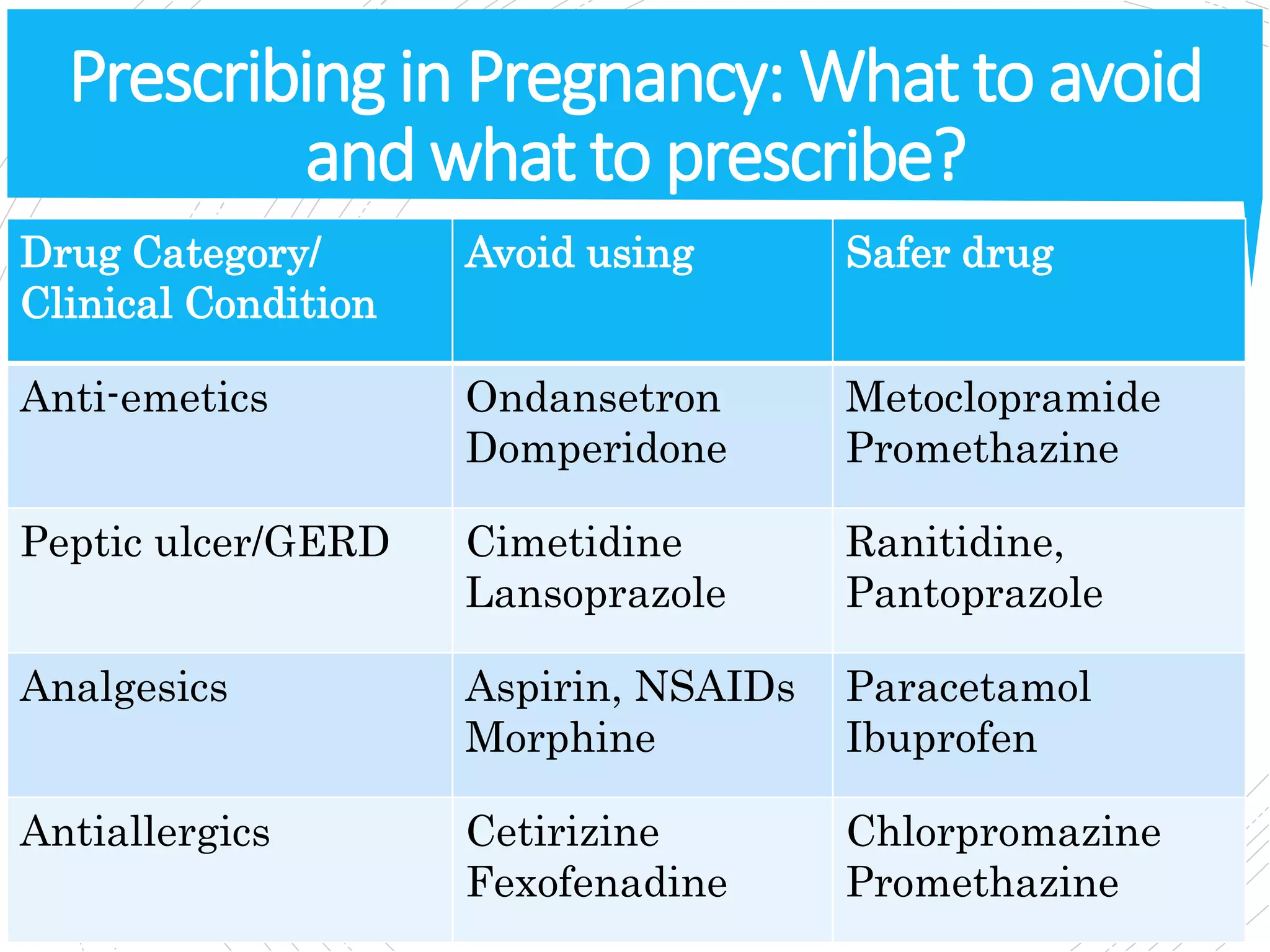
When managing pain during pregnancy, it is essential to weigh the risks and benefits of various medications. Below is a comparison of common over-the-counter options as of 2026.
| Medication | Class | Safety Status | Primary Risks |
|---|---|---|---|
| Acetaminophen (Tylenol) | Analgesic / Antipyretic | Generally considered the safest first-line option. | High doses can impact liver function; some ongoing research into long-term behavioral effects. |
| Aleve (Naproxen) | NSAID | Avoid, especially after 20 weeks. Contraindicated after 30 weeks. | Miscarriage (early), kidney issues, low amniotic fluid, and premature ductus arteriosus closure. |
| Advil / Motrin (Ibuprofen) | NSAID | Avoid, especially after 20 weeks. Similar profile to Naproxen. | Similar to Aleve: kidney dysfunction and fetal heart complications. |
| Aspirin | Salicylate | Avoid unless prescribed (e.g., low-dose for preeclampsia). | Bleeding risks; risk of Reye's syndrome in the mother; premature closure of ductus arteriosus. |
What to Do if You Have Already Taken Aleve
Discovering that a medication you took is potentially harmful can be a source of significant anxiety for expectant parents. If you have taken Aleve during your pregnancy, follow these steps:
- Stop Taking the Medication Immediately: Do not take any further doses of naproxen or other NSAIDs.
- Contact Your Obstetrician: Inform your healthcare provider about the dosage you took and the gestational age of the pregnancy at the time of use.
- Provide Context: Was it a single dose for a headache, or have you been taking it daily for a chronic condition? The duration of exposure significantly impacts the level of risk.
- Amniotic Fluid Check: If you are past 20 weeks of pregnancy, your doctor may order an ultrasound to check the volume of amniotic fluid and verify that the fetal kidneys and heart are functioning correctly.
- Review Alternatives: Discuss your pain management needs with your doctor so they can recommend a safer alternative, such as acetaminophen or physical therapy.
In many cases, a single accidental dose in the first or second trimester does not result in permanent harm, but professional medical verification is necessary for peace of mind and safety.
Safer Alternatives for Pain Management
Managing the physical discomforts of pregnancy—such as backaches, headaches, and pelvic pain—is a priority for many women. Fortunately, there are several safer paths than using Aleve.
Pharmaceutical Alternatives
Acetaminophen (Tylenol) remains the primary recommendation for fever and mild-to-moderate pain. It does not affect prostaglandins in the same way NSAIDs do, meaning it does not carry the same risks of premature heart vessel closure or kidney dysfunction in the fetus. However, it should still be used at the lowest effective dose for the shortest time possible.
Non-Pharmacological Strategies
For chronic pain related to pregnancy, such as sciatica or lower back pain, non-drug interventions are often more effective and entirely safe:
- Prenatal Physical Therapy: A therapist can provide specific exercises to strengthen the core and alleviate pressure on the pelvic floor.
- Prenatal Massage: Licensed prenatal massage therapists can help reduce muscle tension and improve circulation.
- Heat and Cold Therapy: Using a heating pad (on low settings) or an ice pack on sore muscles can provide localized relief without systemic side effects.
- Maternity Support Belts: These can help redistribute the weight of the "baby bump," taking the strain off the lower back and hips.
Hidden Sources of Naproxen
It is important to read the labels of all over-the-counter medications. Naproxen is sometimes found in combination products, such as:
- Multi-symptom cold and flu medications.
- Sleep aids that also contain a "PM" pain reliever.
- Prescription-strength migraine medications.
Always look for "Naproxen Sodium" on the active ingredients list. If a product label is unclear, consult a pharmacist before purchase.
Frequently Asked Questions
Is a single dose of Aleve in the first trimester dangerous?
While a single dose is unlikely to cause a major birth defect, any use of naproxen in the first trimester is associated with a slightly higher risk of miscarriage compared to taking no medication or taking acetaminophen. Most healthcare providers suggest monitoring the pregnancy normally but avoiding further doses.
Why is Aleve considered more dangerous than Tylenol during pregnancy?
Aleve (naproxen) belongs to the NSAID class, which inhibits prostaglandins. These substances are essential for fetal kidney function and for keeping a specific heart vessel (the ductus arteriosus) open while the baby is in the womb. Tylenol (acetaminophen) works through a different pathway in the central nervous system and does not interfere with these specific fetal processes.
Can I take Aleve while trying to conceive?
It is generally recommended to avoid Aleve while trying to get pregnant. Because NSAIDs inhibit prostaglandins, they can interfere with ovulation (the release of the egg) and the implantation of the embryo into the uterine wall. This can lead to temporary infertility or difficulty conceiving.
What are the symptoms of low amniotic fluid if I took Aleve?
Oligohydramnios (low amniotic fluid) often has no outward symptoms for the mother. However, a healthcare provider might notice that the uterus is measuring small for the gestational age, or the mother may notice a decrease in fetal movement. Diagnosis is confirmed via an ultrasound (Amniotic Fluid Index).
Are there any exceptions where Aleve is allowed?
The only exception is when a physician determines that the benefits to the mother significantly outweigh the risks to the fetus—for example, in certain severe inflammatory or autoimmune conditions where no other treatment is effective. In these rare cases, the pregnancy is monitored extremely closely with frequent ultrasounds.
Final Practical Recommendation
The safest approach to pain management in 2026 is to strictly avoid Aleve (naproxen) throughout all stages of pregnancy unless specifically instructed otherwise by a maternal-fetal medicine specialist. For routine headaches or muscle aches, acetaminophen is the preferred pharmaceutical choice. For structural or chronic pain, prioritize physical therapy and mechanical support (like braces or belts). If you have already ingested Aleve, contact your obstetrician to schedule a baseline ultrasound to ensure the health of the fetal kidneys and circulatory system. Always consult with a healthcare professional before starting or stopping any medication during pregnancy.
For more information on medication safety, visit the FDA's Pregnancy Registry or consult the ACOG clinical guidelines.