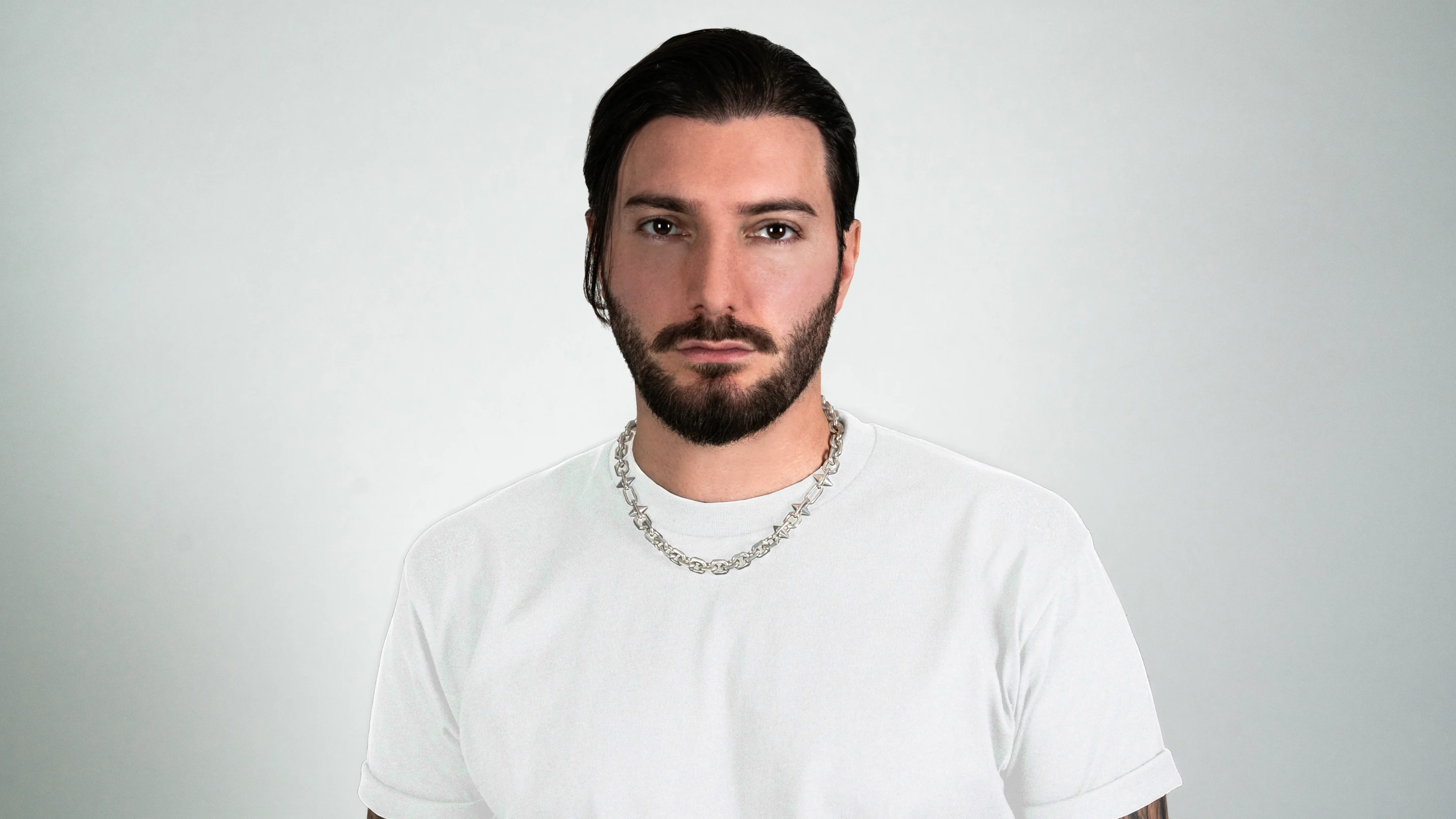
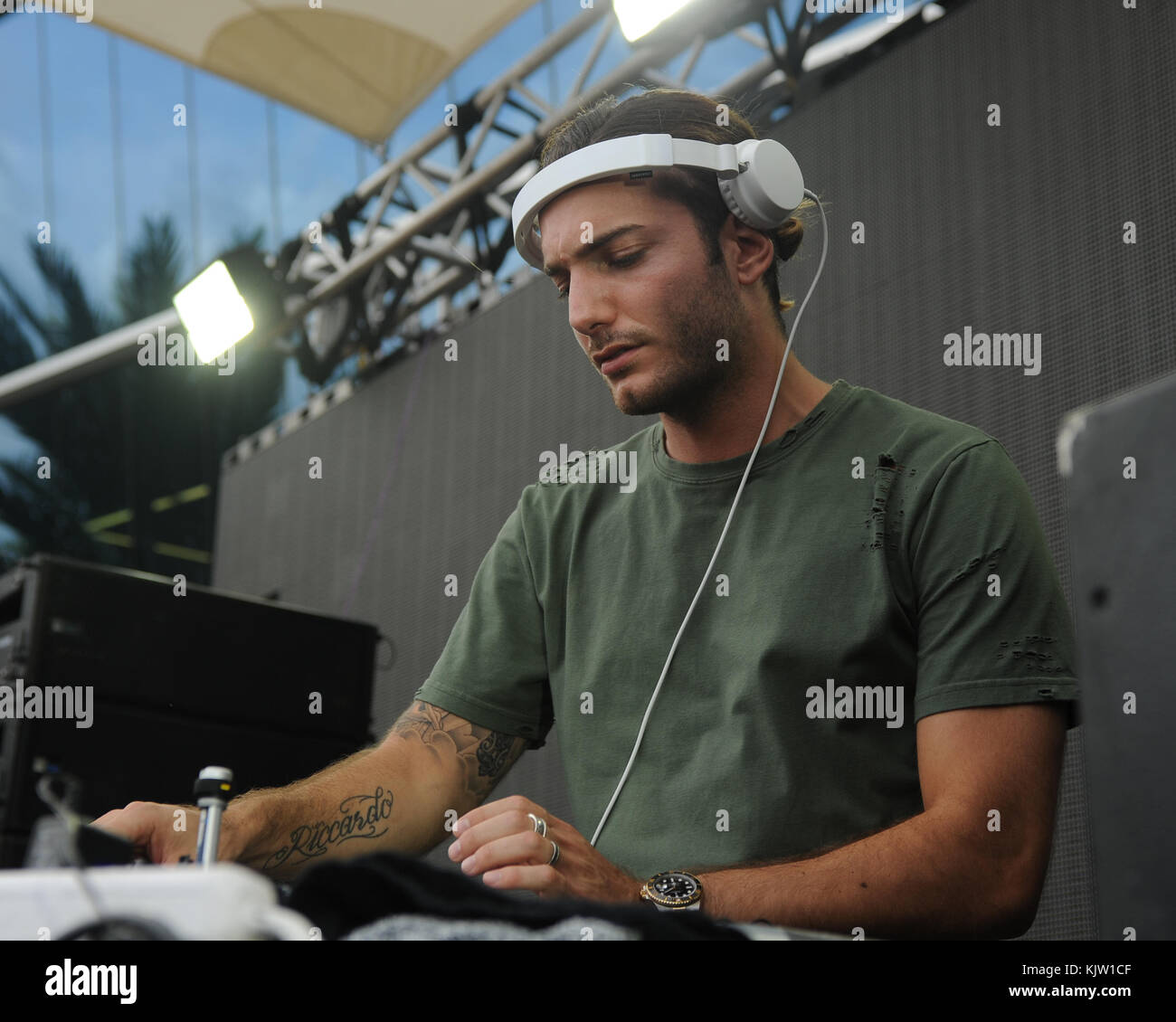
Alessandro Renato Rodolfo Lindblad, professionally known as Alesso, is a Swedish DJ and record producer who defined the golden era of 2010s progressive house. Rising from Stockholm's electronic scene under the mentorship of Swedish House Mafia’s Sebastian Ingrosso, Alesso achieved global prominence through stadium-sized melodies, chart-topping collaborations, and headlining performances at major international festivals.
Early Life and Musical Origins in Stockholm
Born on July 7, 1991, in Stockholm, Sweden, Alessandro Lindblad developed a deep fascination with music at an early age. Raised in a household that appreciated creative expression, he began playing the piano at age seven. Piano lessons provided him with a foundational understanding of music theory, chord progressions, and melodic structuring—skills that would later define his signature style in electronic dance music (EDM).
During his teenage years, Lindblad’s musical interests shifted from classical piano arrangements toward electronic soundscapes. By age 16, he began exploring digital audio workstations (DAWs), experimenting with beat-making and synth design. The vibrant Swedish electronic music scene of the late 2000s—fueled by artists like Avicii, Swedish House Mafia, and Eric Prydz—served as both an inspiration and a blueprint for his ambitions.
Rather than relying solely on traditional acoustic composition, Alesso focused on creating high-energy electronic tracks that retained strong emotional resonance. He spent long hours refining his production techniques in his home studio, striving to blend the drive of electro house with rich, uplifting harmonies. His early self-released tracks caught the attention of local club promoters and fellow producers, paving the way for his rapid entry into the professional music industry.
Breakthrough and Mentorship Under Sebastian Ingrosso (2010–2012)
Alesso’s major career turning point arrived in 2010 when he sent a demo tape to Sebastian Ingrosso, a member of the influential trio Swedish House Mafia. Recognizing the young producer's raw talent and intuitive sense for mainstage melodies, Ingrosso invited Alesso to join his label, Refune Music, and took him under his wing as a mentor.
- Early Piano & DAW Sound Design
- Mentorship under Ingrosso
- Refune Music Releases ("Nillionaire")
- "Calling (Lose My Mind)" Global Breakthrough
This mentorship dramatically accelerated Alesso's development. Under Ingrosso’s guidance, Alesso learned advanced production techniques, mixdown engineering, and the nuances of reading mass festival crowds. In 2011, Alesso released the track "Nillionaire," an energetic instrumental that quickly gained traction in club sets across Europe.
However, his true global breakthrough came with the release of "Calling," a collaborative instrumental track with Ingrosso. Recognizing the track's hit potential, the duo recorded a vocal version featuring OneRepublic frontman Ryan Tedder, titled "Calling (Lose My Mind)." Released in early 2012, the vocal rework topped dance music charts globally, certified multi-platinum in several countries, and solidified Alesso's standing as one of the most promising young talents in EDM.
During this period, MTV named Alesso one of the "EDM Rookies to Watch in 2012," while DJ Mag included him in their prestigious Top 100 DJs poll at number 70. His remix of Nadia Ali’s "Pressure" also became one of the most played festival anthems of 2011, winning widespread support from top-tier DJs worldwide.
Mainstage Dominance: Signature Tracks and Global Hits
Following his initial success, Alesso transitioned from a promising newcomer to a mainstage festival headliner. His discography is defined by a series of high-impact singles that crossed over from dance floors to mainstream pop radio while retaining electronic production integrity.
"Under Control" and "Heroes (We Could Be)"
In late 2013, Alesso joined forces with Scottish producer Calvin Harris and English synth-pop duo Hurts to release "Under Control." The track debuted at number one on the UK Singles Chart and achieved massive airplay worldwide. Its blend of dramatic vocal delivery, driving baseline, and soaring synth leads illustrated Alesso's ability to create radio-friendly festival anthems.
Building on that momentum, Alesso released "Heroes (We Could Be)" in September 2014, featuring Swedish singer Tove Lo. The track earned platinum certifications across North America and Europe, peaking within the Top 40 of the US Billboard Hot 100. The song’s uplifting theme and memorable hook established it as one of the definitive tracks of the 2010s progressive house boom.
Pop Crossovers and High-Profile Collaborations
As the electronic dance music landscape evolved, Alesso adapted his production style to explore pop crossover sounds without abandoning his electronic roots. He collaborated with a wide array of international vocalists and producers across different genres:
- OneRepublic – "If I Lose Myself" (Alesso Remix): Released in 2013, Alesso’s reworked version of the OneRepublic track turned a pop ballad into a festival centerpiece, earning a Grammy Award nomination for Best Remixed Recording, Non-Classical.
- Hailee Steinfeld – "Let Me Go" (2017): Featuring Florida Georgia Line and WATT, this track demonstrated Alesso's ability to blend electronic production with country-pop elements, reaching multi-platinum status.
- Katy Perry – "When I'm Gone" (2021): A dance-pop collaboration that combined Alesso’s club-focused production with Perry's vocal hooks, supported by a high-budget music video broadcast during the ESPN College Football Playoff National Championship.
- Zara Larsson – "Words" (2022): A return to energetic house music featuring Swedish pop singer Zara Larsson, which earned heavy rotation on European radio and dance charts.
Key Career Highlights & Discography Overview
The following table summarizes key milestones, major track releases, and notable achievements across Alesso's professional career:
| Year | Release / Event | Primary Collaborators | Notable Achievement / Impact |
|---|---|---|---|
| 2011 | "Pressure" (Remix) | Nadia Ali, Starkillers, Alex Kenji | Named "Track of the Year" by multiple DJ Mag Top 100 DJs. |
| 2012 | "Calling (Lose My Mind)" | Sebastian Ingrosso, Ryan Tedder | Reached #1 on US Dance Club Songs; multi-platinum certifications. |
| 2013 | "Under Control" | Calvin Harris, Hurts | Debuted at #1 on the UK Singles Chart. |
| 2013 | "If I Lose Myself" (Remix) | OneRepublic | Nominated for Grammy Award for Best Remixed Recording. |
| 2014 | "Heroes (We Could Be)" | Tove Lo | Top 40 on US Billboard Hot 100; global radio hit. |
| 2015 | Forever (Studio Album) | Ryan Tedder, Tove Lo, Sirena | Debuted at #1 on US Top Dance/Electronic Albums (Billboard). |
| 2017 | "Let Me Go" | Hailee Steinfeld, Florida Georgia Line | Certified 2x Platinum by RIAA in the United States. |
| 2019 | Progresso Volume 1 (EP) | Solo release | Signaled a return to darker, club-oriented house sounds. |
| 2021 | "When I'm Gone" | Katy Perry | Broadcast premiere on national television; global chart success. |
| 2022 | "Words" | Zara Larsson | Certified gold/platinum in multiple European markets. |
Debut Album Forever (2015)
In May 2015, Alesso released his debut full-length studio album, Forever, through Def Jam Recordings. The album represented the culmination of five years of work, combining previously released hit singles like "Calling," "Under Control," and "Heroes" with fresh original tracks such as "PAYDAY," "Cool" (featuring Roy English), and "Sweet Escape" (featuring Sirena).
Forever received positive commercial success, debuting at number one on the US Billboard Top Dance/Electronic Albums chart and entering the Top 30 of the UK Albums Chart. The project showcased Alesso's stylistic range, featuring aggressive electro house drops alongside cinematic string arrangements and radio-focused vocal pop tracks.
- Forever (2015 Album)
- Festival Anthems ("PAYDAY", "Tear The Roof Up")
- Pop Crossovers ("Heroes", "Cool")
- Cinematic Interludes ("Profondo", "Immortale")
Critics noted that Forever captured the sound of the peak festival era of the mid-2010s, serving as a time capsule for the melodic progressive house movement that dominated global youth culture during that decade.
Live Performances and Headlining History
Beyond studio recordings, Alesso's reputation is built on high-energy live DJ sets characterized by seamless mixing, visual production, and careful pacing. He has performed at major music festivals and iconic venue residencies across the globe.
Major Festival Appearances
- Tomorrowland (Belgium): A recurring mainstage performer, Alesso has delivered iconic sets at Tomorrowland, often debuting unreleased IDs (unidentified tracks) that generate extensive online speculation among fans.
- Ultra Music Festival (Miami): Since his debut on the festival’s secondary stages in 2012, Alesso quickly moved up to headline the Ultra Main Stage, performing peak-hour sets broadcast to millions online.
- Electric Daisy Carnival (EDC Las Vegas): Performing under the night skies at the kineticFIELD stage, Alesso’s sets at EDC are widely recognized for their large-scale pyrotechnics and visual integration.
- Coachella (California): Performing at both the Sahara Tent and main outdoor stages, Alesso introduced electronic dance sets to diverse, mainstream indie and pop audiences.
Residencies and Touring Concepts
Alesso has held prominent club residencies in major nightlife destinations, including the Wynn Nightlife venues (XS, Encore Beach Club) and Omnia in Las Vegas, as well as Ushuaïa in Ibiza.
In addition to standard DJ sets, he introduced specialized performance concepts such as the Progresso show series, which focuses on deeper, underground house tracks, sound design, and custom visual technology, offering fans an alternative experience to his pop-oriented mainstage sets.
Musical Style, Equipment, and Production Technique
Alesso’s signature sound relies on a combination of soaring piano chords, layered lead synthesizers, emotional vocal lines, and driving bass rhythms.
Key Elements of the "Alesso Sound"
- Emotional Melodic Structures: Unlike heavy electro or dubstep producers who focus primarily on aggressive bass drops, Alesso designs his tracks around chord progressions intended to evoke nostalgic or triumphant emotions.
- Layered Synth Lead Production: Alesso frequently stacks multiple synth patches—blending classic analog warmth with modern digital software synths—to create thick, full-sounding lead notes capable of filling large outdoor arenas.
- Vocal Integration: Vocals in Alesso tracks are treated as primary instruments rather than secondary accompaniments. He uses subtle pitch shifts, vocal chops, and reverb tails to integrate singers smoothly into the electronic backdrop.
DAW and Studio Tools
In studio production, Alesso relies heavily on Logic Pro X as his primary Digital Audio Workstation. His toolkit commonly includes classic virtual instruments such as LennarDigital's Sylenth1, reFX Nexus, and Xfer Records' Serum for lead sounds, alongside processing plugins from Waves, FabFilter, and Soundtoys to shape dynamics and spatial breadth.
Frequently Asked Questions
What is Alesso's real name and background?
Alesso's full legal name is Alessandro Renato Rodolfo Lindblad. He was born in Stockholm, Sweden, on July 7, 1991, and is of Swedish and Italian descent.
How did Alesso break into the electronic music industry?
Alesso broke into the music industry after sending his early demos to Swedish House Mafia member Sebastian Ingrosso in 2010. Ingrosso signed him to his Refune Music label, mentored him, and co-produced the breakthrough hit "Calling (Lose My Mind)."
What is Alesso's biggest song?
Commercially, "Heroes (We Could Be)" featuring Tove Lo and "Under Control" with Calvin Harris featuring Hurts are his biggest chart successes, both earning multi-platinum certifications globally. "Calling (Lose My Mind)" remains his most iconic progressive house release.
Has Alesso won any awards?
Alesso has received several awards and high-profile nominations, including a Grammy Award nomination in 2014 for Best Remixed Recording for his remix of OneRepublic's "If I Lose Myself." He has consistently placed high in DJ Mag’s Top 100 DJs poll for over a decade.
What genre of music does Alesso play?
Alesso primarily produces and plays progressive house, electro house, and dance-pop. Over his career, he has also explored tech house and club-focused underground house under his Progresso releases.
Summary and Key Takeaways
Alesso stands as a pivotal figure in modern electronic dance music. From his beginnings as a classical piano student in Stockholm to becoming a global festival headliner, his career reflects the evolution of modern dance music over the past decade and a half.
For producers and dance music enthusiasts, Alesso's work offers several clear takeaways:
- Melody First: The enduring popularity of his tracks demonstrates that strong, emotional melodies often outlast temporary production trends.
- Versatility in Production: His ability to pivot between underground progressive house EPs (Progresso) and mainstream radio hits ("When I'm Gone") has allowed him to sustain long-term career viability.
- Collaborative Impact: Strategic partnerships with established vocalists, rock frontmen, and pop icons played a vital role in taking his electronic sound to global mainstream audiences.
As electronic music continues to evolve, Alesso remains an influential composer and performer, continuing to bridge the gap between mainstage electronic anthems and global pop culture.