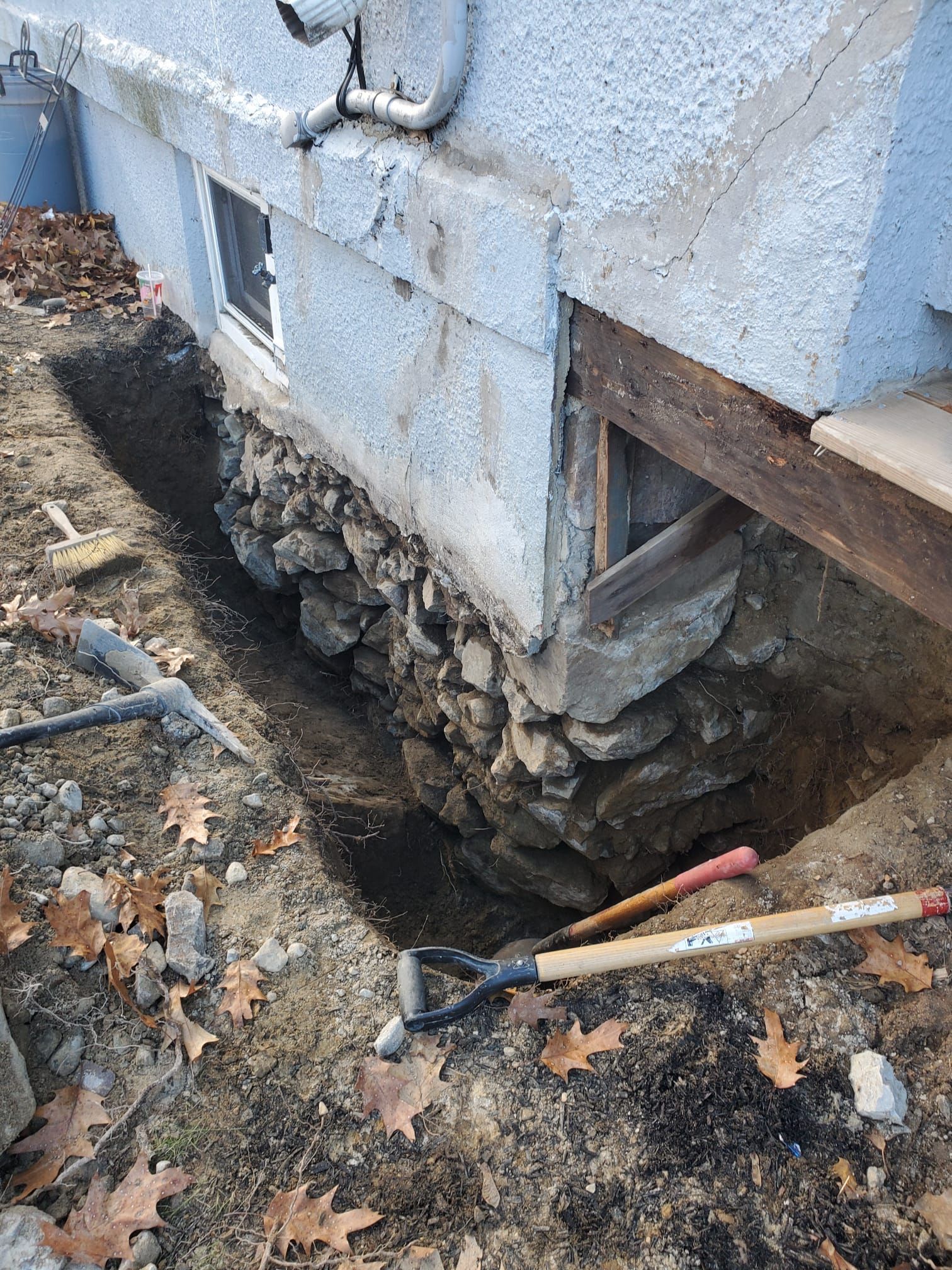
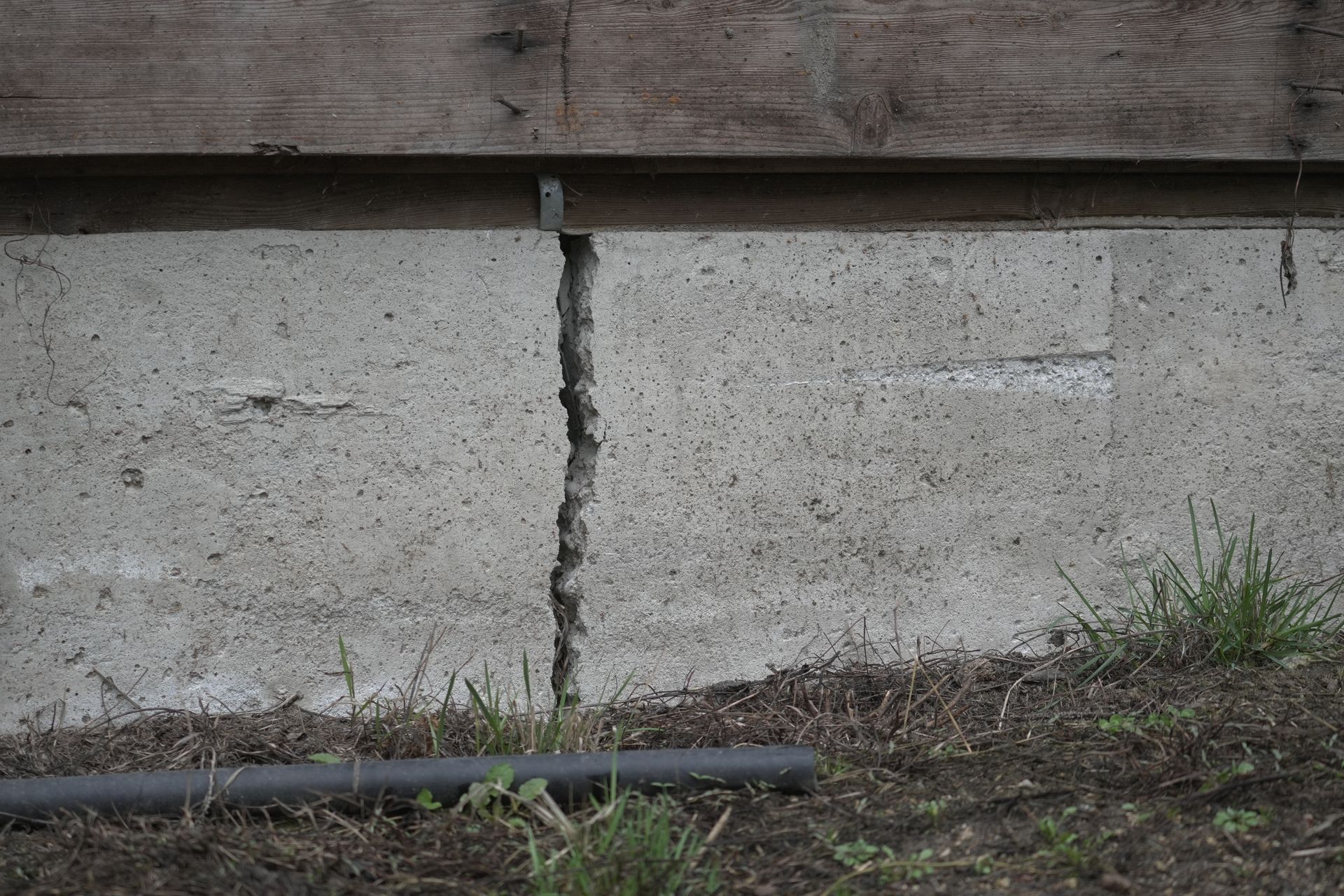
House foundation repair in Aledo, Texas, requires addressing the region's highly expansive clay soils, which shift significantly with moisture changes. Effective solutions involve professional soil analysis, installing steel or concrete piers to reach stable strata, and implementing comprehensive drainage systems to prevent future movement and structural damage to the home.
The geological landscape of Aledo and the surrounding Parker County area presents unique challenges for homeowners. As we move through 2026, the demand for specialized foundation services remains high due to the cyclical weather patterns of North Texas—alternating between extreme drought and heavy spring rains. This guide provides an in-depth analysis of why foundations fail in Aledo, the technical methods used to stabilize them, and the financial considerations for homeowners facing these structural issues.
The Geological Reality: Why Aledo Foundations Move
To understand foundation repair in Aledo, one must first understand the ground beneath the slab. Aledo sits atop soil formations characterized by high concentrations of expansive clay. These clays, primarily from the Smectite group, possess a molecular structure that allows them to absorb massive amounts of water.
The Swell-Shrink Cycle
When Aledo experiences heavy rainfall, the clay soil particles expand in volume, a phenomenon known as "heave." This upward pressure can lift portions of a concrete slab or pier-and-beam foundation. Conversely, during the hot, arid Texas summers, the soil loses moisture and shrinks. This creates voids beneath the foundation, leading to "settlement." Because moisture levels are rarely uniform across a property—often due to shade trees, uneven drainage, or leaking pipes—the foundation moves differentially. This differential settlement is what causes the structural stress resulting in cracks and door alignment issues.
The Active Zone
Engineers in North Texas frequently refer to the "active zone," which is the depth of soil affected by seasonal moisture changes. In the Aledo area, this active zone can reach depths of 10 to 15 feet. Foundation repairs that do not penetrate below this active zone are often temporary fixes, as the soil supporting the repair will continue to fluctuate.
Identifying Signs of Foundation Distress in Aledo Homes
Recognizing the early warning signs of foundation movement can save homeowners thousands of dollars in secondary repairs, such as drywall replacement and flooring adjustment. In Aledo’s climate, these signs often manifest during the transition from the wet spring to the dry summer.
Interior Indicators
- Door and Window Misalignment: Doors that suddenly stick, swing open on their own, or have uneven gaps at the top are classic signs of a shifting frame.
- Drywall Cracks: While small hairline cracks can be caused by settling in new construction, large diagonal cracks extending from the corners of door frames or windows usually indicate structural movement.
- Sloping Floors: If a floor feels like it is dipping toward one side of the house, the slab may be losing support in that specific area.
- Gaps Between Walls and Ceilings: Separation where the wall meets the ceiling or where the baseboards meet the floor suggests the vertical plane of the house is being compromised.
Exterior Indicators
- Stair-Step Cracks in Brickwork: This is perhaps the most definitive sign of foundation settlement in Texas homes. The cracks follow the mortar lines in a zigzag pattern.
- Fascia Board Separation: Look at the corners of the roofline. If the fascia boards are pulling apart, the house may be "racking" or twisting due to foundation failure.
- Cracked Foundation Skirting: Visible cracks in the exposed concrete perimeter of the house should be inspected by a professional.
- Soil Separation: During dry spells, a gap of several inches between the soil and the edge of the foundation indicates significant soil shrinkage, leaving the slab edge unsupported.
Proven Foundation Repair Methods for Aledo
The choice of repair method depends on the home's construction type, the severity of the settlement, and the specific soil profile of the Aledo lot. In 2026, the industry continues to rely on three primary "piling" or "piering" technologies.
1. Pressed Concrete Pilings
This is the most common residential repair method in North Texas due to its balance of cost and effectiveness. Pre-cast concrete cylinders (usually 6 inches in diameter and 12 inches long) are driven into the ground using the weight of the house and a hydraulic jack.
- Pros: Cost-effective, relatively fast installation, and suitable for most North Texas clay soils.
- Cons: These piers are held together by friction and soil pressure; if the soil dries out significantly beneath the pier, it can lose its "set."
2. Steel Piers
Steel piers are considered a more permanent, heavy-duty solution. They consist of high-strength steel tubing driven deep into the earth until they reach "refusal" at a rock stratum or extremely dense soil.
- Pros: They can reach much greater depths than concrete (often 20-40 feet), making them immune to the movement of the upper "active zone."
- Cons: Significantly more expensive than concrete pilings.
3. Helical Piers
Helical piers look like large screws. They are mechanically "screwed" into the ground rather than being driven by the weight of the house.
- Pros: Excellent for lighter structures (like porches or pier-and-beam additions) or areas with limited access where heavy hydraulic equipment cannot be used.
- Cons: Can be difficult to install in soils containing large limestone rocks, which are common in some parts of the Aledo/Weatherford area.
4. Polyurethane Injection (Polyjacking)
For minor interior floor leveling or stabilizing concrete porches and walkways, high-density polyurethane foam is injected through small holes. The foam expands, fills voids, and lifts the concrete.
- The Limitation: Polyjacking is a cosmetic or secondary stabilization method; it does not provide the deep structural support needed to fix a failing perimeter slab in expansive clay.
Comparison of Common Foundation Repair Methods
| Method | Average Cost per Pier (2026) | Typical Depth | Durability | Best Use Case |
|---|---|---|---|---|
| Pressed Concrete | $450 – $650 | 12 – 18 Feet | Moderate to High | Standard residential slabs in Aledo. |
| Steel Piers | $900 – $1,300 | 25 – 50 Feet | Excellent (Lifetime) | Homes on deep clay or high-value structures. |
| Helical Piers | $800 – $1,100 | Varies | High | Light additions, porches, and pier-and-beam. |
| Polyjacking | $1,500 - $4,000 (Project) | Surface | Moderate | Interior floor leveling and sidewalk repair. |
The Critical Role of Drainage and Maintenance
In Aledo, repair is only half the battle. Without controlling the moisture levels around the foundation, even the best pier system can experience "upheaval" or localized movement.
Gutters and Downspouts
Properly functioning gutters are the first line of defense. In Aledo’s sudden downpours, gutters must be clear and downspouts must discharge water at least 5 feet away from the foundation. Many homeowners opt for underground "pop-up" emitters to ensure water is moved far into the yard or toward the street.
Surface and French Drains
If a lot is graded so that water flows toward the house, a surface drain or French drain is necessary. A French drain consists of a perforated pipe buried in a gravel-filled trench, designed to intercept subsurface water and redirect it. This prevents the "pooling" that causes clay to swell excessively under the slab.
Root Barriers
Large oak or pecan trees, common in Aledo, can consume hundreds of gallons of water daily. During a drought, their roots will grow under the foundation to seek moisture, causing the soil to shrink and the slab to drop. A root barrier—a trench filled with a physical or chemical shield—can prevent roots from encroaching on the foundation footprint.
Engineering Reports and Permitting in Aledo
Before hiring a contractor, it is highly recommended to obtain an independent report from a Structural Engineer. Unlike repair contractors, engineers do not have a financial stake in selling piers. They provide a "Plan of Repair" that includes:
- A floor-level survey showing the elevation changes across the home.
- A determination of whether the movement is within "tolerable limits" (as defined by the American Society of Civil Engineers).
- Specific recommendations for pier placement and drainage.
Local Regulations
The City of Aledo and Parker County generally require permits for structural repairs. A reputable contractor will handle the permitting process, which usually involves a final inspection and a "post-repair" engineering letter to certify that the work was performed according to the plan. This documentation is vital when selling a home, as buyers and lenders in the North Texas market are highly sensitive to foundation history.
Selecting a Foundation Repair Contractor in Aledo
The foundation repair industry in Texas is not state-licensed, which makes it imperative for homeowners to perform rigorous due diligence.
- Check for Specialized Experience: Aledo’s topography varies from the flat "Walsh" areas to more hilly terrain near the high school. Ensure the contractor has worked specifically with the soil types in your neighborhood.
- Verify Insurance: Ask for proof of General Liability and Workers' Compensation insurance. Foundation work involves heavy equipment and significant liability.
- Warranty Clarity: Most companies offer a "Lifetime Transferable Warranty." Read the fine print. Does the warranty cover the entire foundation or just the piers they installed? Is there a fee for future adjustments?
- Local References: Ask for addresses of homes repaired in Aledo or Willow Park at least three years ago. This demonstrates how their repairs hold up over multiple Texas seasons.
Frequently Asked Questions
Does home insurance cover foundation repair in Aledo?
In most cases, standard homeowners insurance does not cover foundation repair caused by soil compaction or expansion. However, if the foundation damage was caused by a "sudden and accidental" plumbing leak (hydrostatic pressure), your policy might cover a portion of the repair or the access costs to fix the leak. It is essential to review your specific policy endorsements regarding water damage.
How long does the average foundation repair take?
For a standard Aledo home requiring 15 to 25 piers, the process typically takes 2 to 4 days. This includes the excavation of holes, the driving of piers, the lifting of the structure, and the backfilling of the soil. If significant interior work or plumbing "tunneling" is required, the timeframe can extend to a week or more.
Should I water my foundation during a drought?
Watering a foundation (often called "perimeter watering") is a common practice in North Texas to keep the soil moisture consistent. Using a soaker hose placed 12 to 18 inches from the slab can prevent the clay from shrinking away from the foundation. However, it must be done consistently; erratic watering can sometimes cause more harm than good by creating localized "wet spots."
Can I stay in my home during the repair?
Yes, most foundation repairs are performed from the exterior of the home. Even if the house is being "lifted," the movements are incremental and controlled. While there will be significant noise and vibration, the home remains habitable. You may only need to vacate briefly if extensive interior piering or plumbing repairs are necessary.
How do I know if a crack is serious or just cosmetic?
As a general rule, any crack wider than 1/8 of an inch, or any crack that is wider at one end than the other, should be inspected. Horizontal cracks in a foundation wall or stair-step cracks in brick are almost always structural. Fine, vertical hairline cracks in concrete are often just "shrinkage cracks" from the original curing process of the concrete.
Practical Recommendations for Homeowners
If you suspect foundation issues in your Aledo home, your first action should be to consult an independent structural engineer to establish a baseline of your home’s elevations. If repairs are deemed necessary, obtain at least three quotes from contractors who have a long-standing reputation in the Fort Worth/Parker County area. Prioritize solutions that include comprehensive moisture management, such as gutter extensions and proper grading, to ensure that once your home is leveled, it stays that way for the duration of its lifespan.